
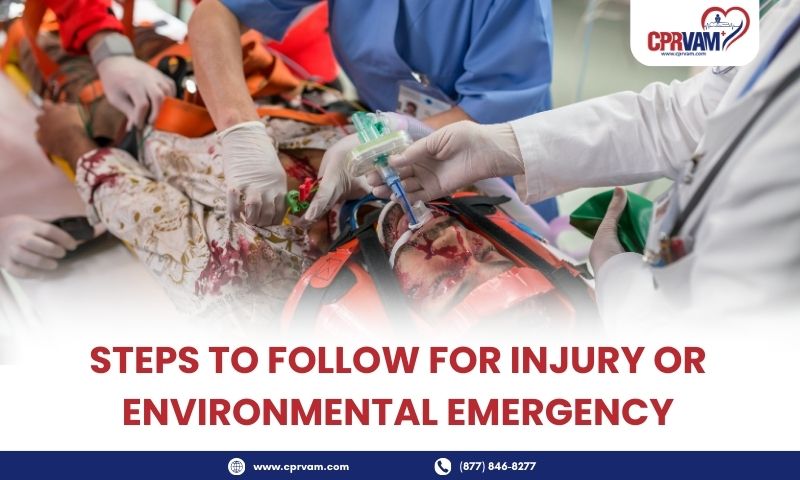
Emergencies can happen unexpectedly, putting people’s health and safety at serious risk. Injury emergencies, such as heavy bleeding, burns, broken bones, head injuries, or poisoning, directly affect the body and can become life-threatening if not treated quickly. Environmental emergencies, including extreme heat or cold, chemical spills, dangerous fumes, natural disasters, or electrical hazards, can also pose serious threats. Knowing how to respond effectively can make the difference between life and death.
The first step in any emergency is to stay calm and assess the situation. Panicking or rushing in without evaluating potential dangers can put both you and the victim at risk. By identifying hazards, understanding the severity of injuries, and planning a safe approach, you can act efficiently and minimize further harm. Immediate actions, such as calling emergency services, providing first aid, and prioritizing serious injuries, are crucial for improving outcomes.
This blog explains what injury and environmental emergencies are, the steps to follow when they occur, how legal protections like Good Samaritan laws encourage help, and common mistakes to avoid during emergencies.
What are Injury or Environmental Emergencies?
Injury or environmental emergencies occur when someone’s health or safety is at immediate risk and requires prompt assistance. Injury emergencies involve direct harm to the body, such as heavy bleeding, broken bones, burns, head trauma, poisoning, or cardiac arrest.
Environmental emergencies, on the other hand, arise from external conditions, including extreme temperatures, chemical exposures, dangerous fumes, natural disasters, or electrical hazards. In both cases, acting quickly and safely is essential to prevent severe harm or death. Your main goals are to stay safe, help the injured person, and summon professional medical aid as soon as possible.
What Should You Do in an Injury or Environmental Emergency?
In an injury or environmental emergency, quickly assess the situation, ensure personal safety, call for help, and provide basic first aid. Act calmly to prevent further harm until professional medical or emergency services arrive.
1. Stay Calm and Assess the Situation
The first thing to do during an emergency is to stop and take a deep breath to remain calm. Staying calm helps you think clearly and act safely, while panicking can make you freeze or make mistakes that put both you and the victim at risk. Once you are calm, carefully look around to identify any hazards.
- Identify any dangers like fire, electrical wires, chemical spills, broken structures, slippery surfaces, or dangerous animals.
- Decide how serious the situation is. Is it a small injury you can manage or a life-threatening emergency that needs professionals?
- Think about the safest way to approach the injured person without putting yourself in danger.
Why It Matters: Rushing in without assessing the scene can put you at risk, leaving no one able to help.
2. Keep Yourself Safe First
After you assess the situation, make sure you are safe first. If there is an immediate risk, move to a safe place. Only approach the victim if it is safe to do so. You cannot help someone else if you are in danger or become another victim.
- Wear gloves, a mask, or other protective gear if available.
- Avoid areas with smoke, chemicals, floodwater, or unstable structures.
- Keep bystanders at a safe distance to prevent more injuries.
Extra Tip: If there are other people around, ask one to watch for dangers while you focus on helping the injured person.
3. Call for Professional Help
Once the scene is safe, call for professional help immediately. Even minor injuries can become serious if untreated.
- Dial 911 (or your local emergency number).
- Give clear information: location, what happened, how many people are hurt, and any hazards nearby.
- If someone else is nearby, ask them to call too, so help arrives faster while you start basic care.
Why It Matters: Getting professional help as soon as possible can save lives.
4. Help the Most Serious Injuries First
After calling for help, focus on managing injuries. When multiple people are injured, prioritize life-threatening injuries first, followed by less serious ones. This process is called triage, which ensures the most critical injuries are treated first to increase survival chances.
- Life-Threatening: Heavy bleeding, unconsciousness, difficulty breathing, or chest pain.
- Moderate injuries: Broken bones, deep burns, or big cuts.
- Minor injuries: Small cuts, bruises, or mild sprains.
Tip: When managing multiple injuries, try to keep the injured persons calm and still, as unnecessary movement can worsen serious injuries.
5. Stop Bleeding and Manage Shock
After prioritizing serious injuries, the next step is to control bleeding and prevent shock. Heavy bleeding can become life‑threatening very quickly, so it must be managed immediately.
- Press firmly on the wound with a clean cloth or bandage.
- Raise the injured area above the heart if it doesn’t cause more pain or make a fracture worse.
- Keep the person lying down, warm, and calm.
Watch for Shock: Pale or clammy skin, fast heartbeat, shallow breathing, dizziness, or confusion can be the sign of shock. To handle shock, keep the person lying down, warm, and calm, and elevate their legs slightly if possible.
Extra Tip: Cover the person with a blanket or jacket to help maintain body temperature.
6. Make Sure the Person Can Breathe
Breathing problems can quickly become life-threatening.
- Check if the person is conscious and breathing.
- If unconscious, gently tilt their head back and lift the chin to open the airway.
- Look, listen, and feel for breathing.
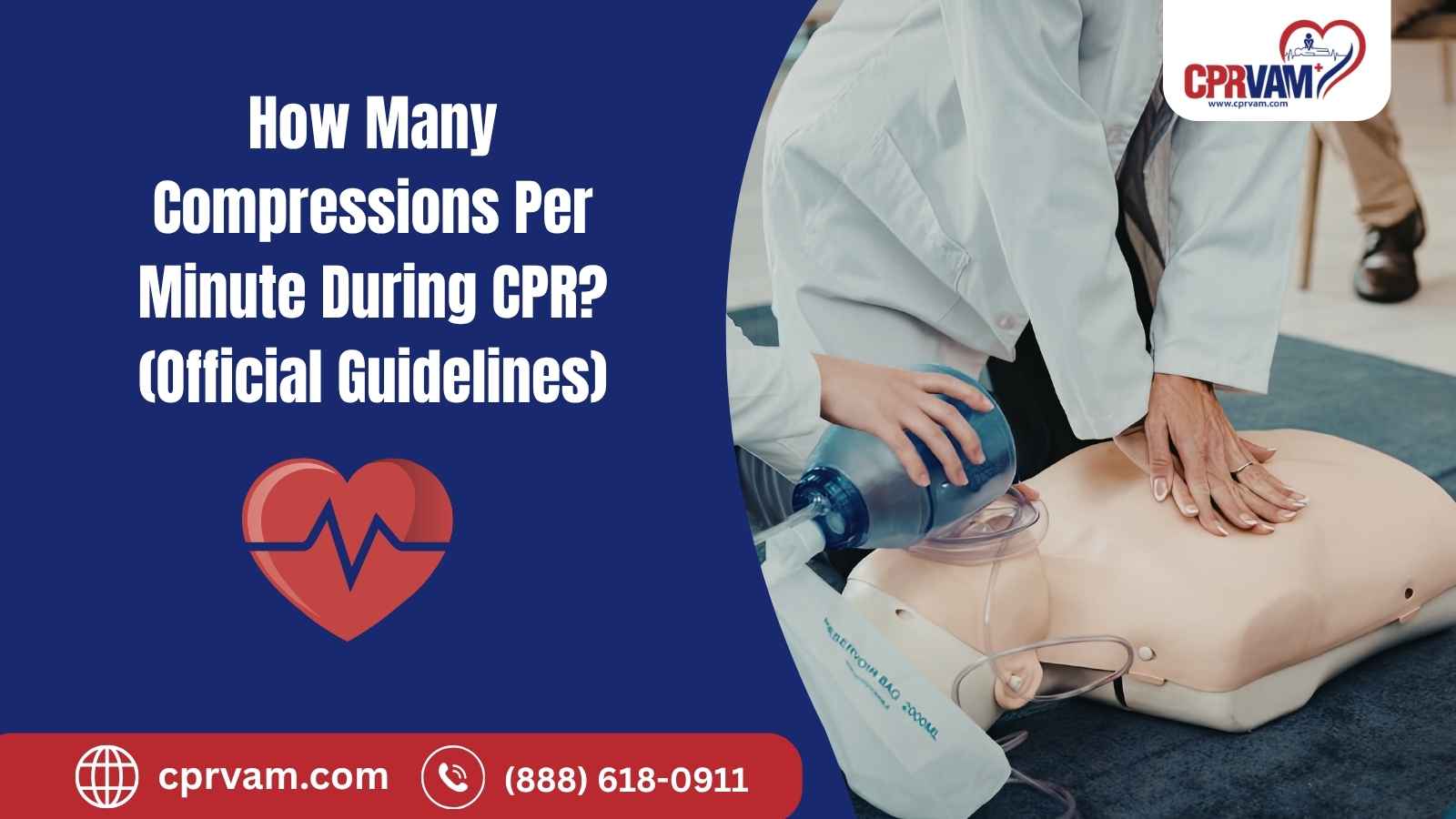
- If the person is not breathing, start hands-only CPR if you are untrained, or provide conventional CPR if you are trained. Continue CPR until professional help arrives.
Why It Matters: Even a few minutes of proper airway care can save a life.
7. Protect Injuries, Including Burns, and Broken Bones
If the person is breathing, protect any burns, broken bones, or sprains to prevent further damage and keep them comfortable.
For Burns:
- Immediately remove the person from the source of heat or chemicals if you are safe.
- Cool the burn with running cool (not cold) water for at least 10-20 minutes.
- Remove tight items like rings, watches, or belts from the burned area before swelling starts.
- Cover the burn with a clean, non-stick cloth or dressing. Avoid applying creams, butter, or ice directly.
For Fractures or Sprains:
- Use splints, sticks, or rolled-up clothing to keep the injured area still.
- Don’t try to straighten broken bones unless necessary to remove the person from danger.
- Apply cold packs to reduce swelling and relieve pain.
Preventing Further Injury: Keep the person away from ongoing hazards and avoid unnecessary movement until help arrives.
8. Handle Environmental Emergencies
In addition to injuries, people may face emergencies caused by environmental factors, such as extreme heat or cold, chemical spills, or exposure to dangerous fumes. Being able to respond quickly and safely can help prevent serious harm.
- Heatstroke: Move the person to shade, cool their body with wet cloths, and give water if they are conscious.
- Hypothermia (Cold Exposure): Warm them gradually with blankets. Avoid direct hot surfaces, which can cause burns or shock.
- Chemical Exposure: Rinse the affected area with running water for at least 15 minutes and remove contaminated clothing.
- Drowning or Near-Drowning: Make sure the airway is clear. Begin CPR immediately if the person is not breathing.
Extra Tip: Knowing common hazards in your area, like floods, extreme heat, or chemical plants, helps you act faster and safer.
9. Comfort and Monitor the Person
Once immediate injuries and environmental dangers are managed, it is important to provide reassurance and keep a close watch on the person’s condition.
- Stay calm and talk to the injured person, explaining what you are doing.
- Keep checking their breathing, pulse, and level of consciousness.
- Reassure them that help is on the way.
Tip: Assign one person to continuously monitor vital signs while another provides first aid.
10. Record What Happened
After the immediate danger has passed, it is important to document the incident.
- Write down what happened, injuries, and the steps you took
- Share any medical history, allergies, or medications with emergency responders.
- If safe, take photos of the scene or injuries; this can help doctors provide proper treatment.
Why It Matters: Clear information helps professionals act quickly and effectively.
How Does the Good Samaritan Law Save Those Who Help in Emergencies?
During emergencies, many people hesitate to help because they fear legal consequences if something goes wrong. The Good Samaritan law addresses this concern by protecting individuals who voluntarily assist in good faith. As long as help is given without expecting payment and with reasonable care, the law generally shields helpers from liability for unintentional harm, encouraging people to act promptly and responsibly.
Under the Good Samaritan law, expectations depend on a person’s knowledge and training. Trained individuals should act within their skills, while untrained bystanders are expected to use common sense and caution. Although professionals may follow different rules, these laws mainly exist to motivate ordinary people to provide immediate help, which can save lives in critical situations. Save lives before professional assistance arrives.
What Common Mistakes to Avoid During Emergencies?
Even when people act with the best intentions, emergencies can become more dangerous if mistakes are made. Being aware of common pitfalls helps you respond safely and effectively, ensuring that both you and the victim stay out of harm’s way.
Here are some mistakes to avoid:
- Panicking or Rushing In
Failing to assess the scene can put both you and the victim at risk from hazards like fire, electricity, or chemical spills. - Delaying Professional Help
Not calling emergency services immediately can cost valuable time when every second matters. - Improper Handling of Injuries
Moving someone with a suspected spinal injury, applying ice directly to burns, or attempting procedures beyond your training can worsen the condition. - Neglecting Personal Safety
Entering dangerous areas without protective gear can make you an additional casualty. - Ignoring Emotional Support
Victims in shock or fear need reassurance; failing to provide comfort can increase stress and complicate recovery. - Not Monitoring Vital Signs
Skipping regular checks of breathing, pulse, or responsiveness can allow life-threatening changes to go unnoticed. - Failing to Document or Communicate
Not recording what happened or sharing medical information with responders can slow treatment and create confusion.
Emergencies Happen Fast, Your Response Makes the Difference
In any injury or environmental emergency, assess the scene, call for help, prioritize serious injuries, and provide first aid immediately to save lives. Be prepared by learning basic first aid, understanding Good Samaritan laws, and avoiding mistakes like panicking or ignoring hazards. Continuously monitor the person’s condition, offer reassurance, and communicate clearly with responders. Quick and safe action protects your safety and ensures the best possible outcome for the injured, making every second count.
To be truly ready for such emergencies, it’s essential to combine knowledge with practical skills. Learning first aid, CPR, and other life-saving techniques equips you to act confidently and effectively when someone’s health or safety is at risk. Enroll in a certified CPR training program at CPR VAM today to gain hands-on experience, strengthen your skills, and be ready to make a real difference when it matters most.