
CPRvam Students
25,000+ students successfully trained annually
Step-by-step treatment algorithms
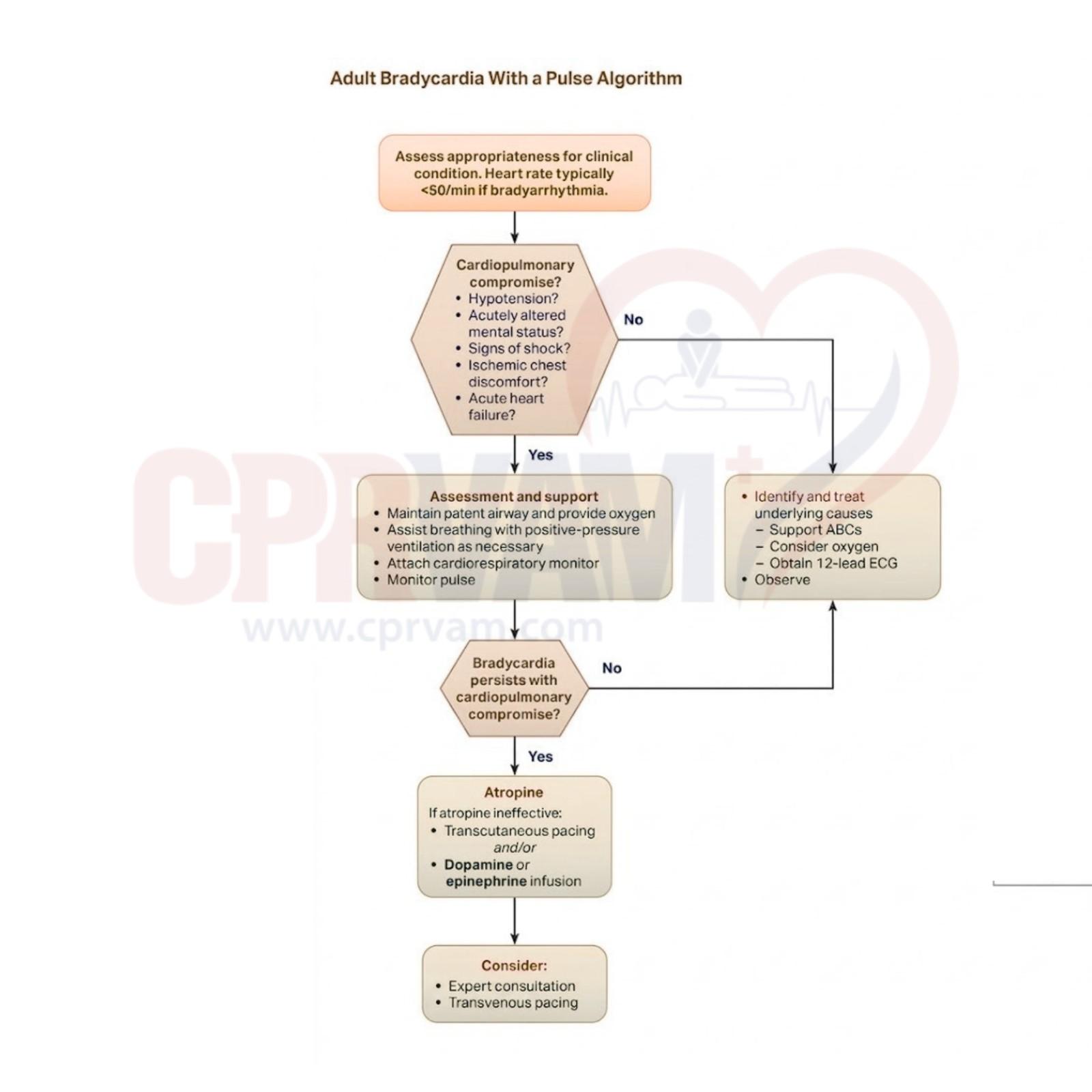
Adult bradycardia with pulse algorithm flowchart steps

Adult Bradycardia with a Pulse Algorithm is part of the Advanced Cardiac Life Support (ACLS) guidelines used in emergency medicine to manage patients with bradycardia. Bradycardia refers to a slow heart rate, typically defined as fewer than 50 beats per minute.

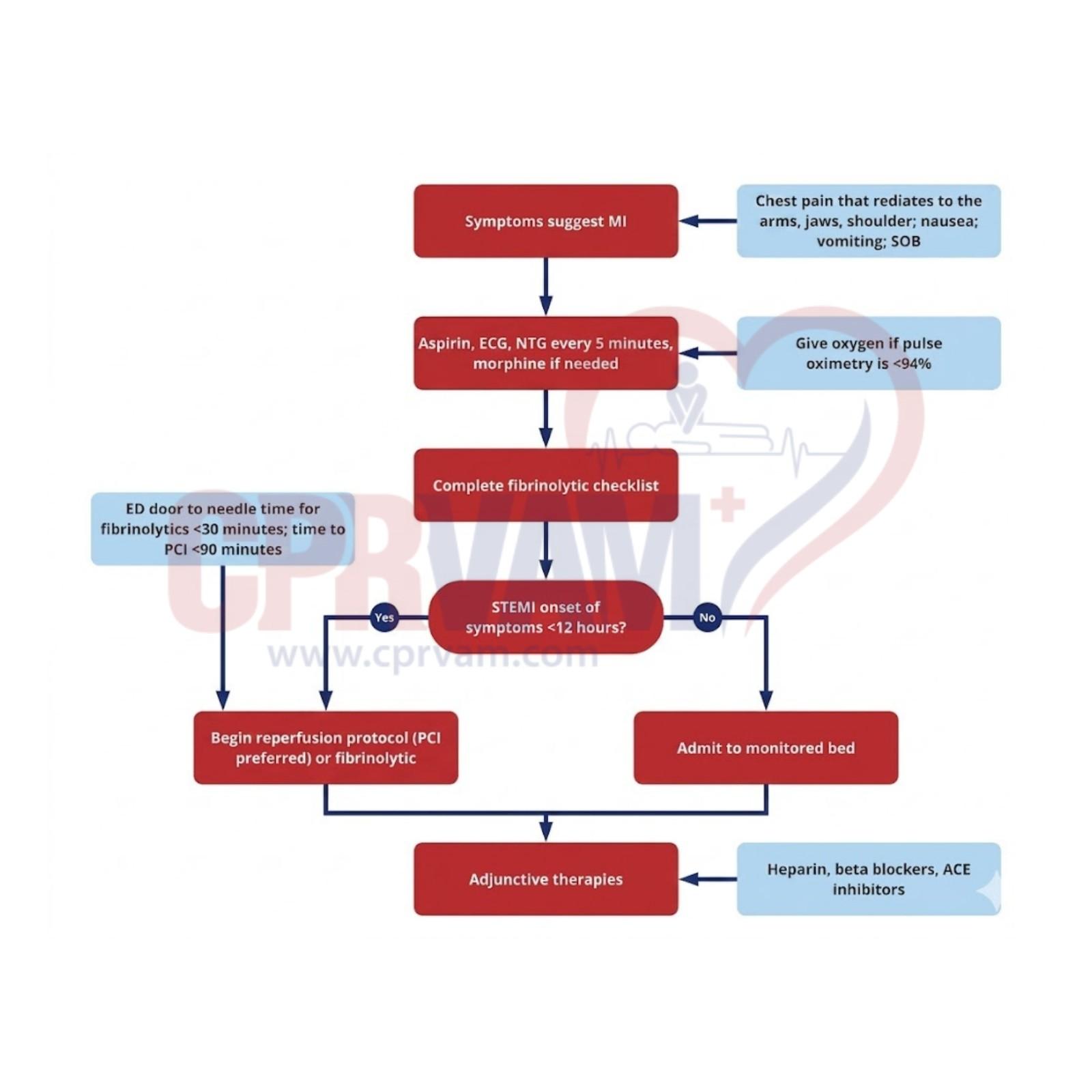
ACLS acute coronary syndrome algorithm steps for emergency care and treatment

The most frequent symptom of Acute Coronary Syndrome (ACS) is chest pain, which often leads patients to the emergency medical department. The ACLS Acute Coronary Syndrome (ACS) algorithm is designed to help healthcare providers quickly assess and manage these situations.

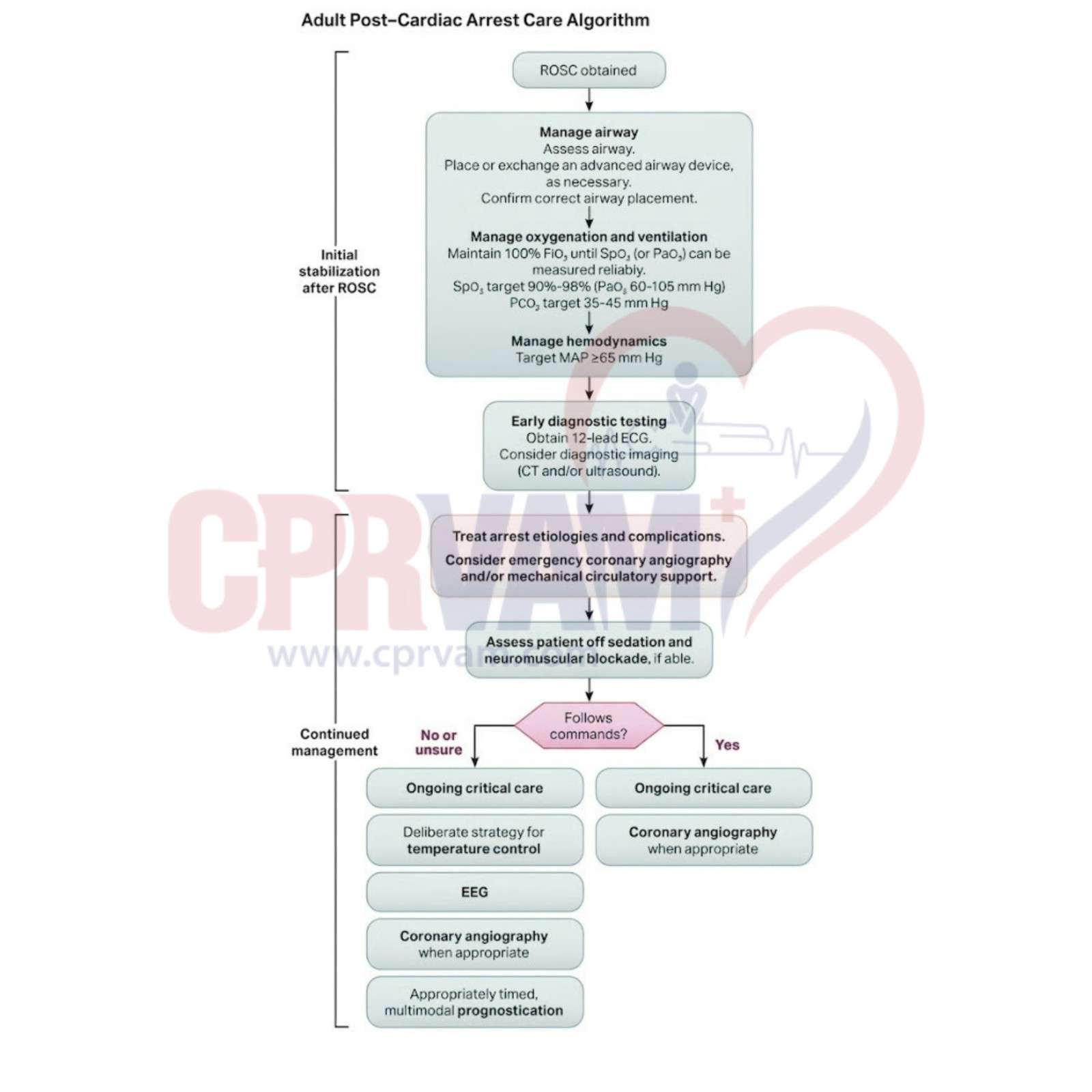
Adult post-cardiac arrest care algorithm flowchart

The Adult Post–Cardiac Arrest Care Algorithm provides a structured, evidence-based approach after ROSC, focusing on immediate stabilization, airway and hemodynamic support, controlled oxygenation, temperature management, and neurological monitoring. It ensures rapid identification and treatment of underlying causes, improves brain protection, and enhances survival and long-term neurological recovery outcomes in critical patients.

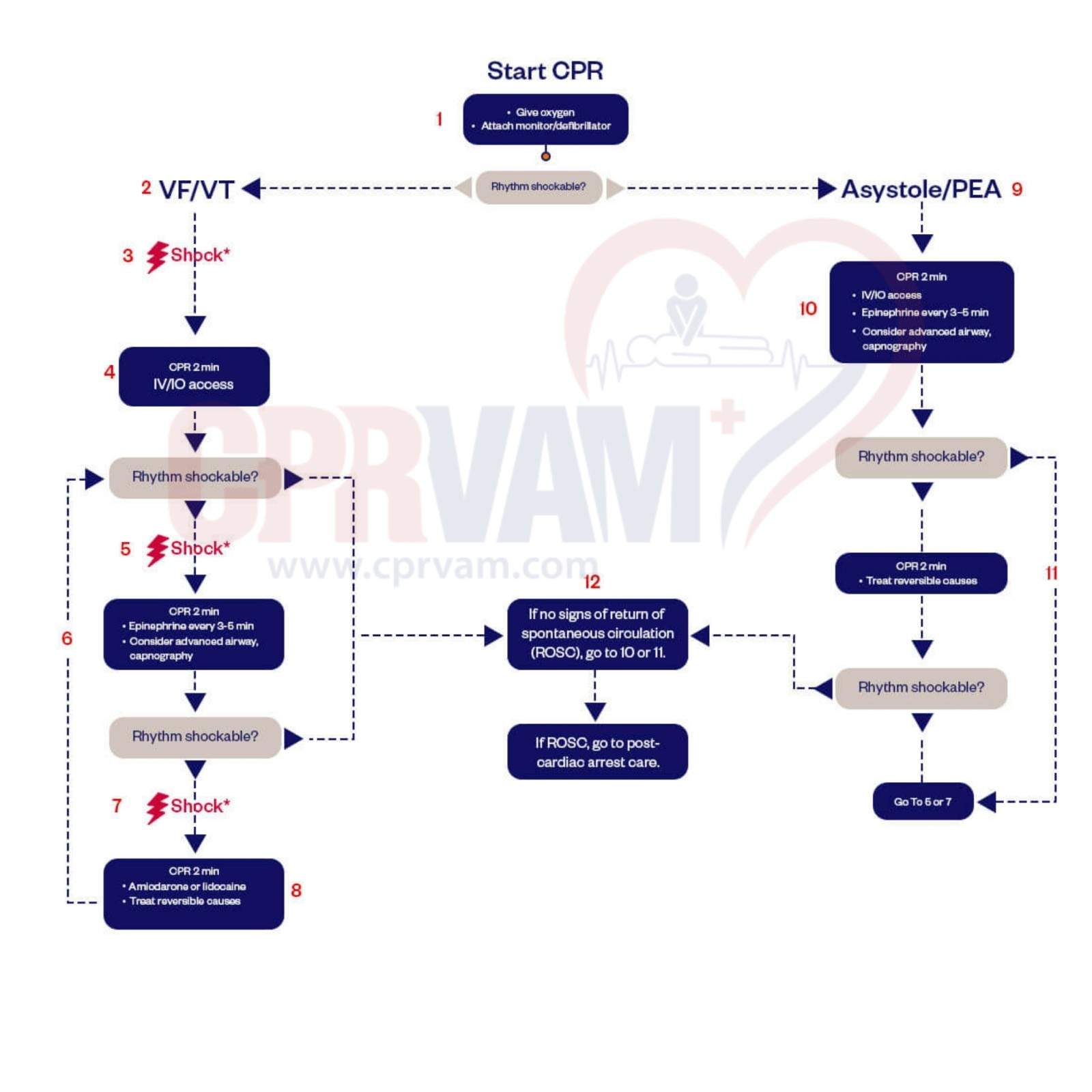
Flowchart showing adult cardiac arrest algorithm

Advanced Cardiovascular Life Support (ACLS) is a set of flowcharts used by healthcare professionals to guide management of cardiac arrest, severe arrhythmias, and stroke. Some key algorithms include: cardiac arrest, bradycardia, tachycardia, acute coronary syndromes, and post-cardiac arrest care. This algorithm helps to handle critical situations effectively.


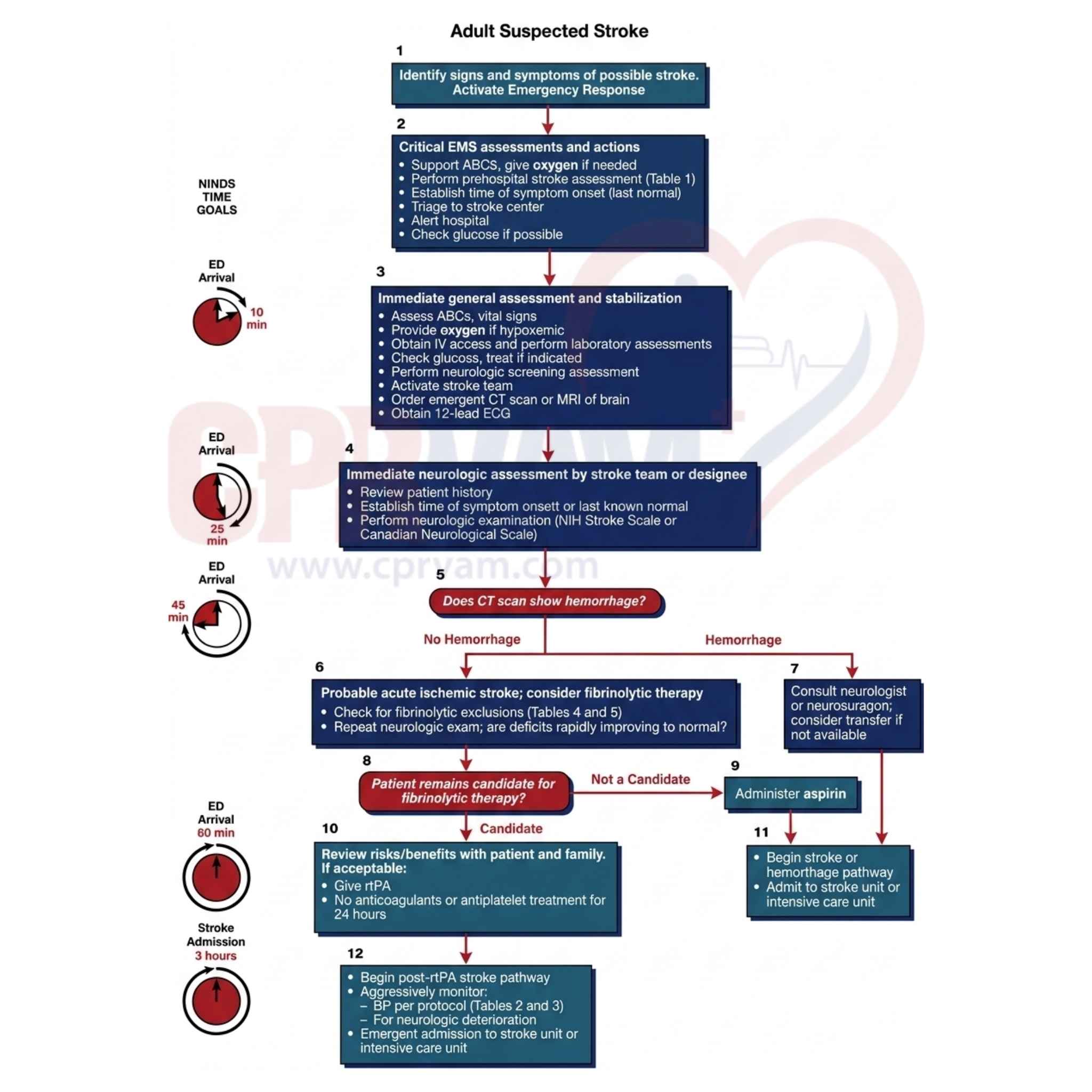
Adult suspected stroke algorithm

Advanced Cardiovascular Life Support (ACLS) is a set of flowcharts used by healthcare professionals to guide management of cardiac arrest, severe arrhythmias, and stroke. Some key algorithms include: cardiac arrest, bradycardia, tachycardia, acute coronary syndromes, and post-cardiac arrest care. This algorithm helps to handle critical situations effectively.

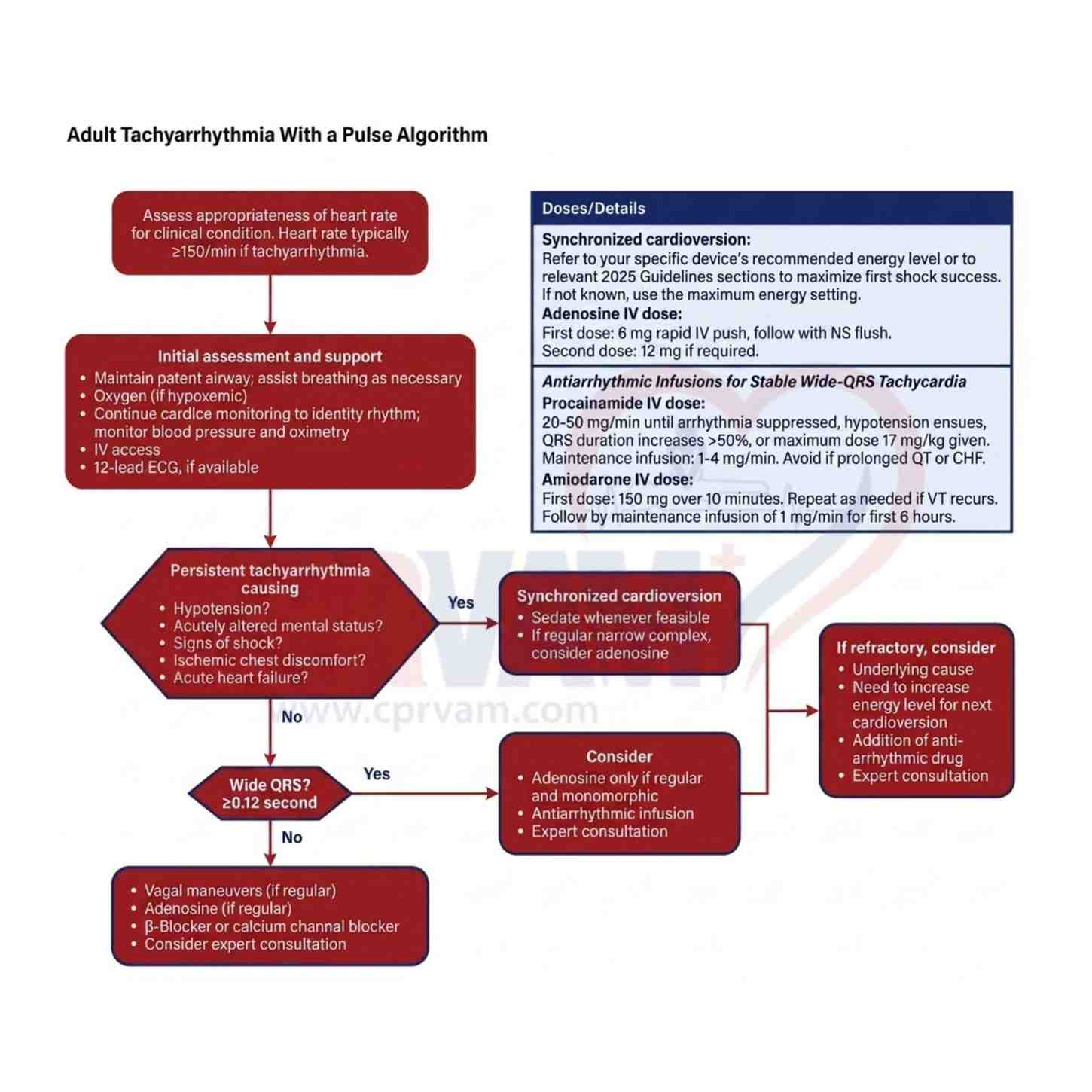
Adult tachycardia with pulse algorithm step-by-step guide

Adult Tachyarrhythmia With a Pulse Algorithm is part of the Advanced Cardiovascular Life Support (ACLS) guidelines used by healthcare professionals to manage patients with rapid heart rhythms (tachyarrhythmias) who still have a pulse. This includes conditions such as unstable or stable tachycardia with a heartbeat present. The algorithm helps guide assessment, identification of stability, and appropriate treatment steps to manage the rhythm effectively in emergency situations.

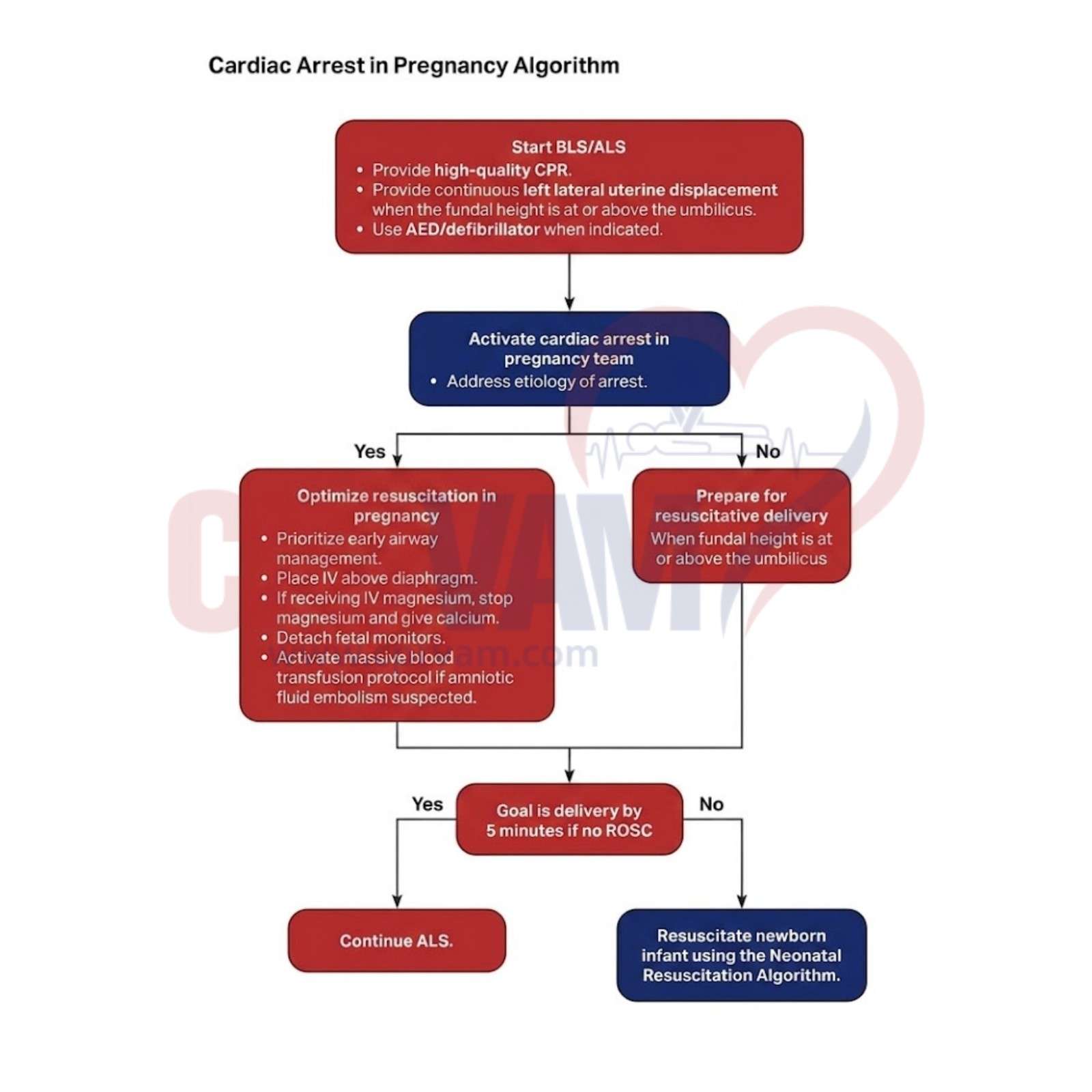
Cardiac arrest in pregnancy algorithm diagram

Cardiac arrest in pregnancy requires modified ACLS with immediate high-quality CPR, left uterine displacement, early airway management, defibrillation, and reversible cause treatment. If no ROSC, perform perimortem cesarean within 4-5 minutes. Multidisciplinary teamwork improves survival for mother and baby outcomes.

In life-threatening cardiovascular emergencies, ACLS provides structured guidance for healthcare providers to deliver prompt, evidence-based care. Its protocols enable rapid stabilization, support circulation, and enhance patient survival during critical events.

Key Scenarios for ACLS Use:

  • Cardiac Arrest Rhythms: Ventricular fibrillation (VF), pulseless ventricular tachycardia (pVT), asystole, pulseless electrical activity (PEA)

  • Unstable Arrhythmias: Symptomatic bradycardia with hypotension, tachycardia with shock signs

  • Acute Coronary Syndromes: ST-elevation myocardial infarction (STEMI), non-ST-elevation myocardial infarction (NSTEMI)

  • Stroke Care: Rapid neurological assessment and urgent reperfusion interventions

  • Post-Arrest Management: Targeted temperature control, oxygen optimization, and perfusion support

The 2025 AHA ACLS Guidelines refine protocols using the latest evidence in resuscitation science to improve patient survival and team performance during cardiac emergencies. These updates focus on high-quality CPR, precise interventions, optimized human factors, and structured team dynamics.

The following highlights the most significant changes:

Enhancements to Adult Cardiac Arrest Algorithms

Protocols now minimize interruptions in chest compressions and promote early defibrillation for shockable rhythms. Updates also clarify epinephrine timing, use of capnography to monitor CPR quality and return of spontaneous circulation (ROSC), and post-arrest care improvements.

Airway and Rhythm Management

Guidelines refine advanced airway strategies, ventilation rates, and hyperventilation prevention. Bradycardia and tachycardia protocols provide clearer guidance on pharmacologic escalation, pacing, and cardioversion timing for stable versus unstable rhythms.

Team Dynamics and Human Factors

Greater emphasis is placed on closed-loop communication, defined team leader roles, and crew resource management, reducing errors and enabling smoother, safer care during high-stress resuscitations.

Pharmacology and Training Updates

Medication timing for epinephrine, amiodarone, and other key drugs is clarified, and training now incorporates updated megacodes, real-time feedback, and simulation exercises to enhance provider readiness for real-world cardiac emergencies.

A systematic approach to Advanced Cardiovascular Life Support (ACLS) ensures that healthcare providers manage cardiac emergencies efficiently and in line with the 2025 AHA Guidelines. This structured framework prioritizes rapid assessment, high-quality CPR, and identification of reversible causes to optimize patient survival and neurological outcomes.

Primary Assessment

  • Airway: Confirm airway patency using head-tilt-chin-lift or jaw-thrust. Consider advanced airway management if required.

  • Breathing: Assess adequacy, provide oxygen or ventilation, and monitor SpO₂ and capnography.

  • Circulation: Check pulses, monitor blood pressure and heart rate, initiate chest compressions and defibrillation as needed, and manage shock or arrhythmias.

  • Disability: Evaluate neurological status, AVPU responsiveness (Alert, Voice, Pain, Unresponsive), pupils, and blood glucose.

  • Exposure: Examine for injuries, hypothermia, or other conditions, and prevent heat loss with blankets or warming devices.

Secondary Assessment

  • History (SAMPLE): Gather details on Symptoms, Allergies, Medications, Past medical history, Last meal, and Events leading to the emergency.

  • Head-to-Toe Examination: Identify trauma, surgical scars, medical alerts, or other physical signs of underlying pathology.

  • Reversible Causes (H’s and T’s): Systematically evaluate for hypoxia, hypovolemia, acidosis, hypo/hyperkalemia, hypothermia, toxins, tamponade, tension pneumothorax, thrombosis, and trauma.

  • Monitoring & Reassessment: Continuously track vital signs, cardiac rhythm, oxygenation, and urine output. Adjust interventions based on patient response.

  • Targeted Interventions: Apply specific ACLS algorithms and treatments tailored to the identified conditions, ensuring optimized outcomes.

Initial & Renewal Certification ($150 - $280)

Effective management of cardiac arrest requires rapid recognition and correction of reversible causes. The H’s and T’s framework offers a systematic, evidence-based approach to identify critical conditions that can be treated immediately to improve survival and neurological outcomes.

The 5 H’s

  1. Hypoxia: Insufficient oxygen delivery, corrected with high-flow oxygen or assisted ventilation.

  2. Hypovolemia: Significant fluid loss managed by rapid intravenous fluid replacement.

  3. Hydrogen ions (Acidosis): Metabolic acidosis is addressed with sodium bicarbonate as indicated.

  4. Hypo-/Hyperkalemia: Abnormal potassium levels treated with electrolyte therapy such as calcium, insulin-glucose, or bicarbonate.

  5. Hypothermia: Core temperature <35°C managed with active rewarming, blankets, and warmed IV fluids.

The 5 T’s

  1. Toxins: Drug overdoses or poisoning managed with specific antidotes or supportive care.

  2. Tamponade (Cardiac): Accumulation of fluid around the heart requiring pericardiocentesis.

  3. Tension Pneumothorax: Air in the pleural space causing lung collapse, treated with emergency needle decompression.

  4. Thrombosis (Pulmonary): Pulmonary embolism treated with thrombolytic therapy during arrest.

  5. Thrombosis (Coronary): Acute myocardial infarction addressed with emergency angioplasty or clot-busting medications.

This structured approach ensures that healthcare providers quickly address underlying causes, improving the chances of return of spontaneous circulation (ROSC) and patient survival.

In Advanced Cardiovascular Life Support, several medications play critical roles in managing cardiac emergencies. These drugs help correct arrhythmias, support circulation, and treat electrolyte imbalances. Proper selection, timing, and dosing are essential for optimizing patient outcomes during resuscitation.
Drug Class / Type Primary Use Recommended Dosage
Adenosine Antiarrhythmic (Class V) Termination of stable narrow-complex supraventricular tachycardia (SVT) 1st dose: 6 mg IV rapid push; 2nd dose: 12 mg IV rapid push if no response within 1-2 minutes
Epinephrine Catecholamine (α- and β-adrenergic agonist) Cardiac arrest (all rhythms), symptomatic bradycardia unresponsive to atropine or pacing Arrest: 1 mg IV/IO every 3-5 minutes; Bradycardia: infusion 2-10 mcg/min
Amiodarone Antiarrhythmic (Class III) VF/pulseless VT unresponsive to CPR/defibrillation; stable wide-complex tachycardia Arrest: 300 mg IV/IO bolus, may repeat 150 mg; Non-arrest: 150 mg over 10 minutes
Atropine Anticholinergic Symptomatic bradycardia, especially vagally mediated or AV nodal block 1 mg IV every 3-5 minutes; max total dose 3 mg
Lidocaine Antiarrhythmic (Class IB) Alternative to amiodarone for refractory VF/pulseless VT 1-1.5 mg/kg IV bolus; may repeat 0.5-0.75 mg/kg (max cumulative 3 mg/kg)
Dopamine Catecholamine (dopaminergic + α/β agonist) Symptomatic bradycardia unresponsive to atropine and pacing Infusion: 5-20 mcg/kg/min, titrated to response
Magnesium Sulfate Electrolyte / Antiarrhythmic Torsades de Pointes, hypomagnesemia, digoxin toxicity Torsades: 1-2 g IV over 5-60 minutes; Arrest with hypomagnesemia: 1-2 g IV/IO

The AHA ACLS Algorithm provides healthcare providers with a structured, step-by-step framework to manage life-threatening cardiovascular emergencies. Following these evidence-based protocols, responders can deliver high-quality care, rapidly assess patients, implement timely interventions, and continuously evaluate outcomes, improving survival and minimizing complications.

Mastery of ACLS protocols, identification of reversible causes, and correct medication administration are essential for saving lives. Maintaining certification ensures ongoing readiness, skill proficiency, and confidence in critical situations. For hands-on training and comprehensive knowledge, joining the CPR VAM Training Center can further strengthen your abilities and preparedness in advanced cardiac life support.


The ACLS Algorithm is a set of step-by-step guidelines from the American Heart Association to help healthcare providers treat serious heart problems like cardiac arrest, stroke, and arrhythmias. It ensures quick, effective, and organized emergency care.

It gives a clear path to follow during life-threatening emergencies, helping responders act fast and avoid mistakes. This can greatly improve a patient’s chance of survival.

Doctors, nurses, paramedics, and other healthcare professionals who respond to cardiac emergencies should learn it. It’s also useful for anyone in advanced life support roles.

ACLS skills and certifications usually need renewal every 2 years. Regular practice is important to keep your skills sharp and ready for real emergencies

ABC refers to Airway, Breath, and Circulation. It’s a common term used by healthcare providers to remember the initial assessment.