

Cardiopulmonary resuscitation (CPR) is a life-saving emergency procedure used when someone’s heart or breathing has stopped. Over the years, CPR guidelines have evolved to improve survival rates and make it easier for both trained responders and bystanders to act quickly. One important change you may have noticed is the shift from the traditional ABC approach to the newer CAB method, which places a stronger emphasis on immediate action.
CAB in CPR stands for Compressions, Airway, and Breathing. This approach prioritizes chest compressions first to maintain blood flow to vital organs, especially the brain and heart. Starting with compressions, rescuers can reduce delays and deliver oxygen-rich blood where it is needed most, even before rescue breaths are given.
This blog explains what CAB is in CPR, why it replaced ABC, when to use it, and how to perform CAB CPR step by step to help you respond confidently in an emergency.
What Is CAB in CPR?
It is the current sequence recommended by the American Heart Association (AHA) for performing CPR on adults. The focus is on starting chest compressions immediately to maintain blood circulation, followed by opening the airway and giving rescue breaths. This approach replaced the older ABC (Airway, Breathing, Compressions) sequence to prioritize circulation first, which increases the chances of survival in cardiac arrest situations.
Here’s the basic breakdown:
C – Compressions: Push hard and fast on the center of the chest to keep blood flowing to the brain and heart.
A – Airway: Open the airway using the head-tilt, chin-lift method.
B – Breathing: Give rescue breaths while watching for chest rise.
CAB is especially important for adult cardiac arrest, where immediate circulation can be more critical than initial breaths.
Why Did CPR Guidelines Shift from ABC to CAB?
In 2010, the American Heart Association updated CPR guidelines, changing the sequence from ABC (Airway, Breathing, Compressions) to CAB (Compressions, Airway, Breathing) for adults, children, and infants. Previously, rescuers opened the airway and gave breaths before compressions. However, research showed that delaying chest compressions reduced blood flow to the brain and heart. The CAB approach prioritizes immediate compressions, improving survival rates and reducing hesitation in bystander CPR.
Key reasons for the shift to CAB (Compressions, Airway, Breathing):
Circulation First: Starting with chest compressions maintains oxygenated blood flow immediately.
Faster Response: Rescuers act quickly without hesitation, increasing the victim’s chances of survival.
Simplicity: The CAB approach is easier for laypeople to remember and apply during high-stress situations.
Evidence-Based: Studies showed that early compressions improve survival rates more than early breaths in adult cardiac arrests.
In short, CAB emphasizes life-saving chest compressions first, making CPR more effective and efficient in critical emergencies.
What Are the Step-by-Step Procedures for Performing CAB CPR?
The CAB sequence in CPR provides a structured and evidence-based approach to responding to cardiac emergencies. CAB prioritizes restoring blood circulation before supporting the airway and breathing.
Below is a detailed step-by-step explanation of how CAB CPR is performed:
Step 1: Ensure the Scene Is Safe and Check Responsiveness
Before performing CPR, the priority is to ensure the scene is safe for both you and the victim. Check the surroundings for potential hazards such as fire, traffic, electrical risks, or unstable structures. Ensuring safety helps prevent further injuries and allows you to focus on providing effective emergency care.
Next, check the person for responsiveness by tapping them firmly on the shoulder and asking loudly if they are okay. Observe their breathing and movement; occasional gasping is not normal and indicates a medical emergency. If the person is unresponsive and not breathing normally, call emergency medical services immediately. If others are nearby, ask them to call for help and bring an Automated External Defibrillator (AED) if available, as it can significantly improve the chances of survival.
Step 2: C – Begin Chest Compressions
C in the C.A.B. sequence represents chest compression, which is the most critical first step in CPR. Chest compressions help maintain blood flow to vital organs such as the brain and heart. Performing compressions immediately increases the chances of survival during cardiac arrest by keeping oxygenated blood circulating until professional help arrives. This step takes priority over airway and breathing because circulation is essential to prevent organ damage.
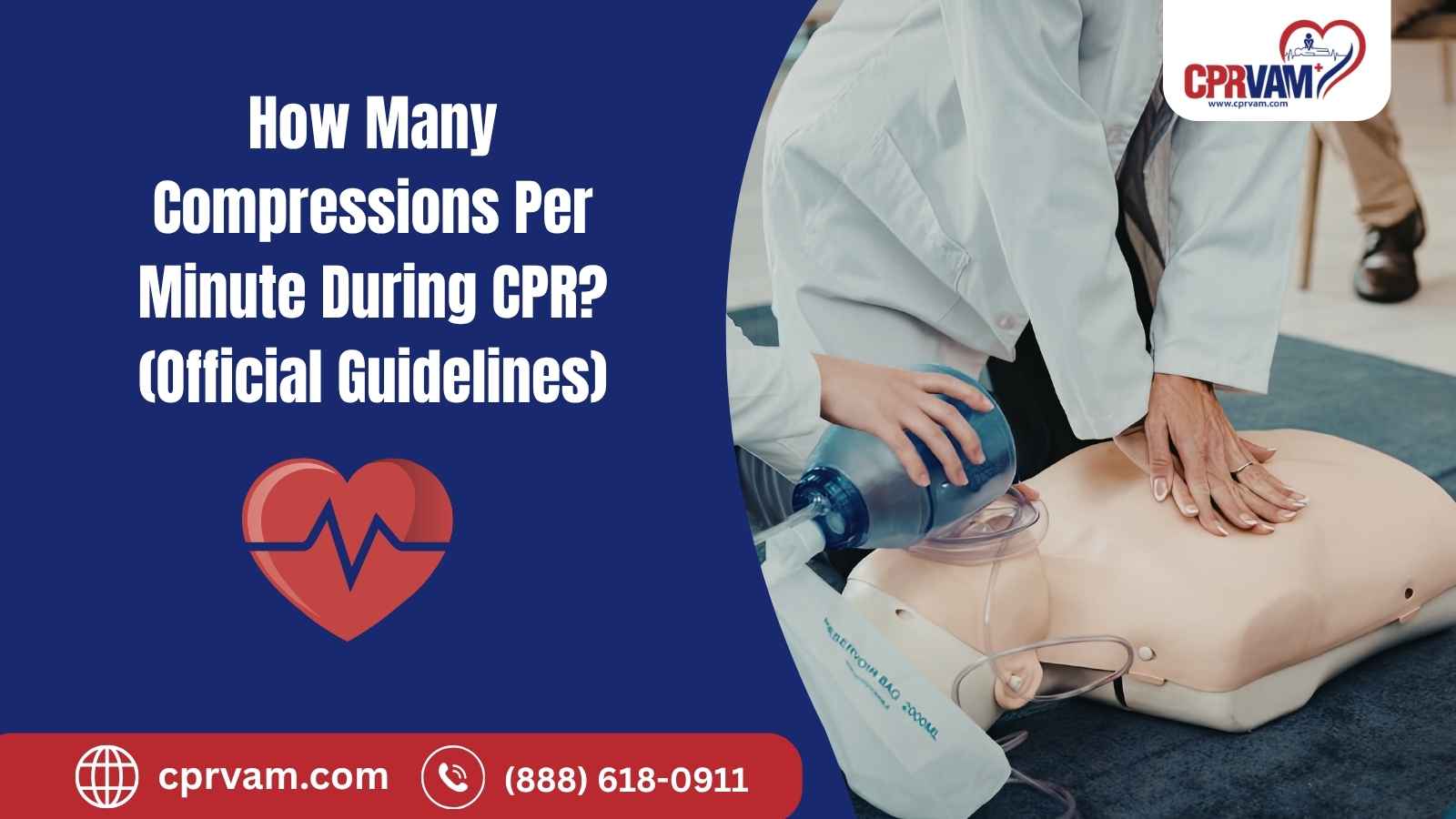
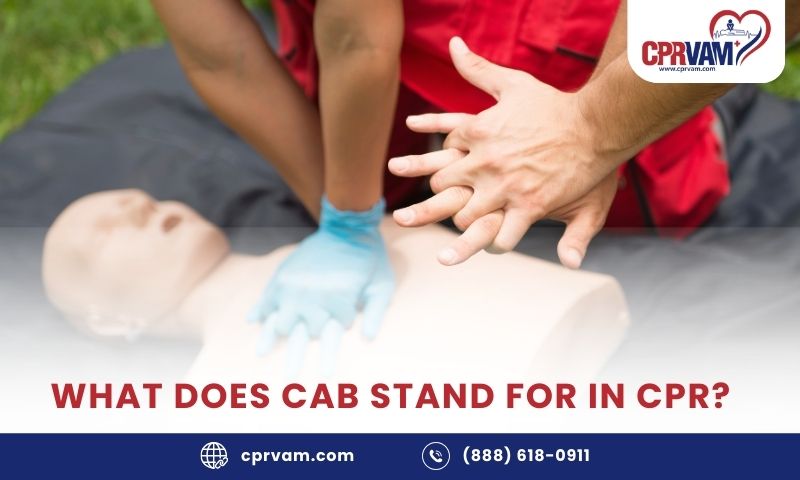
To perform chest compressions, place the person on a firm, flat surface and kneel beside their chest. Position the heel of one hand in the center of the chest on the breastbone, place your other hand on top, and interlock your fingers. Keep your arms straight and shoulders aligned over your hands. Push hard and fast at a rate of 100-120 compressions per minute, allowing the chest to fully recoil after each push. Compression depth should be about 2 inches (5 cm) for adults, 2 inches for children, and 1.5 inches (4 cm) for infants. Complete 30 compressions before moving to the next step.
Step 3: A – Open the Airway
After completing chest compressions, the next step in the CAB sequence is to open the airway so that oxygen can reach the lungs. This step is essential because, even with compressed blood, the body still needs oxygen to prevent organ damage. Opening the airway ensures that rescue breaths, when given, can effectively deliver oxygen to the lungs and bloodstream.
To open the airway, place one hand on the person’s forehead and gently tilt the head backward. With your other hand, use two fingers to lift the chin upward. This head-tilt, chin-lift technique helps prevent the tongue from blocking the airway and creates a clear passage for air. Ensuring the airway is open properly is crucial before moving on to provide rescue breaths.
Step 4: B – Provide Rescue Breaths
Once you open the airway, the next step in the CAB sequence is to provide rescue breaths. Rescue breaths supply oxygen to the lungs and help support circulation during CPR, complementing the chest compressions. This step ensures that oxygen reaches the blood, which is critical for keeping vital organs, especially the brain and heart, functioning during cardiac arrest.
To give rescue breaths, first pinch the person’s nose closed and create a seal by placing your mouth over theirs. Deliver one breath lasting about one second and watch for the chest to rise, indicating that the air has entered the lungs. After the first breath, provide a second breath in the same manner. Properly timed and effective rescue breaths, combined with compressions, significantly improve the victim’s chances of survival.
Step 5: Continue the CAB CPR Cycle
After completing one cycle of chest compressions and rescue breaths, it is important to continue the CAB CPR cycle without interruption. The standard pattern is 30 chest compressions followed by 2 rescue breaths, repeated continuously. Maintaining this rhythm helps keep oxygenated blood circulating and maximizes the chances of survival until professional help arrives.
Continue performing CPR until one of the following occurs: emergency medical professionals arrive on the scene, the person shows clear signs of recovery, such as movement or normal breathing, an Automated External Defibrillator (AED) becomes available to use, or you are physically unable to continue due to exhaustion. Consistent and uninterrupted CPR is critical, as even brief pauses in compressions can reduce the effectiveness of the procedure.
Step 6: Use an Automated External Defibrillator (AED) When Available
If an Automated External Defibrillator (AED) is available, it should be used as soon as possible, as it can help restore a normal heart rhythm during certain cardiac emergencies. Using an AED increases the victim’s chances of survival, especially when combined with ongoing CPR.
To use the AED, turn it on and carefully follow the audio or visual instructions. Attach the electrode pads to the person’s bare chest as indicated, ensuring proper placement. Make sure no one is touching the victim while the AED analyzes the heart rhythm or delivers a shock. After the shock is delivered, or if no shock is advised, resume CPR immediately and continue following the AED prompts until emergency responders arrive or the person shows signs of recovery.
When Should You Use CAB CPR?
The CAB (Compressions, Airway, Breathing) sequence is primarily used during adult cardiac emergencies when someone is unresponsive and not breathing normally. Knowing when to apply CAB is crucial for effective life-saving intervention.
Situations to Use CAB CPR:
Sudden Cardiac Arrest
When an adult collapses unexpectedly and shows no signs of life (unresponsive, not breathing normally).Heart Attack Leading to Unconsciousness
If a person becomes unresponsive due to a heart attack, CAB CPR helps maintain blood circulation until help arrives.Drowning or Electrocution (Adults)
In adult victims of drowning or electrical shock who are unresponsive and not breathing, compressions come first to restore circulation.No Immediate Help Available
CAB is especially critical when emergency medical services are not immediately on the scene, as starting compressions quickly improves survival odds.
Important Note: CAB CPR is recommended for adults, while pediatric or infant CPR may have slight modifications, but chest compressions are still a priority. Always call emergency services immediately before starting CPR.
Why Is Learning CAB Important?
Learning the CAB (Compressions, Airway, Breathing) sequence is essential because it equips you with the knowledge and skills to act quickly and effectively during life-threatening emergencies.
Here’s why it matters:
Saves Lives
CAB emphasizes immediate chest compressions, which maintain blood flow to the brain and vital organs, significantly increasing survival chances during cardiac arrest.Reduces Risk of Further Harm
Proper application of CAB ensures that the victim is moved and treated safely, minimizing injury while providing critical support.Builds Confidence in Emergencies
Knowing the sequence helps both trained professionals and bystanders remain calm, act decisively, and perform CPR correctly under pressure.Enhances Readiness for Real Situations
Emergencies are unpredictable. Learning CAB prepares you to respond anywhere, from home and work to public spaces, before professional help arrives.Standardized, Evidence-Based Approach
CAB is recommended by the American Heart Association (AHA), making it a trusted and authoritative life-saving method.
Key Takeaway: Mastering CAB CPR isn’t just about knowledge; it’s about being ready to save a life when seconds matter.
CPR and CAB Training for Lifesaving Skills
Understanding what CAB stands for in CPR and how to apply it correctly can make a critical difference in emergencies. By prioritizing chest compressions, followed by airway management and breathing support, the CAB approach ensures that oxygen-rich blood continues to flow to vital organs when it matters most. Learning and practicing CAB CPR builds confidence, encourages quick action, and aligns with evidence-based guidelines that improve survival rates. Whether you are a healthcare professional or a concerned bystander, being trained in CAB CPR empowers you to respond effectively and potentially save a life when every second counts.
To truly be ready, formal CPR training is essential. Getting trained ensures you not only understand CAB techniques but can apply them correctly under pressure. CPR VAM provides American Heart Association (AHA)–approved BLS, PALS, and ACLS courses, designed for healthcare professionals and the general public alike. With expert instructors, hands-on practice, and up-to-date AHA guidelines, CPR VAM stands out as one of the most trusted and effective CPR training providers.
Don’t wait for an emergency to realize the importance of training. Get AHA CPR certified with CPR VAM and gain the skills, confidence, and credentials needed to save lives.