In the United States, more than 350,000 people experience sudden cardiac arrest outside of the hospital each year. Yet fewer than half of the people receive CPR before emergency responders arrive. Imagine if your high school students were prepared to change this outcome. This isn’t just a possibility, but it’s an urgent necessity. When sudden cardiac arrest strikes, brain damage begins within just four minutes. Making immediate action critical, yet many bystanders hesitate or don’t know how to help.
Teaching CPR in high schools directly addresses this problem by equipping students with lifesaving skills and the confidence to act without hesitation. As a result, schools become safer environments and communities grow more prepared. Ultimately, ensuring that more people survive cardiac emergencies because trained young responders are ready to step in during those crucial first minutes.
This blog explores the importance of CPR in high schools, its key benefits, who should be trained, how schools can implement effective programs, the challenges of implementation, and the policies and laws supporting CPR education.
Why Should High School Students Learn CPR?
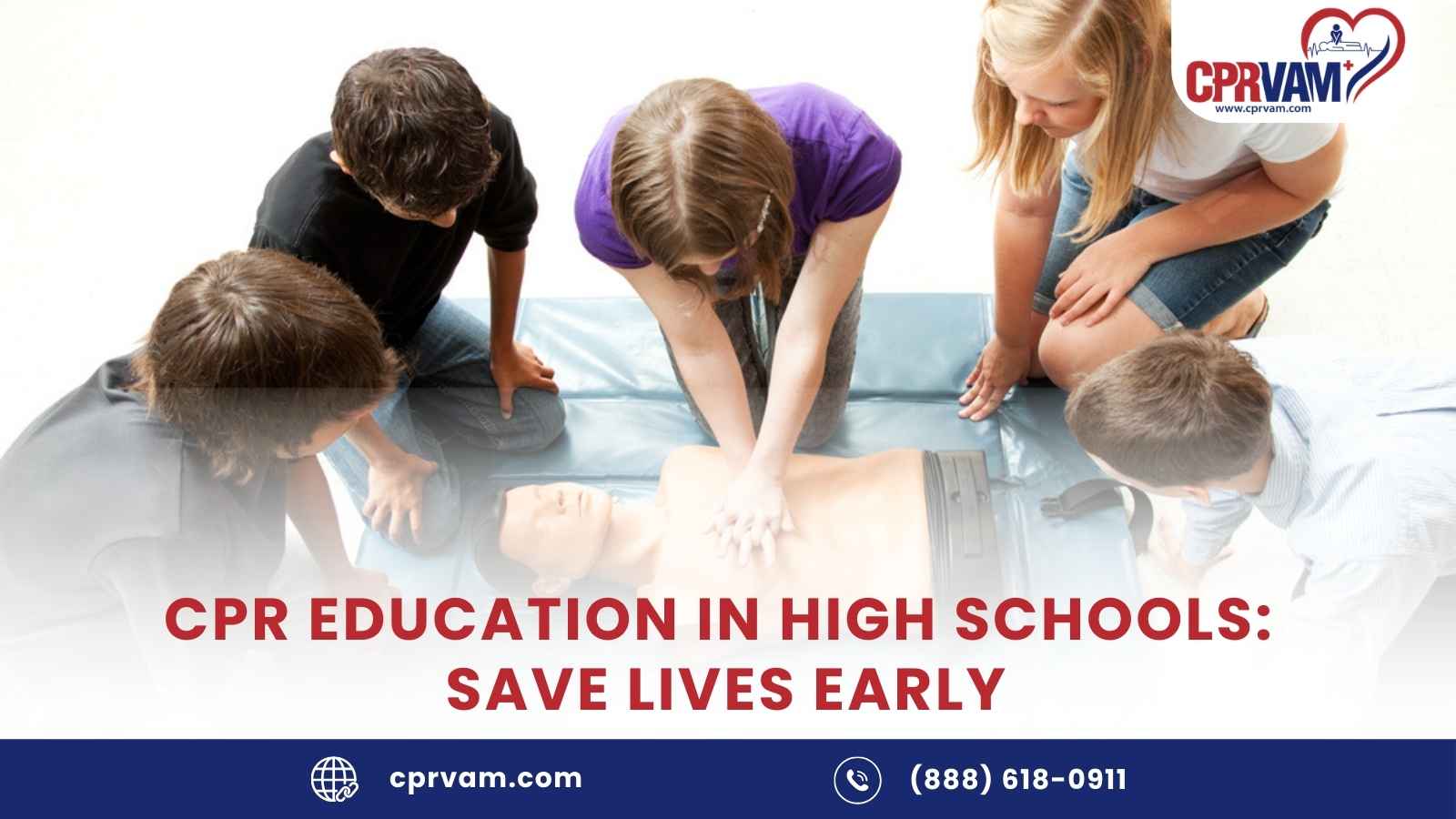
CPR education and training in high schools normalizes emergency response skills, making lifesaving actions instinctive and second nature for students. Students who learn CPR are more likely to:
React swiftly and confidently in emergencies, providing critical help before professional responders arrive.
Recognize cardiac arrest and operate an AED effectively, minimizing delays in critical interventions.
Develop practical emergency response skills that carry over into real-world situations, fostering confidence, responsibility, and resilience.
Learning CPR is similar to acquiring essential safety skills like swimming or riding a bike. Once learned, it becomes an automatic part of a student’s preparedness toolkit. This empowers them to respond confidently when it truly matters.
What are The Benefits of CPR Education in High Schools?
CPR education in high schools equips students with critical lifesaving skills they can use anywhere, anytime. It builds confidence, teaches quick decision-making under pressure, and fosters a sense of responsibility toward their community. Most importantly, it prepares young people to act decisively during cardiac emergencies when every second counts.
Here are the key benefits of CPR education in high schools:
1. Increased Survival Rates in Emergencies
Immediate CPR can dramatically increase the chances of survival after sudden cardiac arrest, sometimes doubling or tripling them. High school students trained in CPR expand the number of capable responders not just in schools, but also at home, sports events, and other community spaces.
Early intervention helps maintain blood flow to vital organs until professional help arrives, making every second count. With more students prepared to act, communities can reduce preventable deaths and improve overall emergency outcomes.
2. Enhanced Confidence and Empowerment for Students
Hands-on CPR training gives students the confidence to act quickly and decisively in emergencies. Practicing these skills regularly reduces hesitation and helps students respond calmly under pressure.
This confidence extends beyond medical situations, improving decision-making, leadership, and teamwork. Students become more proactive, responsible, and capable of handling challenges in all areas of life.
3. Lifelong Skills Beyond Emergency Response
CPR education teaches more than just chest compressions and rescue breaths. Students develop critical thinking, rapid decision-making, and problem-solving skills that apply to many real-world scenarios.
They also strengthen teamwork, communication, and a sense of community responsibility. These skills prepare students for future careers in healthcare, emergency services, or any profession requiring leadership and crisis management.
4. Prepared Teachers and School Staff for Emergencies
Educators, school nurses, and coaches trained in CPR can provide immediate help during school emergencies. Their preparedness ensures that students receive quick, effective care in classrooms, sports areas, or during extracurricular activities.
Having trained staff in schools enhances overall safety and gives students, parents, and the community peace of mind, knowing emergencies can be handled efficiently.
5. Stronger Community Preparedness
Students trained in CPR often share their knowledge with family and friends, spreading lifesaving skills beyond school walls. This effect increases overall awareness and readiness in the community.
Communities with more CPR-trained individuals are better equipped to respond to medical emergencies, reducing risks and strengthening public safety for everyone.
6. Improved Health Awareness and Prevention
Learning CPR also teaches students about cardiac health, risk factors, and warning signs of emergencies. Understanding how cardiac arrest occurs encourages students to adopt healthier lifestyle choices.
Early recognition of emergencies and preventive awareness can save lives, promoting long-term health-conscious habits and a proactive approach to personal and community well-being.
7. Equal Access to Lifesaving Skills
Integrating CPR into high school curricula ensures that all students, regardless of background or location, gain access to lifesaving knowledge. This creates equitable opportunities that optional programs often miss.
By providing standardized CPR education, schools equip every student with the skills needed to act in emergencies, fostering a safer environment and a more prepared generation.
Who Should Learn CPR in High School?
A safe and prepared school depends on having multiple members of the community ready to respond during emergencies. CPR training shouldn’t be limited to students and a few staff members-it should include everyone who interacts with students to ensure quick and effective intervention whenever a crisis occurs.
Here are the people who interact with students in high school.
School Nurses and Health Staff
Advanced CPR training equips school nurses to lead emergency responses and provide professional care when critical situations arise.PE Teachers and Coaches
CPR and AED training prepares PE teachers and coaches to respond immediately to cardiac emergencies during physical activities.Classroom Teachers and Administrators
Hands-Only CPR and AED skills enable teachers and administrators to act quickly in classrooms and common areas.Support Staff (Cafeteria Workers, Janitors, Bus Drivers)
Training support staff ensures immediate assistance is available in high-traffic areas where emergencies often occur.High School Students
Older students trained in CPR can serve as peer responders, enhancing school preparedness and promoting a lifesaving culture.
How Schools Can Implement Effective CPR Programs?
Implementing CPR training in schools is more straightforward than many administrators realize. With careful planning and the right resources, schools can equip students and staff with lifesaving skills while ensuring smooth program delivery. The key is breaking down the process into manageable steps that fit your school’s schedule and budget.
Here is how schools can implement effective CPR programs:
1. Choose Accredited Training Providers
Schools should partner with certified organizations like the American Heart Association or the Red Cross. Accredited providers ensure CPR training is safe, current, and evidence-based. Using qualified instructors guarantees that students and staff learn proper techniques and meet national standards for emergency preparedness.
2. Combine Hands-On Practice with Theory
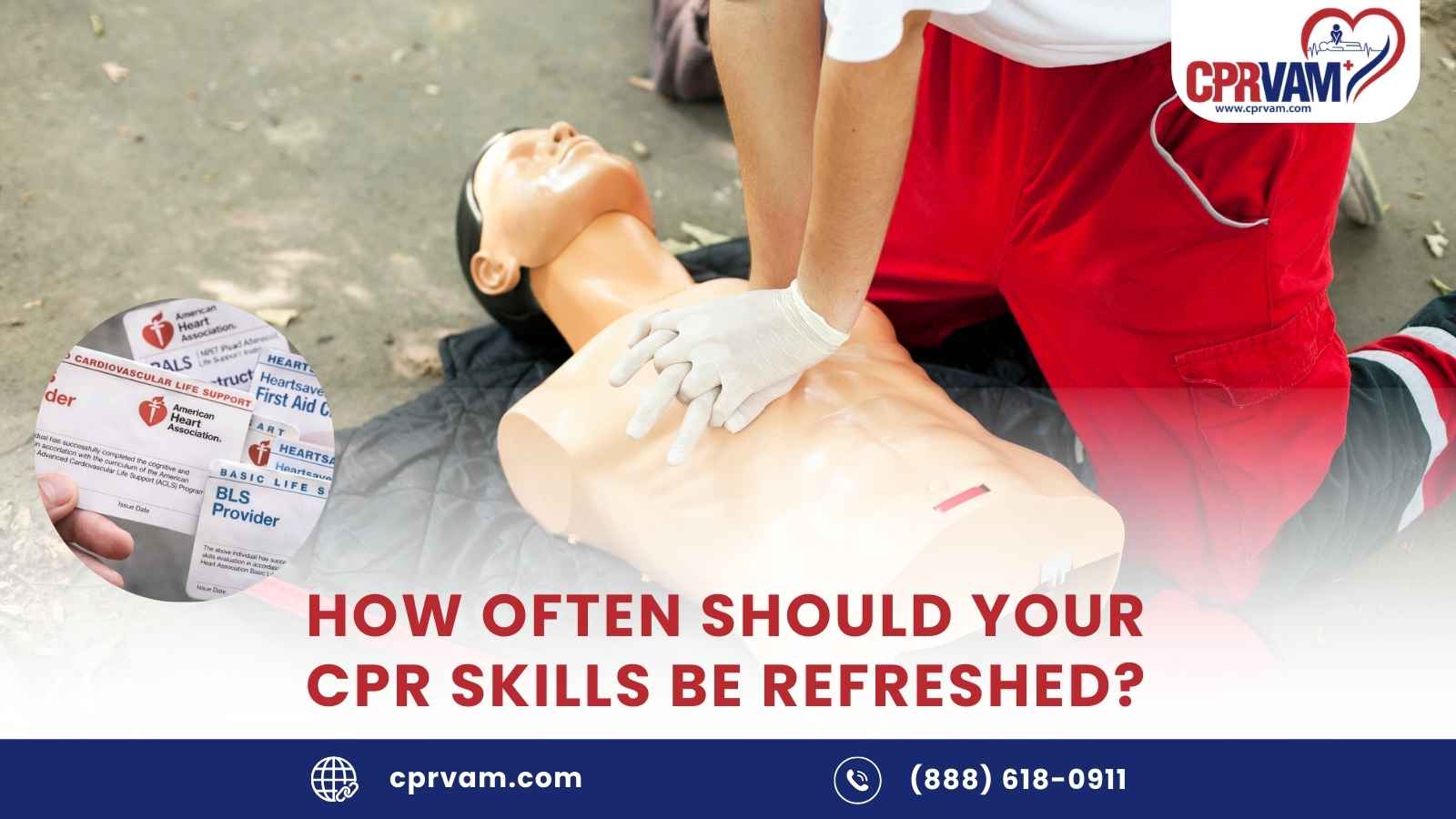
While online lessons teach CPR basics, practical experience with manikins and AEDs is essential. Hands-on practice lets students and staff rehearse compressions, rescue breaths, and emergency scenarios. This approach helps retain skills, build confidence, and ensures quick, correct responses during real-life cardiac emergencies.
3. Align Training with Roles (Tiered Approach)
Different school staff and students require tailored CPR levels. Nurses need advanced BLS, PE teachers need Heartsaver CPR/AED, and students benefit from Hands-Only CPR. This tiered training ensures each group is prepared to respond effectively according to their role in emergencies.
4. Plan Scheduling and Resources
Effective CPR programs need integration into school schedules with minimal disruption. Schools should allocate manikins, AED trainers, and learning materials, and partner with hospitals or organizations. Proper planning ensures training runs smoothly, is cost-effective, and reaches all students and staff efficiently.
5. Incorporate Regular Refreshers
CPR skills fade over time, so refresher sessions should be held annually or biannually. These sessions reinforce techniques, update participants on current guidelines, and maintain confidence. Regular practice ensures students and staff react quickly and correctly during emergencies, keeping the school prepared.
6. Establish Clear Emergency Protocols
Training is most effective with defined action plans. Schools must have procedures for calling 911, performing CPR, using AEDs, and coordinating with responders. Regular drills build confidence, reinforce proper steps, and ensure students and staff respond efficiently in real emergencies.
Combining accredited training, hands-on practice, role-based instruction, and clear emergency protocols, schools can implement CPR programs that truly prepare students and staff to act quickly and save lives.
What Policies and Laws Support CPR Education in U.S. High Schools?
CPR education in U.S. high schools is supported by state laws, federal initiatives, and national health organizations working together to ensure students gain lifesaving skills before graduation. Currently, 39 states and the District of Columbia require CPR instruction as a high school graduation requirement, typically mandating training in Hands-Only CPR and AED use through health or PE classes. Requirements vary by state-some require hands-on practice with manikins, while others accept video-based instruction-and many also mandate AED placement on campuses with trained staff ready to use them.
Federal support comes through the HEARTS Act (2020), which provides funding and guidance for schools to develop cardiac emergency response plans, purchase AEDs, and train students and staff. National organizations like the American Heart Association and American Red Cross further strengthen these efforts by offering free or low-cost training kits, instructor certification programs, and curriculum resources that meet state requirements. Together, these policies and partnerships make it easier for schools to implement high-quality, sustainable CPR programs while reducing financial and logistical barriers.
What Are the Challenges of Implementing CPR Education in Schools?
Despite strong legislative support, many schools face real obstacles when implementing CPR training programs. Understanding these challenges helps you develop practical solutions that make training accessible and sustainable.
Challenges of implementing CPR education in schools are as follows:
1. Funding and Equipment Costs
CPR training needs manikins, AED trainers, and supplies, which can be expensive. Limited school budgets make it hard to sustain programs. Grants and donations help, but securing consistent funding for equipment and ongoing training remains a major challenge.
2. Lack of Certified Instructors
Finding qualified CPR instructors is difficult for many schools. Hiring external trainers costs time and money, and rural schools may have limited access. Without certified instructors, it’s challenging to provide effective training and ensure students and staff are properly prepared.
3. Curriculum Integration and Scheduling
Schools face difficulty fitting CPR training into crowded academic schedules. Balancing lessons, testing, and hands-on practice is challenging. While some include CPR in health or PE classes, others struggle to provide sufficient time for practical training without disrupting regular coursework.
4. Instructor Turnover and Recertification
CPR instructor certifications expire every two years, requiring retraining and additional costs. When trained teachers leave, schools must replace them with new certified staff. Continuous turnover creates resource demands, making it harder to maintain a consistent, high-quality CPR education program.
5. Varying State Requirements
State regulations on CPR training differ widely. Some require hands-on practice, others allow online-only instruction. These inconsistencies create confusion for schools trying to follow best practices, making it challenging to meet legal standards while providing effective and standardized CPR education.
Empowering Tomorrow’s Lifesavers Today
CPR education in high schools transforms students into confident responders who can save lives when seconds matter most. While building critical skills like leadership, decision-making, and civic responsibility, they’ll carry throughout life. Despite implementation challenges, strong legislative support and organizational partnerships make sustainable programs achievable. Prioritizing CPR education today, you’re empowering tomorrow’s lifesavers and creating a culture where no one hesitates to act in an emergency.
To ensure you are fully prepared for medical emergencies, hands-on training is essential. CPR VAM provides American Heart Association–approved ACLS, PALS, and BLS courses led by certified instructors, combining expert guidance with practical, real-world training. Practice essential lifesaving techniques, gain confidence, and become a reliable responder capable of making a difference.
Enroll in CPR VAM today and be prepared to save lives when every second counts.
FAQs About the Benefits of CPR in High Schools
1: Do Schools Need Equipment for CPR Training??
CPR education equips students with the skills and confidence to act immediately in life-threatening situations. Early intervention in cardiac arrest or choking incidents can significantly improve survival outcomes.
2: What Does CPR Training in School Include?
Training includes hands-on practice in high-quality CPR, AED use, choking response, and the recovery position. Students learn to respond calmly and efficiently to real-life emergencies.
3: Should Teachers Also Receive CPR Training?
Absolutely. Trained teachers provide immediate assistance during emergencies, model responsible behavior, and ensure a safer learning environment for all students.
4: How Often Should Students Practice CPR?
Regular practice, every 4–6 months during refresher courses, helps retain skills, maintain confidence, and improve response efficiency during emergencies.
5: What is The Long-Term Impact of High School CPR Education?
Students trained in CPR contribute to a safer community, promote health literacy, and are more likely to engage in lifesaving interventions in their personal and professional lives.