
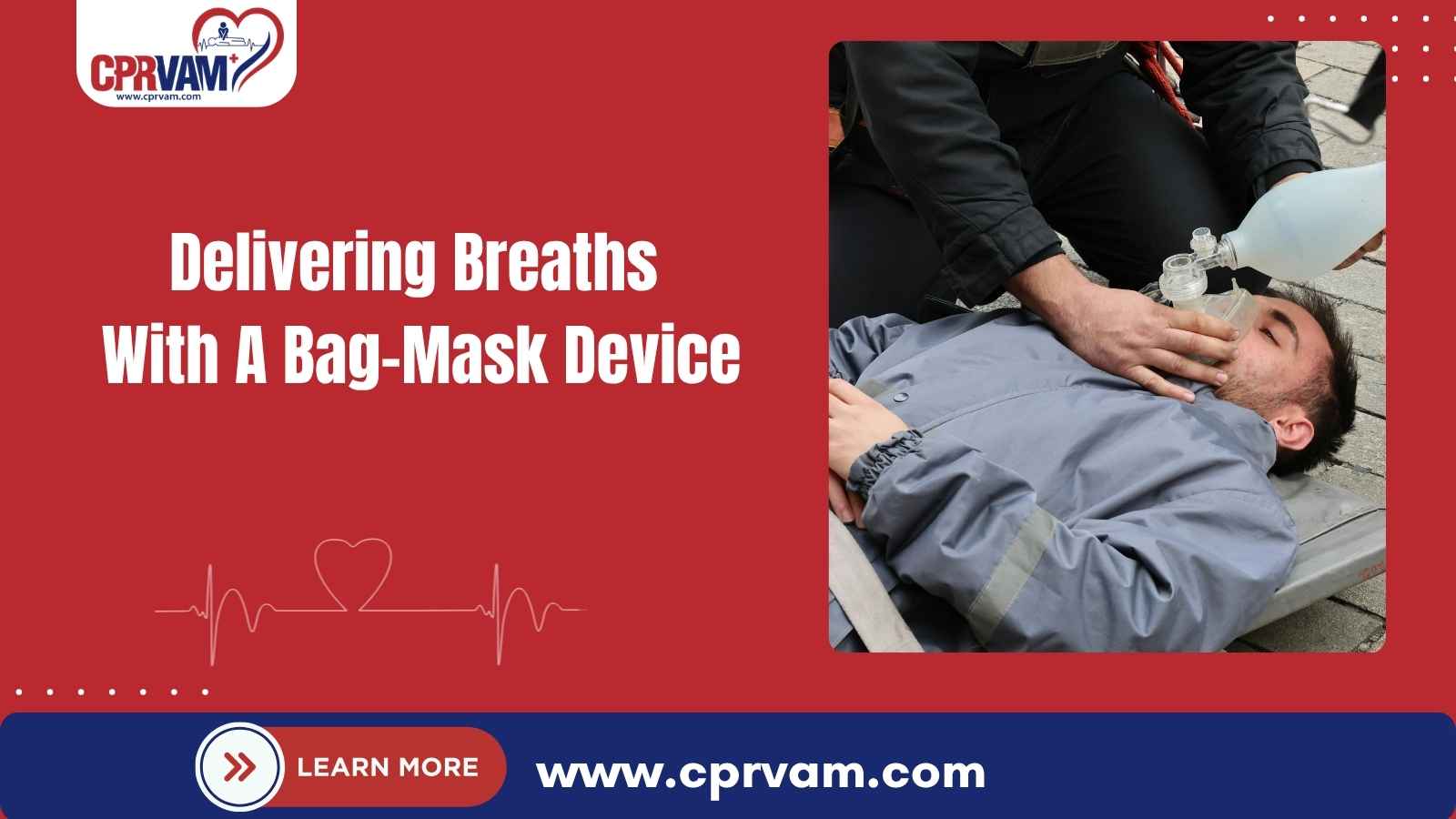
Bag-mask ventilation is a fundamental airway management technique used in emergency and clinical settings to provide oxygen to patients who are unable to breathe adequately on their own. A bag-mask device delivers positive-pressure ventilation, helping maintain oxygen levels during critical situations such as respiratory arrest, cardiac arrest, trauma, and severe breathing distress. Proper use of this device is essential to prevent hypoxia and reduce the risk of organ damage.
Understanding how breaths are delivered using a bag-mask device involves more than simply squeezing the bag. Effective ventilation depends on correct patient positioning, proper assembly of the device, maintaining a tight mask seal, and delivering controlled breaths at the appropriate rate. Using the correct technique helps minimize complications such as air leakage, gastric inflation, and inadequate oxygen delivery.
This blog provides a clear, step-by-step explanation of bag-mask ventilation, including when it is used, how breaths are delivered, common mistakes to avoid, and when to transition to advanced airway support.
What is A Bag-Mask Device?
A Bag-Mask Device (BMD), also called a Bag-Valve-Mask (BVM), is a handheld medical tool used to provide positive-pressure ventilation to patients who are not breathing adequately or at all. It consists of three main components:
- Self-Inflating Bag – The part that the rescuer squeezes to push air into the patient’s lungs.
- One-Way Valve – Ensures that air flows into the patient during bag compression and prevents exhaled air from returning to the bag.
- Face Mask – Fits over the patient’s nose and mouth to create a tight seal for effective ventilation.
Bag-mask devices are commonly used in emergencies, CPR, and anesthesia to deliver oxygen until the patient can breathe independently or until an advanced airway is established.
When Bag‑Mask Ventilation Is Used?
Bag-mask ventilation (BVM) is used in situations where a patient cannot breathe adequately on their own or has stopped breathing entirely. Common scenarios include:
- Respiratory Arrest: When the patient stops breathing due to illness, injury, or overdose.
- Cardiac Arrest: During CPR, to provide oxygen while circulation is restored.
- Severe Breathing Difficulties: Such as in asthma attacks, trauma, or airway obstruction.
- During Emergency Resuscitation: As a temporary measure until an advanced airway, like an endotracheal tube, can be placed.
BVM ventilation ensures that oxygen reaches the lungs and helps maintain tissue oxygenation, which is crucial for preventing organ damage and improving patient outcomes in emergencies.
What Is the Proper Method for Giving Breaths Using a Bag-Mask Device?
Proper bag-mask ventilation involves creating an airtight mask seal, opening the airway, and squeezing the bag gently to deliver slow, visible chest-rise breaths at the correct rate while avoiding over-ventilation and minimizing complications during resuscitation.
Here are the proper methods for giving breaths using a bag-mask device:
1. Position the Patient and Open the Airway
The first step in bag-mask ventilation is to position the patient correctly and open their airway. Place the patient on their back on a firm surface to ensure stability. For most patients, use the head-tilt, chin-lift maneuver: tilt the head backward slightly while lifting the chin to open the airway.
If there is a suspected spinal injury, avoid tilting the head and instead use the jaw-thrust maneuver, which opens the airway without moving the neck. Proper airway positioning is essential because it allows air from the bag-mask device to flow freely into the lungs, making ventilation effective and reducing the risk of airway obstruction.
2. Assemble and Prepare the Bag‑Mask Device
After positioning the patient and opening the airway, the next step is to assemble and prepare the bag-mask device. Select the appropriate mask size based on the patient’s age and size: adult, child, or infant. Connect the bag to an oxygen source if available to increase oxygen delivery.
Ensure that all components, including the bag, one-way valve, and mask, are securely attached and functioning correctly. Checking the device before use helps prevent leaks or malfunctions during ventilation, ensuring that each breath is delivered effectively.
3. Create a Tight Mask Seal
Creating a tight seal between the mask and the patient’s face is essential for effective bag-mask ventilation. Hold the mask using the EC-clamp technique: form a “C” with your thumb and index finger around the top of the mask while using the remaining three fingers to lift the patient’s jaw.
Ensure the mask fully covers both the nose and mouth without leaving gaps, as any air leakage can reduce the amount of oxygen delivered to the lungs. A proper seal allows the air from the bag to flow directly into the patient’s lungs, ensuring effective ventilation and minimizing the risk of inadequate oxygenation.
4. Deliver Controlled Breaths
After creating a tight seal, the next step is to deliver controlled breaths using the bag-mask device. Squeeze the bag slowly and steadily, providing enough volume to see the patient’s chest rise with each breath, which indicates that air is reaching the lungs.
For adults, deliver one breath every 5-6 seconds (about 10-12 breaths per minute). For children and infants, provide one breath every 2-3 seconds. Avoid rapid or forceful squeezes, as over-ventilation can cause gastric inflation, increasing the risk of vomiting and aspiration. Always observe the chest rise to confirm effective ventilation and adjust technique as needed
What Is the Difference Between Single-Rescuer and Two-Rescuer Bag-Mask Ventilation Techniques?
Bag-mask ventilation can be performed using either a single-rescuer or two-rescuer technique, depending on the situation and available personnel.
Single Rescuer
In the single-rescuer method, one person is responsible for both maintaining the mask seal and squeezing the bag to deliver breaths. This technique can be challenging because it requires careful hand positioning to ensure an airtight seal while providing consistent ventilation. Fatigue and small leaks around the mask may reduce the effectiveness of ventilation, making it less ideal for prolonged resuscitation efforts.
Two Rescuers
The two-rescuer technique is generally more effective and efficient. One rescuer focuses entirely on holding the mask securely and maintaining the airway, while the second rescuer squeezes the bag to deliver breaths. This division of tasks allows for a tighter seal, more consistent ventilation, and reduces fatigue, which is especially important during prolonged resuscitation or when oxygen delivery must be optimized.
Using the two-rescuer method whenever possible improves ventilation quality and patient outcomes.
What Are the Common Errors to Avoid During Bag-Mask Ventilation?
When performing bag-mask ventilation, certain mistakes can reduce effectiveness or cause complications. Common errors include:
- Poor Mask Seal
An improper seal allows air to escape, reducing the amount of oxygen delivered to the lungs. Always ensure the mask covers the nose and mouth completely and use the EC-clamp technique for a secure fit. - Over-Inflation of the Lungs
Squeezing the bag too forcefully can cause gastric distension, increasing the risk of vomiting and aspiration, and can also reduce lung efficiency. - Delivering Breaths Too Quickly
Rapid breaths may decrease cardiac output and reduce oxygen delivery. Controlled, steady breaths are essential. - Failure to Monitor Chest Rise
Not observing chest movement can result in ineffective ventilation. Always watch for a visible chest rise to confirm air is entering the lungs. - Neglecting Airway Obstructions
Failing to clear the airway before ventilation can prevent air from reaching the lungs and reduce the effectiveness of resuscitation. - Fatigue During Prolonged Ventilation
In single-rescuer situations, fatigue can compromise mask seal and breath delivery. Use two rescuers when possible for sustained, effective ventilation.
When to Transition to an Advanced Airway from a Bag Mask Device?
Moving from bag-mask ventilation to an advanced airway is a crucial step in managing patients who require more secure and reliable oxygen delivery. While a bag-mask device is effective for short-term resuscitation, certain situations demand a transition to ensure patient safety and maintain adequate ventilation.
Below are the situations that require transition to an advanced airway from a bag mask device:
- Difficulty Maintaining an Effective Seal or Adequate Ventilation
Even with correct technique, some patients may be hard to ventilate due to facial anatomy, airway obstruction, or patient movement. In such cases, an advanced airway like an endotracheal tube or supraglottic airway provides a more controlled and consistent oxygen supply. - Need for Prolonged Ventilation
Patients requiring ongoing respiratory support, such as during extended surgeries, intensive care, or severe respiratory failure, benefit from an advanced airway, which prevents fatigue-related issues seen in bag-mask ventilation and ensures continuous oxygenation. - Patient Deterioration Despite Bag-Mask Ventilation
Signs such as persistent low oxygen levels, labored breathing, or rising carbon dioxide indicate that bag-mask ventilation is insufficient. Promptly securing an advanced airway can prevent hypoxic injury and improve outcomes. - Airway Trauma or Anatomical Challenges
Trauma to the face, burns to the airway, swelling, or the presence of foreign bodies can make bag-mask ventilation unreliable. Advanced airway devices provide better control over the airway and reduce the risk of aspiration or further injury. - Procedural or Situational Requirements
Certain medical procedures, including surgery under general anesthesia or interventions requiring immobility, necessitate a secured airway to allow safe access and prevent complications.
Ready to Save Lives? Get CPR Trained Today!
Bag-mask ventilation is a core emergency airway skill used to provide immediate oxygen when a patient cannot breathe adequately. Effective ventilation depends on correct patient positioning, proper device preparation, a tight mask seal, and controlled breath delivery. Knowing how to avoid common errors and recognizing when bag-mask ventilation is no longer sufficient are essential for maintaining adequate oxygenation. Timely transition to an advanced airway ensures consistent ventilation, reduces complications, and improves patient outcomes in emergency and clinical settings.
However, performing bag-mask ventilation correctly in real emergencies requires hands-on experience, not just theoretical knowledge. CPR VAM training courses, including CPR, BLS, ACLS, and PALS, provide practical, scenario-based instruction that helps healthcare providers and first responders build confidence in airway management and ventilation techniques. Enrolling in a certified CPR VAM course ensures you are prepared to deliver effective breaths, make rapid clinical decisions, and respond confidently when seconds matter.