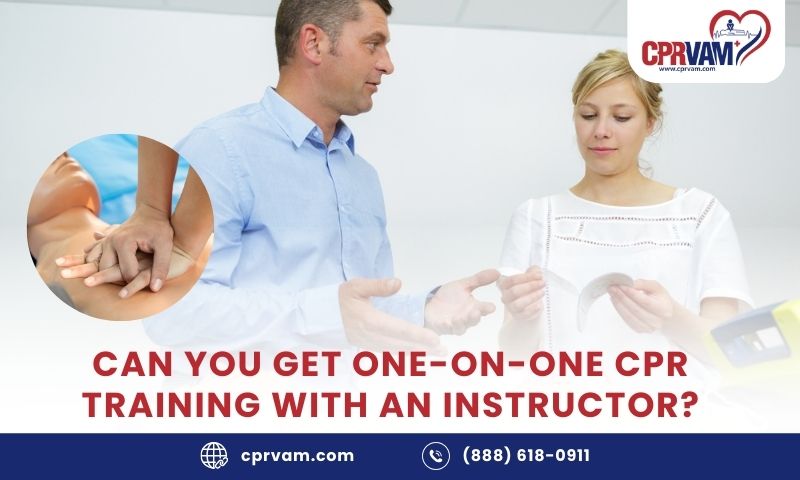
Learning CPR is one of the most valuable skills you can acquire, whether you are a healthcare professional, caregiver, or parent. Cardiopulmonary resuscitation (CPR) can save lives during cardiac emergencies, and proper training ensures you are confident and prepared to respond quickly. While traditional group CPR classes are widely available, many learners wonder if they can get one-on-one CPR training with an instructor. The answer is yes, private CPR sessions are available and provide personalized, hands-on instruction tailored to your skill level and learning pace.
One-on-one CPR training allows an individual to work directly with a certified instructor who provides focused guidance on chest compressions, rescue breaths, and the use of an AED. Unlike group classes, private sessions let you practice techniques repeatedly, receive immediate feedback, and gain confidence in handling both adult and pediatric emergencies. This type of training is particularly beneficial for healthcare professionals, first responders, caregivers, and anyone seeking in-depth CPR knowledge in a short time.
This blog explains how one-on-one CPR training works, the key benefits, who can benefit most, and how to find a certified instructor near you. By the end, you’ll understand why private CPR instruction is an effective and worthwhile investment for saving lives and building emergency preparedness.
What Is One-On-One CPR Training?
One-on-one CPR training is a personalized approach to learning cardiopulmonary resuscitation (CPR), where an individual works directly with a certified instructor. Unlike group classes, one-on-one sessions provide focused attention, allowing the instructor to tailor the training to the learner’s skill level, experience, and learning pace. These sessions cover essential CPR techniques, including chest compressions, rescue breaths, and the proper use of an automated external defibrillator (AED).
Personalized training ensures learners efficiently master adult and pediatric CPR, choking response, and emergency protocols. The instructor can immediately correct mistakes, demonstrate advanced techniques, and provide real-time feedback, which increases confidence and competence. This method is particularly valuable for healthcare professionals, first responders, caregivers, or anyone who wants to gain in-depth CPR skills in a short period.
What Are the Benefits of One-On-One CPR Training?
One-on-one CPR training offers a highly personalized and effective way to learn life-saving skills. Unlike traditional group classes, private CPR instruction focuses entirely on your learning needs, helping you build confidence and competence more quickly.
Here are the key benefits of one-on-one CPR training:
1. Personalized Attention
One of the biggest advantages of one-on-one CPR training is personalized attention. In a private session, the instructor focuses entirely on you, rather than dividing their time among multiple students. This allows them to closely observe your technique, correct mistakes immediately, and provide detailed guidance tailored to your learning style.
For example, if your hand placement during chest compressions is slightly off or your compression depth needs adjustment, the instructor can correct it on the spot. You can also ask questions freely without feeling rushed or overlooked. This focused instruction helps you build proper technique, confidence, and competence much faster than in a group setting.
2. Faster Skill Mastery
One-on-one CPR training helps you develop life-saving skills more quickly and effectively. Because the session is focused entirely on your progress, you spend more time actively practicing chest compressions, rescue breaths, and AED use rather than waiting for turns in a group class.
Immediate, real-time feedback allows you to correct mistakes on the spot, which strengthens muscle memory and improves technique. With consistent hands-on CPR practice and uninterrupted guidance, you can gain confidence and competence in a shorter period of time. This accelerated learning process is especially valuable for healthcare professionals, caregivers, and anyone who needs to become CPR-certified quickly.
3. Flexible Scheduling
One of the major advantages of one-on-one CPR training is flexible scheduling. Unlike group classes that operate on fixed dates and times, private CPR sessions can be arranged around your availability. This makes it easier for busy professionals, parents, students, and shift workers to complete their training without disrupting their schedules.
You can often choose the date, time, and even the location of the session, whether at a training center, workplace, or your home. This convenience reduces stress and allows you to focus fully on learning essential life-saving skills rather than worrying about fitting into a rigid class timetable.
4. Customized Learning Experience
One-on-one CPR training offers a fully customized learning experience based on your personal or professional needs. Instead of following a fixed curriculum designed for a large group, the instructor can adjust the session to focus on the areas most relevant to you.
For example, healthcare professionals may concentrate on Basic Life Support (BLS) protocols, while parents and caregivers may prioritize infant CPR and choking response techniques.
Fitness trainers, teachers, or workplace safety officers can focus on emergency scenarios specific to their environment. This targeted approach ensures you spend more time mastering the skills that matter most to you, improving both confidence and real-world readiness in emergencies.
5. Increased Confidence
One-on-one CPR training significantly increases confidence by providing a supportive and distraction-free learning environment. Without the pressure of performing in front of a group, you can practice techniques at your own pace and ask questions openly.
As you receive immediate feedback and repeat hands-on practice, your skills become more refined and automatic.
This repetition builds muscle memory and reduces hesitation, which is critical during real-life emergencies. By the end of a private CPR session, most learners feel more prepared, calm, and capable of responding effectively if someone experiences cardiac arrest or choking.
6. Higher Engagement and Retention
One-on-one CPR training encourages higher engagement because the entire session is centered around your participation. Instead of waiting for turns or passively observing others, you are consistently practicing hands-on CPR techniques, asking questions, and interacting directly with the instructor. This active involvement keeps you focused and ensures you fully understand each step of the life-saving process.
As a result, knowledge retention improves significantly. Repeated practice, immediate feedback, and personalized instruction help reinforce proper compression depth, hand placement, and rescue breathing techniques. The distraction-free environment allows you to concentrate better, making it more likely that you will remember and correctly perform CPR during a real emergency.
Who Can Benefit from One-On-One CPR Training?
One-on-one CPR training is designed to accommodate individuals from various backgrounds who want personalized instruction and stronger confidence in performing life-saving skills. This training method is especially helpful for people who require specialized knowledge, flexible learning schedules, or additional hands-on practice.
1. Healthcare Professionals
Nurses, medical assistants, dental professionals, and other healthcare workers often benefit from private CPR training. Personalized instruction helps them refresh skills, meet certification requirements, and practice advanced emergency response techniques with precision.
2. Parents and Family Caregivers
Parents, guardians, and individuals caring for elderly or medically vulnerable family members can gain valuable skills through one-on-one CPR training. Learning infant, child, and adult CPR in a private setting helps caregivers feel prepared to handle emergencies at home.
3. Babysitters and Childcare Providers
Childcare professionals are responsible for children’s safety and well-being. One-on-one CPR training helps babysitters and daycare workers develop confidence in handling choking incidents, respiratory emergencies, and pediatric cardiac arrest situations.
4. Workplace Safety Personnel
Employees responsible for workplace safety, including supervisors, safety officers, and human resource teams, benefit from customized training that focuses on emergency response procedures relevant to their work environment.
5. Fitness Trainers and Coaches
Personal trainers, sports coaches, and gym staff often work with individuals engaging in physical activity, where medical emergencies can occur. Private CPR training ensures they are prepared to respond quickly and effectively.
6. Individuals With Unique Learning Preferences
Some learners prefer personalized instruction because it allows them to learn at their own pace. One-on-one training is ideal for those who want extra practice time, detailed explanations, or a more comfortable learning environment without the pressure of group settings.
7. First-Time CPR Learners
People who have never taken a CPR class may find private training less overwhelming. Individual instruction allows beginners to ask questions freely and build strong foundational skills.
How One-On-One CPR Training Works
One-on-one CPR training is structured to provide hands-on, practical instruction while adapting to your individual learning pace and needs. Typically, a session begins with an assessment of your current knowledge and experience, so the instructor can tailor the training to focus on areas where you need the most practice. This ensures that every minute of the session is productive and relevant.
Next, the instructor demonstrates essential CPR techniques, including chest compressions, rescue breaths, and the proper use of an automated external defibrillator (AED). You then practice these skills on mannequins under direct supervision, receiving immediate feedback to correct mistakes and refine your technique. Many sessions also include scenario-based exercises to simulate real-life emergencies, helping you develop decision-making skills and confidence.
Finally, if certification is required, the instructor evaluates your performance according to recognized guidelines, ensuring you are prepared to respond effectively in any emergency situation.
How to Find a One-on-One CPR Instructor
Finding the right instructor is essential to ensure your one-on-one CPR training is effective, hands-on, and up-to-date with the latest guidelines. A qualified instructor can tailor the session to your skill level, provide immediate feedback, and help you gain confidence in life-saving techniques.
Here are some practical steps to locate a certified CPR trainer for private instruction:
Check National Organizations
Look for certified instructors through the American Heart Association (AHA) or American Red Cross, which often offer private sessions.Contact Local Hospitals or Clinics
Many healthcare facilities have staff trained to provide one-on-one CPR instruction.Search Training Centers
Local CPR or first-aid training schools may offer personalized classes tailored to individual needs.Use Online Directories
Websites listing CPR courses often allow you to filter for private or individualized training sessions.Professional Training Companies
Some companies provide flexible options, including blended learning (online theory plus private hands-on sessions).Verify Certification
Ensure the instructor is certified by a recognized organization like the AHA or Red Cross to guarantee the training meets official standards.
This approach ensures you find a qualified instructor who can provide focused, effective, and recognized CPR training.
Is One-On-One CPR Training Worth It?
Yes, one-on-one CPR training is highly worth it for anyone who wants personalized, hands-on instruction and confidence in life-saving skills. While private sessions typically cost more than group classes, the benefits often outweigh the extra expense. You receive focused attention, immediate feedback, and ample time to practice techniques correctly, which accelerates skill mastery and improves retention.
Private CPR training is particularly valuable for healthcare professionals, caregivers, parents, teachers, and anyone who may need to respond to emergencies. It ensures you are prepared, confident, and capable of performing CPR effectively when it matters most. For individuals who want a flexible, customized, and highly effective learning experience, one-on-one CPR training is an excellent investment in both personal safety and professional development.
Start Your Life-Saving Journey with Private CPR Instructor
One-on-one CPR training with a certified instructor is a highly effective and valuable way to learn life-saving skills. By offering personalized attention, hands-on practice, flexible scheduling, and customized instruction, private CPR sessions help learners build confidence, retain critical techniques, and prepare for real-life emergencies. Whether you are a healthcare professional, caregiver, parent, or first-time CPR student, individualized training ensures you are fully equipped to respond quickly and effectively when it matters most, making it a worthwhile investment in both personal safety and professional preparedness.
If you are ready to gain hands-on CPR training, consider enrolling in CPR classes with CPR VAM near your location. CPR VAM offers convenient, high-quality training programs that follow guidelines from the American Heart Association, including CPR, PALS, ACLS, and BLS certification courses. With advanced voice-assisted manikin technology, flexible scheduling, and trusted certification standards, CPR VAM provides a reliable and professional learning experience designed to help you develop confidence and competence in life-saving emergency response skills.