

Pediatric Advanced Life Support (PALS) certification is more than just a credential. It’s a life-saving skill that empowers healthcare providers to respond quickly and effectively during critical emergencies involving children. Whether you’re a nurse, doctor, paramedic, or anyone working with pediatric patients, mastering PALS can make the difference between life and death.
This blog helps you to know everything you need to know about PALS certification, from its importance and requirements to practical tips for preparation, helping you gain the confidence to save lives when it matters most.
What is Pediatric Advanced Life Support?
Pediatric Advanced Life Support (PALS) is a specialized training program developed by the American Heart Association to help healthcare providers respond effectively to emergencies in infants and children. Unlike adults, children have unique physiological differences, and their emergencies often present differently, such as sudden respiratory distress, shock, or cardiac arrest. PALS equips healthcare professionals with the knowledge and skills to quickly assess these situations, make critical decisions, and provide life-saving interventions.
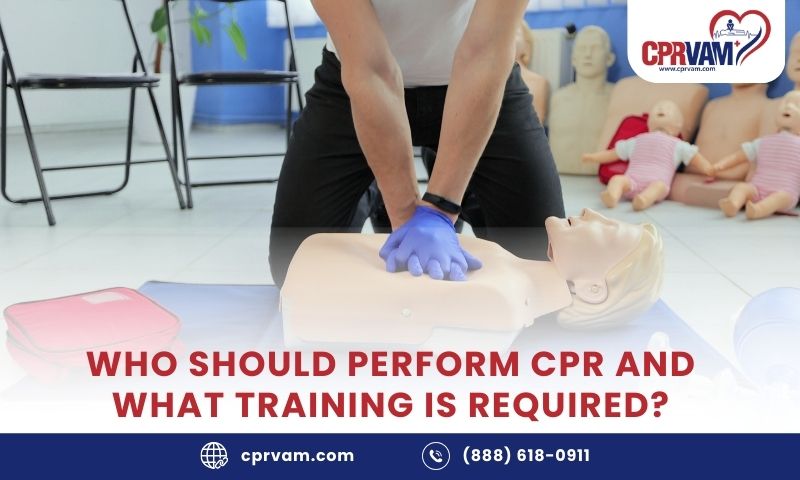
The training combines theory, hands-on practice, and real-life simulation scenarios, teaching essential skills such as pediatric CPR, airway management, defibrillation, and emergency medication administration. PALS skills help to gain skills and confidence to act quickly and efficiently, improving the chances of survival and recovery for young patients in critical situations.
Who Needs PALS Certification?
PALS certification is crucial for healthcare providers who care for infants and children in any clinical setting. This includes:
- Pediatric nurses
- Doctors
- Emergency room staff
- Paramedics
- Respiratory therapists
The certification ensures that these providers have the skills and confidence to recognize and manage life-threatening emergencies in children, from cardiac arrest to severe respiratory distress.
Even healthcare professionals who do not work exclusively with children can benefit from PALS certification. Emergencies can occur anywhere, and being trained in Pediatric Advanced Life Support means you are prepared to act quickly and effectively, potentially saving a child’s life. It’s a vital credential that enhances both competence and confidence in critical situations.
Why Is PALS Certification Important for Healthcare Providers?
PALS certification is essential for healthcare providers who care for children in emergency or clinical settings. It equips professionals with the skills, knowledge, and confidence to respond effectively to pediatric emergencies, such as cardiac arrest, respiratory failure, or shock.
Those people have life-saving skills; they can quickly recognize early warning signs, follow standardized emergency protocols, and deliver life-saving interventions. It also enhances teamwork, communication, and decision-making during high-pressure situations, ultimately improving patient outcomes and ensuring children receive the best possible care.
Key Reasons Why PALS Certification is Important:
1. Early Recognition of Pediatric Emergencies
PALS training helps you to recognize pediatric emergencies more quickly. Children often show subtle symptoms, such as rapid breathing, unusual fatigue, pale or bluish skin, or changes in alertness, before a condition becomes critical. When you recognize these warning signs early allows providers to intervene promptly, preventing the situation from escalating into a life-threatening emergency like respiratory failure or cardiac arrest.
After completing a PALS course from a reputable CPR training institution, providers are equipped to accurately assess a child’s condition and deliver timely interventions, such as airway management, oxygen therapy, or emergency medications.
2. Effective Emergency Response
PALS certification trains healthcare providers to respond to pediatric emergencies using standardized, evidence-based protocols. Providers learn how to perform life-saving interventions such as CPR, defibrillation, airway management, and medication administration with precision and confidence.
This structured approach ensures that care is timely, organized, and efficient, even in high-pressure situations. By following PALS guidelines, providers can act quickly, reduce errors, and improve outcomes for critically ill or injured children, giving them the best chance of recovery.
3. Enhanced Confidence and Preparedness
PALS training not only teaches essential skills but also builds the confidence healthcare providers need to act decisively during pediatric emergencies. By practicing hands-on scenarios and simulations, providers become familiar with real-life situations, reducing hesitation and uncertainty when critical moments arise.
Being well-prepared allows providers to respond efficiently and calmly, even under high-pressure conditions. This confidence ensures that interventions, such as CPR, airway management, or defibrillation, are performed accurately and promptly, ultimately improving outcomes for young patients and ensuring the highest standard of pediatric care.
4. Improved Patient Outcomes
PALS-certified healthcare professionals play a critical role in saving children from life-threatening emergencies, including cardiac arrest, choking, or drowning. By applying the knowledge and skills learned during PALS training, providers can deliver timely and effective interventions that directly impact survival rates.
Studies show that children treated by trained professionals have a significantly higher chance of recovery compared to those receiving untrained care. Through early recognition, prompt action, and adherence to standardized protocols, PALS certification helps ensure that pediatric patients receive the best possible care in critical situations.
5. Team Coordination in Emergencies
PALS training emphasizes the importance of teamwork, communication, and leadership during high-pressure pediatric emergencies. Providers learn how to coordinate with doctors, nurses, and other medical staff to ensure that each critical task is performed efficiently and without delay.
Effective team coordination allows for a smooth and organized emergency response, reducing confusion and errors during life-threatening situations. By following established PALS protocols together, healthcare providers can deliver rapid, precise, and well-coordinated care, ultimately improving patient outcomes and saving young lives.
What Are the Step-By-Step Procedures to Obtain PALS Certification?
You might feel that learning life-saving skills and earning your PALS certification is challenging, but with the right guidance and proper steps, it becomes completely achievable. When you enroll in a course at a trusted CPR training center that you receive high-quality instruction, hands-on practice, and expert support throughout your learning journey. By following these steps, you can confidently obtain your PALS certification and be fully prepared to save young lives during emergencies.
1. Enroll in a PALS Course
PALS courses are offered in various formats, including online, in-person, or blended learning. You need to choose the right course depending on your learning style and schedule. While taking steps, make sure to enroll with a reputable training center that follows American Heart Association (AHA) guidelines to ensure your certification is valid and recognized.
2. Complete Pre-Course Preparation
Before attending your PALS course, it’s important to be well-prepared. Most life-saving courses, ACLS, BLS, and PALS, provide their own study guides, videos, and online modules to help you understand the basics. You can take a free PALS practice test to get familiar with the types of questions and skills you’ll be tested on the PALS skills test.
This pre-course preparation helps you understand pediatric emergency concepts, treatment algorithms, and real-life scenarios more easily. By reviewing the PALS study, plas skills test, you’ll feel more confident and can focus better on the hands-on training during the course.
3. Attend the Course
During the PALS course, you’ll take part in classroom lessons, hands-on practice, and real-life simulation exercises. These sessions help you learn how to assess and manage pediatric emergencies with confidence. You’ll practice important life-saving skills such as performing CPR, using a defibrillator, managing airways, and giving emergency medications.
This step is essential for developing both practical skills and confidence. By actively participating in the training, you’ll gain the experience needed to handle real pediatric emergencies safely and effectively.
4. Pass the Written and Skills Exam
After completing the course, you’ll need to pass two final assessments, a written test and a hands-on skills evaluation. The written test checks your understanding of PALS protocols, PALS algorithms, and emergency procedures, while the practical exam ensures you can apply what you’ve learned in real-life situations.
Once you successfully pass both exams, you’ll receive your PALS certification, which is valid for two years. This certification proves that you’re trained and ready to handle pediatric emergencies with skill and confidence.
What Are the Skills and Knowledge Covered in PALS Training?
PALS training provides healthcare providers with life-saving skills and knowledge to respond quickly and effectively during pediatric emergencies, including cardiac arrest, respiratory distress, and shock. The course focuses on giving you the confidence to act immediately when every second counts.
During PALS training, you will learn to:
- Perform Pediatric CPR: You will learn to provide high-quality chest compressions and rescue breathing tailored for infants and children.
Manage Airway and Breathing Emergencies: Use techniques and devices to maintain proper oxygenation and blood flow in an infant’s body - Use Defibrillators and Emergency Medications: Administer life-saving treatments accurately and apply the correct ventilation rate for a pediatric patient in respiratory arrest.
- Recognize and Treat Shock and Cardiac Arrest: Identify early warning signs of shock, cardiac arrest, and heart attack, and provide rapid interventions.
- Communicate and Lead in Emergencies: Work efficiently with a team to coordinate care and follow standardized protocols.
What Are the Benefits of Being PALS Certified?
Being PALS certified is a significant achievement for any healthcare provider. It not only enhances your professional credentials but also equips you with essential skills that can save lives. With PALS training, you gain the knowledge and confidence to perform effective CPR on infants and children, manage pediatric emergencies, and make quick, life-saving decisions.
Beyond the professional advantages, PALS certification is valuable in everyday life. Whether caring for your own children, helping a family member, or responding to emergencies in the community, the skills you acquire allow you to act confidently and effectively in critical situations, making a real difference when it matters most.
Start Your Journey to Life-Saving Pediatric Skills Now
PALS certification is an essential credential for anyone involved in pediatric care, whether you are a healthcare professional or someone who wants to be prepared for emergencies. It equips you with the knowledge, hands-on skills, and confidence to respond effectively to life-threatening situations in infants and children.
If you are looking for the best CPR training provider in your area, trust CPR VAM. We offer comprehensive training in PALS, ACLS, and BLS, taught by professional instructors who will guide you step by step. With our AHA PALS courses, you can gain the skills and confidence needed to save lives and make a real difference in emergencies. By completing PALS training, you not only enhance your professional opportunities but also gain the ability to save young lives, manage emergencies calmly, and act decisively when every second counts.