
Attending a CPR class is an important step toward learning life-saving skills that can make a real difference in emergencies. Whether you’re a healthcare professional, a parent, or simply someone who wants to be prepared, hands-on CPR training equips you with the confidence and technique to respond effectively when every second counts. Preparing properly for class includes not only understanding the procedures but also choosing the right clothing for comfort and mobility.
CPR classes involve active practice, including kneeling, bending, and performing chest compressions on mannequins. Wearing flexible, breathable clothing and supportive shoes allows you to focus fully on mastering the techniques without distraction or discomfort. Conversely, restrictive or inappropriate attire can interfere with learning and make practice more difficult, especially during longer sessions.
This blog will guide you through what to wear to a CPR class, including the best clothing options, what to avoid, and extra tips for first-time learners. By following these recommendations, you’ll be prepared to participate confidently and make the most of your hands-on training experience.
Why Your Clothing Matters in CPR Training
CPR training is not a passive classroom experience; it is active, hands-on, and physically engaging. During a certification course with organizations like the American Heart Association or the American Red Cross, you’ll spend a significant amount of time practicing skills rather than just listening to instructions.
Here’s why what you wear truly matters:
1. CPR Requires Physical Movement
Performing chest compressions involves:
- Kneeling on the floor
- Leaning forward over a mannequin
- Locking your elbows and using upper-body strength
- Maintaining consistent compression depth and rhythm
If your clothing is tight, restrictive, or uncomfortable, it can limit your range of motion and interfere with proper technique. Flexible clothing allows you to move naturally and practice effectively.
2. Comfort Improves Focus
CPR classes can last anywhere from a few hours to a full day. If you’re constantly adjusting your outfit, dealing with uncomfortable shoes, or feeling too hot or too cold, it distracts you from learning critical life-saving skills.
Comfortable clothing helps you:
- Stay focused
- Maintain proper posture
- Participate confidently in demonstrations
3. Safety and Professionalism Matter
Closed-toe shoes provide stability while moving around the training space. Minimal jewelry prevents snagging or interference during practice. Dressing appropriately also shows respect for the learning environment and the seriousness of the skills being taught.
4. Realistic Practice Builds Confidence
High-quality CPR training emphasizes realistic scenarios. Wearing practical clothing similar to what you might wear in a real emergency helps you practice more naturally and confidently.
In short, your clothing may seem like a small detail, but in CPR training, comfort, mobility, and safety directly support better learning and stronger performance.
What Should You Wear to a CPR Class?
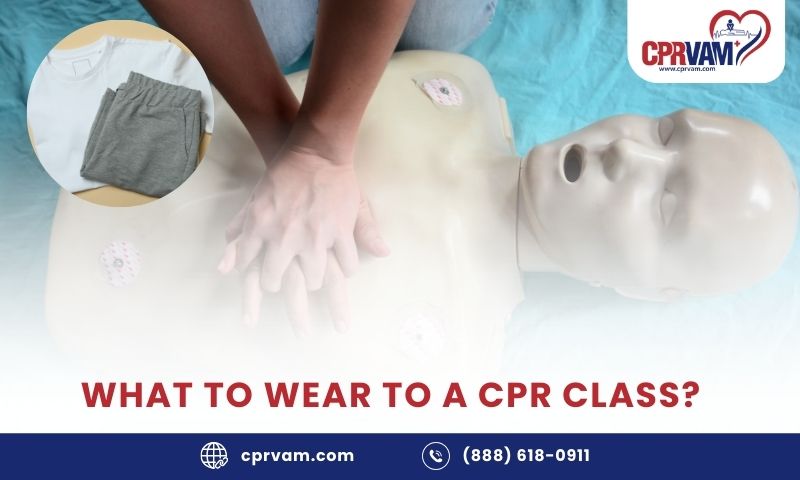
Choosing the right clothing for a CPR class makes it easier to move, stay comfortable, and focus on learning. CPR training involves hands-on practice, including kneeling, bending, and performing chest compressions, so your outfit should support physical activity rather than restrict it.
Here are the best clothing options to help you get the most out of your CPR class:
1. Comfortable, Flexible Tops
When attending a CPR class, your top should allow full upper-body movement without restriction. Since chest compressions require you to lock your elbows, position your shoulders directly over your hands, and apply steady downward pressure, tight or stiff clothing can interfere with proper technique.
The best options include:
- T-shirts (cotton or moisture-wicking)
- Athletic or performance tops
- Polo shirts
- Stretchable long-sleeve shirts
- Scrub tops (especially for healthcare professionals)
Choose breathable fabrics that keep you cool during hands-on practice. You’ll likely be bending forward repeatedly, so select a top that provides comfortable coverage and stays in place while moving.
2. Flexible, Movement-Friendly Pants
During a CPR class, you’ll spend a significant amount of time kneeling on the floor and shifting your body weight forward to perform chest compressions. That’s why choosing flexible, movement-friendly pants is essential for both comfort and proper technique.
Best options include:
- Leggings or yoga pants
- Joggers or sweatpants
- Athletic training pants
- Stretchable jeans
- Scrubs (especially for healthcare professionals)
These types of pants allow you to bend, kneel, and stand up easily without feeling restricted.
3. Closed-Toe, Supportive Shoes
Footwear is just as important as your clothing during a CPR class. Since you’ll be moving between practice stations, kneeling, and possibly standing for extended periods, wearing closed-toe, supportive shoes helps ensure both comfort and safety.
Best options include:
- Sneakers or athletic trainers
- Running or cross-training shoes
- Comfortable flats with good grip and support
Supportive shoes provide stability while you shift your weight forward during chest compressions. They also protect your feet when moving around mannequins, AED trainers, and other equipment.
4. Light Layers
Classroom and training environments can vary in temperature, so wearing light layers is a smart choice for CPR training. A simple layer lets you adjust your comfort level without restricting movement during hands-on practice.
Best options include:
- Lightweight jackets or zip-up hoodies
- Cardigans or pullovers
- Breathable long-sleeve shirts that can be rolled up
Light layers are easy to remove if you get warm while performing chest compressions or participating in drills, and they provide warmth in air-conditioned rooms or cooler training spaces.
5. Minimal Accessories
During a CPR class, bulky or dangling accessories can get in the way of proper technique and may even become a safety hazard. Keeping your jewelry and other accessories minimal helps you focus fully on practicing life-saving skills.
Best practices include:
- Remove long necklaces or chains
- Avoid large hoops or dangling earrings
- Limit bracelets or rings that could interfere with hand positioning
- Keep hair ties simple and secure long hair
What Should You Avoid Wearing to a CPR Class?
When preparing for a CPR class, knowing what not to wear is just as important as choosing the right clothing. Since CPR training is hands-on and physically active, wearing the wrong outfit can make practice uncomfortable, restrict movement, or even pose safety risks.
Here’s what to avoid:
1. Tight or Restrictive Clothing
Clothes that limit your movement can make it difficult to kneel, bend, or perform chest compressions properly. Avoid:
- Skinny jeans or pants without stretch
- Tight tops that restrict shoulder or arm movement
2. Skirts, Dresses, or Low-Cut Tops
You’ll spend time kneeling and leaning forward, so skirts or dresses can be impractical. Low-cut tops can shift or expose too much during bending. Stick to pants or leggings and well-fitting tops.
3. Inappropriate Footwear
Avoid shoes that are unstable or unsafe. Examples include:
- High heels
- Flip-flops or sandals
- Shoes without proper support
Closed-toe, supportive shoes are always best for comfort and safety.
4. Heavy or Delicate Fabrics
Clothing made from delicate materials or bulky fabrics can be restrictive or prone to damage during hands-on practice. Avoid:
- Wool or heavy sweaters
- Silk or satin tops
- Expensive fabrics that could snag
5. Excessive Jewelry or Accessories
Large earrings, long necklaces, bracelets, and rings can interfere with proper hand placement and may get caught during compressions. Keep accessories minimal and practical.
Tip: When in doubt, choose comfort and flexibility over style. Your focus should be on learning CPR skills effectively, not adjusting your clothing during practice.
What Are the Extra Tips for First-Time CPR Learners?
If it’s your first time attending a CPR class, it’s normal to feel a little nervous. Hands-on training can be physically and mentally demanding, but with the right preparation, you’ll have a smooth and productive experience.
Here are some practical tips:
Arrive Early
Give yourself extra time to check in, get comfortable, and familiarize yourself with the classroom or training space. This helps reduce stress and allows you to focus fully when the class begins.Dress Appropriately
Follow the clothing guidelines: comfortable, flexible tops and bottoms, supportive closed-toe shoes, light layers, and minimal accessories. Proper attire ensures you can move freely and focus on learning.Stay Hydrated
CPR training can be surprisingly physical. Bring a water bottle to stay hydrated, especially if the class lasts several hours.Tie Back Long Hair
If you have long hair, tie it back or secure it so it doesn’t fall forward while you’re practicing compressions or rescue breathing.Focus on Technique, Not Speed
When performing chest compressions for the first time, concentrate on proper hand placement, body posture, and compression depth. Speed will come naturally with practice.Ask Questions
Instructors are there to help. Don’t hesitate to ask questions if you’re unsure about a technique, equipment, or procedure.Practice Mindfulness
Stay present and attentive. CPR training can be intense, but staying calm and focused improves your learning and confidence.Don’t Worry About Mistakes
Everyone is learning together. Making small errors is normal, and practicing in a safe environment helps you improve. The goal is to develop confidence and competence in life-saving skills.
Prepare for Your CPR Class: Dress Smart and Train Confidently
Choosing the right clothing for a CPR class may seem like a small detail, but it plays a crucial role in your ability to learn and practice life-saving skills effectively. Comfortable, flexible tops and bottoms, supportive closed-toe shoes, light layers, and minimal accessories all help you move freely, stay focused, and participate confidently in hands-on training. By avoiding restrictive or unsafe clothing and preparing thoughtfully for your first class, you set yourself up for a positive, productive experience that allows you to build the confidence and competence needed to respond in real-life emergencies.
At CPR VAM, we provide AHA-approved CPR, PALS, ACLS, and BLS classes conveniently located near you. Our courses are designed to be hands-on, engaging, and taught by certified instructors, ensuring you gain the knowledge and skills needed to act confidently in any emergency. Whether you’re a first-time learner or a healthcare professional seeking recertification, our training is credible, authoritative, and tailored to make your learning experience seamless and effective.
Sign up today and take the important step toward becoming a confident, life-saving responder.
CPR Class FAQs: Clothing, Comfort, and Training Tips
1. Do CPR Classes Require A Specific Dress Code?
Most CPR classes do not have a strict dress code, but organizations like the American Heart Association and the American Red Cross recommend wearing comfortable, practical clothing suitable for hands-on skills practice. Some healthcare employers may require scrubs if the training is workplace-based.
2. Can I Wear Scrubs To A CPR Class If I’m Not A Healthcare Professional?
Yes. Scrubs are perfectly acceptable because they allow flexibility and easy movement. Even if you are not in healthcare, scrubs are comfortable and practical for hands-on training.
3. Will I Need To Kneel Directly On The Floor During CPR Practice?
Yes. Most CPR training involves kneeling beside a mannequin placed on the floor. Training centers often provide mats, but wearing clothing that allows comfortable kneeling is important.
4. What If I Have A Physical Limitation Or Injury?
If you have a knee, back, wrist, or shoulder injury, inform your instructor before class begins. Instructors can often provide accommodations while ensuring you still understand proper CPR technique.
5. Should I Avoid Wearing Strong Perfumes Or Fragrances?
Yes. CPR classes are held in enclosed spaces, and some participants may be sensitive to strong scents. Light or no fragrance is recommended for a comfortable learning environment.