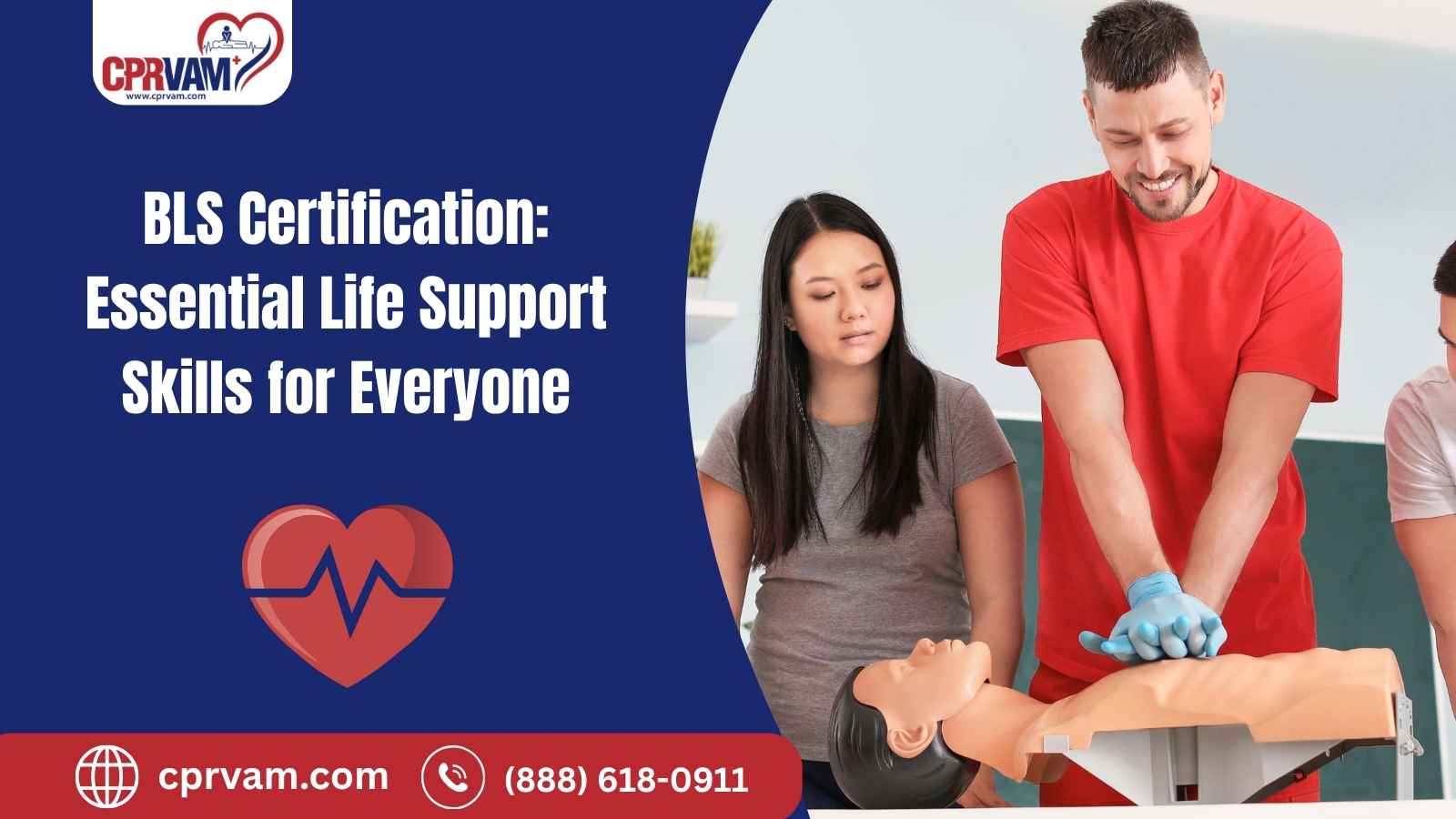
BLS stands for Basic Life Support, a form of emergency care focused on maintaining breathing and circulation during life-threatening situations until advanced medical help arrives. BLS certification is a structured training program that teaches individuals how to recognize emergencies such as cardiac arrest, choking, and respiratory failure and respond effectively using essential life-saving skills like high-quality CPR, proper AED use, and basic airway management. The training emphasizes quick decision-making and immediate action to improve survival outcomes in critical situations.
BLS certification is primarily designed for healthcare providers, first responders, and medical students, but it is also valuable for anyone responsible for emergency preparedness in workplaces or community settings. The course combines hands-on practice with real-world scenarios to build confidence and quick decision-making skills.
This blog explains what BLS certification is, who should get it, and how it works. You will also learn how the American Heart Association guidelines guide practical life-saving skills anyone can use.
Why Is BLS Certification Important?
BLS certification is important because it equips individuals with the skills to respond immediately during life-threatening emergencies such as cardiac arrest, choking, or respiratory failure. In these situations, every second matters, and early intervention with CPR and AED use can significantly improve survival rates. Without prompt action, the chances of survival decrease rapidly, making BLS training a critical component of emergency response.
Beyond immediate life-saving impact, BLS certification builds confidence and preparedness in both healthcare professionals and everyday individuals. It ensures responders can recognize emergencies, act decisively, and provide effective care until advanced medical help arrives. This not only improves patient outcomes but also contributes to safer workplaces and communities.
Who Should Get BLS Certification?
Basic life support (BLS) certification is essential for anyone who wants to respond effectively in medical emergencies. It benefits healthcare workers, safety professionals, educators, and everyday citizens by increasing confidence, preparedness, and the ability to save lives in critical situations.
1. Healthcare Workers
Healthcare professionals, including doctors, nurses, EMTs, paramedics, laboratory technicians, pharmacists, and clinical officers, should get BLS certification because they frequently handle cardiac arrest management, patient resuscitation, and emergency life support situations in hospitals, clinics, and field care settings.
2. Public Safety Officers
Firefighters, lifeguards, police officers, and ambulance drivers also need BLS training as they are often first responders in emergencies. They deal with out-of-hospital cardiac arrest, trauma cases, drowning incidents, and emergency rescue situations, where immediate CPR and AED use can directly impact survival.
3. Educational and Childcare Professionals
Teachers, coaches, and childcare workers should be BLS certified to ensure they can respond to pediatric emergencies, choking episodes, respiratory distress, and sudden collapse situations that may occur in schools, playgrounds, or childcare environments.
4. Everyday Citizens
BLS certification is also important for everyday individuals who want to be prepared for emergencies at home, work, or in public. It equips them with the ability to perform bystander CPR, activate emergency medical services (EMS), and provide initial life-saving care until professional help arrives.
What Skills Are Taught in BLS Certification Training?
BLS certification provides essential life-saving skills to handle emergencies confidently. Training covers recognizing critical situations, performing CPR, using an AED, providing ventilation, managing choking, improving teamwork, and understanding legal and ethical responsibilities to ensure effective and safe care.
Here are the skills taught in BLS certification:
1. Recognizing an Emergency Quickly
BLS training teaches how to quickly identify life-threatening emergencies, including Sudden Cardiac Arrest (SCA), choking, or breathing difficulties. Quick recognition allows responders to act immediately, improving survival chances, ensuring timely intervention, and bridging the gap until professional medical help arrives, making early action critical in emergency care.
2. Performing High-Quality Chest Compressions
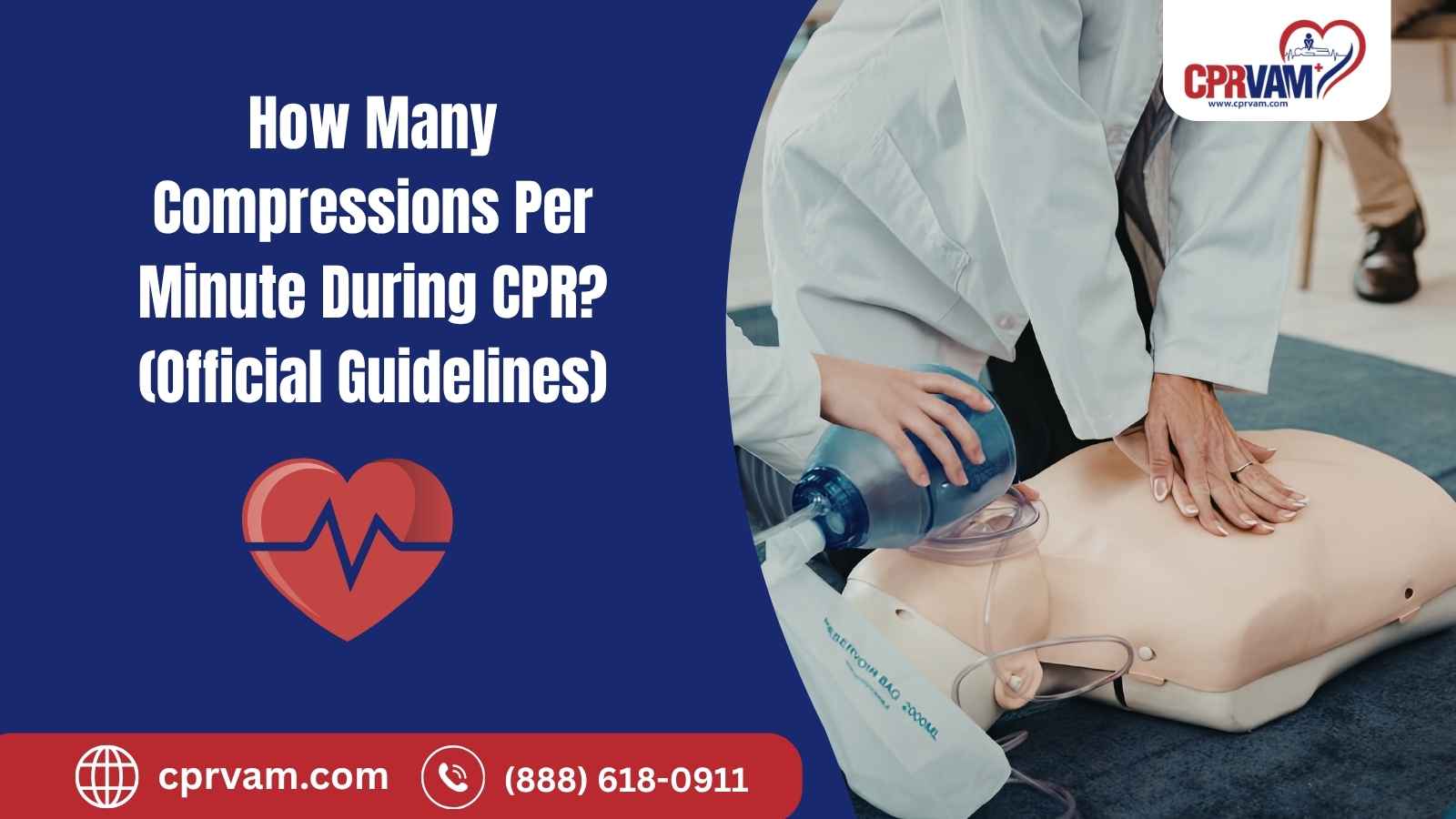
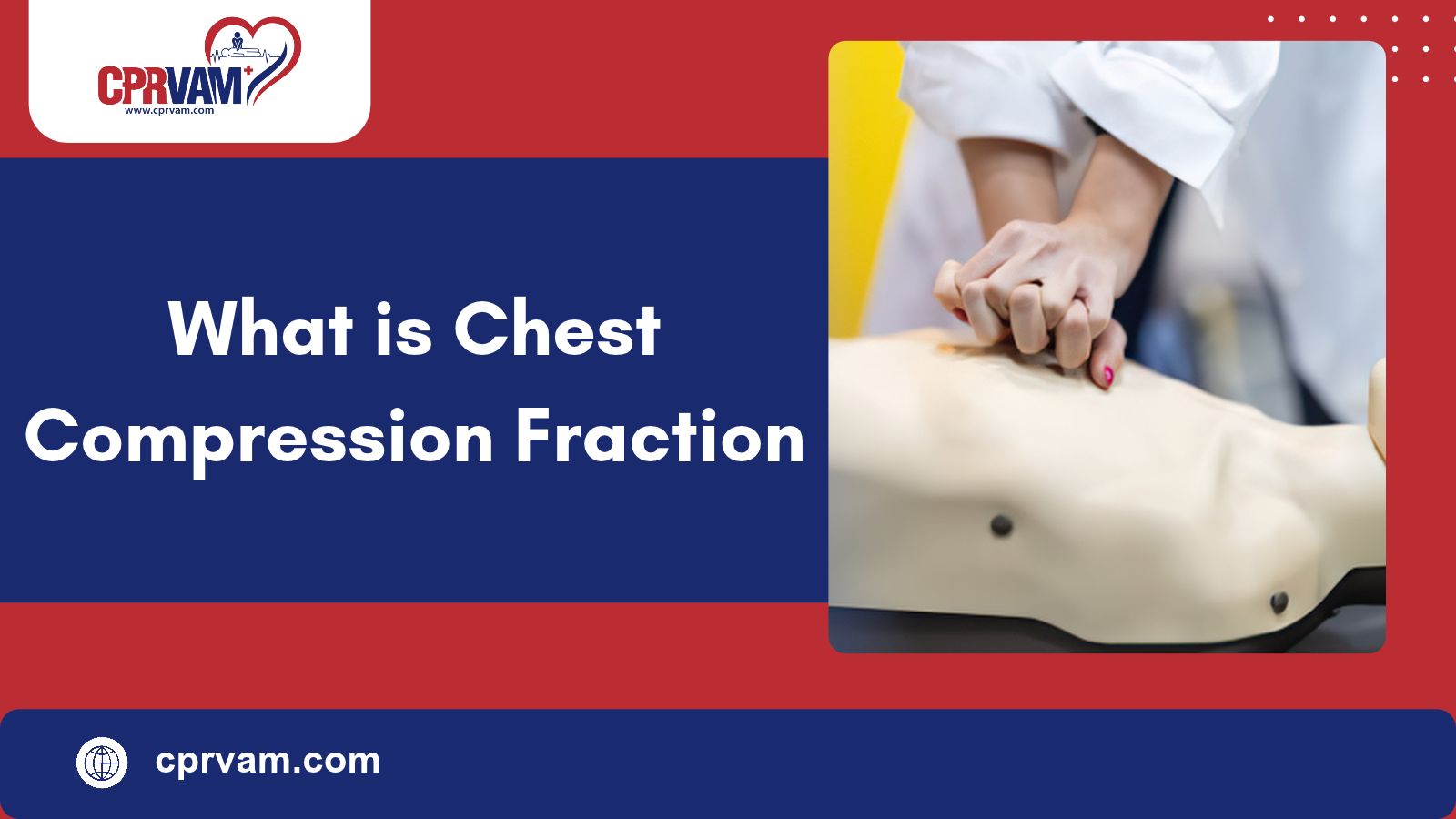
Students master high-quality CPR techniques, including proper depth, rate, and hand placement. According to AHA guidelines, adults and children need 2-inch compressions at 100-120 per minute, while infants require 1.5-inch compressions. Training emphasizes minimizing pauses, rotating rescuers, and maintaining effective circulation, which is essential for sustaining life during cardiac emergencies.
3. Providing Proper Ventilation
Training covers rescue breathing and the use of an Ambu Bag (bag-valve-mask) to maintain oxygen in patients experiencing respiratory arrest or who cannot breathe independently. Learners practice techniques for adults, children, and infants, coordinating ventilation with chest compressions to ensure effective oxygenation and improve survival outcomes during emergencies.
4. Using an AED
BLS courses teach the safe use of Automated External Defibrillators (AEDs). Participants learn to operate AEDs for adults and children, follow step-by-step instructions, and deliver controlled shocks to restore normal heart rhythm, giving patients the best chance of survival during cardiac emergencies.
5. Handling Choking Emergencies
Students learn age-specific interventions for choking. Adults and children receive abdominal thrusts (Heimlich Maneuver), while infants are treated with back slaps and chest thrusts. Correct application clears the airway quickly, preventing severe complications or death, and ensures immediate, effective care in life-threatening situations.
6. Improving Teamwork and Critical Thinking
BLS emphasizes coordination among responders and team-based resuscitation during emergencies. Training develops communication, delegation, situational awareness, and decision-making skills. This ensures teams work efficiently, respond quickly, and provide high-quality care, improving patient outcomes while maintaining order and safety in high-pressure situations.
7. Legal and Ethical Knowledge
Participants learn Good Samaritan laws, patient consent, and confidentiality. BLS training ensures responders act within their legal scope, provide ethical care, protect patient rights, and maintain their own safety while delivering effective life-saving interventions in accordance with professional and legal standards.
How Long Does BLS Certification Take and How Often Should You Renew?
BLS certification is designed to provide essential life-saving skills efficiently. Initial training takes only a few hours, and regular recertification ensures that skills stay current with American Heart Association guidelines, helping both professionals and everyday responders act confidently in emergencies.
Initial Certification
For healthcare providers, initial BLS certification typically takes 3-4 hours. During this time, students learn CPR, AED use, airway management, and emergency response techniques. The goal is to ensure participants can respond confidently and effectively in real-life, life-threatening situations.
Renewal and Recertification
BLS skills need to be refreshed every two years to stay current with American Heart Association standards. Recertification typically takes 2 to 3 hours and includes hands-on demonstrations and assessments to ensure readiness for real emergencies. Knowing how to renew BLS certification helps learners prepare ahead and complete the process with confidence.
Can BLS Certification Be Completed Online?
Yes, BLS certification can be completed online or through blended courses. These programs combine flexible e-learning with practical, in-person skill checks. This approach allows students to learn theory at their own pace while gaining hands-on experience to perform life-saving techniques safely and effectively.
1. E-Learning Modules
Online courses provide theoretical instruction using videos, interactive lessons, and scenario simulations. Students learn CPR, AED operation, airway management, and emergency response protocols. This flexible format allows learners to study at their convenience while preparing for hands-on practice required for full certification.
2. In-Person Skill Checks
Practical training is a critical part of BLS certification. Students perform hands-on CPR, AED use, and airway management under supervision. These sessions ensure that learners can apply their knowledge accurately and confidently in real-life emergencies, meeting American Heart Association skill standards.
Online BLS courses offer flexible learning options while ensuring high-quality training. Students can study theory at their own pace and still gain the essential skills and hands-on experience needed for certification.
What Are the Benefits of BLS Certification?
BLS certification equips individuals with essential life-saving skills, giving them the ability to act confidently during emergencies. It enhances personal preparedness, improves community safety, and provides professional advantages, making it valuable for both healthcare workers and everyday citizens.
Benefits of BLS Certification
1. Confidence in Emergencies
BLS certification trains people to respond quickly and effectively in life-threatening situations. Knowing how to perform CPR, use an AED, and manage choking boosts confidence, reduces hesitation, and ensures that trained responders can provide timely and competent care when seconds matter.
2. Preparedness Anywhere
BLS skills are useful in a variety of settings, including home, work, and public spaces. Certification ensures individuals are ready to recognize emergencies, provide immediate care, and support victims until professional help arrives, improving survival outcomes in unexpected situations.
3. Career Advantage
Employers value candidates with BLS certification because it demonstrates life-saving skills and readiness for emergencies. Healthcare professionals, first responders, teachers, and childcare workers benefit professionally, as certification enhances employability and shows commitment to safety and patient or community care.
4. Community Safety
BLS-trained individuals help create safer communities. Knowing how to respond to cardiac arrests, choking, or respiratory emergencies, certified responders improve public safety, increase survival rates, and encourage a culture of preparedness and care within neighborhoods and workplaces.
How Do You Get BLS Certification? Step-by-Step Guide
Obtaining BLS certification involves structured training and assessments to ensure individuals can respond confidently in emergencies. The process equips learners with practical skills, theoretical knowledge, and recognized credentials to provide life-saving care safely and effectively.
Step-by-Step guide to get BLS certification
1. Enroll in a Course
Start by selecting a reputable provider, such as the American Heart Association, the Red Cross, or other AHA-certified institutions. Choosing a recognized organization ensures quality instruction, up-to-date guidelines, and proper certification that is accepted professionally and legally.
2. Complete Training
BLS training includes both theoretical lessons and hands-on practice. Students learn CPR, AED operation, airway management, and emergency response. This combination of classroom and practical training ensures participants can apply knowledge confidently in real-life emergencies.
3. Pass Assessments
For certification, participants must pass the BLS skills assessment by demonstrating competency in both written and practical exams. Learners are evaluated on correct technique, decision-making, and adherence to safety standards. Understanding how to pass the BLS skills test can help you prepare and perform with confidence.
4. Receive Certification
After passing all assessments, participants receive a BLS certificate valid for two years. Recertification is required to maintain current skills and compliance with American Heart Association guidelines. Many programs now offer blended online and in-person options for convenience and flexibility.
What is the Difference Between BLS and CPR?
BLS (Basic Life Support) and CPR (Cardiopulmonary Resuscitation) are closely related but not the same thing. CPR is a specific emergency technique involving chest compressions and rescue breathing used to maintain circulation in someone whose heart has stopped. BLS, on the other hand, is a broader certification level that includes CPR along with other skills like using an AED, relieving choking, and managing airway emergencies, typically taught to healthcare professionals and first responders.
What is the Difference Between BLS and ACLS?
The main difference between BLS (Basic Life Support) and ACLS (Advanced Cardiovascular Life Support) is that BLS is designed for anyone who provides immediate, foundational life-saving care, including high-quality CPR, AED use, and basic airway management during emergencies, while ACLS is designed for healthcare professionals who manage advanced cardiac emergencies using interventions such as ECG interpretation, medication administration, and coordinated critical care. BLS focuses on initial response and patient stabilization, whereas ACLS is used in advanced medical settings where complex decision-making and advanced treatment are required.
Why Everyone Should Consider BLS Certification?
BLS certification equips both healthcare professionals and everyday individuals with the knowledge and skills to act quickly and confidently in life-threatening emergencies. Training in CPR, AED use, airway management, and emergency assessment helps save lives, reduce risks, and improve community safety. Whether you pursue in-person, online, or blended courses, BLS certification strengthens preparedness, builds confidence, and empowers you to make a meaningful difference when every second counts.
Enroll in a BLS course at CPR VAM, an AHA-certified training center. Learn hands-on CPR and Bag Valve Mask (VAM) techniques, gain expert guidance, and master essential life-saving skills to act confidently in any emergency.
FAQs About BLS Certification
1. How Is BLS Training Different From First Aid Training?
BLS focuses specifically on life-threatening emergencies such as cardiac arrest and respiratory failure. First aid training covers a broader range of minor injuries like cuts, burns, and fractures, making the two courses complementary.
2. Can BLS Certification Be Used For College Or School Credits?
Some educational institutions may offer credits or recognition for completing BLS certification. This depends on the school or program, so it is best to check with the institution directly.
3. Is BLS Certification Useful For Remote Or Outdoor Work?
BLS certification is highly valuable for people working in remote areas where medical help may be delayed. It prepares individuals to handle emergencies in environments such as construction sites, hiking trails, or offshore locations.
4. How Often Do BLS Guidelines Change?
BLS guidelines are periodically updated based on new research and clinical evidence. Training providers align their courses with the latest recommendations to ensure learners are using the most effective life-saving techniques.
5. What Happens If Your BLS Certification Expires?
If your BLS certification expires, you may need to retake the full course instead of a shorter renewal class. Keeping your certification active ensures your skills remain current and aligned with the latest guidelines.