

Emergencies can happen anytime, anywhere, and knowing how to respond quickly can mean the difference between life and death. Two of the most important life-saving techniques are Cardiopulmonary Resuscitation (CPR) and Basic Life Support (BLS). While they are closely related, they serve different purposes, target different audiences, and involve varying levels of complexity. Understanding the differences between CPR and BLS is crucial for both healthcare professionals and members of the general public who want to be prepared in emergencies.
CPR is a basic, yet powerful technique focused on maintaining circulation and oxygen flow during a cardiac or respiratory emergency. BLS, on the other hand, is a more comprehensive protocol used by trained responders and healthcare professionals, incorporating advanced airway management, AED use, and coordinated team response. Knowing which training is appropriate for your needs ensures that you can act effectively and confidently in life-threatening situations.
This blog will break down the key differences between CPR and BLS, their certifications, and help you determine which training is best suited for you.
What Is CPR?
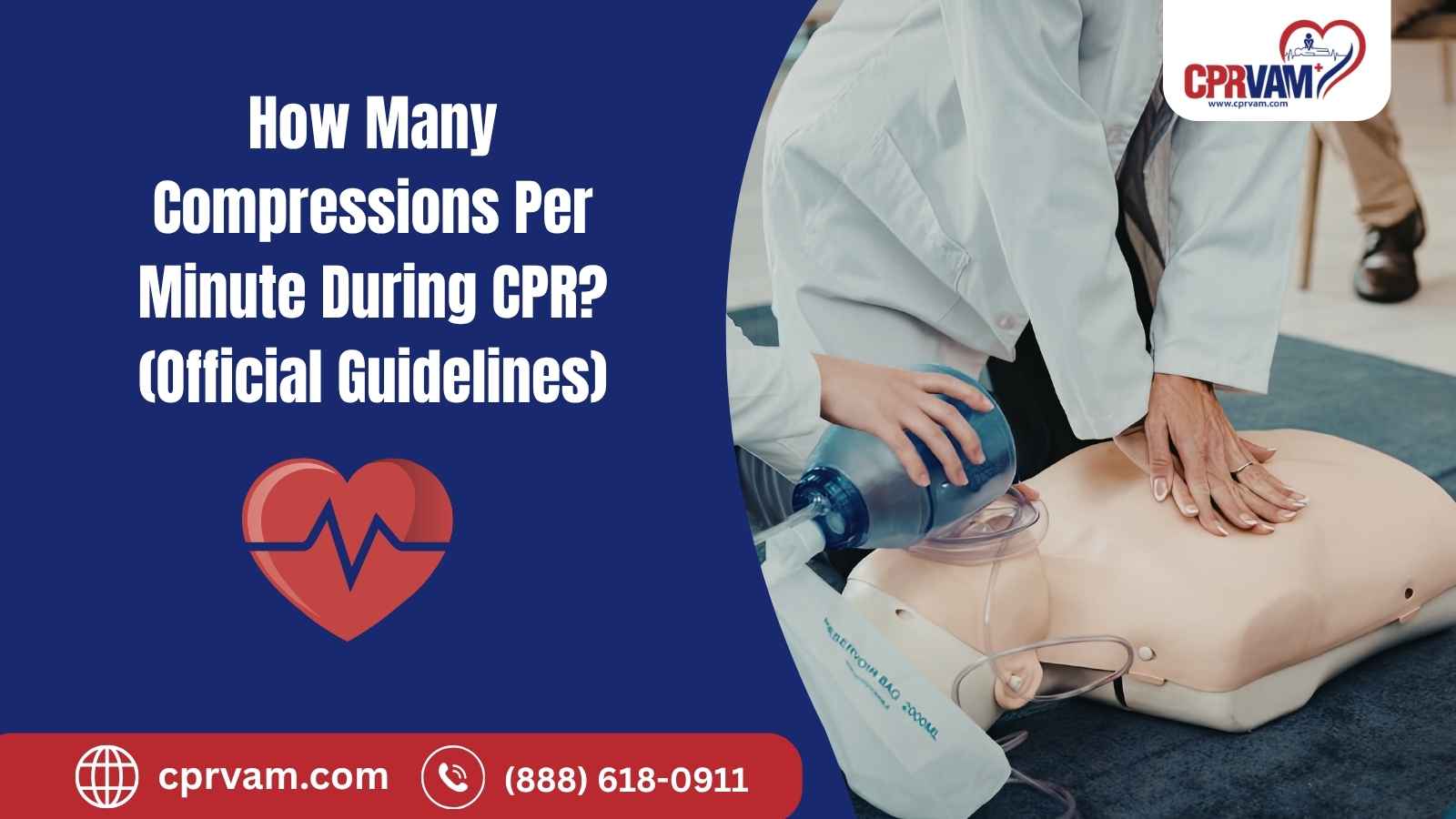
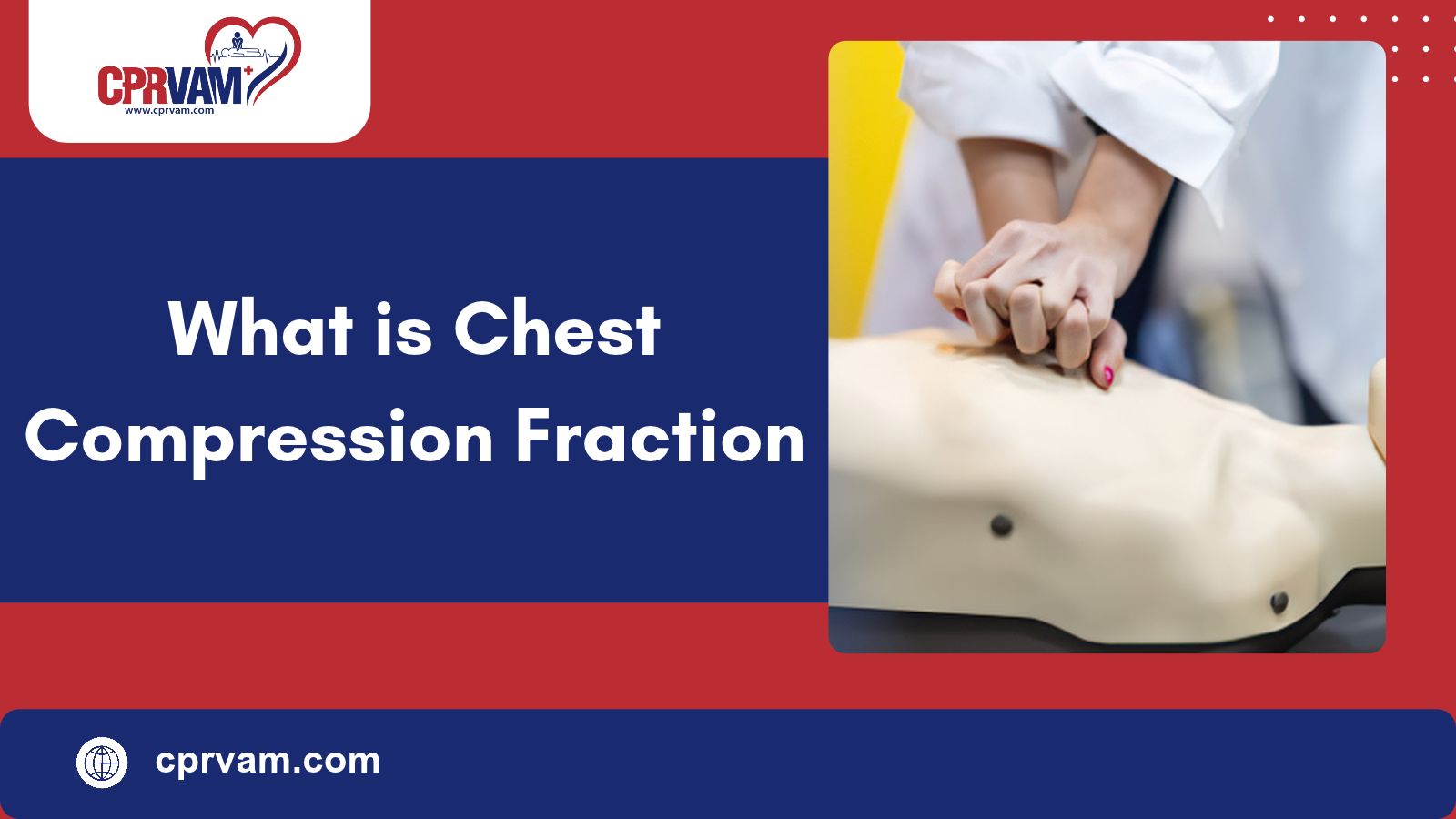
Cardiopulmonary Resuscitation (CPR) is a vital emergency procedure used during sudden cardiac arrest when the heart stops beating or stops effectively pumping blood. Its main goal is to maintain blood flow and deliver oxygen to the brain and other vital organs until professional medical help arrives. CPR combines high-quality chest compressions, which manually pump blood through the heart, with rescue breaths that provide oxygen to the lungs. This lifesaving technique can be performed by anyone trained, including laypersons, first responders, teachers, and caregivers.
In some cases, hands-only resuscitation, which involves chest compressions without rescue breaths, is recommended, especially for untrained bystanders. Performing CPR promptly can significantly increase the chances of survival after sudden cardiac arrest, keeping vital organs functioning until an Automated External Defibrillator (AED) or emergency medical services become available. Because it can be performed anywhere and at any time, CPR is considered one of the most critical skills for saving lives.
What Is BLS?
Basic Life Support (BLS) is a structured emergency care protocol designed to provide immediate support to patients experiencing life-threatening emergencies, such as cardiac arrest and respiratory failure. It includes core life-saving techniques like CPR, but follows a broader, systematic approach used by healthcare professionals and trained responders. The primary goal of BLS is to maintain circulation and oxygenation, supporting the airway, breathing, and circulation until advanced medical care can take over, improving survival outcomes in critical situations.
BLS training emphasizes systematic assessment and response, teaching rescuers how to quickly recognize emergencies and act effectively. It is designed to be applied in a variety of clinical and pre-hospital settings, allowing trained individuals to manage emergencies efficiently and confidently. While CPR is a core component of BLS, the program equips responders with additional knowledge and skills to handle different patient scenarios and coordinate care until emergency medical services arrive.
What’s the Difference Between BLS and CPR Certification?
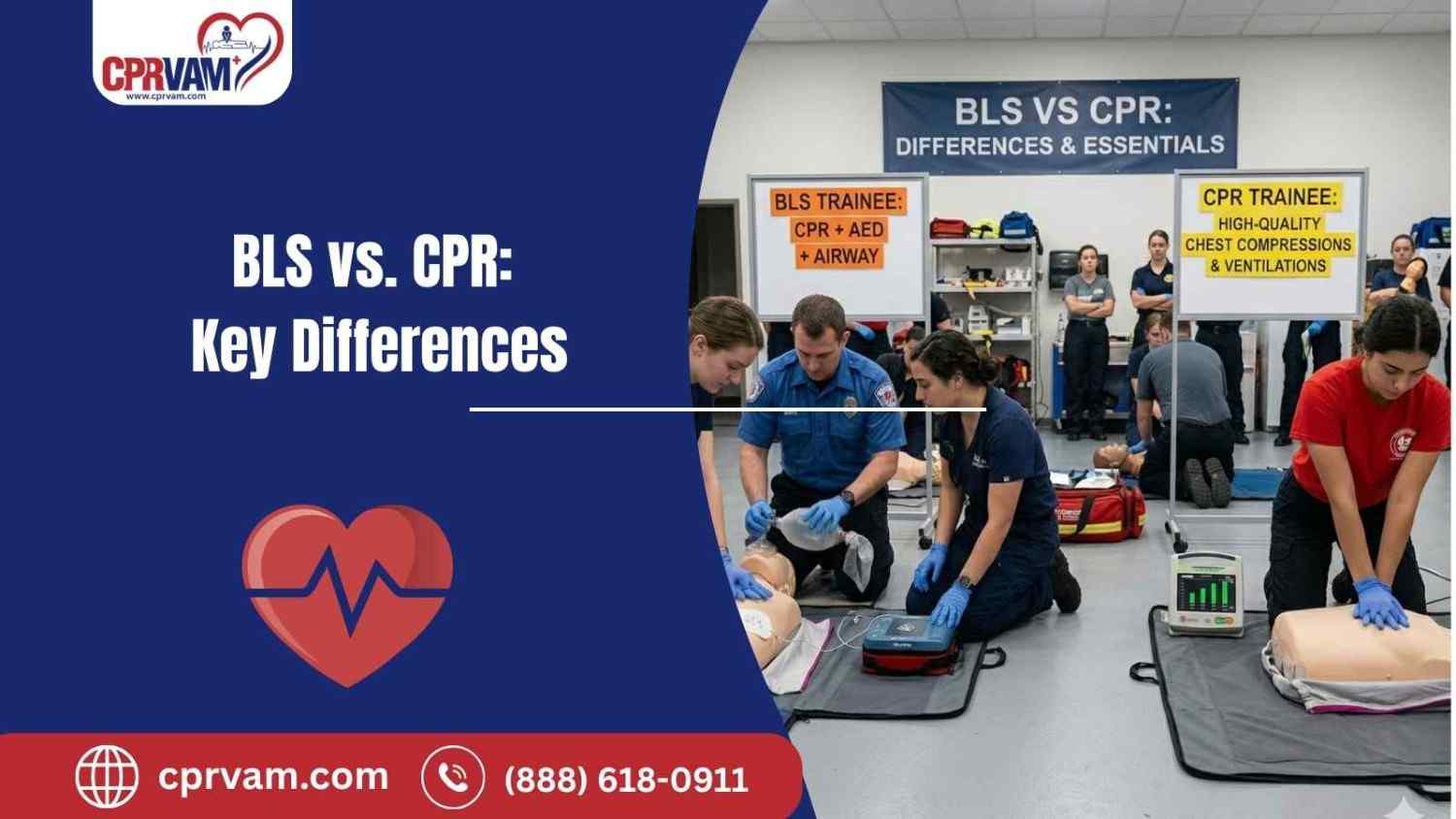
BLS certification teaches comprehensive life-saving skills, including CPR, airway management, and emergency response for all ages, primarily for healthcare providers. CPR certification focuses on basic chest compressions and rescue breaths, suitable for laypersons and non-medical responders.
Here are the clear differences between BLS and CPR, presented in a table and explained in detail point by point:
Aspect | Cardiopulmonary Resuscitation (CPR) | Basic Life Support (BLS) |
Target Audience | General public, caregivers, teachers, workplace staff | Healthcare professionals: nurses, doctors, EMTs, paramedics, medical students |
AED Use | Sometimes included | Always included |
Airway Management | Minimal or none | Advanced (e.g., rescue breathing with barrier devices) |
Team-Based Response | Typically individual | Team-based, includes role assignments in emergencies |
Complexity | Simple, can be learned in hours | More technical, scenario-based learning and decision-making |
Purpose | Maintain circulation and breathing until help arrives | Provide full basic emergency care, including CPR, AED use, and airway management |
1. Target Audience
The target audience for CPR and BLS is another key difference. CPR is designed for the general public, including parents, teachers, coaches, workplace staff, and anyone who may encounter a medical emergency. Its simplicity and accessibility make it ideal for individuals with little or no medical background who want to respond effectively in a cardiac emergency or sudden cardiac arrest situation.
BLS, on the other hand, is intended primarily for healthcare professionals and first responders, such as nurses, doctors, EMTs, paramedics, and medical or nursing students. Because BLS covers advanced techniques beyond basic chest compressions, it is targeted at individuals who are likely to encounter medical emergencies in clinical or pre-hospital settings and need a more comprehensive, professional-level skill set.
2. AED Use
Automated External Defibrillator (AED) use is central to BLS training and distinguishes it from CPR. In CPR, AED instruction may be included in some courses, but it is often optional and not always part of basic certification, as the focus is primarily on chest compressions and rescue ventilations for the general public.
In BLS, however, AED use is a fundamental component. BLS training teaches healthcare professionals and trained responders how to quickly assess a patient, apply the AED, and deliver shocks safely and effectively as part of a coordinated emergency response. Including AED training ensures that BLS-certified individuals can provide comprehensive life support, increasing the chances of patient survival in cardiac emergencies.
3. Airway Management
Airway management is another important distinction between CPR and BLS. In CPR, airway management is generally minimal or basic, often limited to simple techniques like tilting the head back and lifting the chin to open the airway. The primary focus remains on chest compressions and, if trained, rescue breaths, making it suitable for the general public and untrained bystanders.
In BLS, airway management is more advanced and structured. Training includes bag-valve-mask (BVM) ventilation with oxygen support, proper airway positioning to keep the airway open, and the use of basic airway adjuncts such as oropharyngeal (OPA) and nasopharyngeal airways (NPA). It also teaches how to identify and manage airway obstructions quickly and effectively. This ensures that healthcare professionals can effectively support breathing in various emergencies, from cardiac arrest to respiratory distress, as part of a broader, systematic approach to patient care.
4. Team-Based Response
Team-based response highlights another key difference between CPR and BLS. CPR is generally performed individually, with a single rescuer providing chest compressions and rescue breaths until emergency services arrive. The training focuses on what an individual can do alone in a medical emergency, making it practical for everyday situations and bystanders.
In contrast, BLS emphasizes a coordinated, team-based approach. Healthcare professionals are trained to work together during emergencies, with clearly defined roles such as compressions, airway management, AED operation, and patient monitoring. This team-oriented training ensures that care is efficient, organized, and effective, particularly in clinical or high-pressure environments where multiple responders may be present.
5. Complexity
The complexity of CPR and BLS training differs significantly. CPR is relatively simple and can be learned in a few hours. It focuses on basic life-saving actions, such as chest compressions and rescue breaths, making it accessible to the non-medical responders and easy to remember in emergencies. The straightforward nature of CPR ensures that almost anyone can quickly respond to a cardiac or respiratory emergency.
BLS, in contrast, is more technical and comprehensive, involving scenario-based learning, advanced airway techniques, and AED use. Participants learn to perform CPR correctly while effectively assessing situations, making informed decisions, and collaborating as an efficient team. This complexity ensures healthcare professionals are fully prepared to handle emergencies safely and effectively.
6. Purpose
The purpose of CPR and BLS reflects their scope and intended use. CPR is designed to maintain blood circulation and oxygen flow to the brain and vital organs during a cardiac or respiratory emergency. Its goal is to stabilize the patient temporarily until professional medical help arrives, giving bystanders a simple, effective way to save lives.
BLS, on the other hand, has a broader purpose. It aims to provide comprehensive basic emergency care, including CPR, AED use, airway management, and team-based response. BLS prepares healthcare professionals to assess, manage, and respond to a variety of critical emergencies efficiently and safely, ensuring that patients receive coordinated and effective care until advanced medical treatment is available.
Which Certification Should You Choose?
Choosing between CPR and BLS certification depends on your role, environment, and training needs. If you are a member of the general public, such as a parent, teacher, coach, or workplace staff, CPR certification is often sufficient. It provides the essential skills needed to respond effectively in emergencies, helping maintain circulation and breathing until professional help arrives. CPR training is quick, accessible, and can make a significant difference in life-threatening situations.
If you are a healthcare professional, first responder, or medical student, BLS certification is the recommended choice. BLS covers CPR but also provides additional skills like AED use, advanced airway management, and team-based emergency response. This level of training ensures that you are prepared to handle a wide range of emergencies safely and effectively in clinical or high-pressure settings. In short, CPR is ideal for general emergency preparedness, while BLS is essential for professional medical environments.
Choose the Right Training for Your Needs and Save Lives
Both CPR and BLS are closely related life-saving techniques; they serve different purposes and audiences. CPR focuses on the essential skills of chest compressions and rescue breaths, making it accessible and practical for the general public in emergencies. BLS, on the other hand, offers a more comprehensive, structured approach that includes CPR, airway management, AED use, and team-based response, preparing healthcare professionals to handle critical emergencies effectively. Understanding the differences between these certifications ensures that individuals choose the right training for their needs, empowering them to respond confidently and save lives when every second becomes critical.
Be ready to save lives by enrolling in CPR and BLS training with CPR VAM. Learn from expert instructors, practice hands-on, and earn AHA-approved certification to act confidently in any emergency.
Join CPR VAM today and take the essential step toward becoming a confident, life-saving responder.
FAQs About BLS vs CPR
1. Can Someone With CPR Training Transition to BLS Easily?
Yes. Having CPR training provides a foundation for BLS. The skills in chest compressions and rescue breaths overlap, but additional training is needed for advanced airway management, AED use, and team-based emergency response, taught in BLS.
2. Are There Different CPR Guidelines for Adults, Children, and Infants?
Yes. CPR techniques vary by age. Adults typically receive chest compressions at a deeper depth with standard rescue breaths, children have modified compression depth and ratio, and infants require gentle compressions and careful airway management, often using the brachial pulse for assessment.
3. How Often Should BLS or CPR Certification Be Renewed?
Both BLS and CPR certifications usually require renewal every two years to ensure that skills remain current with updated guidelines and techniques recommended by the American Heart Association.
4. Can Non-Healthcare Professionals Take a BLS Course?
Yes. Some BLS courses are open to non-healthcare professionals, but they may include advanced skills that require practice and comprehension. CPR training is generally more suitable for the general public.
5. Does BLS Include Training for Managing Choking or Airway Obstructions?
Yes. BLS training covers advanced airway management, which includes techniques for relieving airway obstructions and ensuring oxygen delivery, whereas basic CPR focuses primarily on chest compressions and rescue breaths.
6. Are BLS and CPR the Same?
BLS and CPR are not the same; while CPR is a foundational skill focused on chest compressions and breaths, BLS (Basic Life Support) is a more advanced certification designed for healthcare professionals. BLS incorporates the core components of CPR but adds complex clinical requirements such as team dynamics, advanced airway management, and the use of a bag-valve mask (BVM).