
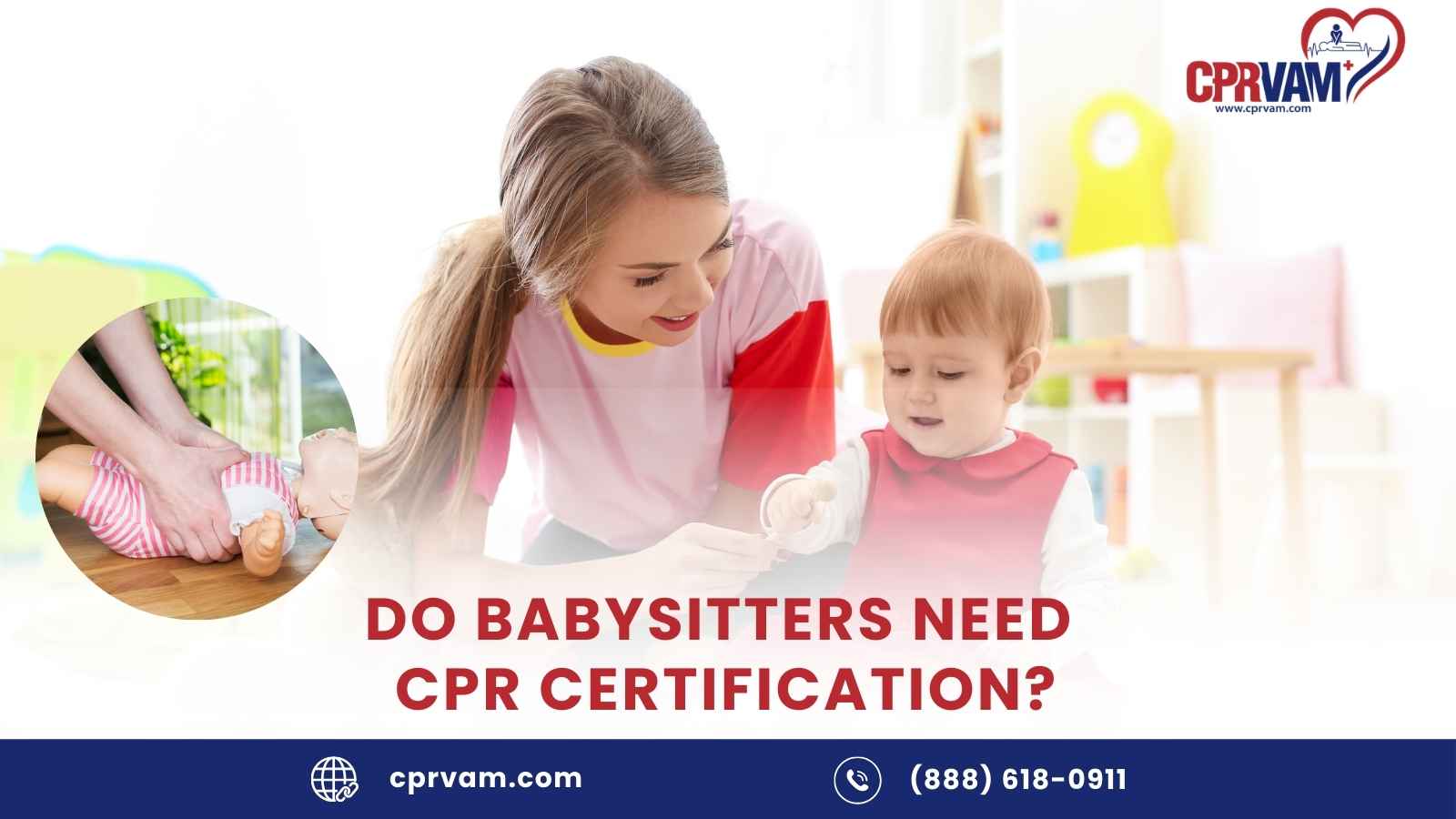
When it comes to childcare, safety is always the top priority. Babysitters are entrusted with the well-being of children, from infants to toddlers, and must be prepared to handle unexpected emergencies. One key skill that can make a significant difference in a child’s safety is Cardiopulmonary Resuscitation (CPR) certification. Knowing how to perform CPR equips babysitters with the ability to respond quickly and effectively in life-threatening situations like choking, drowning, or sudden cardiac arrest.
Parents and guardians often look for babysitters who are not only responsible but also trained in emergency procedures. CPR certification enhances a babysitter’s credibility, builds trust with families, and can even improve job opportunities in the competitive childcare market. While not always legally required, being CPR-certified demonstrates a commitment to child safety and professional preparedness.
This blog explores whether babysitters need CPR certification, why it is important, and how training can help caregivers provide safer, more confident childcare.
What Does CPR Certification Mean for Babysitters?
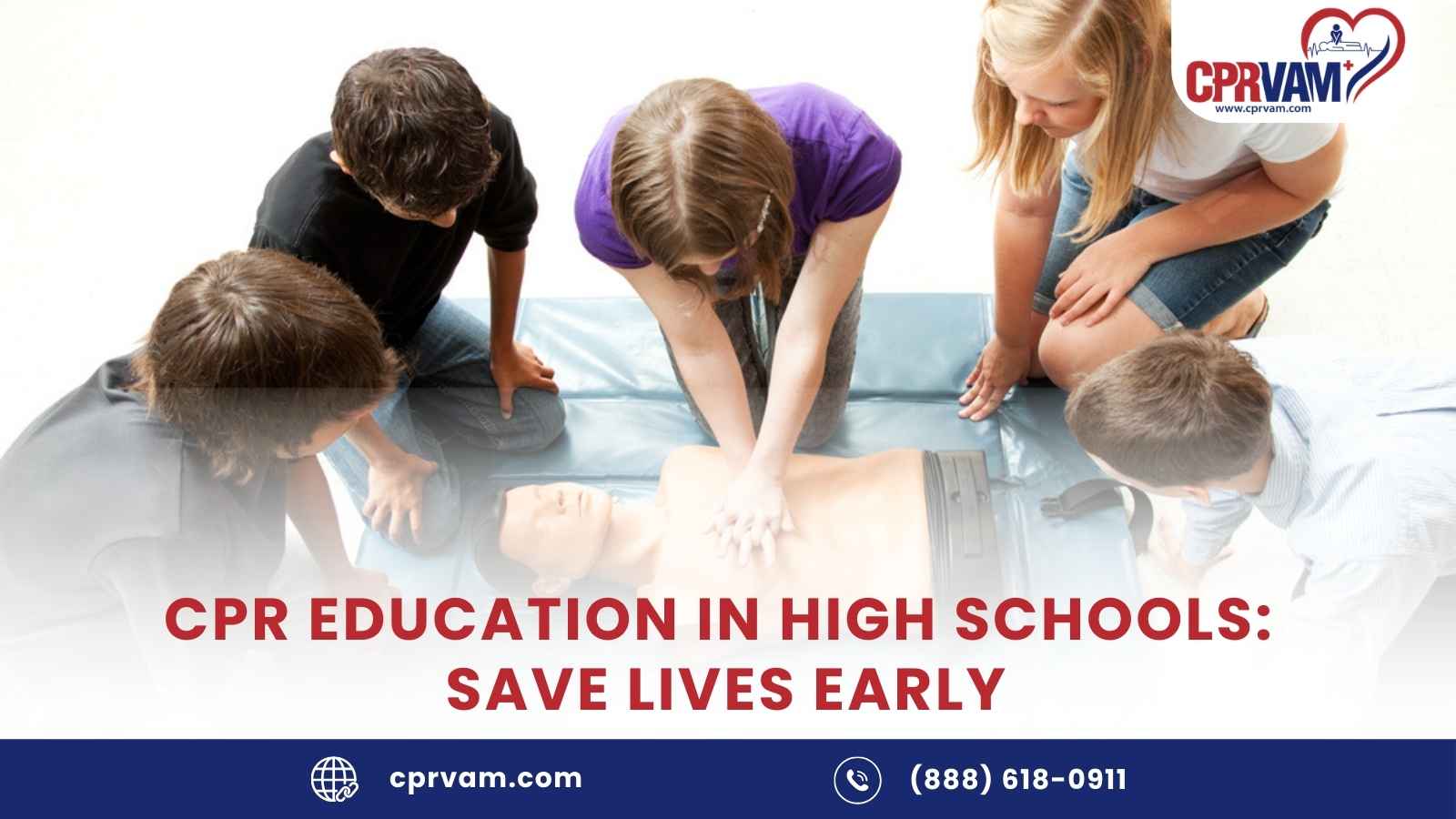
CPR certification for babysitters trains caregivers to respond to emergencies involving infants and children. It teaches life-saving skills like chest compressions, rescue breathing, and choking response, all designed for a child’s specific needs. This training ensures babysitters can act quickly and confidently in critical situations.
Babysitter-focused CPR emphasizes infant and child safety, preparing caregivers for choking, drowning, or breathing emergencies. Recognized programs from the American Red Cross and American Heart Association provide both theory and hands-on practice. Certified babysitters show they are responsible, skilled, and ready to protect children until professional help arrives.
Is CPR Certification Legally Required for Babysitters?
CPR certification is not required by law for private babysitters in the U.S., but rules can vary depending on the state, agency, or workplace. Babysitters working for professional agencies, daycare centers, or preschools usually need CPR and First Aid certification. The American Heart Association (AHA) recommends that all caregivers take CPR/AED training to handle emergencies like choking or cardiac arrest safely.
Even if it’s not legally required, CPR certification gives parents peace of mind, keeps children safer, and improves job opportunities for babysitters. Courses like AHA’s Heartsaver CPR and “Infant CPR Anytime” teach CPR for babies and children, choking relief, and AED use. Certification usually lasts two years, and more families prefer hiring babysitters who are trained and prepared.
Why CPR Certification Is Important for Babysitters
Babysitters are entrusted with the safety and well-being of children, and emergencies can happen at any time. CPR certification equips babysitters with life-saving skills, confidence, and credibility, making it one of the most valuable qualifications a caregiver can have.
Below are some of the reasons the CPR certification is important for babysitters:
1. Builds Credibility With Parents and Families
Parents naturally look for caregivers who are responsible, prepared, and able to handle unexpected situations. Babysitters with CPR certification demonstrate professionalism and a strong commitment to child safety, which builds trust and reassurance for families.
Having this certification signals to parents that the babysitter:
- Understands emergency procedures and can act quickly if a child is in danger.
- Prioritizes safety as a core part of their caregiving approach.
- Is committed to professional growth and skill development.
Ultimately, CPR certification gives parents confidence that their children are in capable and prepared hands, making it easier for babysitters to secure jobs and maintain long-term relationships with families.
2. Qualifies You for More Professional Opportunities
In the competitive childcare market, babysitters who hold CPR certification stand out from the crowd. Many families, nanny agencies, daycare centers, and childcare registries prefer or require CPR-certified caregivers, making it easier to secure jobs and higher-paying positions.
CPR certification can help babysitters:
- Access more professional roles with families and agencies that prioritize safety.
- Increase job security by showing they have essential emergency skills.
- Boost earning potential, as parents are often willing to pay more for trained, qualified caregivers.
Obtaining CPR certification allows babysitters to demonstrate professionalism and dedication, opening doors to new opportunities and building a strong reputation in the childcare field.
3. Demonstrates Training in Infant and Child Safety
Babies and young children have unique medical and safety needs, and emergencies involving them require specialized knowledge. CPR certification shows that a babysitter is trained to handle infant- and child-specific situations, such as choking, breathing difficulties, or sudden cardiac events.
Having this training allows babysitters to:
- Respond appropriately to age-specific emergencies, increasing a child’s chances of survival
- Handle common household accidents safely and effectively
- Reassure parents that their child is in the hands of a knowledgeable caregiver.
Overall, CPR certification proves that a babysitter is well-prepared to provide safe, competent care for children of all ages, not just older kids.
4. Prepares You to Respond to Life-Threatening Emergencies
Emergencies can happen in an instant, and children are particularly vulnerable to incidents like choking, drowning, or sudden cardiac arrest. CPR certification equips babysitters with the knowledge and confidence to act quickly and correctly, potentially saving a child’s life before professional medical help arrives.
With CPR training, babysitters can:
- Recognize signs of a medical emergency immediately.
- Perform life-saving techniques tailored for infants, children, or even adults in critical situations.
- Reduce the severity of an emergency by providing timely intervention.
Being prepared for life-threatening emergencies not only protects children but also reassures parents that their babysitter can handle critical situations calmly and effectively.
5. Supports First Aid and Overall Emergency Preparedness
CPR certification often goes hand-in-hand with basic first aid training, giving babysitters a broader set of skills to handle various emergencies. This training ensures that caregivers are prepared not only for life-threatening situations but also for common injuries and accidents that can happen at home.
With CPR and first aid training, babysitters can:
- Treat minor injuries like cuts, scrapes, burns, and bruises safely.
- Respond effectively to choking or breathing difficulties.
- Plan and act calmly during emergencies, keeping children safe while waiting for professional help.
- Develop an overall sense of readiness, which helps prevent panic and confusion.
Trained in CPR, first aid, and emergency preparedness, babysitters help protect children and reassure parents of their safety.
6. Reduces Panic During Emergencies
Emergencies involving children can be stressful and frightening, especially for babysitters who are unprepared. CPR certification gives caregivers the confidence and skills to stay calm, think clearly, and act quickly when every second counts.
With CPR training, babysitters can:
- Maintain composure in high-pressure situations.
- Follow proper emergency procedures without hesitation.
- Take decisive action that can prevent further harm or complications.
CPR-certified babysitters stay calm during emergencies, which helps keep children safe and reassures parents.
What CPR Training Covers for Babysitters
CPR training for babysitters goes beyond learning chest compressions; it provides comprehensive skills to respond effectively to emergencies involving infants, children, and sometimes adults.
Here’s what a typical CPR course covers:
Infant and Child CPR Techniques
Babysitters learn age-specific techniques for performing CPR on infants (under 1 year) and children (1-8 years). This includes proper hand placement, compression depth, and rescue breathing to ensure safety and effectiveness.Choking Response
Training teaches how to recognize choking and perform life-saving maneuvers, such as the chest thrusts or back blows for infants, to quickly clear airway obstructions.Use of an Automated External Defibrillator (AED)
Babysitters are instructed on how to safely use an AED in emergencies. The course covers placement, operation, and safety precautions, preparing caregivers to act confidently if a child’s heart stops.Recognition of Emergencies
Babysitters learn to quickly identify signs of cardiac arrest, breathing difficulties, or other life-threatening emergencies, enabling them to take prompt action.Safety and Prevention
Courses often include guidance on accident prevention, safe handling techniques, and creating a child-safe environment, which helps reduce the likelihood of emergencies.Confidence and Calmness in Crisis
CPR training emphasizes remaining calm and making clear, effective decisions during emergencies. This prepares babysitters to act efficiently and reduce panic while waiting for medical help.
How Babysitters Can Get CPR Certified
Babysitters can obtain CPR certification through a variety of reputable organizations and programs.
Here’s a step-by-step guide on how to get certified:
1. Choose a Recognized Certification Program
Look for CPR courses offered by accredited organizations such as:
- American Heart Association (AHA) – Provides CPR certification for laypersons and healthcare providers.
- American Red Cross (ARC) – Offers babysitter-focused CPR and first aid courses
- Local hospitals, community centers, or fire departments – Many offer affordable in-person courses
2. Decide Between Online or In-Person Training
- In-person courses include hands-on practice and instructor feedback, which is essential for mastering CPR techniques.
- Blended or online courses offer flexibility, allowing babysitters to complete the theory portion online and practice skills during a shorter in-person session.
3. Complete the Training
Courses typically cover:
- CPR for infants, children, and adults
- Choking response
AED use - Emergency preparedness and safety techniques
4. Pass the Certification Test
Most programs require a written exam and a practical skills demonstration to ensure that babysitters can perform CPR correctly and confidently.
5. Receive Your Certification
Once completed, babysitters receive a CPR certification card. Certification is usually valid for two years, after which a refresher course is recommended to maintain skills.
CPR Certification: Ensuring Safer, Professional Childcare for Babysitters
While CPR certification may not always be legally required for babysitters, it is an invaluable credential that enhances safety, builds trust with parents, and prepares caregivers to respond confidently in emergencies. Babysitters who are CPR-certified demonstrate professionalism, gain access to more opportunities, and are better equipped to handle life-threatening situations such as choking, drowning, or cardiac arrest. By obtaining CPR training, babysitters not only protect the children in their care but also provide families with peace of mind, making it a vital step toward safer, more responsible childcare.
To ensure you are fully prepared and recognized as a trusted caregiver, consider enrolling in CPR training with CPR VAM. CPR VAM offers AHA-approved CPR, BLS, ACLS, and PALS training classes, designed for both professionals and caregivers. By joining the appropriate course, you’ll gain hands-on, practical skills from certified instructors and build confidence in emergencies.
Don’t wait, invest in your skills today and become a CPR-certified babysitter who is ready to provide safe, professional, and life-saving childcare.