

Have you ever wondered how rescuers keep someone breathing during a cardiac arrest or drowning? From my experience in emergency response, few tools are as crucial as an Ambu bag. This simple, handheld device lets you deliver life-saving breaths when every second counts. Even if you’re not a healthcare professional, knowing how it works can make a real difference.
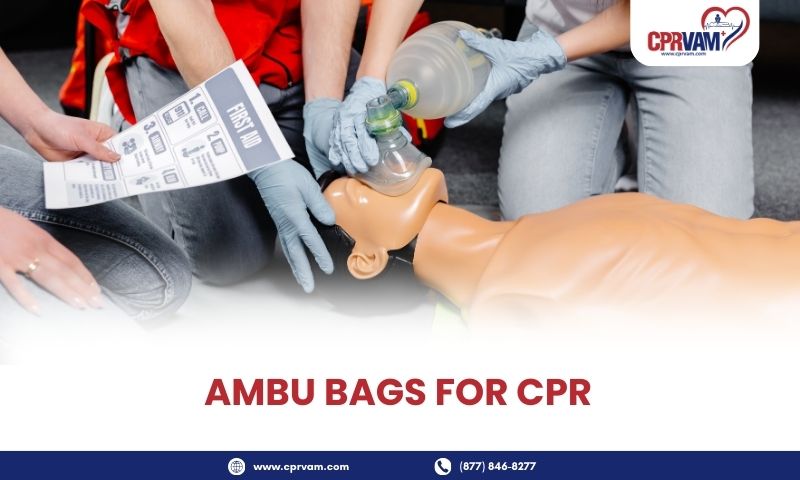
An Ambu bag, also called a Bag Valve Mask (BVM), has three key parts: a self-inflating bag, a face mask, and a one-way valve system. You squeeze the bag to push air into the patient’s lungs and let it refill automatically. It is commonly found in hospitals, ambulances, emergency rooms, first aid kits, and CPR and BLS training labs. Learning to use it correctly during CPR ensures effective ventilation while keeping both you and the patient safe.
This blog helps you learn what an Ambu bag is, how it works, its components, CPR techniques, and emergency uses, so you can respond confidently and save lives effectively.
Why Is the Ambu Bag Used in Emergency Situations?
The Ambu bag is a vital emergency tool that helps maintain oxygen flow, assist breathing, and prevent brain damage during critical situations like cardiac arrest, drowning, or respiratory failure. According to AHA 2025 guidelines, providing adequate ventilation along with chest compressions is essential to improve survival outcomes. Knowing how to use it correctly can increase survival rates, making it essential for hospitals, ambulances, and first responders.
Key Uses of an Ambu Bag:
- Restores or maintains oxygen to vital organs
- Assists breathing during respiratory arrest
- Provides ventilation during cardiac arrest
- Prevents brain injury from oxygen deprivation
- Acts as a bridge before mechanical ventilation
Common Situations for Use:
- Cardiac arrest
- Drowning incidents
- Drug overdose
- Asthma attacks or COPD failure
- Trauma or choking emergencies
- Surgical procedures under anesthesia
- Patient transport when ventilators are unavailable
Note: A study of 115 CPR cases showed a 15.2% survival increase with effective Ambu bag ventilation.
What Are the Main Components of an Ambu Bag?
The Ambu bag is a life-saving device used to provide manual ventilation during emergencies. Understanding its components helps you use it effectively and safely, ensuring proper oxygen delivery when seconds matter.
Components of Ambu Bag:
1. Self-Inflating Bag
The self-inflating bag is made of flexible silicone or plastic. When you squeeze it, air or oxygen is pushed into the patient’s lungs. The bag automatically re-expands, drawing in fresh air for the next breath. Learning to handle it correctly ensures you provide consistent ventilation without over-inflating the lungs.
2. Face Mask
The face mask creates an airtight seal over the patient’s nose and mouth. Masks come in adult, child, and infant sizes. By positioning it correctly, you ensure that the air you push from the bag reaches the lungs effectively. Proper placement helps you maximize oxygen delivery while reducing leaks.
3. One-Way Valve System
The one-way valve allows air to flow into the patient’s lungs when you compress the bag and prevents them from inhaling exhaled carbon dioxide. By understanding how the valve works, you can make sure that each breath you give is safe and effective, protecting both you and the patient.
4. Oxygen Reservoir
The oxygen reservoir is an optional attachment that can increase the oxygen concentration up to nearly 100%. When you connect supplemental oxygen, this reservoir ensures the patient receives high-concentration oxygen during ventilation. Using it correctly allows you to support patients in severe respiratory distress more effectively.
5. Oxygen Inlet
The oxygen inlet connects the Ambu bag to an external oxygen source. By attaching it properly, you can enrich the air you provide to the patient. Knowing how to use the inlet helps you maintain oxygen flow during emergencies, giving you control over the patient’s ventilation.
6. PEEP Valve (Optional)
The PEEP valve maintains pressure in the lungs at the end of exhalation. By using it, you prevent alveoli collapse, improve oxygenation, and enhance breathing efficiency. Proper use of this valve allows you to stabilize patients with compromised lung function during CPR or respiratory support.
7. Safety Pop-Off Valve (Infants/Pediatrics)
The safety pop-off valve prevents over-inflation of delicate lungs in infants and children. When you use it, you reduce the risk of lung injury while ensuring adequate ventilation. Understanding this feature helps you provide safe, effective care for pediatric patients.
How Does an Ambu Bag Deliver Life-Saving Breaths Step by Step?
The Ambu bag allows you to provide lifesaving breaths using positive pressure ventilation. Effective use improves survival during emergencies. Following AHA 2025 guidelines, the steps include:
1. Squeezing the Bag
When you squeeze the bag, air passes through the one-way valve into the patient’s lungs. You control the pressure to deliver safe breaths. This replaces the need for mouth-to-mouth ventilation.
2. Bag Self-Inflation
When you release the bag, it automatically refills with fresh air or oxygen. You don’t need to manually draw in air. This ensures you’re ready for the next breath immediately.
3. Patient Exhales
The patient exhales passively through the exhalation port, preventing rebreathing of carbon dioxide. You can watch the chest rise to confirm proper ventilation. This helps you ensure oxygen is effectively delivered.
4. Cycle Repeats
You repeat the squeeze-release cycle to mimic natural breathing. Observing skin color and oxygen saturation helps you gauge effectiveness. This continuous cycle keeps the patient’s organs supplied with oxygen.
What Types of Ambu Bags Are Available for Different Patients?
Ambu bags come in different types to meet the needs of patients of all ages. Choosing the right bag ensures you provide safe and effective ventilation. Knowing the differences helps you respond confidently in emergencies.
1. Adult Ambu Bag
This bag holds 1600-2000 ml and is designed for patients over 30 kg. You use it during cardiac arrest or respiratory failure. It delivers enough air to support adult lung capacity effectively.
2. Pediatric Ambu Bag
With a volume of 500-750 ml, this bag is ideal for children. It includes a safety pop-off valve to prevent over-inflation. You can safely provide ventilation tailored to a child’s lungs.
3. Infant/Neonate Ambu Bag
This small bag holds 250-500 ml and is made for delicate newborn lungs. You must handle it gently to avoid injury. It allows you to deliver precise breaths to infants in emergencies.
4. Specialized Ambu Bags
These include disposable, reusable silicone, MRI-safe, and infection-controlled models with viral filters. You can select one based on the situation and patient needs. They ensure safety and hygiene while maintaining effective ventilation.
How Do You Correctly Perform CPR With an Ambu Bag?
When you perform CPR with an Ambu bag can save lives, but you need proper technique to be effective. Using the bag correctly ensures the patient receives enough oxygen while keeping you safe. Understanding each step allows you to respond confidently in emergencies and provide life-saving ventilation.
1. Open the Airway
You start by opening the patient’s airway to allow effective ventilation. Use the head-tilt, chin-lift technique unless you suspect a spinal injury, then use the jaw-thrust method. Ensuring the airway is clear lets you deliver breaths efficiently and increases the chance of patient recovery.
2. Seal the Mask
Next, place the face mask over the patient’s nose and mouth. You use the C-E technique, forming a C with your thumb and index finger on the mask, and the other three fingers lift the jaw into an E shape. A proper seal prevents air leaks and ensures effective ventilation.
3. Deliver Manual Breaths
Squeeze the Ambu bag for about one second per breath while watching for a visible chest rise. You must avoid over-inflating the lungs, which can cause complications. Observing chest movement confirms that the air is reaching the lungs and that your ventilation is effective.
4. Follow CPR Ventilation Ratios
Maintain the recommended ventilation ratios: 30 compressions to 2 breaths for adults with one rescuer. For children and infants with two rescuers, follow a 15:2 ratio. You ensure the timing is consistent, which helps maximize oxygen delivery and improves patient survival chances.
5. Maintain Proper Breathing Rate
Provide breaths at the correct rate: one every 5-6 seconds for adults and one every 3-5 seconds for children or infants. You must stay steady and attentive, as proper timing maintains adequate oxygenation while preventing fatigue during prolonged resuscitation efforts.
What Common Problems Occur When Using an Ambu Bag and How Can You Fix Them?
Using an Ambu bag is life-saving, but challenges can arise if you’re not careful. Understanding common problems and knowing how to fix them ensures you provide effective ventilation. This knowledge helps you act quickly during emergencies and maintain patient safety while reducing your stress and risk of errors.
Problems and solutions are explained in the following way:
1. Mask Leak
A mask leak happens when the seal between the mask and the patient’s face isn’t tight. You can fix this by repositioning the mask or using the two-handed C-E technique. Switching to a larger or smaller mask can also help you maintain a proper seal and deliver effective breaths.
2. No Chest Rise
If you notice the patient’s chest isn’t rising, the airway may be blocked. You should reopen the airway and check for obstructions. Using an oropharyngeal airway, if you’re trained, helps ensure air reaches the lungs and improves the efficiency of your ventilation.
3. Stomach Inflation
Sometimes air can enter the stomach instead of the lungs, causing inflation. You can reduce this by applying gentler pressure and slowing the ventilation rate. Doing so allows you to focus on effective breathing and prevents complications like vomiting or aspiration during CPR.
4. Hand Fatigue
Squeezing the bag repeatedly can tire your hands quickly, reducing ventilation quality. You can switch rescuers or use a two-person technique to maintain consistent breaths. Taking turns ensures you stay effective and the patient receives continuous, adequate oxygen without interruption.
5. Valve or Bag Malfunction
A malfunctioning bag or valve prevents proper airflow, which can be life-threatening. You should replace the device immediately if it fails. Being prepared with backup equipment helps you continue ventilation safely and ensures the patient receives the oxygen they urgently need.
What Are the Latest Advancements in Ambu Bag Technology?
Ambu bags have evolved with new features that make them safer, more efficient, and easier for you to use. Modern upgrades improve ventilation quality, reduce fatigue, and ensure accurate oxygen delivery during emergencies, helping you provide better care for patients in critical situations.
Advancements:
- Ergonomic Grips: Help you maintain a firm hold and reduce hand fatigue during prolonged use.
- Smart Pressure Sensors: Alert you if the ventilation pressure is too high or too low.
- Integrated Manometers: Allow you to monitor delivered pressure accurately for safer ventilation.
- Anti-Asphyxia Features: Prevent accidental airway blockage, keeping the patient safer.
- Viral/Bacterial Filtration: Protect you and the patient from infections during use.
- Training Models with LED Indicators: Help you practice correct technique and improve skills efficiently.
Why Is Proper Training Essential Before Using an Ambu Bag?
Hands-on practice ensures you master correct mask sealing, proper hand positioning, airway management, ventilation assessment, and CPR coordination. By practicing these skills yourself, you become confident in providing effective ventilation during emergencies, fully aligning with AHA training standards and preparing you to act quickly and safely.
Training Essentials:
- Correct Mask Sealing: Ensures air enters the lungs efficiently without leaks.
- Proper Hand Positioning: Helps you maintain a secure grip and deliver consistent breaths.
- Airway Management Skills: Allow you to open and maintain the airway safely.
- Recognition of Adequate vs. Inadequate Ventilation: Helps you adjust technique promptly for effectiveness.
- Coordinating Breaths During CPR: Ensures timing aligns with compressions for optimal patient support.
Learn How to Use an Ambu Bag to Save Lives
Understanding how an Ambu bag works and practicing proper CPR techniques can make you a crucial lifesaver in emergencies. By learning its components, handling, and ventilation steps, you ensure oxygen reaches patients effectively. Take hands-on training seriously, stay confident, and be ready to act because your knowledge could save lives when every second truly matters.
Become a confident lifesaver with CPR VAM, an AHA-certified training center. Our expert instructors provide hands-on Ambu bag and CPR training, guiding you step by step so you’re fully prepared to act in real emergencies. Join us near your location and gain the skills that can save lives.
FAQs
1. How Does an Ambu Bag Help in Emergencies?
An Ambu bag lets you provide oxygen to someone who isn’t breathing properly. By squeezing the bag, air flows into the lungs through a one-way valve, and it refills automatically so you can continue giving life-saving breaths.
2. Can Anyone Use an Ambu Bag Safely?
Yes. Anyone trained in CPR and basic airway techniques can use an Ambu bag effectively. You’ll deliver safer breaths if you have hands-on experience from a certified course.
3. What Is the Correct Way to Use an Ambu Bag During CPR?
First, you open the airway, secure the mask using the C-E technique, and squeeze the bag to deliver breaths while watching the chest rise. Following proper CPR ratios and timing helps you maximize oxygen delivery effectively.
4. What Problems Should I Watch for When Using an Ambu Bag?
Common issues include mask leaks, no visible chest rise, air going into the stomach, hand fatigue, or device failure. Knowing how to fix these ensures that you provide continuous, effective ventilation.
5. Why is Hands-On Training Important For Using an Ambu Bag?
Even though the bag is easy to handle, proper technique is crucial for safe and effective breaths. Training gives you confidence to act quickly, manage issues, and coordinate compressions and breaths during real emergencies.