
What would you do if someone suddenly collapsed in front of you? Your first step is to quickly check responsiveness during CPR by calling out to the person, gently tapping their shoulder, and watching for any movement or reaction. This quick check helps you understand whether they are conscious and if they need immediate emergency help.
Before you begin chest compressions or call for advanced assistance, you must know whether the person is awake, alert, or unresponsive. This simple assessment guides your next actions and helps you respond with confidence.
This guide helps you to learn how to assess responsiveness safely, clearly, and calmly so you are ready when every second count
Why Does Checking Responsiveness Matter in CPR Emergencies?
Checking responsiveness is crucial because it tells you if a person is conscious, breathing normally, and able to protect their airway. If they do not respond and are not breathing normally, CPR should begin immediately. Recognizing unresponsiveness early can greatly improve survival outcomes.
Before jumping to the main reasons for checking responsiveness, you need to know the common causes of unresponsiveness, which include:
- Cardiac arrest
- Severe trauma or injury
- Stroke
- Respiratory failure
Key Reasons to Check Responsiveness During CPR Include:
- Prioritizing Emergency Care: Unresponsive people need immediate attention because their condition can get worse quickly. Checking helps you decide how urgent the situation is.
- Evaluating Potential Injuries: No response may signal a head injury, internal bleeding, or other serious trauma that needs medical help fast.
- Tracking Condition Changes: Checking repeatedly helps you see if the person is getting better or worse, which guides what actions to take next.
- Coordinating with Emergency Responders: Telling emergency responders about the person’s responsiveness helps them prioritize care and get the right equipment ready.
How Do You Ensure Scene Safety Before Checking Responsiveness?
Before approaching someone in an emergency, always ensure the area is safe. Look for hazards such as traffic, fire, electrical wires, flooding, or falling objects that could put you or the victim at risk. Your safety must come first because if you get injured, you won’t be able to help. Stay alert, assess the surroundings carefully, and only proceed once you are confident it is safe to assist the person.
What Is the Correct Way to Approach an Unresponsive Person?
After confirming the scene is safe, approach the person calmly and position yourself beside them. Kneel near their upper body to quickly assess their condition. Moving steadily and maintaining control helps keep the situation safe and predictable, reducing panic for both you and the victim. A calm, careful approach allows you to evaluate responsiveness, breathing, and other vital signs efficiently while preparing to provide lifesaving assistance if needed.
How Do You Check Responsiveness Using Verbal and Physical Stimuli?
When you check responsiveness using verbal and physical stimuli, start by calling out to the person and gently stimulating them if needed. Speak clearly and loudly, saying something like, “Are you okay?” or “Can you hear me?” Watch for eye movement, groaning, head turning, or other purposeful motions.
If there is still no response, tap or firmly shake the shoulder of adults and children, or gently tap an infant’s foot. If they do not react, treat them as unresponsive and begin emergency actions immediately, including calling 911 and starting CPR.
How Can You Check Breathing While Assessing Responsiveness?
After you confirm that the person is unresponsive, check for normal breathing for no more than 10 seconds. Watch for the chest rising and falling, listen for breath sounds, and feel for airflow at the nose or mouth. Focus on steady observation to see if breathing is regular or abnormal. If the person is not breathing normally, you should treat it as a medical emergency and begin CPR immediately.
How Do You Understand Different Levels of Responsiveness?
Understanding different levels of responsiveness is key in an emergency. If a person is responsive, they answer questions, move purposefully, and follow simple commands. If they are unresponsive, they show no reaction to your voice or touch, make no purposeful movements, and may have abnormal or no breathing. Recognizing these differences quickly helps you decide whether to monitor the person or begin emergency actions like calling 911 and performing CPR.
How Does Checking Responsiveness Differ from Checking Pulse in CPR?
When you check responsiveness, you’re seeing if someone is conscious and can react, which tells you whether immediate emergency action is needed. On the other hand, checking their pulse shows whether the heart is beating effectively, guiding you on whether to start chest compressions or focus on rescue breaths. Understanding the difference helps you act quickly and potentially save a life.
What Actions Should You Take for an Unresponsive Person?
If the person is unresponsive and not breathing normally, you should begin the chain of survival immediately. Call 911 or have someone nearby do it, and if an AED is available, bring it to the scene. Perform CPR right away, following the recommended compressions and rescue breaths. Acting quickly can significantly increase the person’s chances of survival, reduce the risk of brain damage, and provide critical support until professional help arrives.
What Should You Do If a Person Remains Unresponsive During CPR?
If a person remains unresponsive during CPR, you should continue performing cycles of 30 chest compressions and 2 rescue breaths without stopping. Switch with another rescuer every 1-2 minutes to avoid fatigue. Use an AED if available, following its voice prompts while you maintain CPR. Check the airway for visible blockages, watch for signs of life, and if the person starts breathing normally, place them in the recovery position and keep them warm.
Why Should You Call EMS Immediately When Someone Is Unresponsive?
You should call your local emergency number immediately so trained professionals and an AED can be dispatched to the scene. Early activation of EMS and rapid access to defibrillation are critical, as studies from the American Heart Association show they greatly improve survival chances during cardiac arrest. Prompt action ensures the person receives advanced medical care quickly, increasing their likelihood of recovery and minimizing the risk of long-term complications.
How Do You Start CPR After Checking Responsiveness?
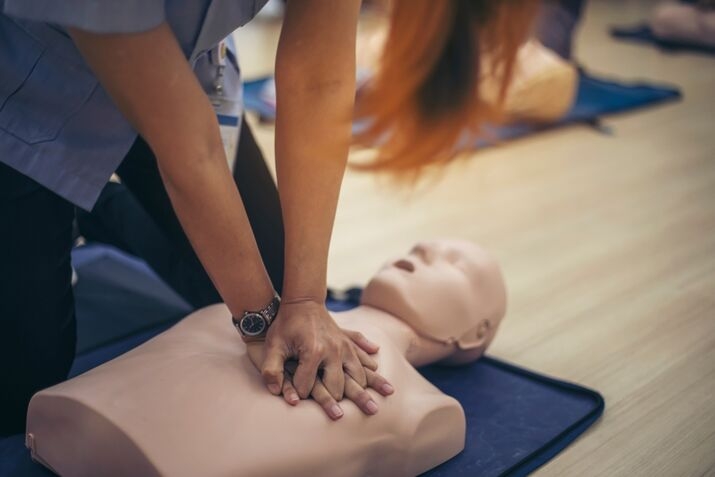
Begin CPR following the American Heart Association (AHA) guidelines by starting with chest compressions, which are the most important step. Place your hands in the center of the person’s chest and push hard and fast at 100–120 compressions per minute. Compress at least 2 inches (about 5 cm) for adults, allowing full chest recoil after each push. Your strong, consistent compressions help maintain blood flow to vital organs until professional help arrives.
Next, according to the AHA, if you are trained in rescue breaths, follow a cycle of 30 compressions and 2 breaths. Tilt the head back, lift the chin, seal the mouth, and give gentle breaths while watching for the chest to rise. If you are not trained, perform hands-only CPR with continuous compressions to maximize the person’s chance of survival.
When Should You Use an AED After Checking Responsiveness During CPR?
Use an AED immediately if the person is unresponsive and not breathing normally after you’ve checked responsiveness during CPR. Turn on the AED, follow the voice prompts, and attach the pads to the person’s bare chest. The device will analyze the heart rhythm and advise a shock if needed. Early defibrillation, combined with CPR, greatly increases the chances of survival in cardiac emergencies.
How Does Checking Responsiveness Differ in Children vs Adults?
For children, you should use gentler verbal and physical stimuli when checking responsiveness. Compress the chest about 1/3 of its diameter, ensuring your compressions are controlled and steady. For infants, you can stimulate by gently tapping the soles, using two fingers for chest compressions, and giving smaller, gentle rescue breaths.
The overall emergency response sequence remains the same for all ages: first, you check responsiveness, then assess breathing, call for help, and finally start CPR. Adjusting your technique for age and size ensures that compressions and rescue breaths are safe and effective, giving the child or infant the best chance of survival.
What Are the Common Mistakes You Make When Checking Responsiveness During CPR?
Checking responsiveness during CPR is a critical first step, but mistakes can happen. You might call out too quietly, skip physical stimulation, or misinterpret signs of breathing. Understanding these common mistakes helps you respond accurately and improve the person’s chance of survival.
Some common mistakes when checking responsiveness include the following:
- Being too gentle may prevent noticing an unconscious person.
- Wasting time on ineffective methods can delay care.
- Ignoring scene safety puts both rescuer and victim at risk.
- Not calling for help promptly slows emergency response.
- Misinterpreting agonal breathing as normal breathing may delay CPR.
Check Responsiveness and Take Action Quickly
In an emergency, your first moves can save a life. When you check responsiveness CPR, you immediately know if someone is awake, breathing, or needs chest compressions. Acting fast by calling 911, starting CPR, and using an AED if available can make all the difference. Stay calm, follow the steps, and trust your instincts. Every second matters, and your quick response could be the reason someone survives.
We are CPR VAM, an AHA-certified training center ready to help you turn knowledge into action. After learning how to check responsiveness and act quickly, you can enhance your skills with our CPR, BLS, ACLS, and PALS courses, guided by expert instructors, and be fully prepared to save lives.
FAQs
1. How Can You Tell if Someone is Awake or Not?
You can call out to the person and gently tap their shoulders while watching for any movement or speech. This helps you quickly know if CPR is needed.
2. What’s the Best Way to Get a Response from an Adult?
You should speak loudly, ask if they are okay, and gently tap their shoulders. Watch closely for any movement or talking so you can see if they are conscious.
3. How Do You Know When to Begin CPR?
If the person does not respond and is not breathing normally, you should start CPR right away. Acting quickly can save their life.
4. How Do You Check a Child or Baby for Responsiveness?
You can gently talk to them, tap their shoulders, or lightly tap a baby’s feet. Pay attention to any reaction so you know if they need emergency care.
5. What Should You Do if Someone is Unresponsive but Breathing?
You should place them in the recovery position and keep monitoring their breathing. You should call emergency services immediately and stay with them until help arrives.