
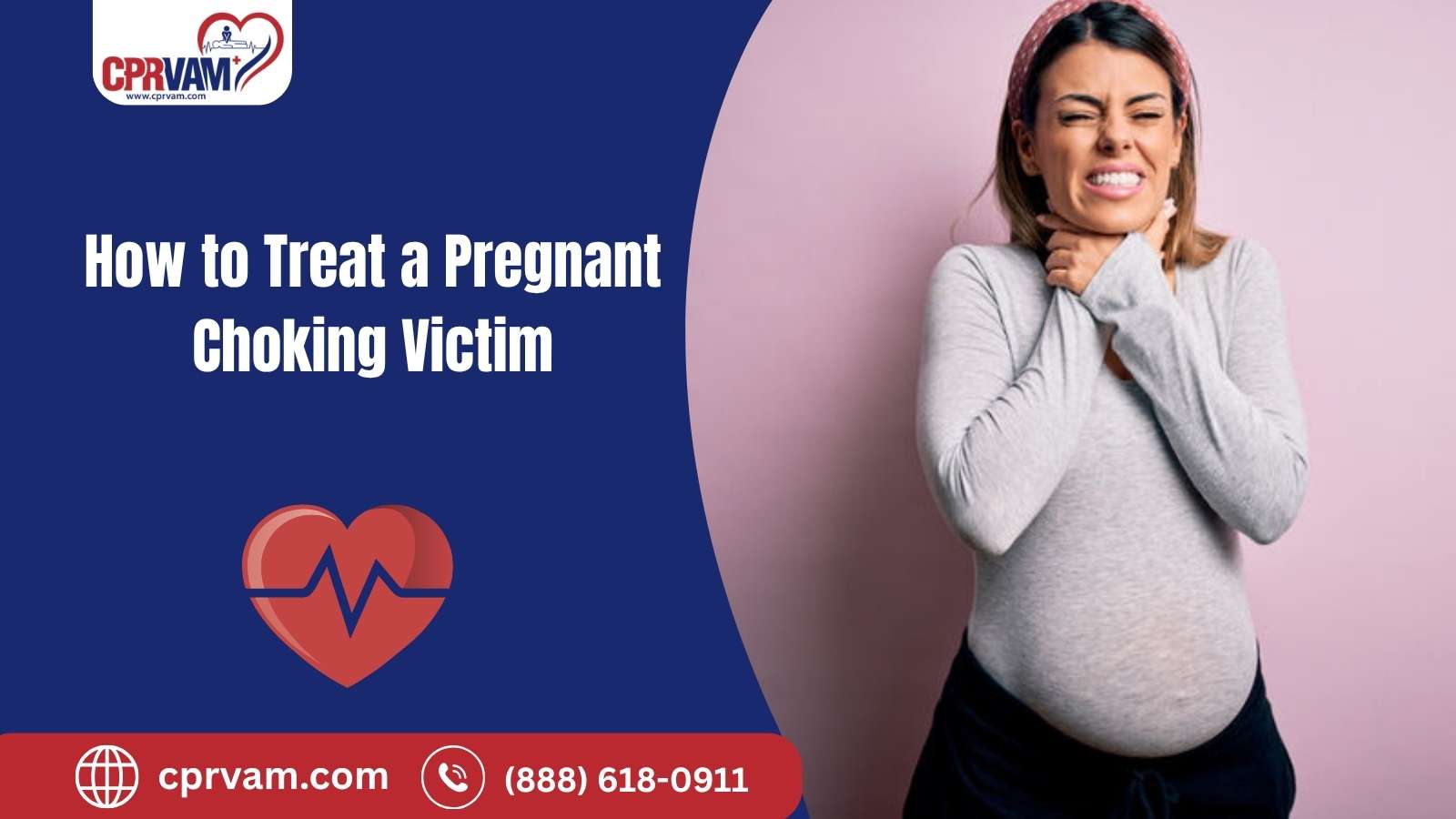
Choking is a sudden and potentially life-threatening emergency that can happen to anyone, including pregnant women. During pregnancy, even minor airway obstructions can become more serious because the body undergoes physical changes that affect breathing and oxygen flow. Prompt recognition and calm action are crucial to prevent complications for both the mother and the unborn baby.
Pregnant mothers may face higher risks due to changes in the respiratory system, reduced lung capacity, and increased pressure on the diaphragm. These factors can make breathing more difficult and make the effects of choking more severe. Understanding the urgency of such situations and knowing how to respond can make a significant difference in outcomes.
This blog provides essential guidance on handling choking emergencies involving pregnant women, helping caregivers stay aware, prepared, and confident in critical moments.
Why Pregnant Women Are at Higher Risk of Choking?
Pregnancy increases the risk of choking due to several physical and physiological changes. Some of the reasons pregnant women are at higher risk of choking are as follows:
Reduced Lung Capacity: The growing uterus in a pregnant lady pushes the diaphragm upward, making it harder to take deep breaths and clear the airway.
Throat and tTssue Swelling: Hormonal changes can cause swelling in the throat, tongue, and soft tissues, narrowing the airway.
Digestive Issues: Increased acid reflux and heartburn can make swallowing more difficult and increase choking risk.
Fatigue and Distraction: Pregnancy-related tiredness or multitasking during meals can lead to hurried eating or insufficient chewing.
Changes in Eating Habits: Cravings, diet changes, or increased snacking may lead to eating foods that are harder to swallow.
By understanding these risk factors, caregivers and bystanders can remain alert and prepared to respond quickly if a choking emergency occurs.
What Is the Step-by-Step Guide to Treating a Pregnant Choking Victim?
When a pregnant woman is choking but still conscious, acting quickly and safely is crucial. The goal is to remove the obstruction without causing harm to her or the unborn baby.
1. Assess the Situation
Check if the woman can cough, speak, or breathe.
If she can cough effectively, encourage her to continue coughing to clear the airway naturally.
If she cannot breathe, speak, or is turning blue, treat it as a complete airway obstruction. Coughing is the safest first attempt as it uses the body’s natural defense mechanism to clear the airway.
2. Call for Emergency Help
Dial 911 or your local emergency number immediately.
Ensure someone nearby is aware of the situation to provide additional assistance
3. Perform Back Blows
Stand slightly to the side and behind the victim.
Support her chest with one hand.
Using the heel of your other hand, deliver five firm, controlled back blows between the shoulder blades.
4. Perform Chest Thrusts
If back blows do not clear the airway, switch to chest thrusts, which are safer than abdominal thrusts during pregnancy.
To perform chest thrusts on a pregnant woman:
Stand behind the pregnant woman and place your arms under her armpits, wrapping around her chest.
Form a fist with one hand and position the thumb side of the fist against the center of the breastbone (sternum), just above where the ribs meet.
Grasp your fist with your other hand to secure proper placement.
Deliver firm, quick backward thrusts directly toward your own body.
Apply controlled pressure to compress the chest while avoiding any pressure on the abdomen.
Perform one thrust at a time, pausing briefly after each thrust to check if the object has been expelled.
If the airway remains blocked, continue alternating five chest thrusts with five back blows.
Continue this sequence until the object is removed, the woman can breathe or cough effectively, or she becomes unresponsive.
5. Monitor Continuously
Continuously observe the pregnant woman’s breathing, responsiveness, and level of distress while performing back blows and chest thrusts.
Be alert for worsening symptoms, including loss of consciousness, gasping, or absence of breathing.
Even after the airway is cleared, continue to monitor her closely until professional medical help arrives, as further evaluation is necessary for both the mother and the unborn baby.
What Should You Do If The Pregnant Woman Becomes Unresponsive?
If a pregnant woman who was choking becomes unresponsive, this is a medical emergency. Act immediately while ensuring the safety of both the mother and the unborn baby.
Follow these steps to assist a pregnant victim who is unresponsive due to choking:
Carefully support and lower her to the ground, placing her on a firm, flat surface while protecting her head and neck.
Call emergency services right away if this has not already been done, or ask someone nearby to make the call.
Begin CPR with chest compressions immediately, placing your hands in the center of the chest on the breastbone. Push hard and fast at a steady rhythm and allow the chest to fully recoil between compressions.
After each set of 30 chest compressions and before giving rescue breaths(if you are trained), open the mouth and look for a visible obstruction. Remove it only if you can clearly see it and never perform blind finger sweeps.
Continue CPR until the airway is cleared, the woman shows signs of life, or emergency medical professionals take over.
How to Prevent Choking During Pregnancy?
While not all choking incidents can be avoided, pregnant women can significantly reduce their risk by adopting safe eating and lifestyle habits.
The following preventive measures are especially important during pregnancy:
Eat Slowly and Mindfully: Take small bites and chew food thoroughly before swallowing.
Sit Upright While Eating: Avoid lying down or reclining during meals to help food move smoothly through the throat.
Avoid Talking or Laughing While Chewing: Distractions can increase the risk of food entering the airway.
Choose Foods Carefully: Be cautious with dry, hard, sticky, or tough foods that are difficult to chew and swallow.
Manage Acid Reflux: Eat smaller, more frequent meals and avoid trigger foods to reduce heartburn and swallowing difficulties.
Stay Hydrated During Meals: Drinking water helps soften food and makes swallowing easier.
Avoid Rushing Meals: Fatigue and stress can lead to hurried eating, increasing choking risk.
Cut Food Into Small Pieces: This is especially helpful when eating meat, fruits, or vegetables.
Follow Medical Advice for Swallowing Issues: If experiencing frequent choking or difficulty swallowing, consult a healthcare provider.
By practicing these preventive steps, pregnant women can lower their risk of choking and maintain safer eating habits throughout pregnancy.
What Are the Common Mistakes to Avoid During a Choking Emergency?
During a choking emergency, especially when the victim is pregnant, avoiding common mistakes is just as important as knowing the correct first aid steps.
The following errors can worsen the situation or cause serious harm:
Do Not Perform Abdominal Thrusts (Heimlich maneuver): Abdominal thrusts can injure the uterus and harm the unborn baby. Always use chest thrusts instead.
Do Not Interfere If the Person is Coughing Effectively: Forceful coughing is the body’s natural way to clear the airway. Intervening too early can make the obstruction worse.
Do Not Perform Blind Finger Sweeps: Inserting fingers into the mouth without seeing the object can push it deeper into the airway.
Do Not Delay Calling Emergency Services: Always call for professional help early, especially if breathing is severely restricted.
Do Not Panic or Act Recklessly: Panic can lead to incorrect actions. Stay calm and focused to provide effective assistance.
Do Not Slap the Back While the Person Is Upright and Coughing: Back blows should only be performed when the person cannot breathe or cough.
Do Not Leave the Person Unattended: Continuous monitoring is essential in case the situation worsens or the person becomes unresponsive.
Do Not Assume the Danger Has Passed: Even after the object is removed, medical evaluation is important to rule out internal injuries or complications.
Be Prepared to Act: Learn Life-Saving First Aid Today
Choking during pregnancy is a serious medical emergency that requires quick recognition and correctly modified first-aid techniques to protect both the mother and the unborn baby. Because abdominal thrusts are unsafe, the proper response involves encouraging effective coughing, followed by back blows and chest thrusts when the airway is severely blocked, and immediate CPR if the woman becomes unresponsive. Understanding the unique risks pregnancy presents, knowing what actions to take, and what to avoid, and adopting preventive eating habits can significantly reduce complications and improve outcomes. Being prepared and confident in these life-saving steps can make a critical difference in moments when every second matters.
To strengthen your readiness, consider enrolling in CPR VAM’s CPR training near your location, where you will learn PALS, ACLS, and BLS courses, all of which are AHA-approved and designed to meet the highest standards of emergency care training. These courses provide hands-on skills, up-to-date guidelines, and professional certification that empower healthcare providers, caregivers, and community members to respond effectively in real-life emergencies. Investing in proper training today can help you save lives tomorrow.