
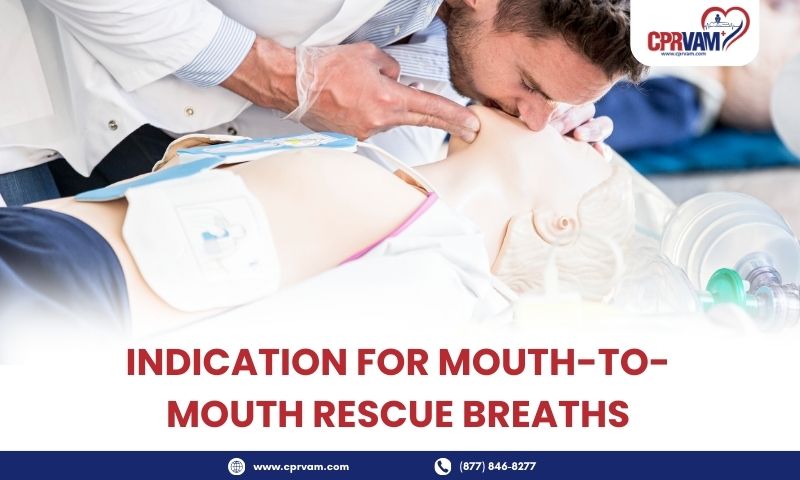
Emergencies can happen anytime, and knowing exactly what to do can save a life. Mouth-to-mouth rescue breaths are one of the most critical lifesaving skills, especially when someone stops breathing. If you ever find yourself in a situation where every second counts, understanding the right indications for rescue breaths can make you an effective and confident responder.
Not every emergency requires mouth-to-mouth, and performing it at the wrong time can be ineffective or risky. You need to recognize clear signs like the absence of breathing, respiratory distress, or certain cardiac events. Following evidence-based steps from trusted sources like the American Heart Association ensures you provide oxygen safely, protect the brain, and increase the victim’s chances of survival.
This guide breaks down when and how to perform mouth-to-mouth rescue breaths, covering essential signs, step-by-step techniques, safety measures, and common pitfalls to help you act confidently and save lives.
Why Are Mouth-to-Mouth Rescue Breaths Important?
Mouth-to-mouth rescue breaths are a critical part of performing CPR when someone stops breathing. According to the American Heart Association, brain damage can begin within 4-6 minutes without oxygen. By knowing when and how to give rescue breaths, you can keep blood oxygenated, protect the brain, improve survival, and respond effectively in emergencies like drowning or drug overdose. When you perform CPR correctly, including rescue breaths, you make a real difference.
Breaking down the key points:
- Oxygenation
By giving rescue breaths, you supply essential oxygen to the blood during CPR. - Brain Preservation
AHA data shows that without oxygen, brain cells start dying in just minutes, so you must act fast. - Increased Survival Rates
When you combine rescue breaths with chest compressions, CPR becomes more effective, especially for children or drowning victims. - Multiple Emergency Uses
You can use rescue breaths in emergencies like choking, trauma, or respiratory arrest. - Empowerment
Knowing how to give rescue breaths and perform CPR gives you the confidence to save lives.
When Should Mouth-To-Mouth Rescue Breaths Be Given?
Knowing when to perform mouth-to-mouth rescue breaths is crucial. You should act when oxygen delivery is compromised, even if the heart is still beating. Understanding these situations ensures you can maintain oxygen flow, protect the brain, and increase a victim’s chance of survival.
Here are the situations when mouth-to-mouth rescue breathing is performed:
1. Absence of Breathing
If someone stops breathing or shows irregular, ineffective breaths, you need to perform rescue breaths immediately. By giving air to their lungs, you keep oxygen circulating in the blood and prevent brain damage. Acting quickly ensures you make a real difference in emergencies.
2. Respiratory Distress
When a person struggles to breathe, gasping or wheezing, you can help by giving rescue breaths. You stabilize oxygen levels while waiting for EMS. By noticing these warning signs, you can intervene safely and support life effectively.
3. Cardiac Arrest With Respiratory Cause
In cases where cardiac arrest results from breathing problems such as drowning or drug overdose, rescue breaths are essential. You provide oxygen while performing CPR, which significantly improves survival. Knowing this helps you respond appropriately in high-risk situations.
4. Drowning or Suffocation
If a person’s airway is blocked or their lungs are filled with water, you need to deliver rescue breaths.By carefully ventilating the lungs, you help restore oxygen to the blood and vital organs, which can help resuscitate drowning victims and sustain life until professional help arrives. Acting correctly allows you to protect the brain and preserve life.
5. Drug Overdose or Poisoning
Certain substances can slow or stop breathing. You can help by giving rescue breaths to maintain oxygen in the bloodstream until professionals arrive. By acting promptly, you keep organs functioning and buy critical time for emergency treatment.
6. Severe Allergic Reactions such as Anaphylaxis
Airway swelling from a severe allergic reaction may stop breathing. You can provide rescue breaths while waiting for epinephrine or EMS intervention. By acting quickly, you help sustain oxygen delivery and protect the brain during this life-threatening situation.
7. Trauma
Head, chest, or neck injuries can compromise breathing. You may need to administer rescue breaths to maintain oxygen flow until professional care arrives. By responding safely and correctly, you ensure vital organs continue receiving oxygen, improving survival outcomes.
8. Choking After Obstruction is Cleared
After a choking obstruction is cleared, the person may still be unresponsive or struggling to breathe. You can perform rescue breaths to restore oxygen to their lungs. By acting carefully and promptly, you maximize the chances of a full recovery.
When Should Mouth-to-Mouth Rescue Breaths Not Be Performed?
Although mouth-to-mouth rescue breaths can save lives, you should know when not to use them. Performing rescue breaths at the wrong time can be ineffective or even harmful. Understanding these limits helps you act safely, protect both yourself and the victim, and make the best decisions in an emergency.
- Normal Breathing
Rescue breaths are not needed when the person is breathing normally, as unnecessary intervention could cause harm. - Risk of Infection
Avoid performing rescue breaths if there is a high risk of infection or contamination to protect both the rescuer and the victim. - Severe Trauma
In cases of severe trauma, airway manipulation could worsen injuries, so rescue breaths should be withheld. - Inability to Perform Effectively
If breaths cannot be given properly, it is safer to rely on hands-only CPR to maintain circulation.
How Do You Perform Mouth-to-Mouth Rescue Breaths Step by Step?
Understanding how to perform mouth-to-mouth rescue breaths correctly is essential for effective CPR. The American Heart Association recommends combining rescue breaths with chest compressions in most cases, especially for children, drowning victims, or respiratory-related cardiac arrest. Following these steps carefully helps you maintain oxygen flow, protect the brain, and save lives.
Here are the steps to perform mouth-to-mouth rescue breaths:
1. Ensure Scene Safety
First, make sure the area around you and the victim is safe. Assess the environment to prevent further injuries and allow you to provide help confidently without putting yourself at risk.
2. Position the Victim
Next, lay the person flat on their back on a firm surface. If a spinal injury is suspected, stabilize the neck carefully. Proper positioning ensures that rescue breaths are effective and minimizes the chance of worsening injuries.
3. Open the Airway
Then, tilt the head back and lift the chin to clear the airway. This allows air to flow freely into the lungs, ensuring the breaths you give reach the lungs efficiently.
4. Check for Breathing
After opening the airway, observe the chest, listen for sounds, and feel for normal breathing for about ten seconds. If the person is not breathing or breaths are irregular, rescue breaths are necessary.
5. Gently Block the Nose
Once you are ready to give a breath, gently pinch the nostrils closed. This prevents air from escaping and ensures that the air you provide goes directly into the lungs for maximum oxygen delivery.
6. Cover the Mouth
Next, cover the victim’s mouth completely with your own to form a tight seal. A proper seal ensures that air does not leak out and that each breath effectively ventilates the lungs.
7. Deliver the Breath
Give a slow, steady breath lasting about one second while watching the chest rise. Observing the chest confirms that air is entering the lungs correctly. Adjust if necessary to make each breath effective.
8. Remove Mouth and Let Exhale
After giving a breath, remove your mouth and let the victim exhale naturally. This allows the lungs to empty before the next breath and keeps ventilation safe and effective.
9. Repeat
Finally, provide a second rescue breath and then continue with thirty chest compressions. Follow the CPR cycle recommended by the American Heart Association until the person starts breathing normally or EMS arrives.
What Are the Common Mistakes to Avoid During Rescue Breaths?
Even small errors during rescue breaths can reduce their effectiveness or harm the victim. By learning the common mistakes, you can act confidently, give breaths properly, and make CPR more effective, ensuring oxygen reaches the lungs and improves survival chances.
Some common mistakes during rescue breathing are as follows:
- Poor Seal
If air escapes because the seal is not tight, your rescue breaths will not reach the lungs effectively, so make sure you form a proper seal. - Insufficient Head Tilt or Chin Lift
If the airway remains blocked, your breaths may not ventilate the lungs, so you need to tilt the head and lift the chin correctly. - Blowing Too Hard or Fast
Overly forceful breaths can inflate the stomach or cause injury, so you should give slow, steady breaths to protect the victim. - No Chest Rise
If you do not see the chest rise, the air is not entering the lungs properly, so you must adjust your technique to ensure effectiveness. - Skipping Reassessment
Failing to check for changes in breathing or pulse can reduce your effectiveness, so you should continually reassess while performing CPR.
Special Considerations
- Infants and Children
You should give gentle breaths covering both nose and mouth to avoid injury and ensure proper ventilation. - Barrier Devices
Using a face shield or mask reduces infection risk, so you can perform rescue breaths safely. - Single Rescuer CPR
When acting alone, maintain the 30 compressions to 2 breaths ratio to maximize oxygen delivery and maintain effective CPR.
Act Quickly When Breathing Stops to Save a Life
Emergencies happen fast, and knowing exactly when to give mouth-to-mouth rescue breaths can make all the difference. By recognizing the signs, following American Heart Association guidelines, and performing CPR correctly, you maintain oxygen flow, protect the brain, and boost survival chances. Practice these skills, avoid common mistakes, and stay prepared. When breathing stops, your prompt, confident action can save a life in critical moments.
Enroll in CPR classes at CPR VAM near your location and master life-saving skills. Learn hands-on techniques from expert instructors at our AHA-certified training centers, gain confidence in rescue breaths, and be ready to save lives effectively.
FAQs
1. When Should You Give Mouth-To-Mouth Rescue Breaths?
You should give rescue breaths when a person is not breathing, struggling to breathe, or experiencing a respiratory-related cardiac arrest. Acting quickly helps maintain oxygen in the blood and protects the brain until help arrives.
2. Can You Perform CPR Without Mouth-To-Mouth Breaths?
Yes. Hands-only CPR is recommended for adults in sudden cardiac arrest when you cannot safely perform rescue breaths. You still maintain blood circulation, but adding breaths is crucial for children, drowning victims, or respiratory emergencies.
3. How Many Rescue Breaths Should You Give During CPR?
You should give two slow rescue breaths after 30 chest compressions, following the American Heart Association cycle. Watching the chest rise confirms air is entering the lungs correctly and helps you deliver effective ventilation.
4. Are Rescue Breaths Safe for Infants and Children?
Yes. But you need to give gentle breaths covering both the nose and mouth. By adjusting your technique, you ensure proper oxygenation without causing injury, which is especially important when you are a first responder.
5. When Should You Avoid Giving Mouth-To-Mouth Breaths?
You should avoid rescue breaths if the person is breathing normally, has severe trauma, or if there is a high infection risk. If you cannot perform breaths effectively, hands-only CPR is safer and still helps the victim.