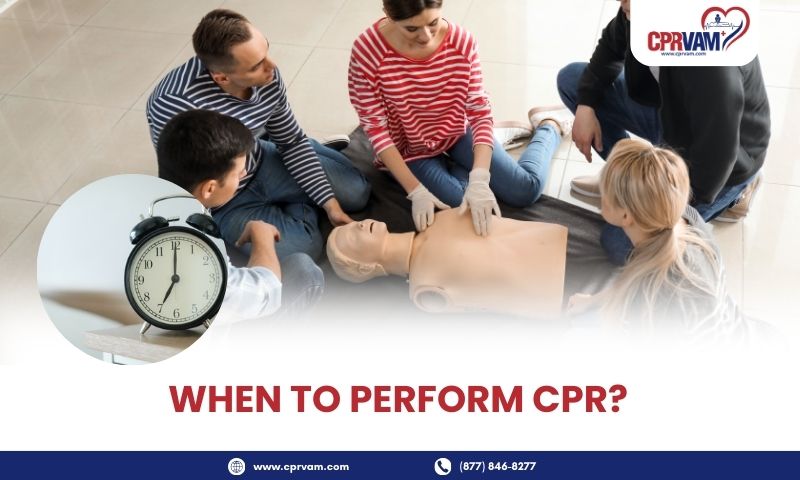
Knowing when to perform CPR can make the difference between life and death. CPR is needed when a person is unresponsive, not breathing, or only gasping. In these moments, the heart is no longer pumping enough oxygen to the brain. The American Heart Association reports that early CPR can double or triple survival rates. Acting fast, calling 911, and starting CPR right away gives the person the best chance of recovery.
CPR is often required during sudden cardiac arrest, drowning, choking, or severe injury. When breathing stops, blood flow shuts down within seconds. CPR helps keep oxygen moving until professional help arrives. If you’re ever unsure, remember this rule: start CPR if the person isn’t responding or breathing normally. Taking a CPR course from the AHA or Red Cross can prepare you to step in confidently during an emergency.
This guide explains what CPR is, how to recognize the signs that someone needs it, and the emergencies where it can save a life, giving you the knowledge to respond quickly and confidently.
Why is CPR Crucial During Cardiac Emergencies?
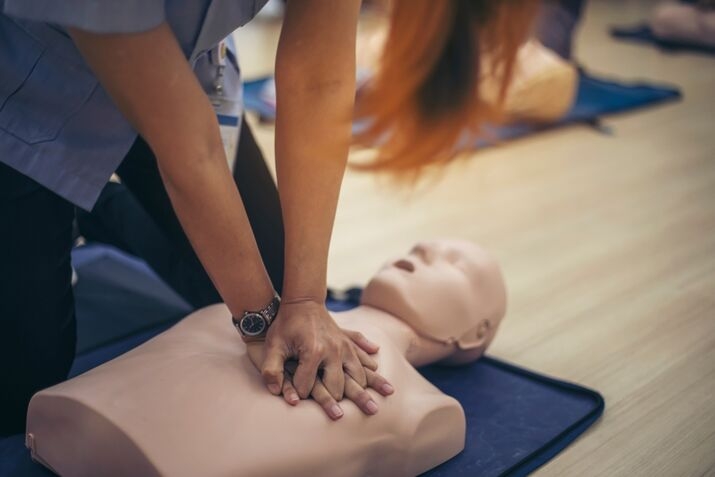
CPR is a life-saving procedure used when someone experiences cardiac arrest or stops breathing. It combines chest compressions and rescue breaths to keep blood flowing and deliver oxygen to vital organs, especially the brain and heart. Quick action can prevent permanent damage and significantly increase survival chances during emergencies.
For untrained bystanders, hands-only CPR is recommended, while trained responders should include rescue breaths. Chest compressions maintain circulation, and rescue breaths supply oxygen to the lungs. Acting immediately and effectively can sustain life until professional medical help arrives. Learning CPR empowers you to respond confidently and save lives in critical situations.
How Do You Know When to Perform CPR?
Knowing when to perform CPR can save a life. Key signs include unresponsiveness, no normal breathing, or only gasping. Recognizing these symptoms quickly allows you to act immediately, maintain blood flow, and improve the person’s chances of survival.
Here are some common signs that indicate when to perform CPR during an emergency as follows:
1. If Person Is Unresponsive
If a person is unresponsive and does not react to verbal commands, tapping, or other stimulation, it may mean their brain isn’t getting enough oxygen due to a stopped heartbeat. Recognizing this quickly is vital. You should call emergency services right away and start CPR while waiting for help, as your prompt action can save a life.
2. Not Breathing or Gasping
When someone is not breathing or only gasping, called agonal breaths, they are not getting enough oxygen. These breaths are irregular, slow, and cannot sustain life. You should act immediately and start CPR. If you are untrained, hands-only chest compressions can help keep blood and oxygen flowing to the brain and heart until emergency help arrives.
3. When the Victim Has No Pulse
A person with no pulse is in immediate danger because their heart isn’t circulating blood to vital organs. You need to act quickly. If the person is unresponsive and not breathing, start CPR right away. Even without training, performing chest compressions can help maintain blood flow and improve survival until professional medical help arrives.
4. Collapse and Cardiac Arrest
When an adult suddenly collapses, it may be a sign of cardiac arrest, which can happen without warning. You need to act immediately because every second counts and survival decreases quickly. If you witness this, check if the person is responsive and breathing. Start CPR right away if needed to give them the best chance of survival.
What Are the Most Common Emergencies That Require CPR?
CPR is often required in a variety of life-threatening emergencies where the heart or breathing stops. Understanding these common scenarios helps you recognize when immediate action is necessary.
Below are the most common scenarios in which CPR may be necessary to keep someone alive until medical professionals arrive:
1. Cardiac Arrest
Cardiac arrest is one of the most common situations where CPR is needed. It happens when the heart suddenly stops beating, cutting off blood flow to the brain and other vital organs. Without immediate intervention, permanent organ damage or death can occur within minutes. Performing CPR in this situation helps maintain blood circulation through chest compressions and provides oxygen to the body through rescue breaths, sustaining life until professional medical help arrives. Prompt action is crucial to improving survival chances.
2. Choking
Choking is another common situation where CPR may be required. It occurs when the airway is partially or completely blocked by food, objects, or other materials, preventing the person from breathing normally. If the person becomes unresponsive and cannot breathe, CPR should be started immediately. For trained responders, attempts to clear the airway using techniques such as the Heimlich maneuver should be made before or during CPR. Quick action is essential, as oxygen deprivation can cause brain damage within minutes, making immediate CPR life-saving.
3. Drowning
Drowning is a life-threatening emergency that often requires CPR because oxygen deprivation can quickly lead to cardiac arrest. When a person is pulled from water, they may be unresponsive and not breathing. Performing CPR immediately helps restore oxygen flow to the brain and vital organs. In drowning cases, rescue breaths are especially important because the primary problem is a lack of oxygen rather than a heart issue. Prompt CPR can significantly improve survival chances and reduce the risk of long-term brain damage.
4. Electrocution
Electrocution is a potentially fatal incident that can cause the heart to stop or trigger dangerous abnormal rhythms. If a person exposed to electricity becomes unresponsive or stops breathing, CPR should be started immediately, but only after ensuring the scene is safe. Performing chest compressions and rescue breaths helps maintain circulation and oxygen supply to vital organs until professional medical assistance arrives. Prompt action in this circumstance can be life-saving and greatly improve the chances of survival.
5. Drug Overdose
A drug overdose is a critical condition that can suppress breathing and lead to cardiac arrest. When a person becomes unresponsive and stops breathing, immediate CPR is essential to maintain oxygen flow to the brain and vital organs. For opioid overdoses, administering naloxone, if available, alongside CPR can greatly increase the chances of survival. Acting quickly in this scenario can prevent permanent brain damage and save a life.
6. Smoke Inhalation
Smoke inhalation is a dangerous condition that can deprive the body of oxygen and damage the lungs, potentially leading to respiratory failure or cardiac arrest. If a person becomes unresponsive or is not breathing, CPR should be started immediately. Removing the person from the smoke-filled area is equally important to prevent further harm. Quick intervention in this scenario can help restore oxygen to vital organs and increase the chances of survival.
7. Severe Trauma
Severe trauma is a critical case where CPR may be necessary. Major injuries from accidents, falls, or collisions can lead to cardiac arrest or respiratory failure. If the person becomes unresponsive or stops breathing, immediate CPR can help maintain blood circulation and supply oxygen to vital organs. Prompt action increases the chances of survival until professional medical assistance arrives.
How Quickly Do You Need to Start CPR to Save a Life?
CPR should be started immediately whenever a person is unresponsive and not breathing normally, or if they collapse suddenly without any prior warning. Every second counts because brain cells begin to die within 4-6 minutes of oxygen deprivation, and the chances of survival decrease by 7-10% for every minute that CPR is delayed.
For bystanders, it is critical to call emergency services first and then start CPR without hesitation. If you are trained, check for responsiveness, breathing, and pulse quickly (no more than 10 seconds) before beginning chest compressions and rescue breaths. For untrained individuals, hands-only CPR (continuous chest compressions) should be started immediately if the person is unresponsive and not breathing normally, without waiting to check the pulse.
Starting CPR as quickly as possible keeps blood circulating to vital organs, especially the brain and heart, buying precious time until professional help arrives. Delaying CPR even by a few minutes can significantly reduce survival chances, making rapid recognition and immediate action crucial in all cardiac emergencies.
When Should You Avoid Performing CPR?
While CPR can save a life in many emergencies, it is not always the right action to take. In certain circumstances, performing CPR can be unsafe, ineffective, or even harmful. It’s important to recognize these situations so you can respond appropriately and protect both yourself and the victim.
Here are the key instances when CPR should not be performed:
1. Your Life is in Danger
CPR should never be attempted if the rescuer’s own safety is at risk. For example, if there is fire, electrical hazards, violent surroundings, or chemical exposure, prioritize getting yourself to safety first. Performing CPR in a dangerous environment could result in additional injuries or fatalities.
2. Signs of Life
If the person is breathing normally, responsive, or has a detectable pulse, CPR is not required. Performing chest compressions on someone with a functioning heart and lungs can cause unnecessary injury. Always check for clear signs of life before starting CPR.
3. Do Not Resuscitate (DNR) Orders
Some individuals may have a legally recognized DNR order, indicating they do not want CPR in case of cardiac or respiratory arrest. Respecting DNR orders is essential, and CPR should not be initiated on anyone with such documentation.
4. Death of Victim
If there are clear signs of irreversible death, such as rigor mortis, decapitation, or decomposition, CPR is futile and should not be performed. Attempting resuscitation in these circumstances is unnecessary and cannot revive the individual.
5. In Case of Poisoning
Certain types of poisoning or chemical exposure may require specialized medical intervention rather than standard CPR. In such cases, it is important to call emergency services immediately and follow their guidance rather than performing CPR that may not be effective.
6. Highly Contagious Diseases
If the person has a highly contagious or infectious disease, take precautions to protect yourself. Use barriers such as masks or gloves, and follow local health guidelines. In extreme cases, if proper protection is unavailable, CPR may be delayed until safety can be ensured.
What Should You Do If You Can’t Perform CPR?
If you cannot perform CPR during an emergency, the first step is to call 911 immediately. Provide clear details about the person’s condition, location, and any visible symptoms. Follow the dispatcher’s instructions carefully, as they can guide you on how to assist safely. Keep calm and act promptly to help the victim as best as you can.
While waiting for professional help, ensure the person is in a safe environment and remove any hazards nearby. Monitor their breathing and responsiveness continuously. If an AED (Automated External Defibrillator) is available, follow its prompts to maintain heart function. Even without CPR, these steps can significantly increase the person’s chances of survival until emergency responders arrive.
Take Action and Be Ready to Save a Life
CPR is a life-saving procedure used during cardiac arrest, respiratory failure, or other emergencies where a person is unresponsive or not breathing. Start CPR immediately if the victim shows no signs of life, as chest compressions and rescue breaths maintain blood flow and oxygen to vital organs. Know when not to perform CPR, such as when the victim shows signs of life, has a DNR order, or if your own safety is at risk. If you cannot perform CPR, call emergency services, use an AED if available, and monitor the victim until help arrives. Quick action can save lives and prevent permanent brain damage.
To ensure you’re truly prepared to act in a real emergency, getting proper CPR training is the next important step. Knowing the signs of cardiac arrest and understanding when to start, or not start, CPR is valuable, but hands-on practice builds the confidence needed to save a life. CPR VAM offers American Heart Association (AHA)-approved CPR certification courses that combine convenient online learning with a brief in-person skills session using Voice Assisted Manikins. Our CPR course is the perfect choice for both beginners and professionals. By getting certified, you equip yourself with the knowledge and readiness to make a life-saving difference in an emergency.
FAQs
1. Can You Perform CPR If You Are Unsure Whether the Person Is Unresponsive?
If you can not determine responsiveness after calling out, tapping, or shaking gently, treat the situation as an emergency. When in doubt, activate emergency services and assess for breathing.
2. Should You Perform CPR Differently on a Person With a Pacemaker?
No. CPR is performed the same way, but avoid placing AED pads directly over a visible pacemaker lump. The device will not interfere with CPR compressions.
3. Is CPR Effective If the Person Has Hypothermia?
Yes. In hypothermia cases, CPR should be continued until professional help arrives because cold temperatures can slow bodily functions, increasing survival time even after prolonged cardiac arrest.
4. Can CPR Be Performed on Someone Who Is Obese?
Yes. CPR can be performed on someone who is obese, though it may require stronger chest compressions and careful hand placement.
5. Should You Interrupt CPR to Move the Victim?
Move only if there is immediate danger (fire, electrical hazard, collapsing structure). Otherwise, continue CPR in place.