

In a cardiac emergency, every second is crucial. From my experience in emergency care, a well-prepared ACLS team can make the difference between life and death. Advanced Cardiovascular Life Support ( ACLS) is not just about memorizing steps. It is about teamwork, communication, and precise actions under pressure. The Resuscitation Triangle organizes teams into three essential hands-on roles. One member performs chest compressions to maintain blood flow. Another manages the airway to provide ventilation and monitor oxygen. The third focuses on defibrillation and medications, interpreting rhythms, and delivering interventions at the right time.
The clear role division prevents confusion and delays. Each member can anticipate the actions of others, allowing the team to work as a cohesive, efficient unit. Research shows that following the Resuscitation Triangle improves coordination, efficiency, and patient survival during cardiac emergencies.
This blog shows how the Resuscitation Triangle organizes ACLS team roles, ensuring coordinated, efficient, and life-saving interventions while improving patient outcomes and overall team performance.
How Does the Resuscitation Triangle Improve ACLS Team Performance?
The Resuscitation Triangle is a smart way to organize an ACLS team during a cardiac emergency. It clearly defines roles, such as the Compressor, AED/Monitor Operator, and Airway Manager, so everyone knows exactly what to do and can act quickly.
With support from the Team Leader, Medication Administrator, and Timer/Recorder, the team communicates better, avoids mistakes, and keeps lifesaving actions going smoothly. Using this triangle can make a real difference and save lives when seconds matter.
Using the Resuscitation Triangle helps the team work efficiently and stay coordinated during critical moments. It reduces errors, keeps lifesaving actions uninterrupted, and increases the chances of patient survival.
Key Benefits:
- Every team member has a clear role, which helps avoid confusion and hesitation during a cardiac emergency.
- The setup allows chest compressions, airway care, and defibrillation to happen smoothly without interruptions.
- The triangle arrangement makes communication clear and ensures instructions are heard and followed correctly.
- Switching roles, especially for compressions, keeps the team from getting too tired and maintains high-quality care.
- Coordinated actions like these increase the chances of restoring the patient’s heartbeat and saving their life.
How Do High-Performance ACLS Team Dynamics Improve Cardiac Arrest Outcomes?
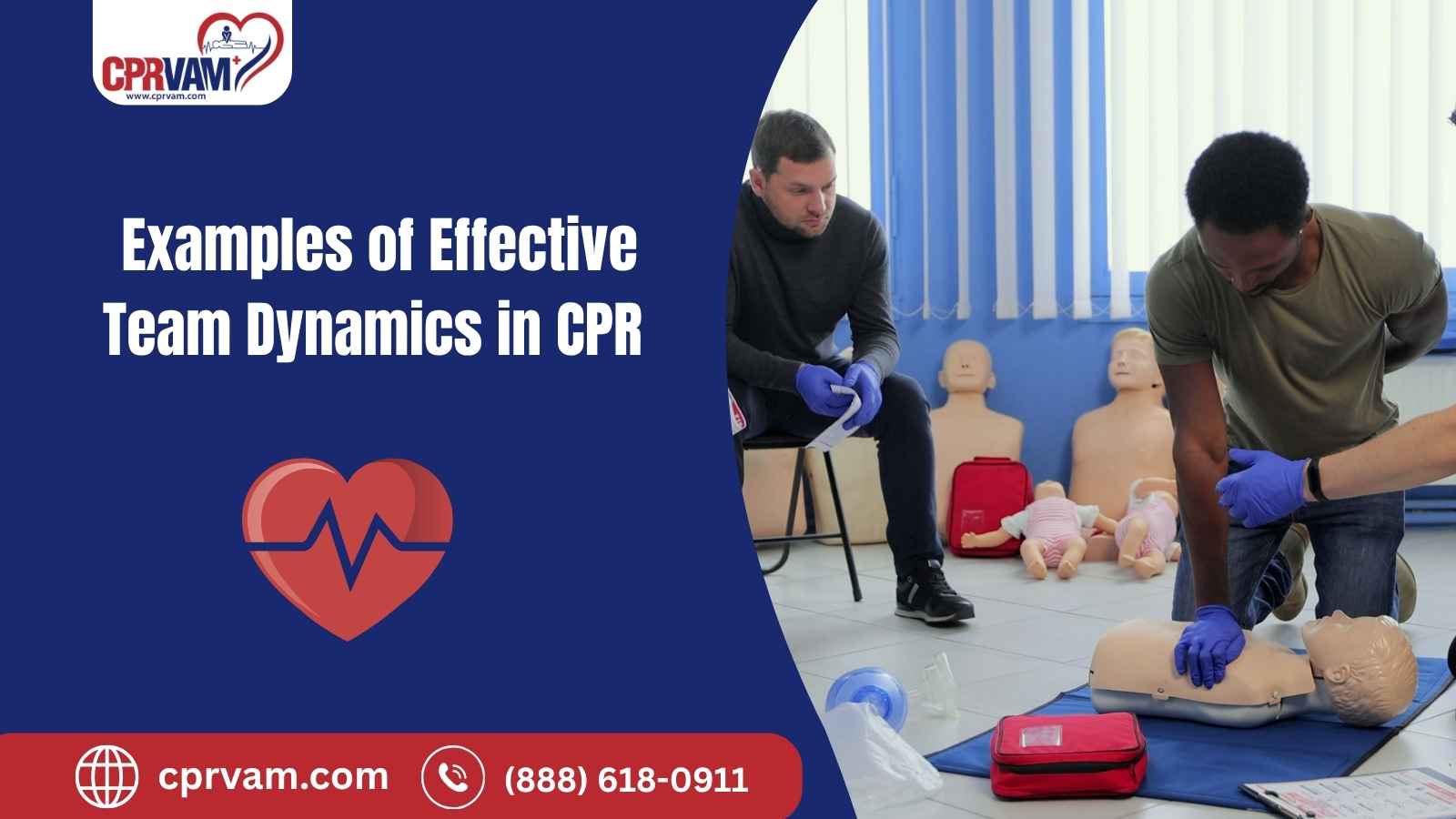
High-performance ACLS team dynamics improve cardiac arrest outcomes by ensuring clear communication, defined roles, and coordinated actions. Teams that train together, use evidence-based protocols, and switch tasks efficiently increase the speed and quality of interventions, boosting patient survival and neurological recovery.
Here are the key points on how high-performance ACLS team dynamics improve cardiac arrest outcomes:
1. Proactive Coordination
Proactive coordination in ACLS teams means members anticipate each other’s actions to maintain a smooth, efficient workflow. By understanding roles, communicating clearly, and predicting needs, teams reduce delays, improve response times, and enhance patient outcomes during critical cardiac arrest interventions.
2. Real-Time Communication
Real-time communication in ACLS teams ensures that patient status, interventions, and rhythm changes are shared instantly. This continuous information flow allows team members to respond quickly, coordinate effectively, and make timely decisions, ultimately improving cardiac arrest outcomes and patient survival rates.
3. Skill-Aligned Roles
Assigning ACLS team roles based on skills and experience ensures each member works where they are strongest. This strategic alignment improves efficiency, reduces errors, and enhances coordination. By leveraging individual expertise, teams respond faster, perform interventions effectively, and improve patient survival during cardiac emergencies.
4. Ongoing Feedback
Ongoing feedback in ACLS teams involves continuously evaluating actions and providing corrections in real time. This process ensures procedures are performed accurately, strengthens team coordination, and improves resuscitation quality, ultimately increasing patient survival and reducing complications during cardiac arrest emergencies.
5. Effective Command Confirmation
Effective command confirmation, or closed-loop communication, ensures that instructions are clearly received, acknowledged, and executed in ACLS teams. This method reduces errors, prevents miscommunication in high-pressure situations, and improves coordination, ultimately enhancing patient safety and survival during cardiac emergencies.
What Are the Key Roles in the Core Resuscitation Triangle?
The Core Resuscitation Triangle revolves around three vital hands-on roles surrounding the patient. Each role has specific duties that ensure coordinated actions, efficient interventions, and effective resuscitation, ultimately improving team performance and increasing patient survival during cardiac emergencies.
Here are the Key Roles in the Resuscitation Triangle:
1. Compressor
The Compressor is responsible for delivering high-quality chest compressions to maintain blood flow to vital organs. Key duties include performing five cycles of compressions, each lasting about 2 minutes, and alternating compressions to reduce fatigue with the AED/Monitor role, maintaining consistent compression depth and rate, and continuously monitoring the patient’s response. This role is essential for effective resuscitation and improving patient survival during cardiac emergencies.
2. Airway Manager
The Airway Manager is responsible for ensuring oxygen delivery and keeping the airway open. Key duties include opening and maintaining the airway using proper techniques, providing ventilation with a self-inflating bag or advanced airway devices, continuously monitoring airway placement and patient oxygenation, and adjusting interventions based on patient condition and team feedback. This role is vital for maintaining effective respiration during cardiac emergencies.
3. AED/Monitor/Defibrillator Operator
The AED/Monitor/Defibrillator Operator is responsible for managing cardiac rhythm analysis and delivering shocks when needed. Key duties include setting up and operating the AED or monitor/defibrillator, positioning the monitor for visibility by the team leader, alternating with the Compressor during rhythm analysis, and clearly communicating rhythm changes or shock instructions to the team. This role is essential for timely, accurate interventions during cardiac emergencies.
What Are the Key Supporting Leadership Roles in ACLS?
The Resuscitation Triangle depends on three key supporting leadership roles. These roles help coordinate the team, guide critical decisions, and ensure smooth communication, ultimately strengthening the core triangle and improving the effectiveness of the entire resuscitation effort.
Key supporting leadership roles in ACLS:
1. Team Leader
The Team Leader plays a central role in ACLS resuscitation. They assign roles, supervise interventions, and ensure the team works efficiently. They make critical treatment decisions in real time, provide constructive feedback, and step into unassigned roles when needed. By coordinating the team and maintaining clear communication, the Team Leader helps improve patient outcomes and keeps the resuscitation process organized and effective.
2. IV/IO/Medication Administrator
The IV/IO/Medication Administrator plays a vital role in ACLS resuscitation. They establish vascular access quickly and safely, ensuring medications can be delivered without delay. They administer drugs according to ACLS protocols and carefully monitor lines to keep them patent and secure. By maintaining proper access and precise medication delivery, they support the team in stabilizing the patient and improving resuscitation outcomes.
3. Timer/Recorder
The Timer/Recorder plays a crucial role in ACLS resuscitation by tracking the timing of interventions, compressions, and medication administration. They monitor interruptions in care and keep the Team Leader informed in real time. Accurate documentation is their responsibility, ensuring every action is recorded. This information supports team review, helps improve future performance, and contributes to better patient outcomes.
How Can You Achieve High-Performance Team Execution in ACLS?
Achieving high-performance team execution in ACLS requires clear role assignments, effective communication, and real-time coordination. Each member must act confidently, follow protocols precisely, and support one another to ensure efficient resuscitation and improve patient survival outcomes.
Key factors for achieving high-performance team execution in ACLS:
- Practice Regularly: Frequent drills and role familiarity build confidence and improve team coordination during real events.
- Rotate Tasks: Alternating compressions and AED/monitor duties prevents fatigue and maintains high-quality performance.
- Use Closed-Loop Communication: Repeating instructions ensures clarity and reduces errors in fast-paced situations.
- Focus and Observe: Stay committed to your role while monitoring the overall resuscitation to anticipate needs.
- Follow Leadership: Aligning with the Team Leader ensures cohesive, synchronized actions across the team.
- Avoid Unclear Roles: Clearly defined responsibilities prevent confusion and speed up critical interventions.
- Respond to Feedback: Adapting to real-time feedback improves efficiency and prevents repeated mistakes.
Master the Resuscitation Triangle to Act Fast and Save Lives
When every heartbeat matters, mastering the Resuscitation Triangle becomes your superpower. Clear roles, precise actions, and seamless communication turn ACLS teams into lifesaving machines. By practicing regularly, rotating tasks, and responding to real-time feedback, teams stay sharp and efficient. This structured teamwork not only boosts patient survival but also transforms high-pressure cardiac emergencies into coordinated, confident, and successful resuscitation efforts.
Don’t wait for a cardiac emergency to test your skills. Master the Resuscitation Triangle and avoid mistakes that can cost lives. Enroll at CPR VAM, an AHA-certified training center, and gain hands-on experience in CPR, BLS, ACLS, and PALS with expert instructors. Act confidently, coordinate effectively, and save lives when every second matters.
FAQs
1. What Is the Resuscitation Triangle in ACLS?
The Resuscitation Triangle is a framework that divides ACLS teams into three core hands-on roles: Compressor, Airway Manager, and AED/Monitor Operator. It ensures coordinated, efficient interventions during cardiac emergencies.
2. Why Are Clearly Defined Roles Important in ACLS Teams?
Clearly defined roles prevent confusion and delays, allowing team members to anticipate each other’s actions. This improves workflow, reduces errors, and increases patient survival during high-pressure situations.
3. What Are the Responsibilities of the Compressor?
The Compressor delivers high-quality chest compressions to maintain blood flow. They alternate with other roles to prevent fatigue while monitoring patient response for effective resuscitation.
4. What Does the Airway Manager Do in ACLS?
The Airway Manager maintains an open airway and provides ventilation using appropriate devices. They continuously monitor oxygenation and adjust interventions based on patient needs and team feedback.
5. How Does the AED/Monitor Operator Contribute to Resuscitation?
This role manages cardiac rhythm analysis and delivers shocks if needed. They communicate rhythm changes clearly and coordinate with the Compressor to ensure timely and accurate interventions.
References
1. HIGHLIGHTS of the 2020 AMERICAN HEART ASSOCIATION GUIDELINES FOR CPR AND ECC
https://cpr.heart.org/-/media/cpr-files/cpr-guidelines-files/highlights/hghlghts_2020_ecc_guidelines_english.pdf
2. AHA Advanced Life Support: High-Performance Teams
https://education.heart.org/productdetails/advanced-life-support-high-performance-teams