
- 2026
CPR VAM • All Rights Reserved • Developed by Splendour Group

Confidence in an emergency comes from preparation. CPR VAM's American Heart Association (AHA) certification courses in Sandy, UT, provide immersive, hands-on learning experiences that empower healthcare professionals, organizations, and community members with the knowledge, practical skills, and confidence to take lifesaving action when it matters most.
4.9/5 from 25+ Google Reviews
Select the American Heart Association course that matches your experience level, workplace requirements.
Work through the required HeartCode® online lessons at your own pace before attending your in-person skills session.
Demonstrate your CPR skills during the instructor-led evaluation and earn your official AHA digital eCard.
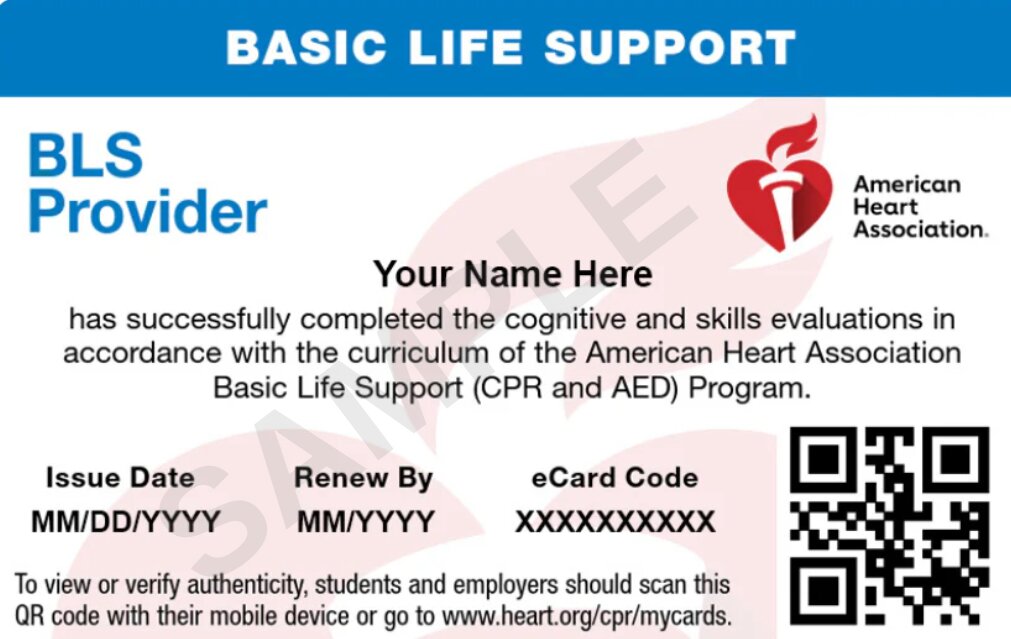
Basic Life Support
Flexible & Self-Paced
Hands-On Practice
Trusted Certification
Professional emergency care begins with strong clinical fundamentals. CPR VAM’s American Heart Association (AHA) BLS course in Sandy, UT provides practical, instructor-led training in high-quality CPR, AED use, rescue breathing, and effective team-based resuscitation. Created for healthcare professionals, this program supports both new certifications and BLS recertification, helping you maintain current skills and confidently respond to medical emergencies.
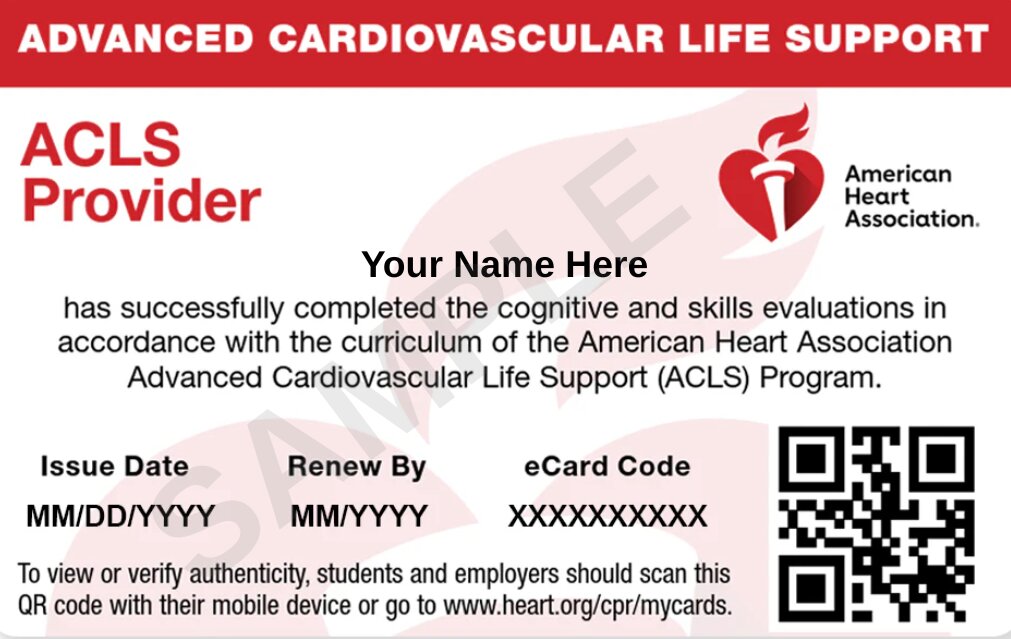
Advanced Cardiovascular Life Support
Flexible & Self-Paced
Hands-On Practice
Trusted Certification
Meet today’s advanced cardiac care standards through CPR VAM’s AHA ACLS course in Sandy, UT. Built around realistic emergency scenarios, the program develops proficiency in ECG interpretation, advanced airway management, cardiac arrest algorithms, stroke response, and team leadership. Whether you’re certifying for the first time or completing ACLS recertification, you’ll reinforce essential knowledge for delivering timely, evidence-based care.
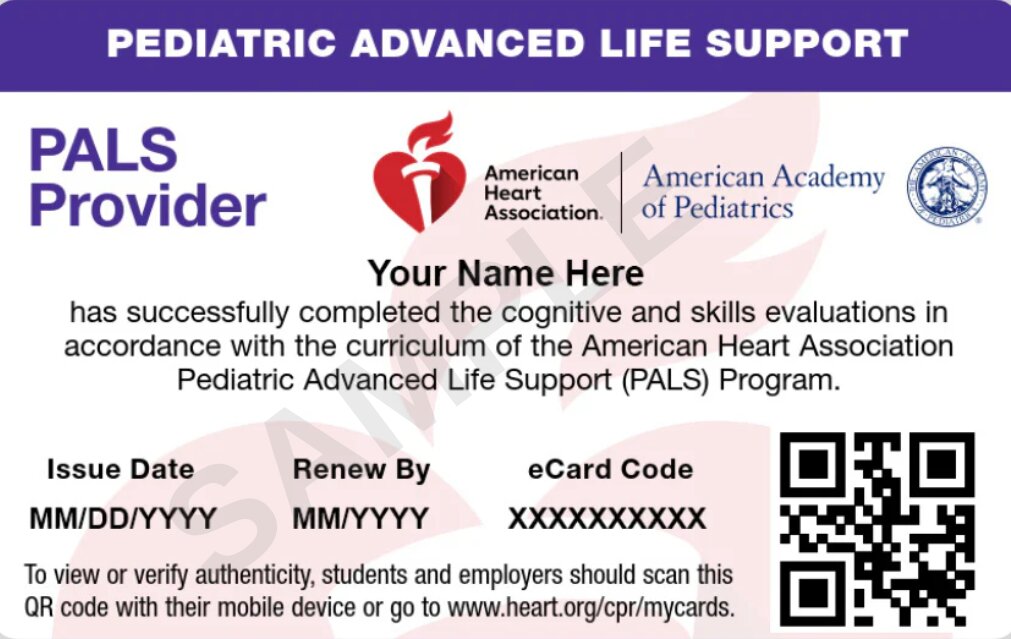
Pediatric Advanced Life Support (PALS)
Flexible & Self-Paced
Hands-On Practice
Trusted Certification
Every pediatric emergency requires precise clinical judgment and rapid intervention. CPR VAM’s AHA PALS course in Sandy, UT offers hands-on instruction in pediatric assessment, respiratory management, shock treatment, and resuscitation techniques for infants and children. Suitable for first-time certification and PALS recertification, the training helps you stay current while building confidence in managing critical pediatric situations.
Where preparation meets real-life response. CPR VAM in Sandy, UT delivers hands-on AHA training focused on practical skills, not just theory. Our certified instructors help healthcare professionals, workplace teams, and community members build the confidence and techniques needed to respond quickly and effectively during critical emergencies.
Build the confidence to respond when emergencies happen. CPR VAM in Sandy, UT offers American Heart Association (AHA) CPR, First Aid, AED, BLS, ACLS, and PALS certification and recertification courses for healthcare professionals, workplace teams, educators, first responders, and community members. Through hands-on instruction and practical scenarios, learners develop essential skills and nationally recognized credentials for effective emergency response.
Located at 9295 S 1300 E, Sandy, UT 84094, CPR VAM is positioned on the east side of 1300 E between E 9000 S and E 9400 S, near Sandy Senior Center, Alta View Elementary School, High Point Center, and Encompass Health Rehabilitation Hospital of Utah. The training center is easily accessible from I-15 via the 9000 S and 10600 S exits, with nearby UTA Route 213 service at 9235 S @ 1300 E providing convenient transportation access for students throughout Sandy and surrounding areas.

Life-saving skills come directly to your team when you need them most. CPR VAM’s on-site American Heart Association (AHA) training in Sandy, UT brings expert instructors, professional equipment, and hands-on practice to your workplace, healthcare facility, school, or organization. Our customized CPR, AED, First Aid, BLS, ACLS, and PALS courses help teams build confidence, strengthen emergency readiness, and respond effectively during critical situations.






















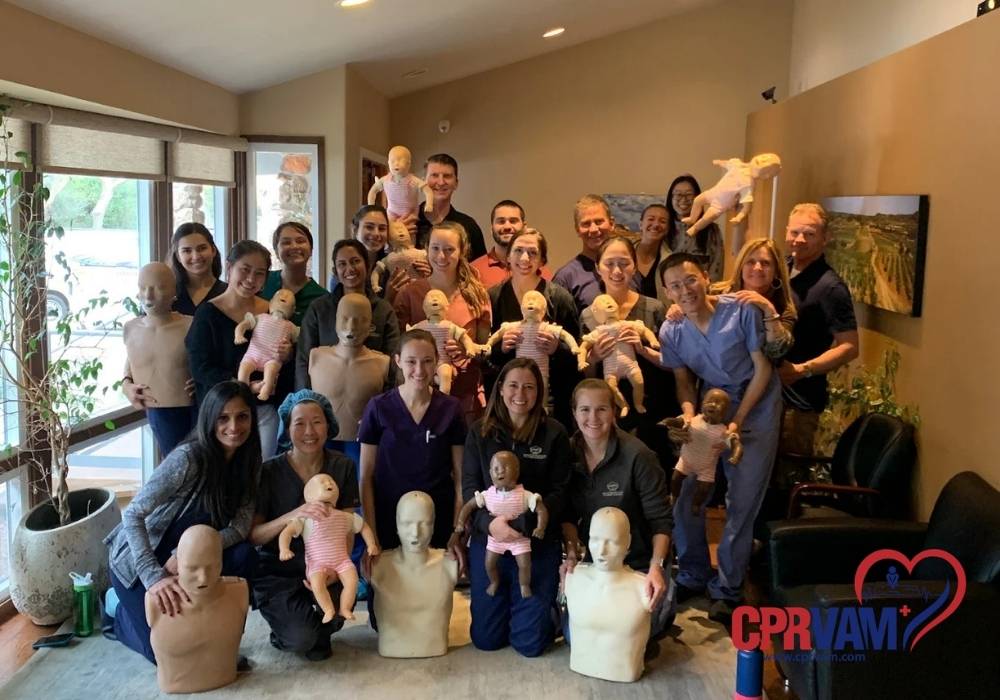
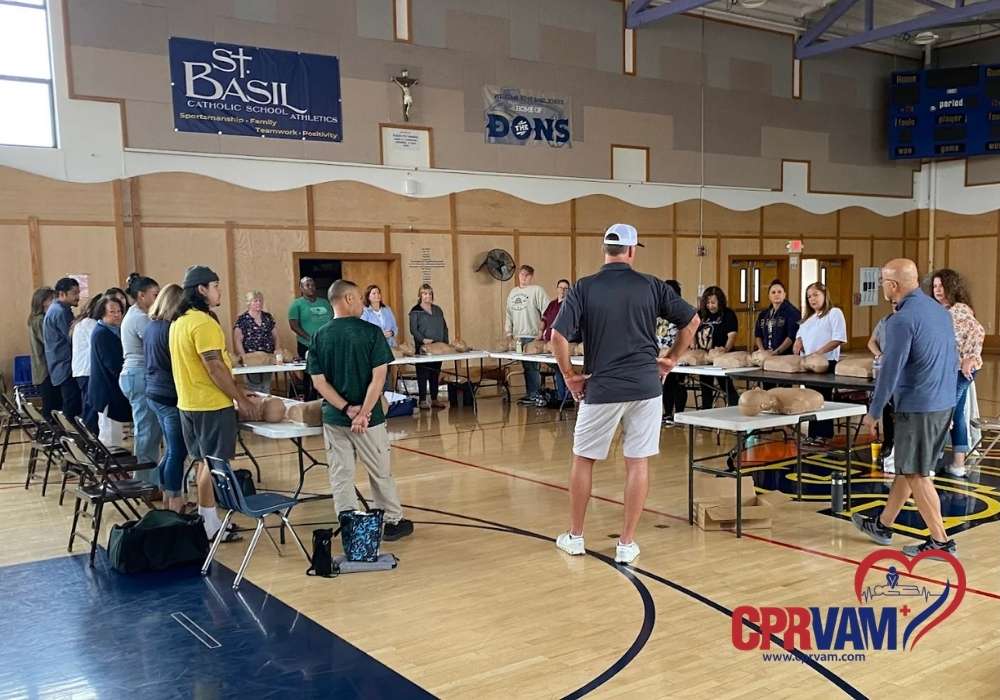
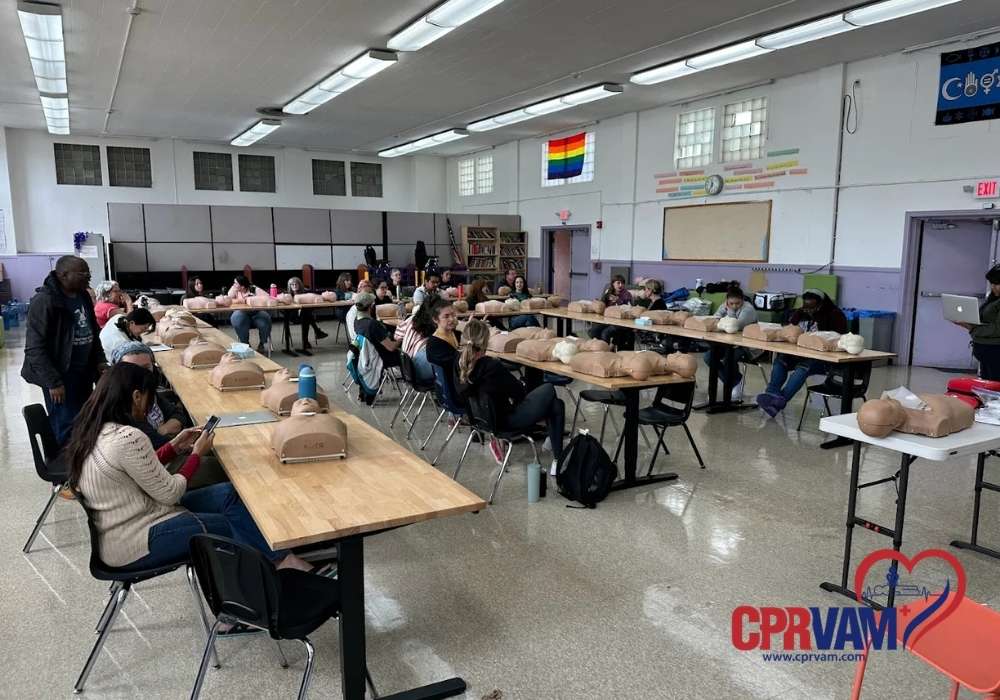
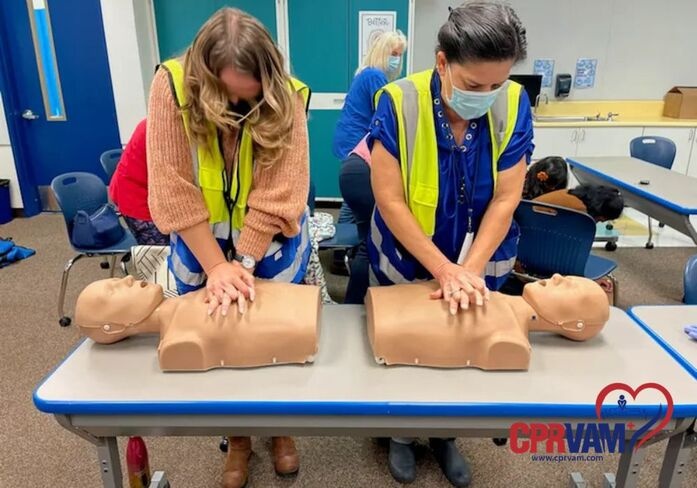
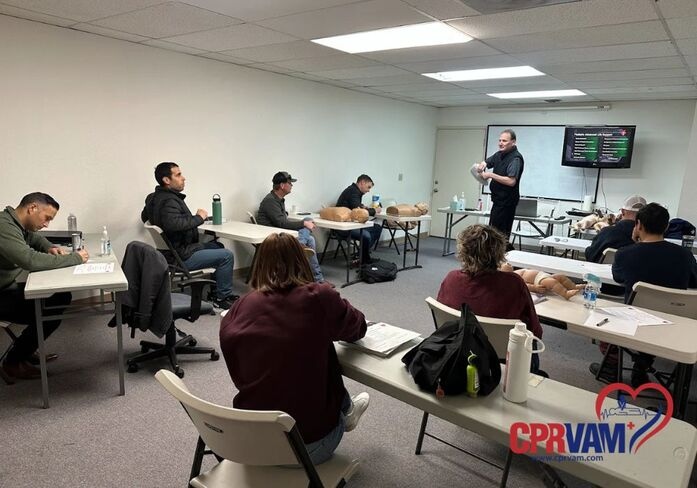
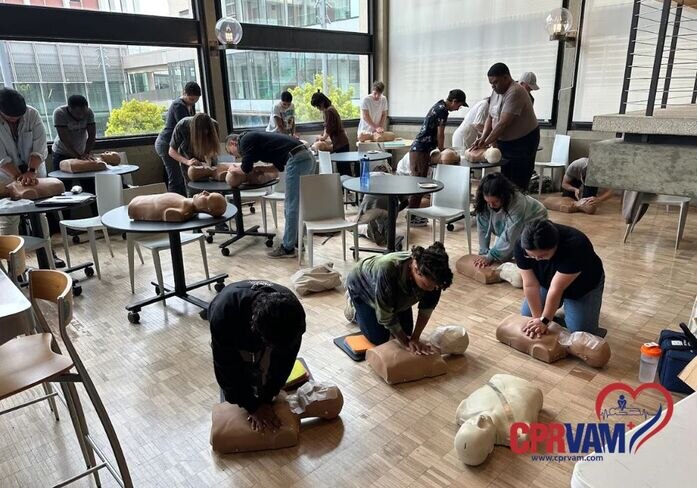
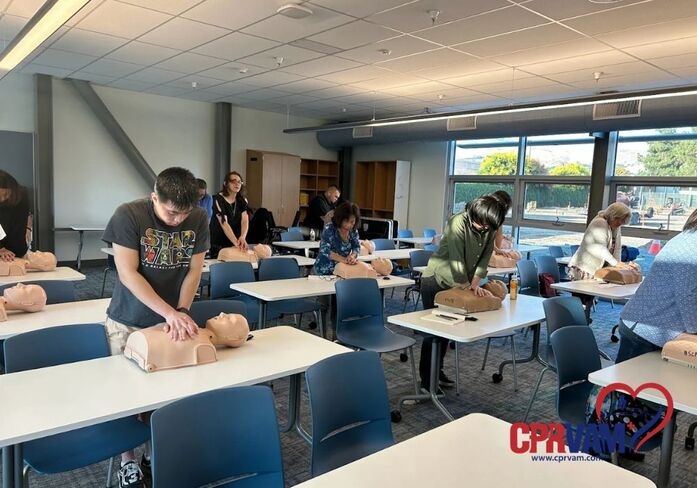
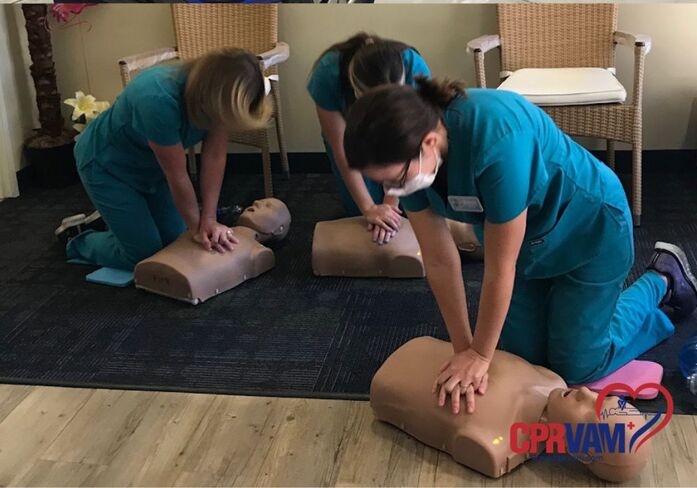
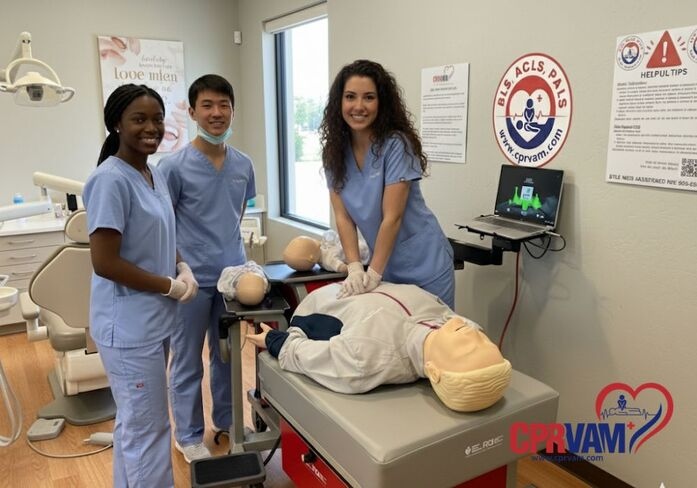
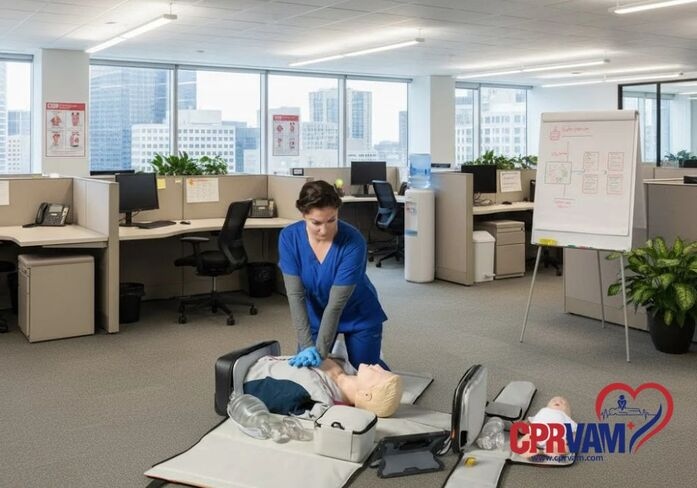
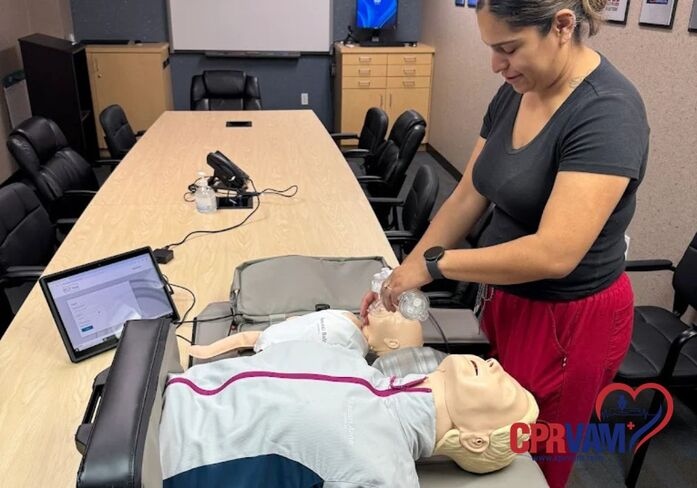
Take a look at our certification classes in Sandy, UT, where participants practice real CPR, First Aid, BLS, ACLS, and PALS skills through hands-on instruction. Our gallery captures the learning experience, instructor support, and practical training approach that helps students prepare for emergencies.
Absolutely. Every CPR VAM course in Sandy follows the most current American Heart Association (AHA) guidelines. You’ll receive hands-on instruction in high-quality CPR, AED operation, emergency response techniques, and effective team-based resuscitation, ensuring your skills meet today’s nationally recognized standards.
Please bring a valid government-issued photo ID and your course registration confirmation. If you’re attending a HeartCode® blended learning course, you’ll also need proof of your online course completion. We recommend wearing comfortable clothing since you’ll participate in practical CPR and AED training. All required training equipment is provided by CPR VAM.
Yes. After completing your course, you’ll receive an American Heart Association certification that is recognized throughout the United States. Hospitals, healthcare organizations, educational institutions, and employers across the country accept AHA CPR, BLS, ACLS, and PALS certifications.
Yes. AED instruction is included in CPR & AED certification courses and many workplace safety programs offered by CPR VAM in Sandy. You’ll learn when an automated external defibrillator should be used, how to operate it correctly, and how to integrate AED use with effective CPR through realistic, hands-on practice.
Yes. CPR VAM offers flexible class times to accommodate busy professionals, students, and organizations. Depending on course availability, you can choose from weekday, evening, or weekend sessions, making it convenient to complete your certification or renewal without disrupting your routine.
If your certification is nearing expiration or has already expired, CPR VAM offers renewal courses for eligible certifications. Depending on your credential and employer requirements, you may qualify for a renewal course or need to complete the full certification program. Our team can help you determine the right option so you can maintain uninterrupted certification.
CPR VAM offers trusted American Heart Association (AHA) CPR certification courses in Sandy and neighboring Utah cities. Through accessible training locations, flexible scheduling, and expert-led instruction, we help individuals, healthcare providers, employers, and organizations stay prepared with nationally recognized CPR credentials.
Be ready to respond when every second counts with expert-led American Heart Association (AHA) training in Sandy, Utah. CPR VAM offers hands-on CPR, First Aid, AED, BLS, ACLS, and PALS certification courses designed for healthcare professionals, workplace teams, students, caregivers, and anyone seeking nationally recognized emergency response training in a supportive learning environment.