
Did you know that sudden cardiac arrest claims over 350,000 American lives each year, often with no warning? That’s roughly one person every two minutes. Understanding shockable rhythms like Ventricular Fibrillation (V-Fib) and Pulseless Ventricular Tachycardia (V-Tach) can be the difference between life and death. By learning how these rhythms work and how defibrillation saves lives, you can be ready to act in an emergency.
Shockable rhythms occur when the heart’s electrical system malfunctions, causing it to quiver or beat too fast to pump blood effectively. Unlike non-shockable rhythms, these conditions can be treated with a defibrillator, giving the heart a chance to restart. Knowing the signs and how to respond quickly empowers you to make life-saving decisions, whether at home, work, or in public spaces.
This blog breaks down shockable rhythms like V-Fib and V-Tach, explaining recognition, defibrillation, high-quality CPR, and post-care, helping you understand life-saving steps during sudden cardiac arrest.
What Exactly Are Shockable Rhythms?
Shockable rhythms are specific abnormal heart rhythms that stop the heart from pumping blood effectively. These rhythms happen when the heart’s electrical system malfunctions, causing it to quiver or beat too fast to circulate blood properly. Unlike non-shockable rhythms, you can treat shockable rhythms using a defibrillator, which delivers an electric shock to reset the heart’s electrical activity.
According to the American Heart Association (AHA), the main shockable rhythms are:
- Ventricular Fibrillation (VF)
- Pulseless Ventricular Tachycardia (pVT)
Recognizing these rhythms quickly is vital. Immediate defibrillation is critical to survival. Studies show that for every minute you delay defibrillation, the chance of survival drops by 7-10%, emphasizing the need for fast action. Knowing how to identify and respond to these rhythms ensures that you can act confidently in an emergency.
How Can You Recognize and Treat Ventricular Fibrillation (VF)?
Ventricular Fibrillation (VF) is a critical heart emergency where the lower chambers of your heart quiver chaotically instead of beating normally. When this happens, your heart cannot pump blood to vital organs. You must act quickly, as immediate defibrillation and CPR dramatically improve survival chances.
Causes Ventricular Fibrillation (VF)
Coronary artery disease and heart attacks
Cardiomyopathy (Weakened heart muscle)
Electrolyte imbalances (Potassium or magnesium)
Congenital heart defects
Severe trauma or drug overdose
Symptoms of VF
Sudden collapse and loss of consciousness
No pulse or irregular heartbeat
Abnormal or absent breathing
Chest pain or dizziness before collapse
ECG Appearance
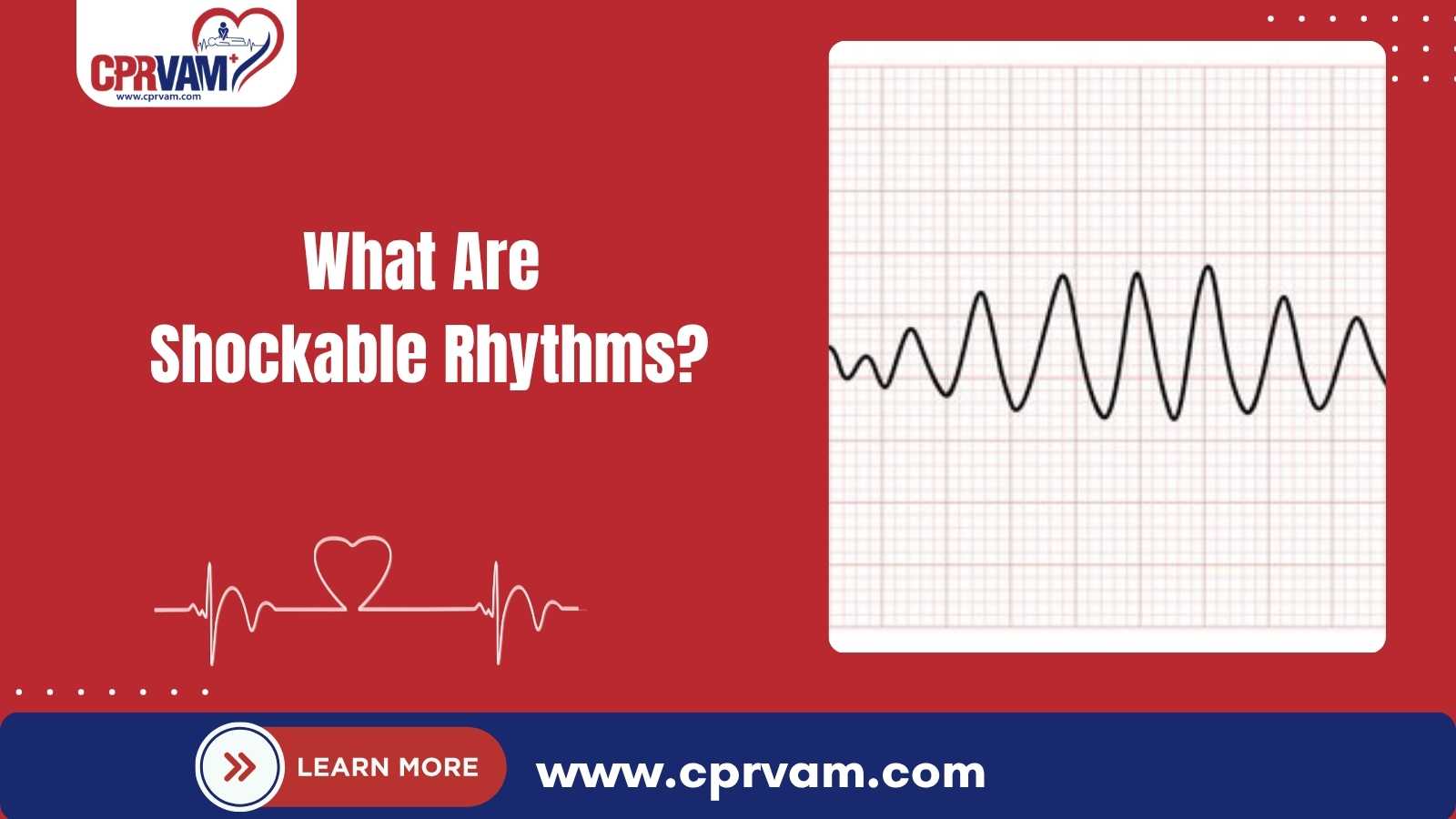
VF shows chaotic, irregular waves with no identifiable QRS complexes
Recognizing this pattern quickly helps you respond effectively
Treatment
Immediate defibrillation is essential and can save your life
Automated External Defibrillators (AEDs) detect VF and deliver safe shocks
High-quality CPR should continue until a shock can be administered
You can increase survival chances by acting quickly and following the AED instructions
How Do You Recognize and Treat Pulseless Ventricular Tachycardia (pVT)?
Pulseless Ventricular Tachycardia (pVT) is a dangerous heart rhythm where your ventricles beat extremely fast, usually 100-300 beats per minute, but fail to pump blood effectively. You need to act immediately because prompt defibrillation and high-quality CPR significantly increase survival chances and neurological outcomes. Recognizing it early can save lives.
Common Causes for pVT
Myocardial infarction or heart attack
Coronary artery disease
Cardiomyopathy, which weakens the heart muscle
Electrolyte imbalances, such as low potassium or magnesium
Drug toxicity or overdose
Warning Signs You Might Notice
Loss of consciousness
No detectable pulse
Abnormal or absent breathing
Chest discomfort or dizziness before collapse
How pVT Appears on an ECG
Rapid and regular wide QRS complexes
Absence of an effective pulse despite a visible rhythm
No identifiable P waves
Consistent but dangerously fast rate between 100 and 300 beats per minute
Effective Interventions for pVT
Immediate defibrillation to restore normal rhythm
High-quality CPR should continue until a shock can be administered
Automated External Defibrillators (AEDs) can safely detect and treat pVT
Once stabilized, address underlying causes such as heart disease or electrolyte imbalances
How Does Defibrillation Work in Shockable Rhythms?
Defibrillation is a critical lifesaving intervention that delivers a controlled electrical shock to the heart, resetting its electrical system. When you act quickly, it allows the heart’s natural pacemaker to restore a coordinated rhythm, improving survival chances during cardiac emergencies.
Understanding monophasic and biphasic shocks helps explain how defibrillation resets the heart’s electrical system and why modern defibrillators are more effective at treating shockable rhythms.
Monophasic and Biphasic Shocks in Shockable Rhythms
Monophasic shocks send electrical current in a single direction and often need higher energy to reset the heart. When you understand this, you realize why older defibrillators required careful timing and expertise to restore a stable heart rhythm effectively.
Biphasic shocks reverse the current direction during delivery, making them more efficient and safer. You benefit because these shocks use less energy, reduce complications, and help restore your heart’s rhythm faster, ensuring that timely defibrillation significantly improves survival during cardiac emergencies.
Defibrillator Types and How They Work in Shockable Rhythms
1. Manual Defibrillators
Manual defibrillators are used by trained healthcare professionals in hospitals. When you are trained to operate them, you can deliver precise shocks based on the patient’s rhythm, allowing tailored care during complex cardiac emergencies.
2. Automated External Defibrillators (AEDs)
AEDs are designed for public use and can detect shockable rhythms automatically. You can operate an AED even without medical training, as it provides step-by-step voice instructions, ensuring quick and effective intervention during sudden cardiac arrest.
3. Implantable Cardioverter-Defibrillators (ICDs)
ICDs are small devices implanted in patients at high risk of arrhythmias. You do not need to operate them manually. They continuously monitor your heart rhythm and deliver shocks automatically, protecting against life-threatening episodes.
How Can You Recognize Shockable Rhythms During Cardiac Arrest?
Recognizing shockable rhythms quickly is crucial when you respond to a cardiac emergency. You can save lives by identifying abnormal heart rhythms and acting immediately. Ventricular fibrillation (VF) and pulseless ventricular tachycardia (pVT) are the main shockable rhythms, and early defibrillation combined with high-quality CPR significantly improves survival and neurological outcomes.
Key ECG Patterns and Actions
Rhythm | ECG Pattern | Recommended Action |
Ventricular Fibrillation (VF) | Chaotic, disorganized waves with no identifiable QRS complexes | Immediate defibrillation plus high-quality CPR |
Pulseless Ventricular Tachycardia (pVT) | Wide QRS complexes, fast and regular rhythm without an effective pulse | Immediate defibrillation plus high-quality CPR |
Why Is High-Quality CPR Critical During Shockable Rhythms?
High-quality CPR is essential during shockable rhythms because it maintains blood flow to vital organs, keeps your heart muscle perfused, and increases the likelihood that defibrillation will successfully restore a normal rhythm, giving you a better chance to save a life.
Role of CPR in Defibrillation Success
Prepares the Heart for Shock
CPR keeps your heart muscle supplied with oxygen-rich blood, making it more responsive when a defibrillation shock is delivered.Maintains Coronary Perfusion Pressure
Effective chest compressions maximize blood flow to the heart itself, improving defibrillation success and increasing your loved one’s survival chances.Restores Heart Volume
CPR prevents the heart from becoming overfilled or stagnant, helping the shock work effectively and allowing the heart’s natural pacemaker to resume a coordinated rhythm.Buys Critical Time
Every minute without CPR reduces the success of defibrillation significantly, so continuous, high-quality compressions give you more time to act before advanced care arrives.Enhances Survival Outcomes
When you perform high-quality CPR alongside rapid defibrillation, survival rates and neurological recovery improve substantially, making your immediate action life-saving.
What Should You Do After Defibrillation to Ensure Survival?
After defibrillation, your actions are critical to ensure the heart stays stable. You must continue life-saving measures, monitor the patient closely, and address any underlying causes so you can maximize survival and improve recovery outcomes.
Key Post-Defibrillation Steps
Continue CPR
Perform high-quality chest compressions for at least two minutes before checking the heart rhythm again. This keeps blood flowing to vital organs while the heart recovers.Monitor Vital Signs
Keep track of heart rate, blood pressure, and oxygen levels. You can quickly detect changes and respond appropriately to support recovery.Address Underlying Causes
Identify and manage factors such as blocked arteries, electrolyte imbalances, or structural heart problems. By doing this, you help prevent another cardiac emergency.Prepare for Recurrence
Keep defibrillator pads on the patient’s chest in case a shockable rhythm returns. Being ready ensures you can act without delay if needed.
How Crucial Is Early Recognition and Immediate Action During Cardiac Arrest?
Early recognition of shockable rhythms and prompt action are essential during sudden cardiac arrest. When you act quickly with defibrillation and high-quality CPR, you significantly increase the chance of survival and protect brain function. Time is critical.
Why Early Action Matters
Survival Rates Decline Quickly
Every minute without defibrillation reduces survival by 7-10%. You can make a life-saving difference by responding immediately when you recognize a shockable rhythm.Better Neurological Recovery
Patients defibrillated within 5 minutes have the highest chance of normal brain function, around 58%. Acting fast helps you protect the brain and improve overall recovery outcomes.Public AEDs Save Lives
Accessible AEDs allow you or bystanders to respond before emergency services arrive. By acting quickly, you can deliver timely defibrillation, giving the heart a better chance to restart effectively.
Learn to Recognize Shockable Rhythms and Save Lives
Understanding and recognizing shockable rhythms like VF and pVT can truly save lives. By acting quickly, performing high-quality CPR, and using an AED when needed, you can make a life-saving difference. You empower yourself and others to respond confidently during cardiac emergencies. Remember, every second counts, and your immediate action can dramatically improve survival rates and protect brain function. Stay prepared, stay alert, and take action when it matters most.
You can make a life-saving difference during sudden cardiac arrest. At CPR VAM, an AHA-certified training center, you’ll learn CPR, AED use, and ACLS skills so you can respond confidently. Sign up today near your location and be prepared to save lives with knowledge and skill.
FAQs
1. What Exactly Are Shockable Rhythms, and Why Should You Care?
Shockable rhythms like ventricular fibrillation (VF) and pulseless ventricular tachycardia (pVT) can cause sudden cardiac arrest. Knowing them matters because acting fast with CPR and defibrillation can save lives.
2. How Can You Tell If Someone Is Experiencing VF?
VF makes the heart quiver instead of pumping blood, leading to collapse. You’ll notice no pulse, abnormal or absent breathing, and chaotic ECG waves, signals that require immediate action.
3. What Makes Pulseless Ventricular Tachycardia (pVT) so Dangerous?
Pulseless Ventricular Tachycardia (pVT) beats so fast that the heart cannot fill with blood, causing a critical lack of circulation. Rapid defibrillation and high-quality CPR are essential to restore a normal rhythm.
4. Can CPR Really Make a Difference During Shockable Rhythms?
Yes. High-quality CPR keeps blood flowing to the brain and heart, improving the effectiveness of defibrillation. Performing CPR correctly significantly increases survival chances.
5. How Critical Is Acting Quickly During Sudden Cardiac Arrest?
Every minute without defibrillation reduces survival by 7-10%. Early recognition, using an AED, and continuing CPR immediately can dramatically improve outcomes.