Do you want to pass your Basic Life Support (BLS) certification? The BLS Study Guide allows you to learn the most essential concepts easily and be confident that you can respond in an emergency. Basic Life Support gives you lifesaving skills to save lives, including chest compressions, rescue breaths, and using an Automated External Defibrillator (AED).
In this article, you will learn life-saving protocols from the BLS study guide, including Cardiopulmonary Resuscitation (CPR) and other essential skills that prepare you to act quickly and effectively in emergencies.
What is BLS and Why It Matters?
Basic Life Support (BLS) means basic emergency interventions for reviving an individual who has lost their breath or whose heart has ceased beating. BLS entails straightforward yet most vital interventions, such as chest compressions, rescue breathing, and using an automated external defibrillator (AED). BLS is typically the first to sustain a person until more advanced and competent medical help comes onto the scene.
BLS is extremely critical in preserving life in the event of an emergency. The sooner you perform it, and with maximum precision, the more efficiently it keeps the heart pumping and oxygen delivered to the brain and other body organs without causing any permanent damage. Therefore, learning BLS gives a person the power to respond calmly in an emergency, ultimately determining the rate of survival until a professional medical team arrives.
Difference Between BLS and CPR
Basic Life Support (BLS) and Cardiopulmonary Resuscitation (CPR) are similar but different rescue methods. CPR is a specific method devised for chest compressions and rescue breathing to ensure the flow of oxygen and blood when a person’s heart gets weak or ceases to beat or breathe. CPR is a basic lifesaving technique accessible and exercisable by the general public in emergencies.
BLS is advanced training for first responders and medical personnel. Aside from CPR, it includes other skills one needs, such as the use of an automated external defibrillator (AED), relief of an airway obstruction, and assessment and stabilisation of a patient until professional medical care arrives. From a practical standpoint, CPR is included in BLS, but BLS does more than CPR does in emergency care.
What is CPR and How to Perform It?
Cardiopulmonary Resuscitation (CPR) is a rapid life-saving method applied to resuscitate a person whose heart has stopped functioning or is not breathing. CPR involves chest compressions and rescue breaths to ensure the continuation of blood and oxygen supply to vital organs like the heart, lungs, and brain until the arrival of expert medical assistance.
Every step must be executed exactly when one is to give CPR to another person. Wrong hand placement or incorrect rate and amplitude of compression may result in injury, such as rib breaking and internal bleeding. It also lessens the effectiveness of CPR. The procedures of CPR for adults, children, and infants differ from each other.
Steps to Perform Adult CPR
Adult CPR refers to the process of providing chest compressions and rescue breaths to maintain blood circulation and oxygenation when someone’s heart has stopped beating and breathing. The following are some of the procedures you should follow to provide CPR on adults:
- You should ensure the scene is safe before approaching the person.
- Check the responsiveness by tapping and shouting, and call emergency services if unresponsive.
- Lay the person flat on their back on a firm surface and open their airway by tilting the head back and lifting the chin.
- You need to perform 30 chest compressions at least 2 inches deep and at a rate of 100 to 120 compressions per minute.
- Give 2 rescue breaths by pinching the nose, sealing your mouth over theirs, and blowing until the chest rises.
- You should continue the cycle of 30 compressions and 2 breaths until the person starts breathing or help arrives, and use an AED as soon as it is available, following the instructions.
Steps to Perform Infant & Child CPR
Infant CPR is not the same as adult CPR because infant skin is tender and their bones are brittle. Some steps to perform CPR on an infant and a child are described below:
- You should keep the infant in a safe place, away from any dangers or harmful environments.
- Check if the infant responds by gently tapping their feet. If there is no response, call for emergency help right away.
- Look and listen for the infant’s breathing by watching their chest and listening for breath sounds. If they are not breathing, begin CPR immediately.
- You should ensure the infant’s head and neck are properly supported while lying on a firm, flat surface to keep their airway open.
- Use two fingers to press gently on the centre of the infant’s chest, just below the nipple line. Press about half an inch deep (½ inch) at a rate of 100 to 120 compressions per minute. Let the chest come back up fully/recoil between compressions.
- During rescue breath, cover the infant’s nose and mouth with your mouth and gently blow for about 1 second until the chest rises.
- Keep repeating cycles of 30 chest compressions followed by 2 rescue breaths until the infant shows signs of recovery and until medical help arrives.
Hands-Only CPR: When and How to Use It
Hands-Only CPR is a simple method of resuscitating a person by pumping their chest and providing them with no rescue breaths. It is used on teenagers and adults who unexpectedly fall and become unresponsive. Anyone can perform CPR without rescue breaths if he or she is willing to do so. It continues blood flow to the organs in the body until emergency responders arrive. Some of the things you need to do to do hands-only CPR are as follows:
- Make sure the area is safe before helping the person.
- Check if the person is unresponsive and not breathing or only gasping.
- Call emergency services immediately or ask someone else to do it.
- Push hard and fast on the centre of the chest, compressing at least 2 inches deep, at a rate of 100 to 120 compressions per minute.
Recognising Sudden Cardiac Arrest
Sudden Cardiac Arrest (SCA) occurs when the heart suddenly experiences cardiac arrest. It may happen abruptly and prevent blood from going to the brain and the rest of the body. To determine, see if the individual is falling suddenly, unconscious, and not breathing or gasping. It is very important to work quickly because the individual needs to be helped right away to stay alive. If you see these symptoms, call emergency personnel and start Hands-Only CPR immediately. Your swift response can save your life in the event of an emergency.
Symptoms of sudden cardiac arrest are as follows:
- Sudden collapse and loss of consciousness
- No pulse and no normal breathing
- Shortness of breath or difficulty breathing
- Chest pain or discomfort, especially in men
- Feeling dizzy, lightheaded, or fainting
Airway and Breathing Management
Airway and breathing management during CPR involves opening the airway of the victim and helping them breathe. You first open the airway by employing the head-tilt, chin-lift manoeuvre with one hand on the forehead and the other lifting the chin, while tilting the head backwards. Second, deliver rescue breaths by pinching their nose shut, placing your mouth over theirs, and breathing in so that their chest rises. If this does not work, reposition the head and try again. It oxygenates the lungs and chest as chest compressions keep going to provide blood to the patient’s body’s vital organs until professional care arrives.
Components of airway and breathing management are as follows:
1. Airway Assessment: It is important to observe the airway of the individual to verify that he or she is breathing normally. Check whether there is any airway blockage or problem in breathing.
2. Opening the Airway: You should utilise simple hand movements like tilting the head backwards and lowering the chin upward to open the airway. In some conditions, such as neck trauma, protrude the jaw outwards to open the airway instead, without displacing the neck.
3. Airway Devices: Airway Devices are tools used to keep an individual’s airway patent and allow easy breathing in the event of an emergency.
- Oropharyngeal Airway (OPA): A curved device put into the mouth to stop the tongue from blocking the airway.
- Nasopharyngeal Airway (NPA): A soft tube inserted through the nose for air passage, used if the person still has a gag reflex.
- Advanced devices include bag-valve masks to give breaths manually and tubes or masks that help air flow into the lungs.
4. Breathing Support: You need to give rescue breaths by covering your mouth over theirs after opening the airway and breathing to cause the chest to rise. More oxygen and machines that assist in forcing air in are the norm in specialty care.
5. Monitoring: It is crucial to monitor blood oxygen levels and the carbon dioxide expelled in the exhaled air for them to receive an adequate amount of oxygen.
Automated External Defibrillator (AED): How to Use IT
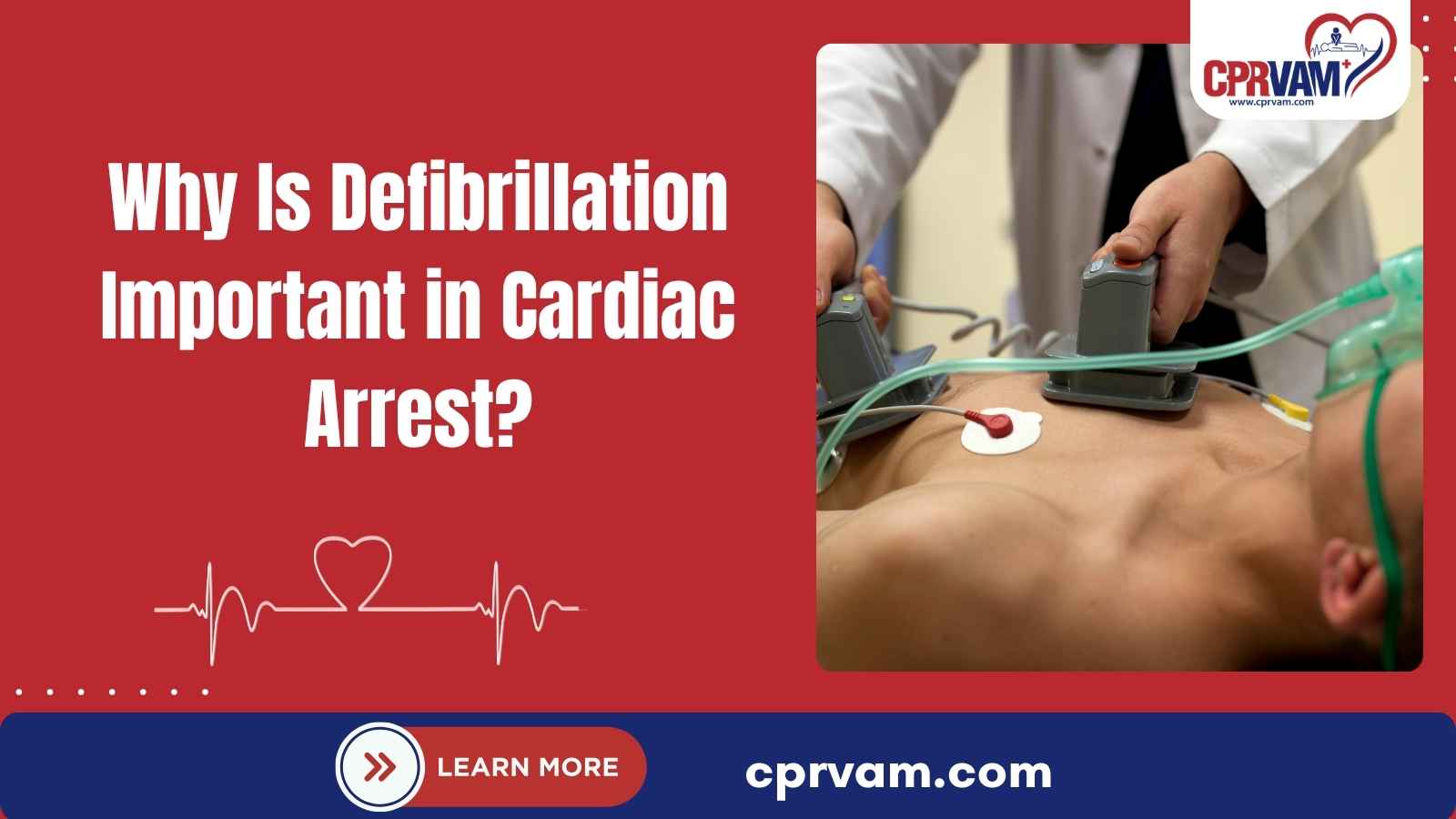
An Automated External Defibrillator (AED) is a hand-carrying, battery-powered defibrillator used to apply some form of shocking treatment to a heart when it suddenly ceases to function normally. The AED monitors the heart rhythm and automatically gives an electric shock to bring the heart back to normal beating. The AED is easy to use with voice guidance that leads anyone, including non-medical staff, step by step through the procedure. Using an AED within a short time frame in combination with CPR can significantly improve the chances of survival until a trained rescue team can arrive.
Step-by-step guide to using an AED
- Call emergency services immediately or ask someone else to call.
- Turn on the AED and follow the voice instructions it gives.
- Remove clothing and expose the person’s bare chest for pad placement.
- Attach the AED pads to the chest as shown in the pictures on the pads.
- Make sure no one is touching the person while the AED analyses the heart rhythm and delivers a shock if needed.
- After a shock or if no shock is needed, start CPR and continue to follow AED instructions until help arrives or the person recovers.
Special BLS Situations: Effective Emergency Response Guide
Basic Life Support (BLS) is needed whenever a person faces emergencies like drowning, choking, trauma, or shock. Special attention is needed in any case to rescue the person safely. Some of the conditions that need treatment are discussed below:
Drowning Emergencies
Drowning is a state where an individual is submerged under water and can’t breathe. Speed is essential to avoid brain and organ injury. As you execute this procedure, repeat the following steps:
- Call for medical help right away.
- Take the person out of the water carefully.
- Check if they respond by speaking loudly.
- Start high-quality CPR.
- Continue CPR until the person recovers or professional medical help arrives.
Opioid Overdose & Naloxone Administration
Opioid overdose is a serious problem caused by taking too much opioid medicine or drugs like heroin or fentanyl. Signs include being unconscious, slow or no breathing, tiny pupils, cold or blue skin, and strange breathing sounds. In this case, you’ve to do the following things:
- Call 911 immediately.
- Use Naloxone (Narcan) if available.
- Give rescue breaths or CPR if needed.
- Watch the person until emergency workers come.
Shock Management
Shock is a severe medical condition that occurs when body organs and tissues fail to receive an adequate amount of blood and oxygen. It will cause organ failure unless it is dealt with immediately. During this situation, you should take the following steps:
- Lay the person flat unless they have a neck injury or breathing trouble.
- Keep them warm and still.
- Don’t give them anything to eat or drink.
Trauma
Trauma is a serious injury needing prompt and systematic treatment to save the life of the victim and reduce additional injury. During this condition, you have to do the following things:
- Check and protect the airway while keeping the neck and spine stable, especially if injury is suspected.
- Control bleeding by applying firm pressure and keep the person warm and lying flat if possible.
- Monitor breathing and consciousness, and be ready to give CPR if the person stops breathing or loses responsiveness.
Post-Resuscitation Care: Essential Steps After CPR
Post-resuscitation care refers to the management and treatment administered to a patient following the restoration of their heartbeat after cardiac arrest. Even though the patient has been resuscitated, the patient is in a critical state and needs special additional care and attention.
1. Confirm Return of Spontaneous Circulation (ROSC):
It is crucial to wait for the heartbeat before advancing with caution. It shows blood circulation without the need for chest compressions from outside, a resuscitation turning point, but caution is still required to assist recovery.
2. Airway and Breathing Management:
You have to secure the airway, often with a breathing tube, and provide controlled breaths (about 10 per minute) to maintain oxygen flow.
3. Oxygen and Ventilation Control:
Monitor oxygen levels closely and keep blood oxygen saturation between 92% and 98% to avoid damage from too much or too little oxygen.
4. Maintain Blood Pressure:
You should use fluids or medications to keep blood pressure at safe levels (systolic above 90 mm Hg and mean arterial pressure above 65 mm Hg) to ensure organs get enough blood.
5. Neurological Protection and Temperature Management:
You should lower the body temperature to 32-36°C for 24 hours to protect the brain of an unconscious person. Monitor and manage seizures, blood sugar, and avoid fever, supporting brain recovery.
Teamwork in BLS: Key Elements for Effective Emergency Response
Teamwork is very important during Basic Life Support (BLS) because it helps save lives more effectively. Here are key reasons why teamwork matters during an emergency:
- Clear Communication: Team members share information clearly and confirm instructions, reducing mistakes when someone has sudden cardiac arrest.
- Defined Roles: Everyone knows their specific job, so tasks don’t get missed and have a systematic approach during an emergency.
- Leadership: A strong leader guides the team, delegates tasks, and keeps everyone focused.
- Coordination: Team members work together smoothly, making sure chest compressions, breaths, and defibrillation happen without delays.
- Adaptability: The team quickly adjusts to changes during emergencies to provide the best care.
Improved Outcomes: Good teamwork speeds up treatment, cuts down errors, and increases chances of survival.
BLS Certification & Skills Testing
Basic Life Support (BLS) Certification involves training to recognise life-threatening emergencies and perform essential skills like CPR, airway management, and using an AED. To get BLS certified, one typically follows these steps:
Find an Accredited Course: First thing, you should choose a BLS course from a trusted provider such as the American Heart Association or American Red Cross, available both in-person and online.
- Enrol and Study: You need to complete the training modules covering CPR for all ages, AED usage, choking relief, and emergency response basics.
- Skills Testing and Exam: You have to demonstrate competency through practical skills testing and a written or online exam.
- Receive Certification: Right after passing the BLS exam, receive a certificate valid for 2 years that shows readiness to perform BLS.
- Renewal: CPR certification is valid for two years, and your BLS certification must be renewed every two years through refresher courses or the recertification process to ensure your skills stay current.
FAQs
1. What Are the 7 Steps of BLS?
Here are the 7 steps of BLS are as follows:
- You have to make sure the area is safe for you and the person needing help.
- Check the person’s responsiveness.
- Call for emergency help or ask someone nearby to call immediately.
- Open the patient’s airway by tilting the head back and lifting the chin.
- Check and listen to the normal breathing for up to 10 seconds.
- If not breathing normally, start CPR like chest compressions by pushing hard and fast in the centre of the chest.
- Give 2 rescue breaths after every 30 chest compressions, then keep repeating until medical help arrives.
2. How Many Questions Are on the BLS Exam?
Basic Life Support (BLS) certification exam typically has 25 multiple-choice questions covering key topics like CPR, airway management, and emergency response.
3. What is the Passing Score of the BLS?
The passing score for the Basic Life Support (BLS) certification exam is typically 84%, depending on the course provider.
4. How Many Days in the BLS Course?
Basic Life Support (BLS) course typically takes about 4 to 5 hours to complete for an instructor-led class, including skills practice and testing. Online courses may take 1 to 2 hours for the theory portion, followed by a hands-on skills session lasting about 1 to 2 hours, depending on your experience.
5. What Are the 5 Principles of Basic Life Support?
The 5 principles of BLS are:
- Safety First: Always check to make sure the scene is safe before helping.
- Check Responsiveness: See if the person is awake or responding by gently shaking and speaking to them.
- Call for Help: Immediately call emergency services or ask someone nearby to call.
- Open the Airway and Check Breathing: Make sure the person’s airway is clear and check if they are breathing normally.
- Perform CPR and Use AED: Start chest compressions and rescue breaths if needed, and use an AED as soon as it’s available.