
Emergencies can strike without warning, on the street, at home, or even at work. You might be the first person on the scene when someone collapses or needs urgent help. But before you jump in, it is important to know what you are legally required to do. Understanding consent, safety, and legal protections can make the difference between saving a life and facing unintended consequences.
Knowing the right steps gives you confidence to act quickly and responsibly. From checking responsiveness to following Good Samaritan laws, the rules are designed to protect both you and the person in need. In this guide, you will learn exactly how to respond safely and legally, so you can provide help when it matters most without hesitation or fear.
This blog explores the key legal responsibilities, consent requirements, Good Samaritan protections, and safety procedures you should follow when responding to an emergency.
Why Is It Important to Know Legal Rules Before Helping in an Emergency?
Understanding legal rules before helping in an emergency is essential for your safety and the person in need. It helps you act confidently, provide care ethically, and make quick decisions. Knowing your responsibilities allows you to respond effectively without hesitation while respecting the rights and autonomy of the person you are assisting.
Key Highlights
Legal Protection: Good Samaritan laws shield you from liability when you help in good faith.
Confidence in Action: Knowing the law reduces hesitation, letting you provide timely, life-saving care.
Ethical Treatment: Legal knowledge helps you respect the rights and autonomy of the person you are helping.
Research from the American Heart Association shows a disparity in bystander help: 45% of men receive CPR in public versus only 39% of women. Hesitation often stems from concerns about consent, privacy, or legal repercussions. Educating the public on legal requirements can bridge this gap and save more lives.
What Legal Steps Must You Take Before Helping Someone in an Emergency?
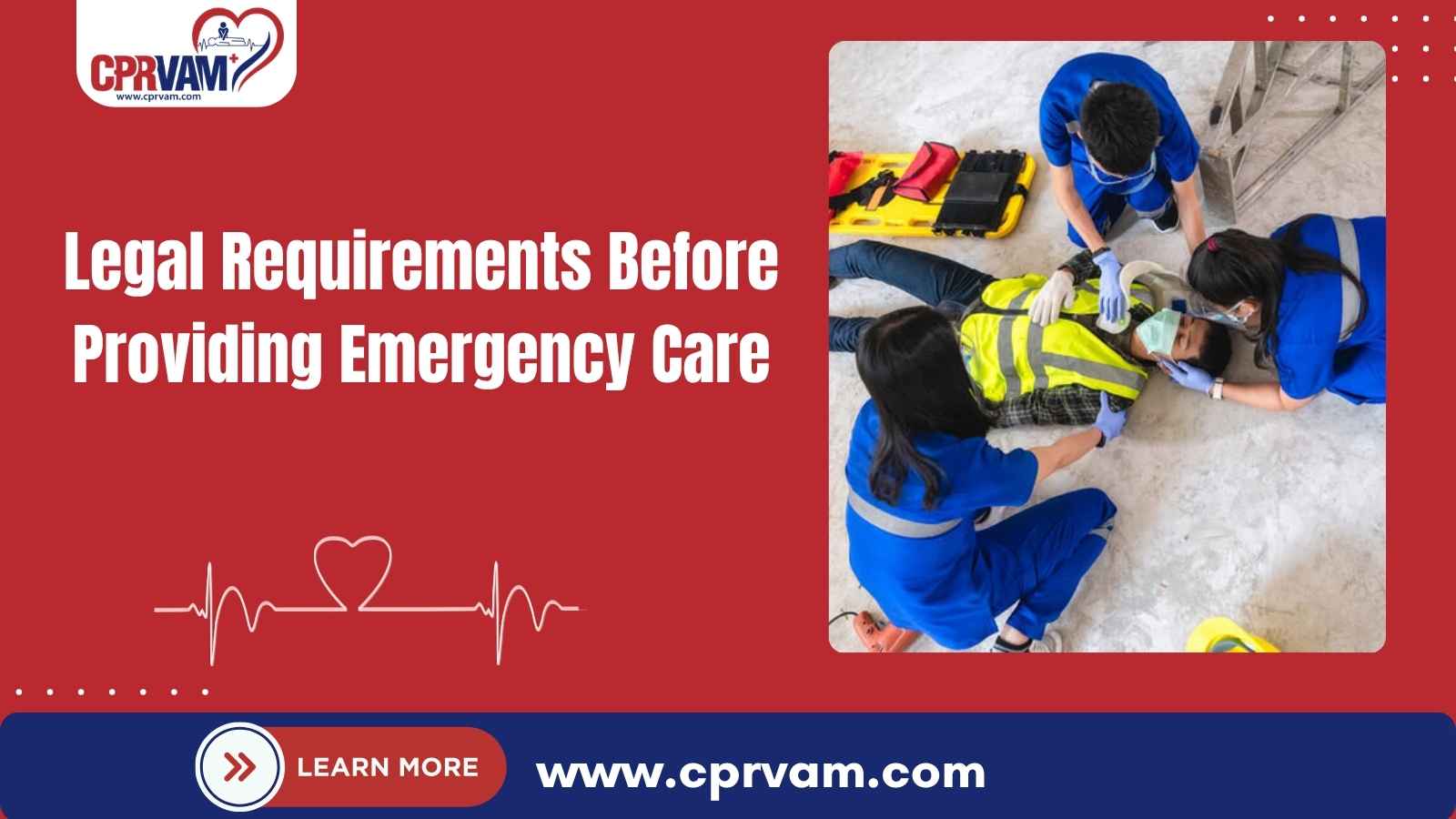
Before you step in to help during an emergency, it is crucial to understand the legal steps involved. Knowing your responsibilities allows you to act confidently, provide safe and ethical care, and protect yourself legally, all while respecting the rights and dignity of the person in need.
Step-by-Step Legal Procedure Before Touching a Person:
1. Assess the Scene for Safety
Before approaching, evaluate the environment for hazards such as traffic, fire, unstable surfaces, or other dangers. Ensuring the scene is safe protects both you and the victim and allows you to provide help without creating additional risk.
2. Check Responsiveness
Gently tap the person’s shoulder and ask clearly, “Are you okay?” A lack of response signals a serious situation requiring immediate attention. Assessing responsiveness helps you determine the urgency and whether life-saving interventions, like CPR, are necessary.
3. Obtain Consent
Obtaining consent is a critical legal and ethical step:
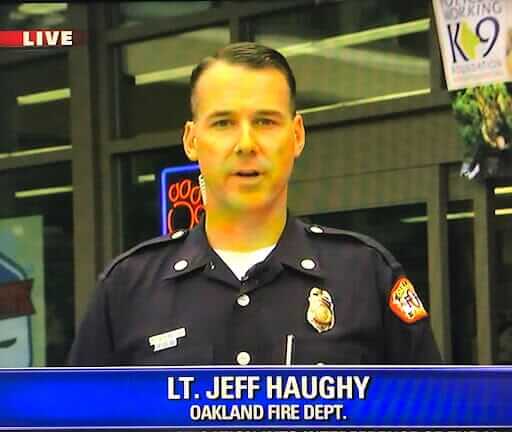
- If conscious and responsive: Introduce yourself and explain your intent. Example: “Hi, my name is Jeff. I know CPR. May I help you?”
- If Unconscious or Unable to Respond: Implied consent legally allows you to provide life-saving care.
- Refusing Consent: Respect the individual’s wishes unless their condition is life-threatening.
4. Call Emergency Services
Immediately contact 911 or your local emergency number. Provide clear and concise information, including your exact location, the person’s condition, and any potential hazards. Early communication ensures professional support is on the way and can guide your immediate actions.
5. Follow Good Samaritan Laws
Good Samaritan protections shield you when providing voluntary aid in good faith. Ensure your assistance is within your level of training, avoid expecting compensation, and do not attempt procedures beyond your skill set. Acting responsibly safeguards both you and the individual receiving care.
6. Use Personal Protective Equipment (PPE)
If available, wear gloves or use a CPR mask to reduce the risk of infection. Proper use of PPE ensures safe intervention for both you and the victim and helps maintain a professional standard of care.
7. Respect Autonomy and Boundaries
Do not force assistance on a conscious individual. Maintain their privacy and dignity throughout the process. If a person refuses help, respect their decision, but continue monitoring and providing guidance within your legal and ethical scope.
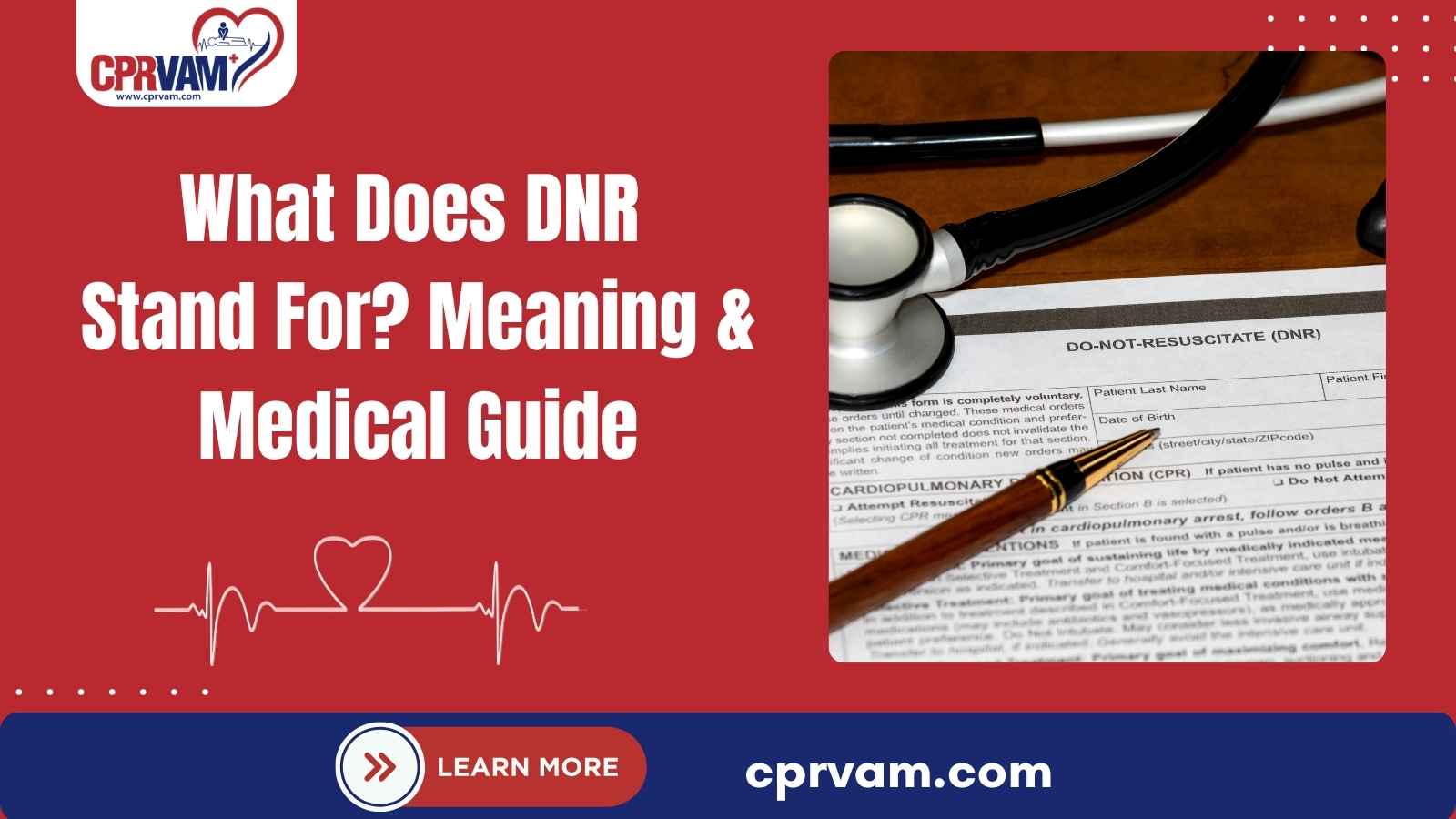
8. Respect DNR Orders (If Known)
Medical professionals must honor Do Not Resuscitate (DNR) orders. If you are a bystander and unaware of a DNR, Good Samaritan laws generally protect you when you act in good faith to provide necessary life-saving care.
9. Avoid Moving the Victim Unless Necessary
Only move the individual if there is immediate danger, such as fire, flooding, or other life-threatening hazards, or if repositioning is essential to provide emergency care. Unnecessary movement can exacerbate injuries such as fractures or spinal damage.
10. Document Your Actions
After the incident, record your actions, including CPR, first aid, and contacting emergency services. Note whether consent was obtained or implied and document any observations of the person’s condition. Thorough documentation supports continuity of care and provides legal protection.
What Should You Do When Consent Cannot Be Obtained in an Emergency?
In situations where a person is unconscious or unable to respond, you are legally and ethically allowed to provide care under implied consent. Knowing this lets you act confidently, prioritize saving their life, prevent further harm, and summon professional help without hesitation or fear of legal consequences.
Protecting Life: Focus on immediate life-saving actions to stabilize the person.
Preventing Further Harm: Take steps to avoid worsening injuries or conditions.
Summoning Professional Help: Call 911 or your local emergency number promptly to ensure advanced care arrives quickly.
What Are the Risks of Not Following Legal Procedures in an Emergency?
Not following legal procedures during an emergency can put both you and the person you are trying to help at risk. Understanding these risks ensures you act responsibly, stay protected legally, and provide care safely without hesitation or mistakes that could have serious consequences.
Here are the consequences of not following legal procedures in an emergency:
1. Legal Liability
If you fail to follow proper procedures, you could be held legally responsible for any harm caused. You may face lawsuits for negligence or even assault if your actions unintentionally worsen the victim’s condition.
2. Criminal Charges
Reckless or improper actions during an emergency could expose you to criminal prosecution. Even with good intentions, performing care beyond your training or acting irresponsibly can result in serious legal consequences.
3. Delayed Medical Care
Hesitation or incorrect assistance can slow down professional medical intervention. You could unintentionally worsen the victim’s condition by delaying critical care or making the situation more complicated for emergency responders.
4. Reputation and Financial Damage
Improper actions may lead to civil lawsuits, fines, or other financial consequences. Protecting yourself by following legal procedures not only safeguards your reputation but also ensures you act ethically and responsibly during emergencies.
When you follow legal guidelines, you protect yourself and improve the chances of survival for the victim.
Follow Legal Guidelines to Protect Yourself and Save Lives
Emergencies can happen anytime, and knowing your legal responsibilities ensures you act quickly, safely, and confidently. Always assess the scene, obtain consent or rely on implied consent, and call emergency services without delay. Follow Good Samaritan protections, use PPE, respect autonomy and DNR orders, and document your actions. Applying these steps, you not only protect yourself legally but also maximize the victim’s chances of survival, empowering you to make a real difference.
Take action today with CPR VAM. Our courses go beyond teaching ACLS, BLS, and PALS and equip you with hands-on skills and legal knowledge to respond confidently in emergencies. You will learn CPR, AED use, airway management, and the legal protections that keep you safe while helping others. Join CPR VAM near your location to build the confidence to save lives effectively and responsibly.
FAQs
1. What Are the First Steps You Should Take Before Helping Someone in an Emergency?
Before you touch anyone, always assess the scene for safety. Check for hazards like traffic, fire, or unstable surfaces to ensure you and the victim are not at risk. Then, check responsiveness to determine if immediate life-saving care, like CPR, is needed.
2. How Do You Legally Obtain Consent Before Providing Aid?
If the person is conscious, introduce yourself and explain your intent, for example, “Hi, I know CPR. May I help you?” If they cannot respond or are unconscious, the law allows implied consent, meaning you can provide necessary life-saving care without hesitation.
3. What Should You Do If the Person Refuses Help?
If a conscious person declines your assistance, you must respect their decision unless their condition is life-threatening. You should continue to monitor them, provide guidance from a safe distance, and call emergency services if the situation escalates.
4. How Does the Good Samaritan Law Protect You When Helping in an Emergency?
Good Samaritan protections cover you when you provide voluntary aid in good faith. You are legally shielded as long as you act within your training, do not seek payment, and avoid procedures beyond your expertise. Following these rules keeps you safe and the victim protected.
5. What Could Happen If Legal Procedures Are Ignored in an Emergency?
Neglecting legal protocols during an emergency can lead to legal action, criminal liability, postponed treatment, and harm to your reputation or finances. Adhering to proper procedures helps ensure your actions are responsible, ethical, and safeguard both you and the person in need.