

When someone experiences choking and becomes unresponsive, knowing how to respond quickly can save someone’s precious life. An unresponsive choking person cannot breathe or speak, and oxygen supply to the brain is severely reduced, which can damage vital organs within minutes. Acting promptly with proper first aid techniques, including rescue breaths and CPR, is critical to prevent serious complications such as brain damage or cardiac arrest.
Before giving rescue breaths, it is essential to understand the proper steps and precautions. Giving breaths without checking the airway or trying to remove obstructions can be ineffective or even harmful. First responders and bystanders should focus on assessing the situation, clearing the airway if possible, and calling emergency services while preparing to deliver rescue breaths.
This blog will guide you through the steps to take before giving breaths to an unresponsive choking person, highlight key safety tips, and help you act confidently in a life-threatening choking emergency.
What Happens When A Choking Person Becomes Unresponsive?
When a choking person becomes unresponsive, it means the airway is completely blocked, and oxygen can no longer reach the lungs. As oxygen levels in the blood rapidly decrease, the brain is deprived of the oxygen it needs to function. This lack of oxygen can cause the person to lose consciousness within one to two minutes, while the object causing the choking often remains lodged in the airway.
If the obstruction is not cleared quickly, serious complications can occur. Brain damage can begin within four to six minutes without oxygen, and prolonged deprivation may lead to cardiac arrest and death. This is why immediate action is critical. Starting CPR with chest compressions helps circulate remaining oxygen and may dislodge the obstruction, increasing the person’s chances of survival until emergency medical help arrives.
What Are the Steps to Take Before Giving Breaths to an Unresponsive Choking Person?
Knowing the correct sequence of actions before giving rescue breaths to an unresponsive choking person is critical to ensure effective life-saving care. Following these steps carefully can increase the chances of dislodging the obstruction and provide rescue breaths successfully to maintain oxygen flow to vital organs.
As soon as an adult choking victim becomes unresponsive, you should follow the steps below before giving rescue breaths:
1. Ensure Scene Safety
Before approaching an unresponsive choking person, always make sure the environment is safe for both you and the victim. Check for potential hazards such as traffic, fire, electrical risks, or unstable surfaces. Ensuring scene safety prevents additional injuries and allows you to focus entirely on providing life-saving care without putting yourself at risk.
2. Call Emergency Services
After you ensure scene safety, immediately contact your local emergency number or 911. Promptly alerting professionals ensures that advanced medical help is on the way while you begin life-saving measures. If someone else is present, have them make the call so you can focus on performing CPR without delay.
3. Begin Chest Compressions Immediately
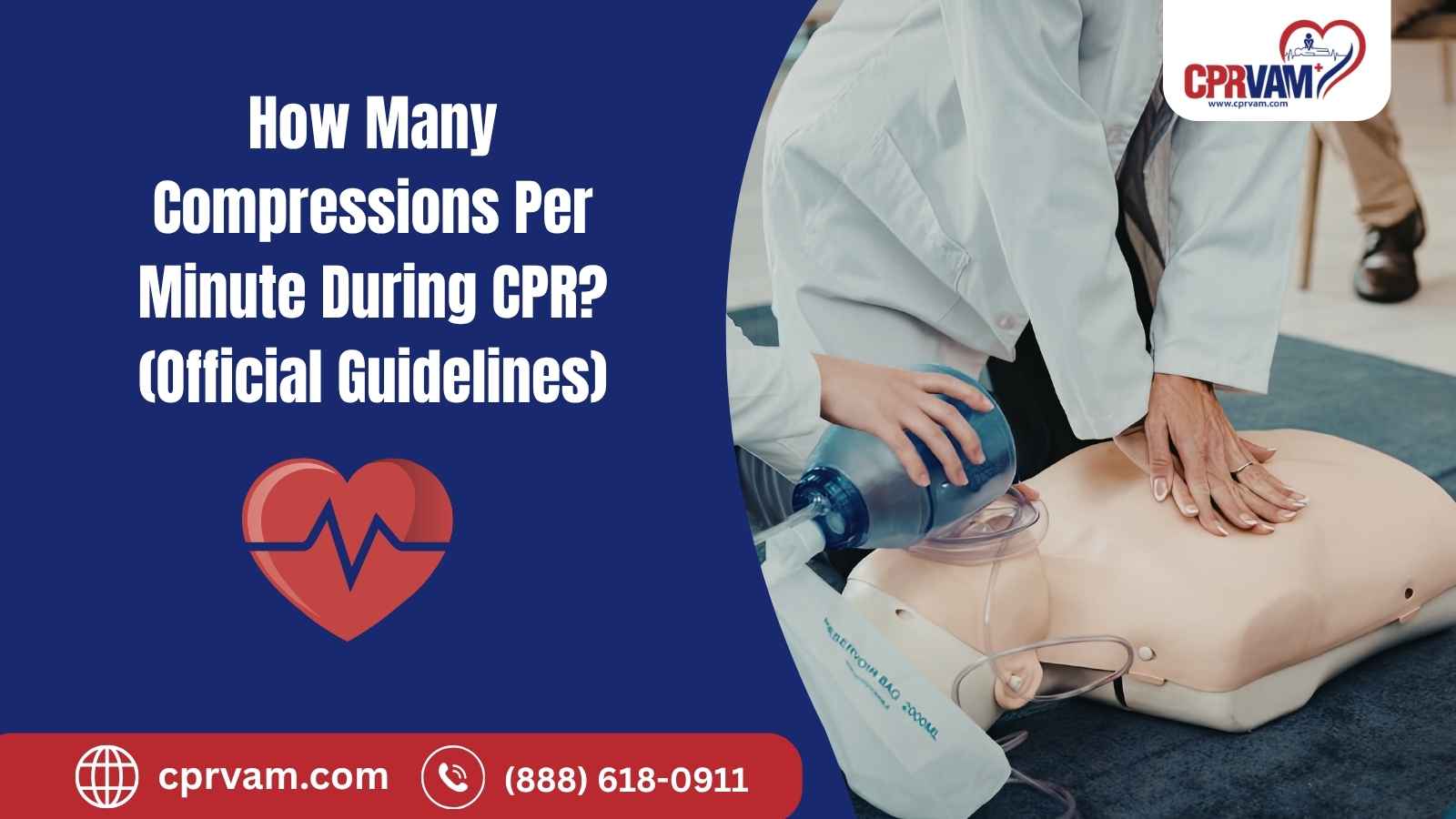
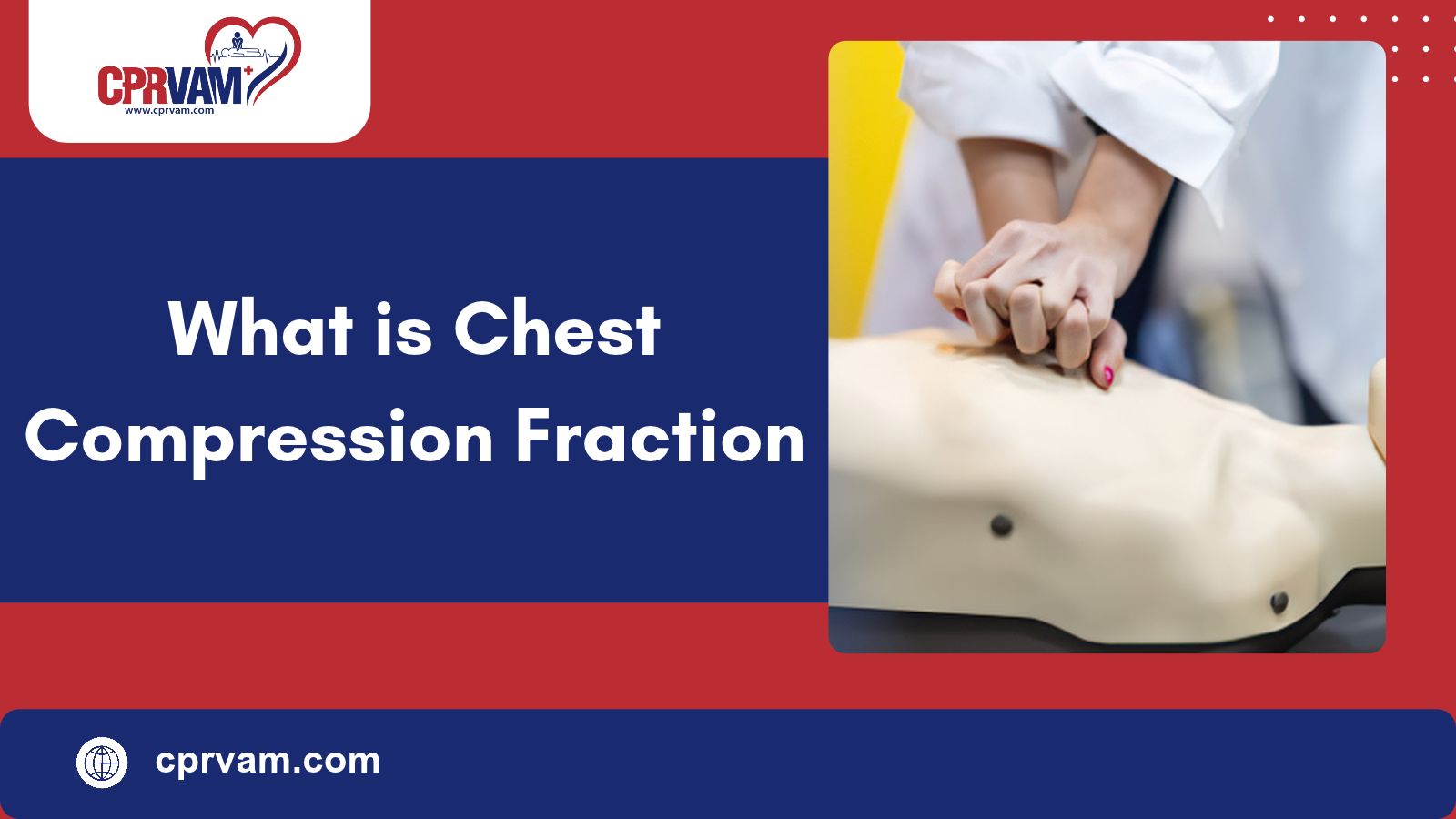
Once you have called emergency services, begin chest compressions immediately before attempting rescue breaths. Place the heel of one hand on the center of the chest, with the other hand on top, and press down firmly at a rate of 100-120 compressions per minute.
For an unresponsive choking person, performing chest compressions before rescue breaths is essential, as the force of the compressions can help dislodge the obstruction from the airway while also circulating blood and oxygen to vital organs.
4. Check the Mouth for Obstruction
After completing 30 chest compressions and before giving rescue breaths to an unresponsive choking person, check the victim’s mouth for any obstruction. This step is important because the force generated by chest compressions may have dislodged the object from the airway.
If you see an object clearly visible in the mouth, carefully remove it. Do not perform a blind finger sweep, as this can push the obstruction deeper into the throat and worsen the blockage. Always remove an object only when it can be seen and safely grasped.
This step is particularly important because removing the obstruction increases the likelihood that rescue breaths will be effective.
5. Give 2 Rescue Breaths
After checking the mouth for obstructions and ensuring the airway is open, give 2 rescue breaths. Tilt the head back slightly, lift the chin, pinch the nose closed, and create a tight seal over the person’s mouth. Deliver each breath slowly, lasting about 1 second, and watch for visible chest rise.
If the chest does not rise with the first breath, reposition the head and try the second breath. If the chest still does not rise, resume chest compressions immediately. Rescue breaths are only effective when the airway is clear, which is why proper airway checks and positioning are essential before delivering them.
6. Repeat CPR Cycles
After giving 2 rescue breaths, continue CPR by repeating cycles of 30 chest compressions followed by 2 rescue breaths. After each set of compressions, check the mouth for any visible obstruction before attempting breaths again.
Maintain a steady compression rate of 100-120 per minute and minimize interruptions between cycles. Continue CPR until the airway is cleared, the person begins breathing normally, an AED becomes available, or trained emergency responders take over. Continuous CPR is critical to maintaining blood flow and oxygen delivery to the brain and other vital organs.
What Are the Common Mistakes to Avoid When a Choking Person Becomes Unresponsive?
When a choking person becomes unresponsive, incorrect actions can delay effective treatment and increase the risk of serious injury or death. Avoiding the common mistakes is critical for providing proper life-saving care.
Below are some of the common mistakes you should avoid while dealing with an unresponsive choking person:
1. Delaying Emergency Help
Failing to call emergency services immediately can significantly reduce the person’s chances of survival. Professional medical assistance should be activated as soon as the person becomes unresponsive, even while CPR is being performed.
2. Continuing Back Blows or Abdominal Thrusts
Back blows and abdominal thrusts are appropriate only for a conscious choking person. Once the person becomes unresponsive, back blows and abdominal thrusts should be stopped and replaced with CPR, starting with chest compressions.
3. Giving Rescue Breaths Before Chest Compressions
Attempting rescue breaths before chest compressions can be ineffective when the airway is blocked. Chest compressions should be performed first, as they can help dislodge the obstruction and maintain blood circulation.
4. Performing Blind Finger Sweeps
Inserting fingers into the mouth without clearly seeing the obstruction can push it deeper into the airway and worsen the blockage. Objects should only be removed when they are clearly visible and easily grasped.
5. Giving Repeated Ineffective Rescue Breaths
If the chest does not rise even after second breaths, do not continue forcing breaths. Reposition the head once and return to chest compressions if breaths remain ineffective.
6. Stopping CPR Too Early
Stopping CPR too soon can deprive the brain and vital organs of oxygen. CPR should continue until the airway is cleared, the person begins breathing normally, an AED becomes available, or emergency responders take over.
7. Leaving the Person Unattended
Never leave an unresponsive choking person alone. Continuous monitoring and ongoing CPR are essential until professional help arrives.
Get Trained to Respond Confidently in a Choking Emergency
Therefore, before giving breaths to an unresponsive choking person, ensure the scene is safe, call emergency services immediately, start chest compressions, and check the mouth for visible obstructions. Performing chest compressions first helps dislodge the blockage and maintain blood flow. Avoiding common mistakes such as blind finger sweeps, continuing abdominal thrusts and backblows, or stopping CPR too early ensures effective care. Following these steps promptly can save a life and maintain oxygen to the brain and vital organs until professional help arrives.
Knowing the steps to take during an unresponsive choking emergency is essential, but the ability to act quickly and correctly comes from hands-on training. Enrolling in CPR VAM’s CPR training center allows you to practice real-life choking and CPR scenarios, including airway management, chest compressions, and rescue breaths, under expert instruction. With training in BLS, ACLS, and PALS, you gain the confidence and skills needed to respond effectively when someone’s airway is blocked and seconds matter.