
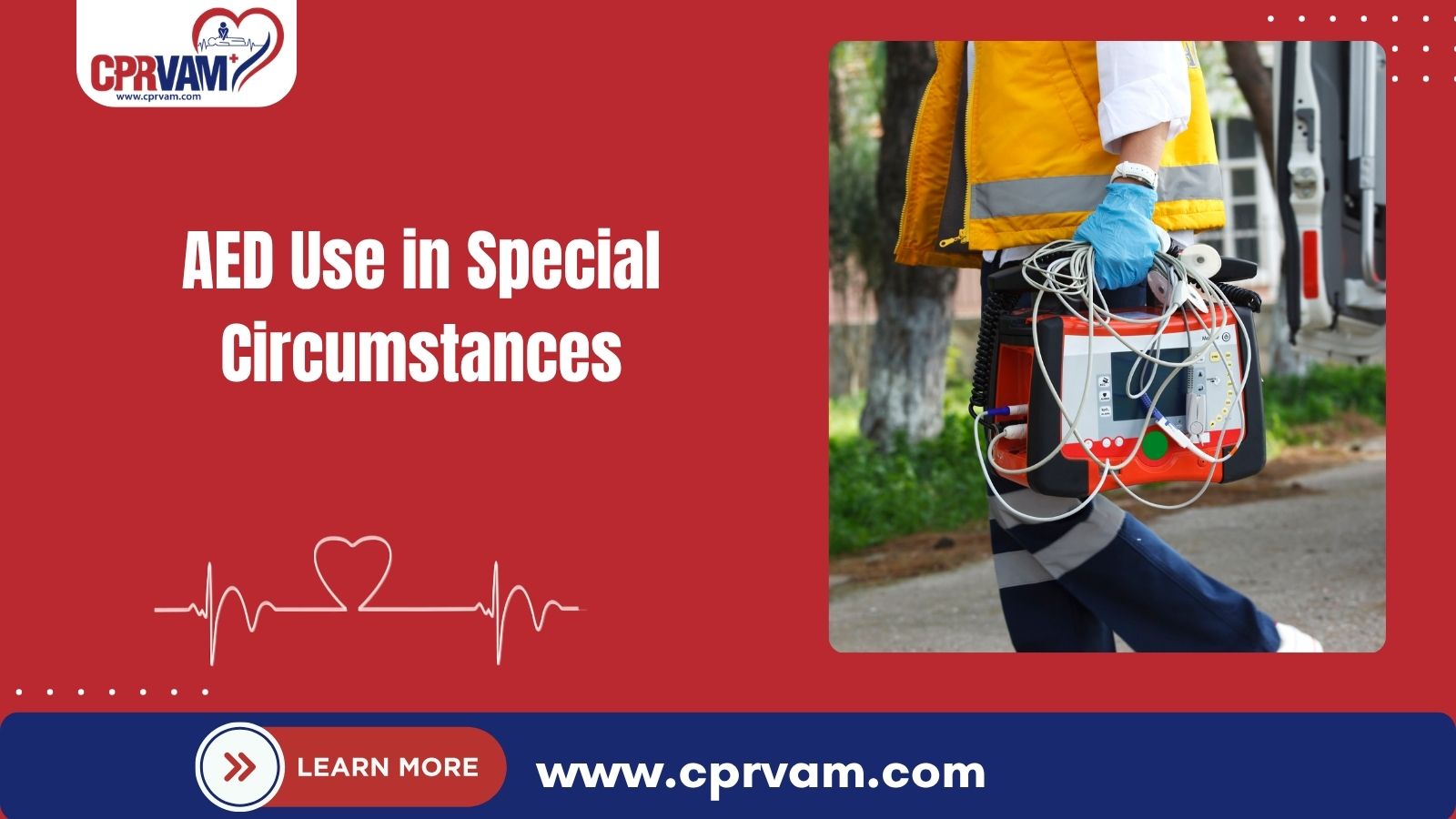
Sudden cardiac arrest (SCA) can strike without warning and remains one of the leading causes of unexpected death in the United States. The American Heart Association (AHA) emphasizes that immediate cardiopulmonary resuscitation (CPR) combined with early defibrillation using an Automated External Defibrillator (AED) can double or even triple a person’s chances of survival when performed within the first few critical minutes. Understanding how and when to act can make the difference between life and death.
AEDs are designed to be intuitive, allowing both trained professionals and everyday bystanders to respond effectively during emergencies. Yet real-life situations are rarely straightforward. Victims may be wet, pregnant, very young, or living with implanted medical devices such as pacemakers or defibrillators. Knowing how these factors affect AED use helps ensure your safety as a rescuer while maximizing the device’s effectiveness.
This guide explains how AEDs work and highlights evidence-based special circumstances. Understanding these scenarios enables rescuers to act quickly and confidently, ensuring safety and improving the chances of survival in cardiac arrest.
How Does an AED Work During Sudden Cardiac Arrest?
During sudden cardiac arrest, the heart’s electrical system malfunctions, causing dangerous shockable rhythms like ventricular fibrillation or pulseless ventricular tachycardia. An AED helps you by analyzing the heart rhythm, detecting shockable patterns, and delivering a controlled shock when needed.
Common Shockable Rhythms:
Ventricular Fibrillation (VF)
Pulseless Ventricular Tachycardia (VT)
How an AED Works:
Analyzes the heart rhythm to detect abnormalities
Identifies whether a shockable rhythm is present
Delivers a controlled electrical shock when indicated
Important Note: An AED only delivers a shock when necessary, giving you confidence that it is safe to use even in uncertain or unpredictable situations.
Why Are Special Circumstances Important When Using an AED?
Understanding special circumstances is crucial when utilizing an AED. Proper pad contact, correct placement, environmental safety, and the victim’s unique physiology all affect effectiveness. Knowing these factors helps you act confidently and maximize the chances of successful defibrillation.
AED effectiveness depends on:
Proper pad contact
Correct pad placement
Environmental safety
Victim-specific physiology
Overlooking special circumstances may lower the AED’s effectiveness or slow your response. Still, you should never delay defibrillation once cardiac arrest is confirmed.
Which Special Situations Should You Keep in Mind When Using an AED?
Using an AED can save lives, but real emergencies are rarely textbook. Factors such as chest hair, wet skin, age, pregnancy, implanted devices, or legal orders can affect effectiveness. Knowing these situations helps you respond quickly, confidently, and safely, maximizing the chance of survival.
Here are the circumstances where a rescuer should consider when using an AED:
1. Managing Chest Hair for Proper Pad Contact
Chest hair can reduce pad adhesion and lower shock effectiveness. Focus only on the specific areas where pads are applied. Quickly shave these spots using the disposable razor included in the AED kit. If shaving is not possible, press the pads firmly or reapply them. You should never delay defibrillation for cosmetic purposes.
2. Ensuring Safe Defibrillation on Wet or Sweaty Victims
Moisture on the chest may prevent proper pad adhesion, but it does not cancel the shock. Move the victim out of standing water, remove wet clothing, and dry only the areas where pads will go. Once pads have good contact, you can safely deliver a shock with confidence.
3. Defibrillation Guidelines for Children and Infants
Cardiac arrest in children is uncommon but requires special attention. For children under 8 years or weighing less than 55 lbs (25 kg), use pediatric pads or pediatric mode if available. If unavailable, place adult pads in an anterior-posterior position. For infants under 1 year, manual defibrillation is preferred, though AED use is still better than no intervention. You should follow these guidelines carefully.
4. During Pregnancy
Defibrillation is safe and strongly recommended for pregnant patients. Restoring maternal circulation offers the best chance of survival for both mother and fetus. Place pads the same way as for non-pregnant adults. You can confidently apply shocks, knowing that properly applied AED shocks do not harm the fetus.
5. Using a Defibrillator on Patients with Pacemakers or ICDs
AEDs are safe for patients with implanted cardiac devices. Identify the device (scar or lump, usually on the upper left chest) and place pads at least 1 inch (2.5 cm) away. If needed, use front-and-back placement. You should avoid placing pads directly over the device to prevent interference.
6. Handling Medication Patches Safely
Transdermal patches like nitroglycerin or nicotine can block electrical flow or cause burns. Always wear gloves, remove the patch, and wipe away any adhesive before applying pads. By following this process, you ensure safe and effective defibrillation without risk to the patient.
7. Addressing Jewelry, Piercings, and Clothing
Metal or fabric under pads can interfere with shock delivery. Remove jewelry or piercings only if directly under the pads. Bras must be removed or cut away for proper contact. You should never delay defibrillation for cosmetic reasons, ensuring timely and effective lifesaving care.
8. Safety Considerations on Metal, Snow, or Ice
AED operation is safe on snow or ice, but it is unsafe if you or the victim are in contact with metal surfaces. Move the victim off metal, ensure no conductive path exists, and avoid flammable vapors. You can use the device safely in challenging environments by following these precautions.
In Which Situations Should You Avoid Using an AED?
Although AEDs are designed to save lives, there are situations where using one is unnecessary or unsafe. Understanding when not to use an AED ensures you provide appropriate care and avoid potential harm while responding confidently.
You should not use an AED in the following situations:
1. When the Person Is Conscious and Breathing Normally
If the victim is awake, alert, and breathing normally, using an AED is not required. You should focus on monitoring their condition and calling emergency services instead. Defibrillation is only indicated for unresponsive individuals without a pulse.
2. When a Legally Recognized DNR Order Is Present
A Do Not Resuscitate (DNR) order is a legal document reflecting the patient’s wishes not to receive CPR or defibrillation. You must respect this order. If you are unsure about its validity, seek immediate guidance from a healthcare professional before proceeding.
3. During a Heart Attack Without Cardiac Arrest
A heart attack does not always stop the heart. If the person has a pulse and is responsive, using an AED is not necessary. You should focus on providing supportive care, monitoring the victim, and contacting emergency services immediately.
What Should You Do Immediately After an AED Shock?
After delivering a shock with an AED, immediate action is crucial to maximize the victim’s chance of survival. You should continue life-saving measures, follow device prompts, and maintain continuous care until emergency medical services arrive or the person shows signs of life.
1. Resume CPR Immediately
You have to begin CPR with chest compressions without delay to maintain blood flow. You should focus on high-quality compressions as recommended by the American Heart Association.
2. Follow AED Voice Prompts
Listen carefully to the device and act according to its instructions. The AED guides you through the next steps, ensuring you respond correctly.
3. Do Not Remove Pads
Leave the pads in place on the victim’s chest. You should maintain contact so the AED can analyze the heart rhythm continuously.
4. Continue Care Until Help Arrives
Keep performing CPR and following AED instructions. Your continuous attention can make a life-saving difference.
5. AED Will Reanalyze and Recommend Shocks
The device automatically checks the heart rhythm and guides you on further shocks. You should always follow its recommendations promptly and accurately.
Why Understanding AED Special Circumstances Saves Lives
Knowing how to handle special AED situations can make all the difference in an emergency. When you know these factors, you prevent delays, improve shock effectiveness, and act with confidence. Following evidence-based guidelines ensures your care is safe and effective. Remember, early CPR combined with prompt AED use is the most powerful way to save a life. You can step in quickly and confidently when every second counts.
Stay prepared for any emergency by understanding special AED considerations. At CPR VAM, an AHA-certified training center, you learn CPR, BLS, ACLS, and PALS from expert instructors with hands-on practice. Master AED use, emergency response, and life-saving skills, and ensure your home or office is protected with our top-quality AEDs. Take the first step today and become confident in saving lives!
FAQs
1. Can I Use an AED on A Wet or Sweaty Person?
Yes. You can use an AED even if the victim is wet or sweaty. You should move the person out of standing water, dry only the chest where pads will go, and then confidently deliver the shock, knowing the device works effectively.
2. How Do I Handle Chest Hair When Using an AED?
Chest hair can prevent pads from sticking properly. You should quickly shave or press the pads firmly. If contact remains poor, remove and reapply the pads, but never delay defibrillation to shave the entire chest.
3. Is It Safe to Use an AED on Children or Infants?
Yes. AEDs can be used for children under 8 years or weighing less than 55 lbs, preferably with pediatric pads or mode. For infants under 1 year, manual defibrillation is preferred, but you should still use the AED if necessary.
4. Can Pregnant Patients Safely Receive a Shock From an AED?
Yes. AED use is safe during pregnancy. You should place the pads as you would for any adult, knowing that proper defibrillation restores maternal circulation without harming the fetus.
5. What Precautions Should I Take With Patients Who Have Pacemakers or ICDs?
AEDs are safe for patients with implanted devices. You should place pads at least 1 inch away from the device and avoid direct contact. Front-and-back placement can be used if needed, ensuring the shock is effective without interference.