



Monitoring an infant’s health requires close attention, and one of the most important indicators is their pulse. Because babies have faster heart rates and delicate circulatory systems, subtle changes in their pulse can signal early signs of distress or underlying health issues. Recognizing these changes promptly is essential for their safety and well-being.
Parents and caregivers often worry about how to monitor their baby’s health effectively, especially when signs of illness or discomfort appear. Infants can experience rapid changes in their condition, and even minor symptoms like unusual sleepiness, changes in skin color, or irregular breathing patterns can indicate that something is wrong. Being aware of when to observe vital signs, including the pulse, can help adults respond quickly and reduce anxiety during stressful situations. Knowledge and preparedness are key to ensuring timely care and preventing complications.
This blog explains the preferred method for pulse check in an infant, including key techniques, common mistakes to avoid, and when to seek medical help.
When Should You Check An Infant’s Pulse?
You should check an infant’s pulse whenever there are signs that the baby may be unwell or in distress. Pulse assessment helps identify changes in heart rate and circulation that may require medical attention.
Check an infant’s pulse in the following situations:
- Breathing Concerns: If the infant is breathing very fast, very slow, or irregularly
- Unresponsiveness: When the baby is unusually drowsy, limp, or difficult to wake
- Illness or Fever: During high fever, infection, or dehydration
- After Injury: Following a fall, accident, or trauma
- Color Changes: If the skin, lips, or nail beds appear pale or bluish
- First Aid Situations: When providing emergency care or during CPR assessment
Routine pulse checks are not necessary for healthy infants. However, in emergency or concerning situations, checking the pulse can provide valuable information and help guide the next steps in care. If you are ever unsure about an infant’s condition, seek medical help immediately.
What Is the Best Way to Check the Pulse in An Infant?
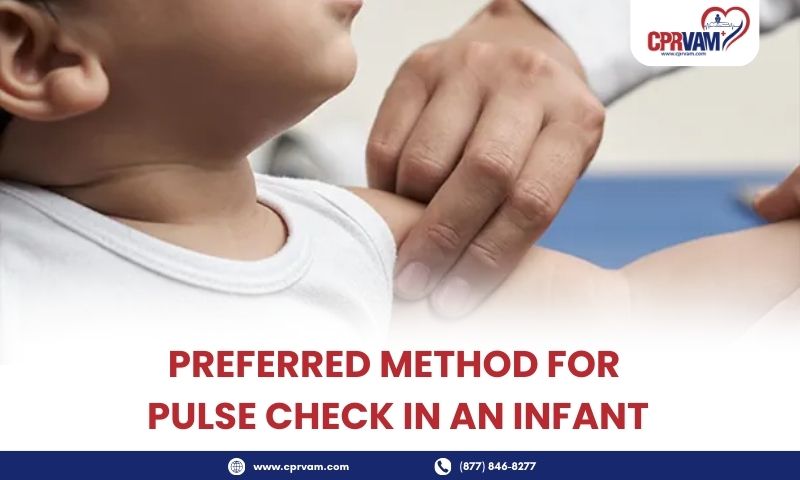
The best way to check the pulse in an infant is by assessing the brachial pulse, located on the inside of the upper arm between the shoulder and the elbow. This method is widely recommended by healthcare professionals because infants have small, delicate blood vessels, making pulses at the wrist or neck difficult and unreliable to detect.
The brachial pulse offers a stronger and more consistent signal, even when an infant is very young or unwell. It is less affected by movement and provides a clearer indication of the infant’s heart rate and circulation. For this reason, the brachial pulse is the standard site used during routine assessments, first aid, and emergency care for infants under one year of age.
Using the brachial pulse helps ensure accurate evaluation of an infant’s cardiovascular status, allowing caregivers to recognize abnormalities early and seek medical attention when necessary.
What Is the Alternative Site for a Pulse Check in An Infant?
The alternative site for pulse check in an infant is the femoral pulse, which is located in the groin area where the upper thigh meets the abdomen. This pulse is larger and often easier to feel when the brachial pulse is difficult to locate.
The femoral pulse is especially useful in emergencies because it reflects central circulation and can remain detectable even when peripheral pulses are weak. Healthcare providers commonly use this site during urgent assessments or when evaluating blood flow in infants.
While effective, the femoral pulse should be checked gently and only when necessary, as infants may be sensitive in this area.
What Is the Proper Way to Check An Infant’s Pulse?
Assessing an infant’s pulse requires a calm approach and a gentle touch. The purpose is to quickly determine whether the heart is beating and if circulation appears normal, especially during illness or emergencies.
Here’s a step-by-step guide to performing a brachial pulse check:
1. Ensure the Infant Is in a Stable Position
Lay the infant on their back on a firm, level surface. The baby should be relaxed, with minimal movement, as excessive motion can make the pulse harder to feel. Keeping the infant still improves accuracy and safety during the check.
2. Locate the Brachial Artery
The brachial artery runs along the inside of the upper arm, between the shoulder and the elbow. Slightly bend the infant’s arm and gently feel along the inner arm to find the soft area where the pulse can be detected.
3. Use Light, Controlled Pressure
Place two fingers gently over the artery and apply just enough pressure to sense pulsations. A light touch is important because pressing too firmly can temporarily stop blood flow and lead to an incorrect reading.
4. Assess the Heartbeat
Once the pulse is felt, observe the rhythm and estimate the rate by counting beats for a short time. Infants naturally have faster heart rates than adults, so a quicker rhythm is expected. What matters most is whether the pulse feels regular and clearly present.
5. Recheck If the Reading Is Unclear
If the infant moves or the pulse is difficult to detect, pause and try again. Reassessing helps confirm your findings and reduces the chance of error.
If the infant shows signs of unresponsiveness and you cannot feel a pulse within 10 seconds, emergency care should begin immediately according to infant life support guidelines.
What Are the Most Frequent Errors in Infant Pulse Assessment?
Checking an infant’s pulse requires proper technique and attention. Certain mistakes can lead to inaccurate readings or unnecessary discomfort. Being aware of these common errors helps ensure a reliable pulse assessment.
Below are some of the common mistakes that pulse checkers often make:
1. Using the Thumb Instead of Fingers
The thumb has its own pulse, which can be mistaken for the infant’s heartbeat. Always use your index and middle fingers when checking the pulse.
2. Pressing Too Hard
Applying excessive pressure can compress the artery and make the pulse difficult or impossible to feel. Use light, gentle pressure to detect the heartbeat accurately.
3. Choosing the Wrong Pulse Site
Checking the wrist or neck is not recommended for infants. These pulses are often weak or hard to locate. The brachial pulse is the preferred and most dependable site.
4. Counting for Too Short a Time
Counting beats for only a few seconds can lead to an inaccurate heart rate, especially because infant heart rates can vary. If the infant is unresponsive, count the beats for no more than 10 seconds. If the infant is responsive, count for at least 15 seconds and calculate the heart rate carefully.
5. Checking While the Infant Is Moving
Movement, crying, or restlessness can make the pulse harder to detect. Whenever possible, wait until the infant is calm before checking.
6. Ignoring Rhythm and Strength
Focusing only on the number of beats can overlook important signs. Pay attention to whether the pulse feels regular, irregular, strong, or weak.
7. Not Rechecking When Unsure
If the pulse is difficult to feel or the reading seems unusual, repeat the assessment. A second check helps confirm accuracy and guides proper next steps.
When Should You Seek Medical Help for an Infant During Pulse Checking?
You should seek medical help immediately if an infant’s pulse or overall condition raises concern. Infants can worsen quickly, so early medical attention is essential when warning signs appear.
Seek urgent medical care if:
- The pulse is very fast or very slow for the infant’s age
- The pulse feels irregular, weak, or difficult to detect
- No pulse can be felt after careful checking
- The infant is unresponsive, unusually sleepy, or limp
- There are breathing problems, such as rapid, slow, or labored breathing
- The skin, lips, or nail beds appear bluish, gray, or very pale
- The infant shows signs of poor circulation, such as cool hands and feet
- There is persistent crying, extreme irritability, or sudden behavior changes
- The infant has a high fever, severe illness, or dehydration
- The pulse check is needed after injury, trauma, or a fall
Note: If something does not seem right, even if the pulse appears normal, trust your instincts and seek professional medical care. Parents and caregivers often recognize subtle changes before serious symptoms develop.
Act Fast, Save Lives: Master Infant Pulse Checks Today
Therefore, the preferred method for pulse check in an infant is the brachial pulse, located on the inside of the upper arm between the shoulder and elbow. This site is recommended because it is easier to locate, more reliable, and safer than wrist or neck pulses in infants under one year of age. Knowing when and how to check an infant’s pulse, avoiding common errors, and seeking medical help promptly can lead to faster intervention and better outcomes, especially during emergencies when every second is critical for saving a life.
However, knowing the steps alone is not enough; true confidence comes from practicing these skills in realistic scenarios. That’s why choosing a trusted CPR training provider matters. CPR VAM offers expert-led CPR and pediatric life support courses that include hands-on training for infant pulse assessment, emergency response, and resuscitation techniques. Their practical approach ensures caregivers and healthcare providers are prepared to respond quickly and effectively when an infant’s life is at risk.
Take the next step in protecting the infants in your care. Enroll in an AHA course with CPR VAM or an infant life support course today and gain the skills and confidence to act when it matters most.