

Every second matters during cardiac arrest, and the ability to save a life is both powerful and urgent. According to the American Heart Association, performing CPR correctly can double or even triple a person’s chance of survival. However, many rescuers find it challenging to maintain proper compression depth and rate. Chest compression feedback devices provide real-time guidance, helping you deliver CPR that is consistent, effective, and more likely to save lives.
You may know that compressions should be between 100-120 per minute and about 2 inches deep for adults. These targets, recommended by the American Heart Association, maximize blood flow to the heart and brain during cardiac arrest. Feedback devices give you real-time cues to maintain these standards, helping you perform CPR with accuracy, steadiness, and confidence, so every compression counts toward improving the patient’s chance of survival.
Now, let’s explore how these devices work, what they track during CPR, and why their guidance can make a life-saving difference.
Why Are Chest Compression Feedback Devices Important in CPR?
When someone suffers cardiac arrest, your ability to provide high-quality CPR can be the difference between life and death. You may not always maintain proper depth, rate, or technique under pressure. Chest compression feedback devices guide you in real time, ensuring each compression is effective. Using these tools, you reduce errors, increase confidence, and improve the chances of patient survival.
The reasons these devices matter when every second counts:
Optimizing Compression Depth and Rate
Devices help you press the chest deeply enough and at the correct pace, ensuring blood flows efficiently to the heart and brain.
Encouraging Full Chest Recoil
You are reminded to allow the chest to rise fully between compressions, which maximizes cardiac output and effectiveness.
Reducing Human Error
Feedback devices catch mistakes you might make under stress, guiding you to adjust technique immediately for better CPR performance.
Boosting Rescuer Confidence
When you see confirmation that your compressions are accurate, it helps you stay calm and focused, improving overall CPR quality.
Improving Patient Outcomes
These devices ensure consistent, high-quality compressions, which directly increase survival rates and give patients the best chance at recovery.
What Exactly Does a Chest Compression Feedback Device Monitor?
During CPR, every compression matters for maintaining blood flow to the heart and brain. You may not always maintain proper depth, rate, or rhythm under pressure. Chest compression feedback devices guide you in real time, measuring key factors to ensure each compression is effective. Using them improves CPR quality, reduces errors, and increases patient survival chances.
Essential Metrics Monitored by a CPR Feedback Device:
1. Compression Depth
You need to use the correct CPR hand placement and press the chest about 2 inches deep for adults to circulate blood effectively. Feedback devices measure how deep each compression is, alerting you if it’s too shallow or too strong. Following these prompts, you can maintain consistent depth, which directly affects survival outcomes.
2. Compression Rate
Maintaining 100-120 compressions per minute is crucial for effective CPR. Feedback devices provide audio and visual cues to help you keep a steady pace. When you follow these cues, blood flow to the brain and heart stays consistent, which is essential for patient survival.
3. Chest Recoil
After each compression, the chest must fully rise to allow the heart to refill. Feedback devices alert you if the recoil is incomplete. When you follow this guidance, blood circulation improves, and CPR becomes more effective, maximizing oxygen delivery to vital organs during cardiac arrest.
4. Hand Position
Correct hand placement over the lower half of the sternum ensures compressions are effective and reduces injury risk. Feedback devices provide visual or audio guidance to help you maintain proper hand placement. When you position your hands correctly, each compression works efficiently to keep blood flowing to the heart and brain.
5. Compression Fraction
The compression fraction measures the portion of CPR time spent performing compressions. A higher compression fraction means fewer pauses and better outcomes. Feedback devices track this, helping you maintain consistent compressions. When you monitor and adjust with the device, you maximize blood flow and improve the patient’s chances of survival.
6. Compression Force
Applying the right amount of force is critical. While too little reduces circulation, too much can cause injury. Feedback devices monitor the pressure you use, alerting you to adjust. Following these signals, you ensure compressions generate sufficient blood flow while keeping the patient safe.
7. Compression Rhythm
Consistency in rhythm ensures steady blood flow during CPR. Feedback devices help you maintain an even pattern, preventing irregular compressions that can reduce effectiveness. Paying attention to these cues, you keep the compressions smooth and continuous, which is crucial for sustaining oxygen delivery to vital organs.
8. Ventilation Rate
For CPR involving rescue breaths, the correct ventilation rate is essential. Some devices monitor how often you breathe and alert you if the rate is too fast or slow. Following these prompts, you ensure proper oxygenation without over-inflating the lungs, improving resuscitation effectiveness.
9. Compression Duration
The total time spent performing compressions affects CPR effectiveness. Feedback devices track duration and help you maintain continuous compressions. While staying aware of compression time and avoiding unnecessary interruptions, you increase blood flow consistency, giving the patient a higher chance of survival.
10. Pause Duration
Interruptions reduce CPR effectiveness because blood pressure drops quickly. Feedback devices monitor pause length and alert you to resume compressions promptly. While minimizing pauses, you maintain a high compression fraction and continuous blood flow, which is critical for improving outcomes during cardiac arrest.
How Do Feedback Devices Guide You During CPR?
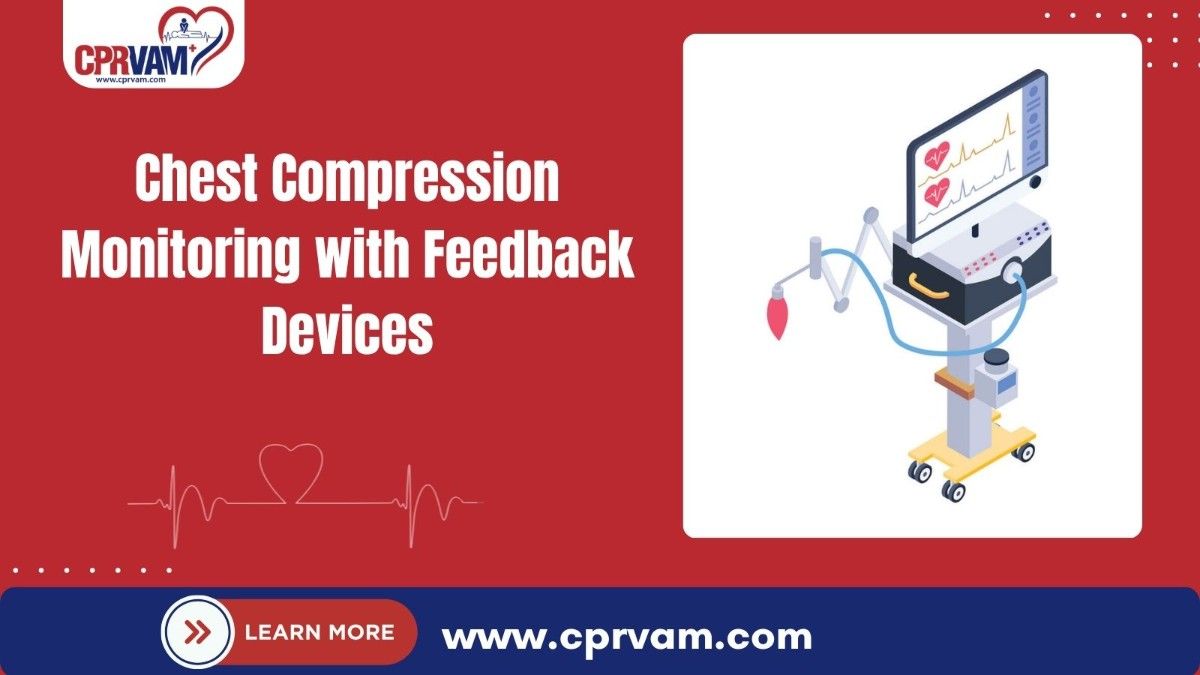
Feedback devices do more than monitor your chest compressions. They guide you in real time to improve CPR quality. Providing immediate visual and audio cues and offering training simulations, these devices help you perform compressions at the correct depth, rate, and rhythm, ensuring better blood flow and higher chances of survival.
Feedback Devices guide you in the following ways:
1. Visual Feedback
Visual feedback uses LED lights or display screens to show whether your compressions meet the recommended depth and rate. Watching these indicators, you can adjust your technique immediately, helping you maintain consistent compressions that effectively circulate blood to the heart and brain.
2. Audio Cues
Audio cues include metronome-like beats or alerts that guide your compression rhythm. When you follow these sounds, you keep a steady pace between 100-120 compressions per minute, ensuring consistent blood flow. Audio guidance reduces errors and helps you stay confident under pressure.
3. Training Mode
Training mode simulates real-life CPR scenarios, allowing you to practice compressions safely. Using this feature, you can refine your technique, improve hand placement, and maintain proper rhythm. Regular practice with feedback devices helps you feel prepared and confident during real emergencies.
With real-time guidance, these devices not only boost the overall quality of CPR but also help you avoid common CPR mistakes, maintain proper technique, and significantly improve the chances of saving a life during a cardiac emergency.
What Are the Benefits of Using Chest Compression Feedback Devices?
Chest compression feedback devices provide real-time guidance that helps you deliver high-quality CPR. Monitoring depth, rate, and technique, these devices improve your performance, reduce errors, and ensure that patients receive effective resuscitation during cardiac emergencies.
The Key Benefits Explained Below:
1. Improve CPR Quality
These devices ensure your chest compressions meet recommended guidelines, helping maintain proper depth and rate. Providing instant feedback, they allow you to adjust in real time, improving the overall quality of CPR and boosting patient safety.
2. Consistent Performance
Even under stress or fatigue, feedback devices help you maintain consistent compressions. You can rely on real-time cues to keep your technique steady, ensuring that CPR remains effective throughout the entire resuscitation process.
3. Boosts Confidence
Guiding you through each compression, these devices reduce uncertainty and build confidence. When you know your technique is correct, you can focus fully on patient care rather than worrying about mistakes or timing.
4. Better Training
Feedback devices are valuable training tools that give you objective, real-time data. Using them during practice sessions, you can refine your CPR skills, learn proper technique, and be better prepared for real emergencies.
5. Enhanced Patient Outcomes
Effective compressions directly improve blood flow to vital organs, increasing survival chances. Helping you maintain high-quality CPR, these devices contribute to better patient outcomes, giving those in cardiac arrest a higher chance of recovery.
What Are the Limitations of Chest Compression Feedback Devices?
Even though chest compression feedback devices are highly useful during CPR, they have limitations you should be aware of. Understanding these challenges helps you use the device safely and effectively while maintaining focus on the patient’s overall condition.
Here are the limitations of the chest compression feedback devices, explained as follows:
1. Can Not Replace Training
While these devices guide you, they cannot replace proper CPR training. You still need hands-on practice and knowledge to perform compressions effectively and respond to unexpected situations confidently.
2. Environmental Constraints
The accuracy of feedback devices may be affected by uneven surfaces, extreme temperatures, or other challenging conditions. You need to stay aware of your surroundings while using the device during real-life emergencies.
3. Technical Failures
Batteries may die, or software may malfunction, interrupting device guidance. You should always be prepared to continue CPR manually while relying on your training and judgment.
4. Patient Variability
Differences in chest size, stiffness, or medical conditions can affect device readings. You should monitor the patient’s response and adjust compressions as necessary rather than depending solely on the device.
5. Over-Reliance Risk
Relying entirely on the feedback device may distract you from the patient’s overall condition. Always combine device guidance with observation and professional judgment to ensure optimal CPR quality.
How Can You Use Feedback Devices Most Effectively During CPR?
Using chest compression feedback devices correctly can make a life-saving difference during CPR. Understanding how to operate them, follow alerts, and integrate them into training ensures you perform effective compressions, boost confidence, and improve patient outcomes in emergencies.
Proper Ways to Use Feedback Devices During CPR:
Familiarize yourself with the device before emergencies so you are confident and ready to use it effectively when seconds count.
Correct placement on the chest is essential to ensure you get accurate readings and deliver high-quality compressions.
Follow feedback alerts in real time to adjust your technique and maintain proper compression depth and rate.
Regular maintenance ensures the device is reliable and functional during critical CPR moments when every second matters.
Incorporate into training to build muscle memory, boost your confidence, and improve your ability to perform CPR effectively under stress.
Empower Yourself in Emergencies with CPR Feedback Devices
Chest compression feedback devices are transforming the way CPR is performed. With real-time guidance and performance insights, they help you deliver precise compressions, reduce mistakes, and increase survival chances. Whether you are a healthcare professional, first responder, or CPR trainee, using these devices ensures better outcomes and saves more lives.
Join CPR VAM, an authorized AHA training center, and experience expert-led CPR training that strengthens your skills with chest compression feedback devices. Gain confidence, improve patient outcomes, and be prepared to save lives. Take the step today to master essential CPR techniques and make a real difference in emergencies.