

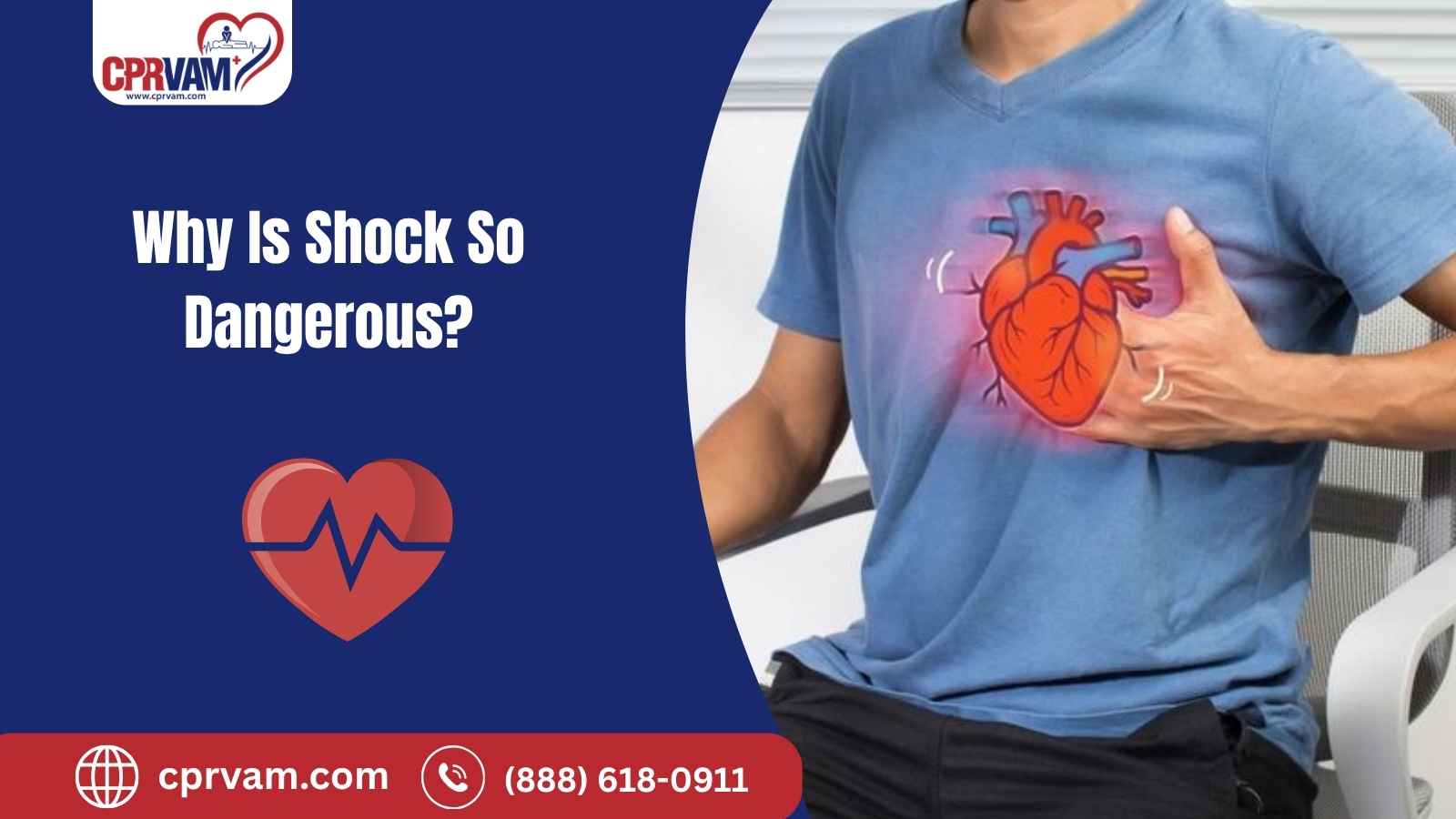
Shock is a serious medical condition that occurs when the body fails to deliver sufficient oxygen and nutrients to vital organs. This disruption in circulation triggers a cascade of physiological responses, putting organs such as the heart, brain, and kidneys at risk of rapid deterioration. Understanding the mechanisms of shock is critical because it can escalate quickly, leading to life-threatening complications if not addressed promptly.
There are several types of shock, including hypovolemic, cardiogenic, distributive, and obstructive, each with distinct causes and treatment approaches. Regardless of type, the underlying danger lies in the body’s inability to maintain proper blood flow and oxygenation. Early recognition of symptoms, such as rapid pulse, low blood pressure, pale or clammy skin, and confusion, is essential to prevent irreversible organ damage and improve survival outcomes.
This blog explores why shock is extremely dangerous, the early warning signs to watch for, and the immediate steps to respond effectively. It provides practical insights to help recognize and manage this critical condition before it becomes fatal.
How Does Shock Affect the Body?
During shock, the body’s circulatory system is unable to deliver enough oxygen-rich blood to vital organs and tissues. This lack of oxygen and nutrients disrupts the normal function of cells, causing organs like the heart, brain, and kidneys to work harder while becoming progressively weaker.
The body responds to shock with several compensatory mechanisms. The heart rate increases in an attempt to maintain blood flow, while blood vessels constrict to preserve circulation to vital organs. Despite these efforts, blood pressure often drops, reducing oxygen delivery even further. As shock progresses, organs begin to fail, which can lead to confusion, dizziness, shortness of breath, and cold, clammy skin. Without immediate medical intervention, these changes can quickly become life-threatening.
Essentially, shock sets off a chain reaction where oxygen deprivation and low circulation create a dangerous cycle of organ stress and deterioration, making early recognition and emergency treatment critical for survival.
What Are the Different Types of Shock?
Shock can occur due to various underlying causes, and medical professionals classify it into several main types. Understanding the type of shock is critical because treatment approaches differ depending on the cause.
Here are the primary types:
1. Hypovolemic Shock
This type occurs when the body loses a significant amount of blood or fluids, such as from severe bleeding, dehydration, or burns. The reduced blood volume prevents adequate circulation, leading to organ failure if not treated promptly
2. Cardiogenic Shock
Cardiogenic shock develops when the heart is unable to pump blood effectively. It is most commonly caused by a heart attack but may also result from severe heart failure, cardiomyopathy, or dangerous heart rhythm disturbances. Even though blood volume may be normal, poor cardiac output prevents tissues from receiving enough oxygen.
3. Distributive Shock
Distributive shock is caused by abnormal widening (dilation) of blood vessels, leading to poor blood flow and low blood pressure. It includes several subtypes:
- Septic Shock: Caused by severe infections that release toxins into the bloodstream, triggering widespread inflammation.
- Anaphylactic Shock: A life-threatening allergic reaction that leads to sudden blood vessel dilation and airway swelling.
- Neurogenic Shock: Results from damage to the nervous system, such as spinal cord injuries, which disrupts normal blood vessel tone.
4. Obstructive Shock
Obstructive shock occurs when blood flow is physically blocked within the circulatory system. Common causes include pulmonary embolism, cardiac tamponade, and tension pneumothorax. These conditions prevent the heart from filling or pumping blood properly, severely reducing circulation.
Why Is Shock So Life-Threatening?
Shock is extremely dangerous because it disrupts the body’s ability to deliver oxygen and nutrients to vital organs. When circulation is impaired, cells cannot function properly, and organ systems begin to fail rapidly. Without immediate treatment, shock can progress to irreversible damage and death.
Below are the reasons why shock is extremely dangerous:
1. Severe Lack of Oxygen Supply
Shock compromises blood circulation, drastically reducing oxygen delivery to vital organs. The brain is especially vulnerable, as even brief interruptions in oxygen supply can cause irreversible brain cell damage. Prolonged oxygen deprivation places all major organs at risk of hypoxic injury.
2. Low Blood Pressure and Circulatory Collapse
Shock causes a significant drop in blood pressure due to inadequate blood volume, poor heart function, or abnormal blood vessel dilation. As blood pressure falls, the circulatory system can no longer maintain sufficient blood flow to vital organs and tissues. This results in poor tissue perfusion and rapidly worsening organ function. If circulatory collapse continues unchecked, the body’s compensatory mechanisms fail, leading to dizziness, loss of consciousness, coma, and potentially death.
3. Multiple Organ Dysfunction and Failure
As shock progresses, prolonged reduction in blood flow and oxygen delivery begins to affect multiple organ systems simultaneously. Vital organs such as the heart, lungs, kidneys, liver, and brain do not receive the oxygen and nutrients required to function effectively, leading to progressive deterioration.
When several organs are compromised at the same time, the body’s ability to recover decreases significantly. Multiple organ dysfunction can quickly advance to complete organ failure, greatly increasing the risk of irreversible damage and death if shock is not treated promptly.
4. Metabolic and Electrolyte Imbalance
Shock disrupts the body’s normal metabolic processes and fluid balance. Reduced oxygen delivery forces cells to rely on anaerobic metabolism, producing lactic acid and leading to acidosis. This abnormal pH interferes with enzyme activity and cellular function, further impairing organ performance.
Electrolyte imbalances, such as low sodium or potassium levels, may also occur, affecting nerve and muscle function, including the heart. Without prompt correction, these metabolic disturbances can worsen organ dysfunction and contribute to life-threatening complications.
5. Extreme Cardiovascular Stress and Risk of Cardiac Arrest
During shock, the heart works harder to compensate for low blood pressure and poor circulation, increasing cardiac workload and oxygen demand. Combined with reduced oxygen supply and metabolic imbalances, this places immense stress on the cardiovascular system.
Prolonged shock can lead to myocardial depression, arrhythmias, and ultimately cardiac arrest. The combination of low blood pressure, acidosis, and hypoxia, often called the “Lethal Triad”, greatly amplifies the risk of fatal cardiovascular collapse if immediate medical intervention is not provided.
6. Increased Susceptibility to Infections
Shock impairs the immune system by reducing blood flow to tissues and limiting the activity of white blood cells. This weakened immune response makes the body less able to fight off bacteria, viruses, and other pathogens.
As a result, individuals in shock are at higher risk of developing severe secondary infections, which can further complicate their condition. Prompt treatment of shock is essential to restore circulation, support immune function, and prevent life-threatening infections.
7. Worsening of Pre-Existing Medical Conditions
Shock can exacerbate existing health problems such as heart disease, respiratory disorders, or kidney dysfunction. Reduced blood flow and oxygen delivery strain already vulnerable organs, making underlying conditions more severe.
Delayed treatment increases the risk of long-term complications, irreversible organ damage, or death. Rapid intervention is critical to stabilize the patient and prevent pre-existing conditions from turning life-threatening.
What Are the Early Warning Signs of Shock?
The early warning signs of shock reflect the body’s struggle to maintain adequate blood flow and oxygen delivery to vital organs. These symptoms often appear before shock becomes life-threatening, making early recognition essential. Identifying these signs promptly allows for faster medical intervention, which can prevent rapid deterioration, organ failure, and death.
Here are the early warning signs of shock:
1. Rapid or Weak Pulse
A rapid or weak (thready) pulse is one of the earliest signs of shock. The heart beats faster to compensate for low blood pressure and reduced circulation, but the pulse may feel faint or irregular.
This weakened pulse indicates that the body is struggling to deliver enough oxygen-rich blood to vital organs. Prompt medical attention is essential to stabilize circulation and prevent further complications.
2. Low Blood Pressure and Circulatory Issues
Shock often causes a significant drop in blood pressure, which reduces blood flow to vital organs. This can lead to dizziness, lightheadedness, fainting, or even loss of consciousness.
Poor circulation also contributes to cold, clammy skin and a bluish tint around the lips and fingernails. Immediate medical intervention is crucial to restore blood pressure and maintain adequate organ perfusion.
3. Pale, Cold, Clammy, or Bluish Skin
During shock, the body redirects blood flow to vital organs, reducing circulation to the skin. This often causes the skin to appear pale, feel cold, and become clammy.
A bluish tint may also develop around the lips and fingernails, indicating low oxygen levels in the blood. These signs are early indicators of poor tissue perfusion and require urgent medical attention.
4. Rapid or Shallow Breathing
In shock, the body attempts to compensate for reduced oxygen delivery by increasing the breathing rate. This often results in rapid, shallow breaths.
Such breathing indicates that the body is struggling to supply enough oxygen to vital organs. Prompt medical intervention is necessary to stabilize oxygen levels and prevent further organ damage.
5. Confusion, Anxiety, or Restlessness
Shock reduces oxygen delivery to the brain, which can cause mental changes such as confusion, restlessness, or anxiety.
Individuals may appear disoriented, have difficulty focusing, or feel unusually agitated. These neurological signs are critical early indicators of shock and require immediate medical attention to prevent worsening brain function or loss of consciousness.
6. Nausea, Vomiting, or Thirst
Shock can disrupt normal digestive and fluid balance, leading to symptoms such as persistent nausea, vomiting, or intense thirst.
These signs indicate that the body is under stress and struggling to maintain adequate circulation and hydration. Prompt medical care is essential to address these symptoms and prevent further complications.
7. Low Urine Output
During shock, reduced blood flow to the kidneys can cause a noticeable decrease in urine production, even if the person is drinking enough fluids.
Low urine output is an important warning sign that the kidneys are not receiving sufficient blood supply. Immediate medical intervention is necessary to prevent kidney damage and maintain overall organ function.
8. Dilated Pupils and Difficulty Breathing
In advanced shock, oxygen deprivation, and poor circulation can cause the pupils to dilate and breathing to become labored.
Dilated pupils signal severe neurological stress, while difficulty breathing indicates that the body is struggling to maintain adequate oxygen levels. These signs are critical indicators of severe shock and require urgent medical intervention to prevent organ failure or death.
9. Unconsciousness
Unconsciousness is a severe and late-stage sign of shock, indicating that the brain is not receiving enough oxygen and nutrients to function.
At this stage, the body’s compensatory mechanisms have failed, and vital organs are at extreme risk. Immediate emergency medical intervention is essential to restore circulation, oxygenation, and prevent death.
What Are the Life-Saving Steps to Respond to Shock?
Quick and appropriate first aid can help stabilize the person, maintain circulation and oxygen delivery, and reduce the risk of organ failure while waiting for professional medical care. Knowing how to respond effectively during an injury or environmental emergency can make a critical difference in survival outcomes.
Below are the immediate steps to take when responding to shock:
Call for Help: Dial 911 or your local emergency number immediately. Professional medical care is essential.
Lay the Person Down: Place the individual on their back. If there’s no injury and it’s comfortable, raise their legs about 12 inches to improve blood flow to vital organs.
Keep Them Still and Calm: Reassure the person and help them remain calm. Reducing stress can prevent shock from worsening.
Loosen Tight Clothing: Loosen belts, collars, or restrictive clothing to improve circulation and comfort.
Keep Them Warm: Cover them with a blanket or coat to maintain body temperature. Avoid direct heat.
Check Breathing and Pulse: Monitor vital signs continuously. Be ready to perform CPR if breathing or pulse stops.
Prevent Choking: If the person vomits or bleeds from the mouth, turn their head to the side unless a spinal injury is suspected.
Control Bleeding: Apply firm pressure to visible wounds with a clean cloth or bandage to help reduce blood loss. Severe bleeding, including arterial bleeding, can lead to shock if not treated quickly.
Don’t Give Food or Drink: Avoid giving anything to eat or drink, especially if surgery might be needed or there are stomach injuries.
Monitor Closely: Keep a close watch on their condition until medical help arrives, noting any changes in breathing, pulse, or consciousness.
Act Now: Learn How to Respond to Shock Emergencies
Shock is a life-threatening condition in which the body cannot deliver enough oxygen and nutrients to vital organs. This can quickly lead to organ failure, severe complications, and death. Early recognition of signs like rapid pulse, low blood pressure, pale skin, confusion, and difficulty breathing is critical. Immediate actions like calling emergency services, keeping the person calm and warm, controlling bleeding, and monitoring vital signs are essential to stabilize the individual and prevent irreversible damage.
While knowing these steps is important, understanding them on paper is not enough; responding effectively in a real emergency requires confidence and hands-on practice. Consider enrolling in the CPR VAM first aid and emergency response training course, which covers shock management, CPR, and Basic Life Support (BLS). This practical training equips you to recognize early warning signs, provide immediate care, and stabilize a person until professional help arrives. Don’t wait, prepare yourself to save lives and make a real difference when every second counts.