



How to perform CPR for electrocution victims is a critical question in emergencies. Electric shocks can happen suddenly from faulty appliances, wet surfaces, or exposed power lines. These shocks can stop the heart or cause severe injuries in seconds. Staying calm, knowing the correct steps, and acting safely can protect both you and the victim while providing life-saving support before professional help arrives.
Immediate CPR can keep blood flowing to vital organs until emergency medical services arrive. Start with chest compressions if the person is unresponsive or not breathing normally, and use rescue breaths if trained. Using an AED when available improves survival chances. Understanding these steps and staying composed can make the difference between life and death in electrical emergencies, giving victims the best chance of recovery.
This article explores electrocution, explains step-by-step CPR techniques for electrocution victims, and shares safety precautions to prevent electrical accidents.
What Is Electrocution and How Does It Happen?
Electrocution occurs when the body is exposed to a high-voltage electric current, which can disrupt normal body functions, particularly the heart, muscles, and nerves. While the term “electric shock” refers to any contact with electricity, electrocution specifically involves serious injury or death.
According to the Electrical Safety Foundation International (ESFI), electrical accidents cause hundreds of deaths every year, often due to sudden cardiac arrest triggered by electrocution.
Common Causes of Electrocution
Faulty Electrical Wiring: Old or damaged wires can carry unpredictable currents that may shock or burn anyone who touches them.
Water Contact: Electricity travels easily through water, so using devices near wet surfaces can increase the risk of electrocution.
Improper Appliance Use: Misusing electrical devices or ignoring safety instructions can lead to sudden shocks or serious injury.
Lightning Strikes: Lightning carries an extremely powerful electrical charge that can cause immediate cardiac arrest or severe burns.
Contact with Power Lines: Even without touching them directly, electricity can jump from high-voltage lines through the air, posing a deadly risk.
Main Consequences of Electrocution
Cardiac Arrest: The heart can stop beating normally, which can be fatal if not treated immediately.
Seizures: Electrical currents can make muscles contract uncontrollably, causing seizures that may last seconds or longer.
Loss of Consciousness: Sudden shocks can make a person pass out, increasing the risk of falls or further injury.
Burns: Electricity can cause deep external or internal burns that often require medical attention.
Irregular Heartbeat: Electrical disruption can cause dangerous arrhythmias that need immediate treatment to prevent death.
Can You Perform CPR on Electrocution Victims?
Yes. You can perform CPR on an electrocution victim, but only after making sure the scene is safe. CPR helps keep blood flowing to the heart and brain until trained medical professionals arrive, increasing the chance of survival.
Cardiac arrest is common after an electric shock, making bystander CPR essential. Acting quickly, staying calm, and following proper CPR steps can save a life. Ensuring safety first protects both you and the victim during this critical emergency.
How Do You Perform CPR for Electrocution Victims? Step-by-Step Guide
Knowing how to perform CPR for electrocution victims is crucial. Electrical shocks can stop the heart or cause serious injuries instantly. You can save a life by acting quickly, staying safe, and following proper steps. CPR maintains blood flow to vital organs until emergency responders arrive, giving the victim the best chance of survival.
Steps to Perform CPR on an Electrocution Victim
Step 1: Ensure Your Safety First
Before helping an electrocution victim, ensure the area is safe. Rushing in can put you at risk of injury or electrical shock. Always survey the scene carefully before taking action.
Look for live wires, water, fire, or unstable surfaces that could increase danger.
Identify and switch off the power source if possible. If not, move the victim using a non-conductive object like wood or plastic.
Avoid touching conductive surfaces, including metal, wet areas, or puddles, while assisting the victim.
Step 2: Call Emergency Medical Services (EMS)
Once safety is confirmed, call 911 or your local EMS. Accurate information helps responders arrive prepared and promptly.
Provide the exact location and describe the situation clearly.
Explain that the victim suffered electrocution and mention any visible injuries.
Notify them of nearby hazards, such as live wires, water, fire, or traffic.
Keep the phone on speaker and follow the dispatcher’s instructions while preparing to assist the victim.
Step 3: Check Responsiveness, Breathing, and Pulse
After ensuring safety, check the responsiveness of the victim is conscious. Gently tap them and ask, “Are you okay?” Observe for movement or verbal responses to assess consciousness.
Look for chest rise and fall to determine breathing.
Listen near the mouth and nose for airflow or audible breaths.
Feel for the carotid pulse if trained to do so, completing checks within 10 seconds before beginning CPR.
Step 4: Perform Chest Compressions
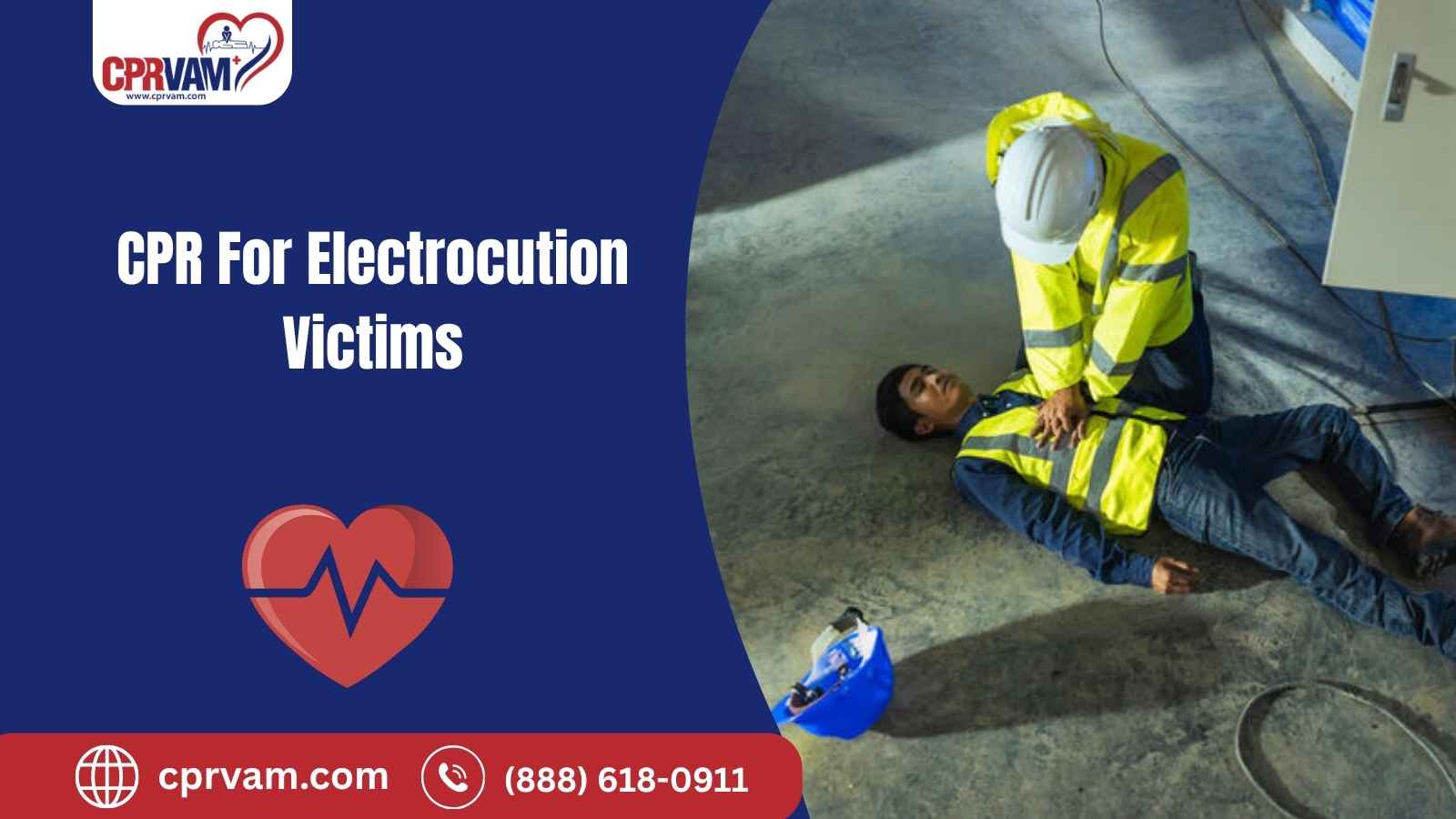
If the victim is unresponsive or not breathing normally, start chest compressions immediately. Proper compressions circulate blood to vital organs, increasing survival chances.
Place one hand in the center of the chest, the other on top, fingers interlocked.
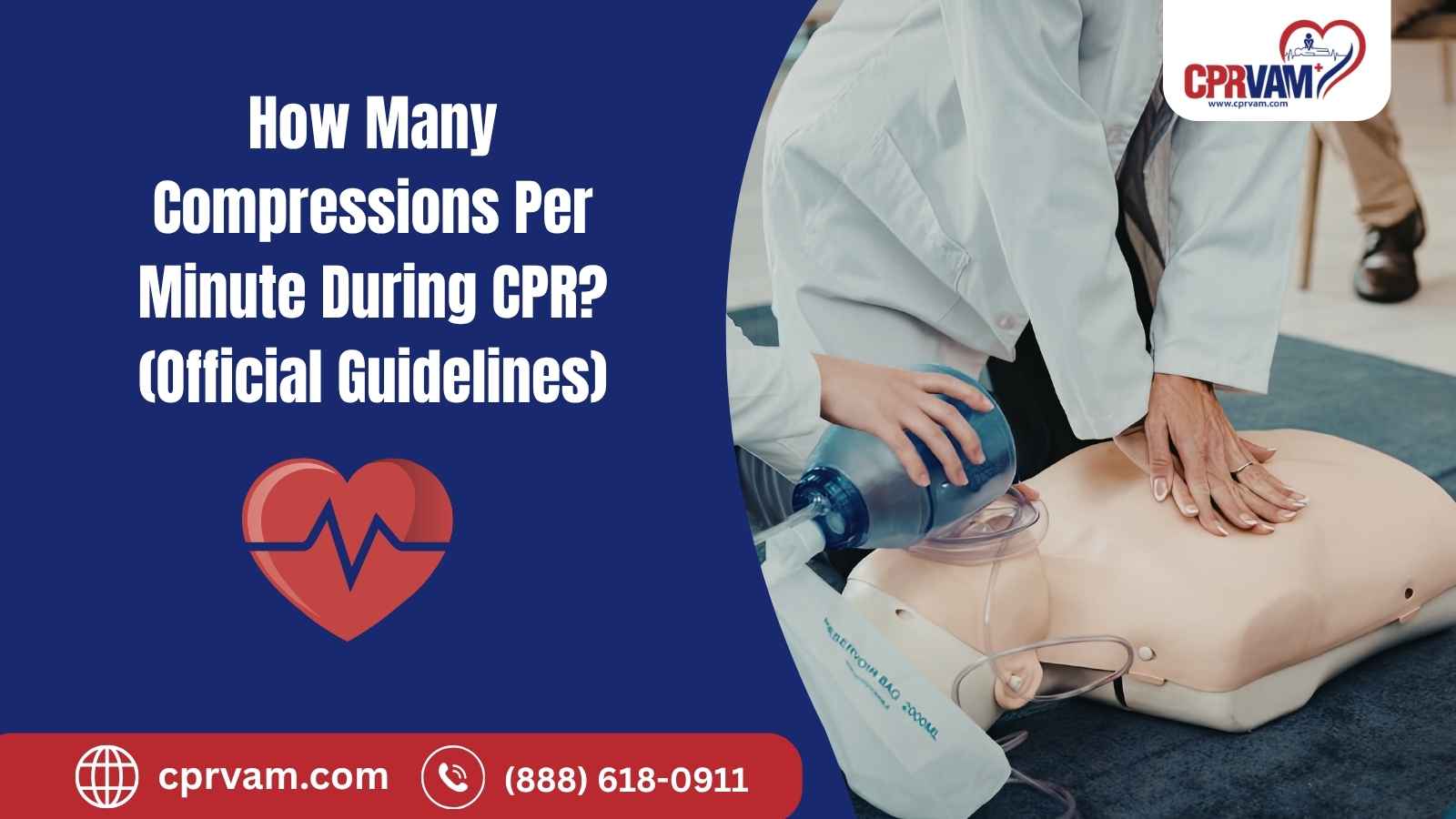
Push hard and fast, 100-120 compressions per minute, about 2 inches deep, allowing full chest recoil between compressions. (AHA Guidelines)
Maintain a 30:2 compression-to-breath ratio if giving rescue breaths.
Minimize interruptions except for necessary pauses like rescue breaths, AED use, or switching rescuers.
If performing CPR for a prolonged period, switch rescuers every 2 minutes to maintain compression quality and prevent fatigue.
Step 5: Give Rescue Breaths (If Trained)
After 30 compressions, open the airway using the head-tilt, chin-lift technique and provide two rescue breaths, ensuring the chest rises.
Form a complete seal over the victim’s mouth for effective ventilation.
Use a bag mask device if available and trained for better oxygen delivery.
Resume compressions immediately after breaths and continue cycles until EMS arrives.
Hands-only CPR is acceptable if untrained, focusing on continuous compressions.
Step 6: Use an AED (Automated External Defibrillator)
Using an AED alongside CPR significantly improves survival in electrocution cases. The device provides clear voice prompts, making it safe and easy for lay rescuers to operate.
Turn on the AED and follow instructions carefully.
Remove clothing or any obstruction to pad placement.
Place one pad on the upper right chest and the other on the lower left side.
Use pediatric pads for children and adjust shock energy if necessary.
Continue following prompts and monitor heart rhythm until EMS arrives or signs of life appear.
Step 7: Continue CPR and Monitor the Victim
Do not stop CPR until professionals take over. Continuously check for signs of life, including breathing, coughing, or movement.
If the victim begins breathing but remains unconscious, place them in the recovery position, head angled downward.
Turn them gently onto their side, speaking softly to assess responsiveness.
Relay detailed information about the victim’s condition and incident to EMS.
Safely transport the victim to a hospital if possible while continuing monitoring.
Inform responders of changes in condition
Why Is Post-Rescue Care Important for Electrocution Victims?
Even after successful CPR, electrocution victims can experience hidden or delayed injuries. You should understand that internal burns, heart rhythm issues, and organ damage may not be immediately visible. Proper post-rescue care ensures these complications are detected and treated promptly, improving recovery and reducing long-term health risks.
Key Post-Rescue Concerns for Electrocution Victims
Internal Burns
Electricity can damage tissues beneath the skin, requiring medical evaluation even if the skin looks normal.Organ or Muscle Damage
Vital organs and muscles may be affected by the electric current, potentially causing long-term issues.Heart Rhythm Irregularities
Arrhythmias can develop after electrocution, so continuous monitoring is crucial to prevent cardiac complications.Seizures
Electrical injuries can trigger seizures, sometimes hours after the incident, requiring immediate medical attention.
Medical evaluation is essential for electrocution victims, even if they seem fine. Early assessment helps detect hidden injuries, prevents long-term complications, and ensures proper treatment, improving recovery and supporting the victim’s overall health.
What Precautions Can Prevent Electrical Accidents?
Electrical accidents can happen quickly and cause serious injury or death. You can reduce risks by taking proper precautions at home or work. Following safety guidelines and using protective equipment helps prevent electrocution, fires, and other electrical hazards, keeping you and others safe.
Key Precautions Include
1. Inspect Cords
Regularly check electrical cords for cracks, exposed wires, or loose plugs. Damaged cords increase the risk of electric shock, fires, and equipment failure. Replacing them promptly ensures safer use of appliances at home, school, or the workplace.
2. Disconnect Power
Always switch off and unplug devices before cleaning, repairing, or moving them. Cutting power reduces the risk of accidental electrocution, protects equipment from damage, and ensures safer working conditions for you and others nearby.
3. Use Insulated Tools and Gloves
Insulated tools and protective gloves block electrical current from passing through your body. Using proper safety equipment greatly reduces the risk of serious injury or fatal shock when working near live electrical systems or devices.
4. Keep Water Away
Water conducts electricity, increasing the chance of severe shocks and burns. Keeping electrical items dry helps prevent accidents, protects appliances from damage, and reduces the risk of dangerous short circuits in homes and workplaces.
5. Install GFCIs
Ground Fault Circuit Interrupters detect electrical imbalances and shut off power instantly. Installing them in wet areas like kitchens and bathrooms greatly reduces the risk of electric shock, especially when water and electricity are nearby.
6. Avoid DIY Electrical Work If Untrained
Untrained electrical repairs can cause shocks, fires, or serious injuries. Hiring licensed professionals ensures work meets safety standards, protects property, and prevents dangerous mistakes that could harm you or others.
Can Your Quick Action Save an Electrocution Victim?
When someone suffers an electric shock, acting quickly and safely can save their life. Follow the steps you should follow during any injury or environmental emergency, then perform CPR correctly to keep blood flowing to vital organs. Call emergency services immediately and continue care until help arrives. Even if the victim seems fine, a medical evaluation is essential, as hidden injuries can appear later. Your preparation, calmness, and confident response could make the difference between survival and tragedy.
Empower yourself to respond confidently during electrical emergencies. Train with CPR VAM to earn AHA certifications in CPR, BLS, ACLS, and PALS. Learn hands-on, practical techniques in person, online, or blended formats. Be ready to act safely, perform effective CPR, and protect electrocution victims while awaiting emergency responders.
Join CPR VAM now and help build a community of prepared, life-saving responders.