
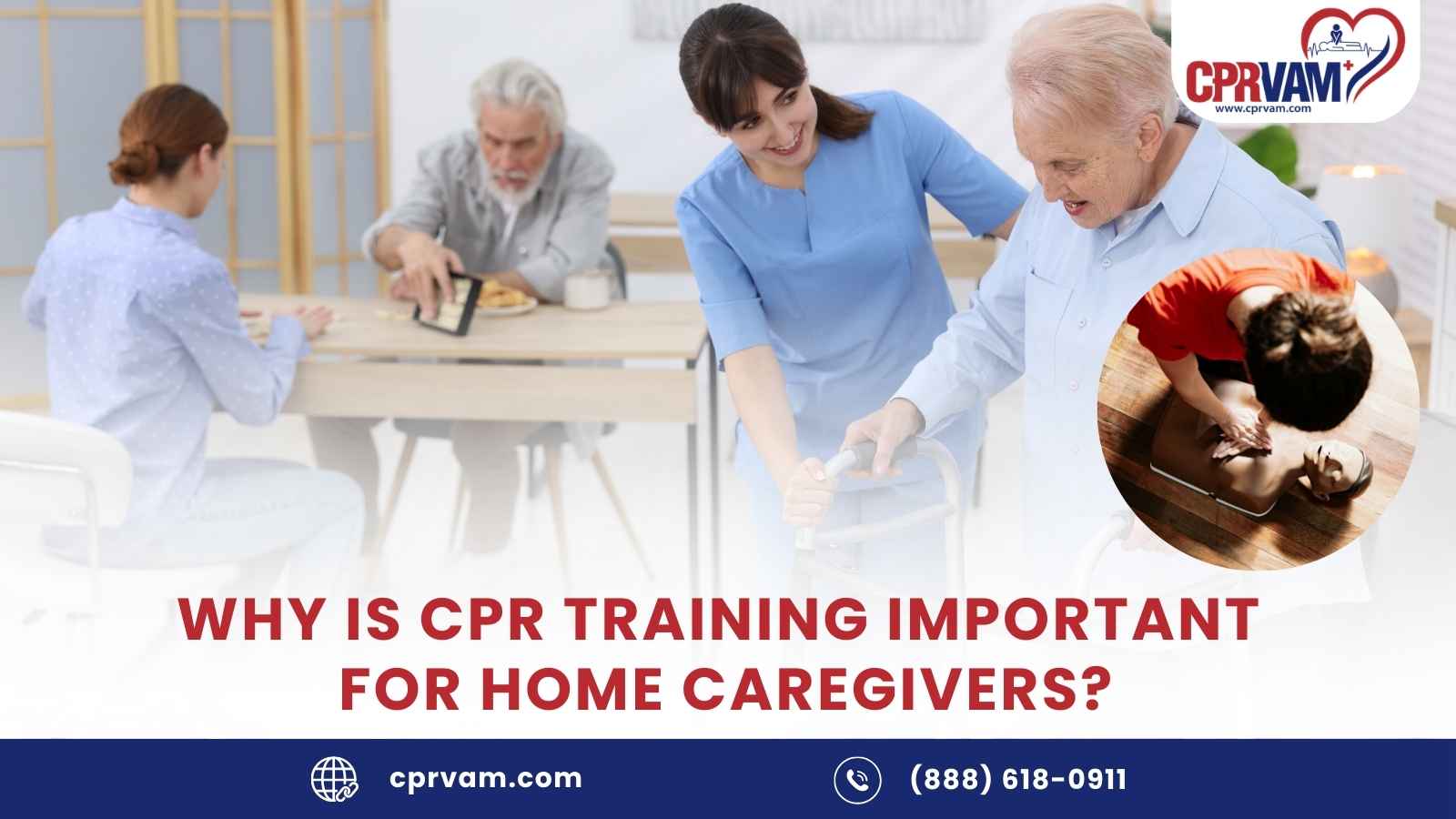
When every second feels like forever, what you do in that moment can mean everything. In a quiet home, far from immediate medical help, a sudden emergency can turn ordinary life into a race against time. That is where preparedness becomes power, and CPR training transforms fear into action.
For home caregivers, emergencies are not distant possibilities. They are real situations that can happen without warning. Being trained in CPR means you are not standing by helplessly. You are stepping in with confidence, knowing exactly how to respond when it matters most. It gives you the ability to protect the people who rely on you every single day.
CPR training is more than just a skill. It brings peace of mind, builds trust, and empowers caregivers to act quickly and effectively in critical moments. This blog post covers why CPR training is important for home caregivers, the benefits of CPR training for home caregivers and agencies, what CPR techniques caregivers must learn, and CPR certification formats and processes.
How Does CPR Make a Difference for Home Caregivers?
Cardiopulmonary resuscitation (CPR) is an emergency lifesaving technique used when breathing or heartbeat stops. It combines chest compressions and rescue breaths to maintain blood flow and oxygen to vital organs during cardiac arrest. In home care settings, CPR is often the first response during life-threatening cardiac emergencies. Many home care clients are elderly, disabled, or living with chronic conditions like heart disease, diabetes, or respiratory illness. These conditions significantly increase the risk of sudden cardiac arrest at home. In most cases, emergency medical services take several minutes to arrive.
CPR training for caregivers is essential, not optional. Home caregivers are responsible for protecting the lives of those in their care. Proper CPR training reduces hesitation and improves decision-making during emergencies. It also minimizes errors when every second matters. Families feel safer knowing their loved ones are cared for by trained professionals. CPR certification builds trust, strengthens relationships, and enhances a caregiver’s professional reputation. It also improves job stability and demonstrates ethical responsibility in critical situations.
What Are the Benefits of CPR Training for Home Caregivers?
CPR training provides home caregivers with a strong foundation for delivering safe, reliable, and high-quality care. By equipping caregivers with lifesaving skills, caregivers can improve emergency response and overall service standards. It also helps caregivers to meet professional requirements while ensuring better outcomes in critical situations.
CPR training offers multiple strategic and clinical benefits for home caregivers. Strengthening emergency preparedness, improving care quality, and building long-term trust with clients and families.
Here are the benefits of CPR training for home care agencies:
1. Improved Client Safety
CPR training significantly improves client safety by ensuring caregivers can respond promptly and correctly in cardiac or breathing emergencies. Since many home care clients are elderly or have chronic medical conditions, the risk of sudden medical events is higher.
Trained caregivers can provide lifesaving care in the critical minutes before emergency responders arrive. This improves survival outcomes and reduces the severity of complications.
2. Reduced Liability Risks
When caregivers are properly trained and certified in CPR, home care agencies reduce their legal and financial exposure. CPR training demonstrates that the caregiver has taken reasonable and responsible steps to prepare for emergencies.
This proactive approach helps protect caregivers from negligence claims, supports compliance with industry standards, and provides documentation that caregivers are qualified to act during medical emergencies.
3. Higher Caregiver Professionalism
CPR training elevates the overall professionalism of caregivers by equipping them with essential emergency response skills. Certified caregivers are more confident, prepared, and capable of handling high-pressure situations.
This training reinforces a culture of responsibility, competence, and continuous learning, which leads to higher job satisfaction and improved caregiver performance.
4. Strengthened Trust and Reputation
Families feel confident knowing their loved ones are cared for by trained, competent professionals. CPR certification shows that caregivers are responsible, skilled, and prepared for emergencies.
This not only enhances the caregiver’s credibility but also strengthens the home care agency’s reputation for safety, professionalism, and high-quality care.
5. Job Stability and Career Growth
CPR certification enhances employability and career opportunities. It shows a caregiver’s commitment to high-quality care, ethical responsibility, and emergency readiness.
Certified caregivers gain greater job security, earn trust from employers and families, and may access promotions or specialized roles within home care agencies.
Who Needs CPR Training in Home Care Settings?
CPR training is essential for anyone involved in home care, including professional caregivers, family members, and support staff. Anyone responsible for the safety and well-being of individuals at home should be prepared to respond quickly and confidently in an emergency.
Here are the people who need CPR training in home care settings:
Professional Home Caregivers and Personal Care Aides
They need CPR training to respond immediately to cardiac arrest, choking, or breathing emergencies while caring for clients at home.Family Caregivers
Family members caring for elderly or chronically ill loved ones should learn CPR to act confidently during sudden medical emergencies.Home Health Nurses and Medical Staffs
Nurses and medical professionals require advanced CPR and BLS certification to deliver professional-level emergency care in home environments.Babysitters and Childcare Providers
Childcare providers need CPR skills to handle choking, drowning, or cardiac emergencies involving infants and children.Disability and Special Needs Care Providers
Caregivers supporting individuals with disabilities should be CPR-trained due to higher risks of respiratory and medical complications.Home Care Agency Staff and Supervisors
Agency staff benefit from CPR training to ensure coordinated and effective emergency response across care teams.
Which CPR Techniques Should Every Caregiver Learn?
To provide effective emergency care at home, caregivers need to be trained in various CPR techniques tailored to different age groups and situations.
Here are the CPR techniques Caregivers must learn:
Adult CPR
Delivers strong, fast chest compressions and rescue breaths to adults, maintaining blood flow and oxygen to vital organs during cardiac arrest.Child CPR
Uses gentler compressions and adjusted hand placement for children, ensuring effective oxygen delivery while reducing the risk of injury.Infant CPR
Focuses on two-finger compressions and gentle rescue breaths, tailored for babies’ small size and fragility, critical for caregivers of infants.Hands-Only CPR
Involves continuous chest compressions without rescue breaths, ideal for untrained bystanders or situations where giving breaths isn’t feasible.Traditional CPR (with Rescue Breaths)
Combines chest compressions with rescue breaths to maximize oxygen delivery, recommended for trained caregivers to improve survival chances.
What Are the CPR Training Formats for Caregivers?
Caregivers can choose from several training formats designed to fit different schedules and learning needs. Each format provides the knowledge and hands-on skills necessary to respond effectively in emergencies.
1. In-Person Training
Caregivers can attend hands-on CPR classes offered by organizations like the American Heart Association (AHA) and the Red Cross. These sessions provide practical experience with manikins and AEDs under the guidance of certified instructors.
Real-time feedback helps caregivers correct mistakes immediately. They learn proper techniques through guided practice. Hands-on training builds confidence and improves emergency response skills.
2. Online Training
Online courses allow caregivers to learn CPR theory, emergency response steps, and safety protocols at their own pace. These courses are ideal for caregivers with busy schedules or limited access to in-person training.
Online programs make learning flexible and convenient. Caregivers can study anytime and from anywhere. Most courses require a final skills check with an instructor or testing center for certification.
3. Blended Learning
Blended programs combine online theory modules with in-person skills practice. This approach offers the flexibility of online learning while ensuring caregivers gain essential hands-on experience.
This method balances knowledge and practical training. Caregivers learn theory online and practice skills in person. It is ideal for home care professionals who need both flexibility and hands-on experience.
What Are the CPR Certification Processes for Home Caregivers?
The CPR certification process for home caregivers is simple, structured, and designed to build both knowledge and practical skills.
Here are the CPR certification processes for Home Caregivers:
1. Select Certified Training Provider
First, caregivers must select a certified training provider, such as the American Heart Association (AHA) or the American Red Cross. State-approved providers are required for professional home care positions, and verification of the provider is often needed by employers or licensing boards.
2. Choose Formats
Next, caregivers choose a training format that suits their needs. In-person training provides hands-on experience with manikins and AED simulators. Online training offers flexibility to complete theory lessons at one’s own pace. Blended learning combines online theory with an in-person skills session for comprehensive learning.
3. Complete Trainings
Caregivers then complete the training, which includes theoretical lessons covering CPR techniques, AED use, and emergency response procedures. Hands-on skills practice is required for all learners, even those completing online courses, to meet U.S. standards. Scenario-based exercises help caregivers develop confidence in responding to emergencies.
4. Pass the Skill Assessment
After training, caregivers must pass skill assessments and exams. They are evaluated on proper chest compressions, rescue breaths, AED operation, and choking relief techniques. A written or online exam tests knowledge of CPR procedures, safety, and emergency response, typically requiring a passing score of 84% or higher. Successful completion demonstrates readiness to respond safely in real-life emergencies.
5. Receive Certification
Finally, caregivers receive CPR certification. A digital certificate is issued, valid for two years in the U.S., and an optional physical card may be mailed. Each certificate includes a unique number that allows employers or licensing boards to verify authenticity. Certification must be renewed every two years to maintain skills and compliance with current CPR guidelines.
Empower Home Caregivers with Lifesaving Skills
CPR training is an essential skill for home caregivers, empowering them to act quickly and confidently during life-threatening emergencies. From adults to infants, knowing the right techniques is very important for caregivers. Understanding the proper certification formats and practicing regularly ensures caregivers can provide effective care when every second counts. Well-trained caregivers not only improve client safety but also enhance professionalism, reduce liability risks, and strengthen the reputation of home care agencies.
Investing in CPR education for caregivers creates a safer home environment, builds trust with families, and ultimately saves lives. Don’t wait until an emergency happens-equip yourself or your staff with certified CPR, BLS, ACLS, and PALS training at CPR VAM. To ensure complete preparedness for all types of medical emergencies.
FAQs
1. How Often Should Home Caregivers Renew Their CPR Certification?
Most CPR certifications are valid for two years, but caregivers should refresh their skills regularly to stay confident and updated with the latest guidelines.
2. Is CPR Training Different for Professional Caregivers and Family Caregivers?
Yes. Professional caregivers often require formal certification like BLS, while family caregivers can start with basic CPR and Hands-Only CPR training.
3. Can Caregivers Perform CPR on People with Medical Devices like Pacemakers?
Yes. CPR can still be performed on individuals with pacemakers, though caregivers should be aware of device placement when positioning their hands.
4. Is CPR Training Mandatory for Home Caregivers in all of the United States?
No. Requirements vary by state and employer, but many agencies strongly recommend or require CPR certification for safety and compliance.
5. Does CPR Training Include Choking and First Aid Skills?
Many CPR courses also include training in choking response and basic first aid, which are essential skills for home caregivers.