
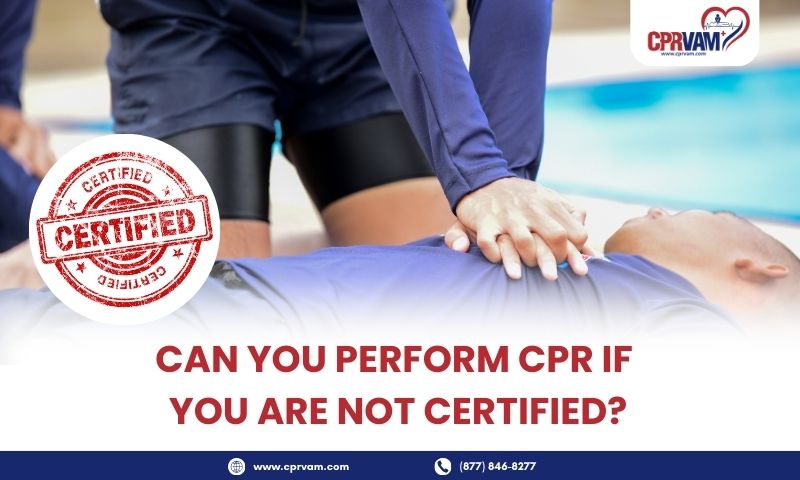
Yes. You can perform CPR even if you are not certified in it. There is no legal requirement that you must hold a CPR certification to perform CPR in an emergency. In fact, untrained individuals are legally and ethically encouraged to perform CPR if they are the only option available in an emergency. While formal certification provides important training, bystanders without it can still take meaningful action. Untrained individuals can perform hands-only CPR, a simplified approach designed to make CPR easier and more accessible for anyone willing to help.
Bystanders, whether trained or not, are urged to begin CPR immediately when they witness a cardiac emergency. Hands-only CPR reduces hesitation and encourages more people to take immediate life-saving action without fear or uncertainty. Good Samaritan laws further protect those who provide CPR in good faith, giving bystanders the reassurance they need when performing CPR.
This blog explains why untrained rescuers are encouraged to act immediately, how they can perform CPR, what risks to be aware of, how Good Samaritan laws offer legal protection, and why becoming CPR certified remains an important step for anyone who wants to be prepared.
How Can You Perform CPR if You Are Not Certified?
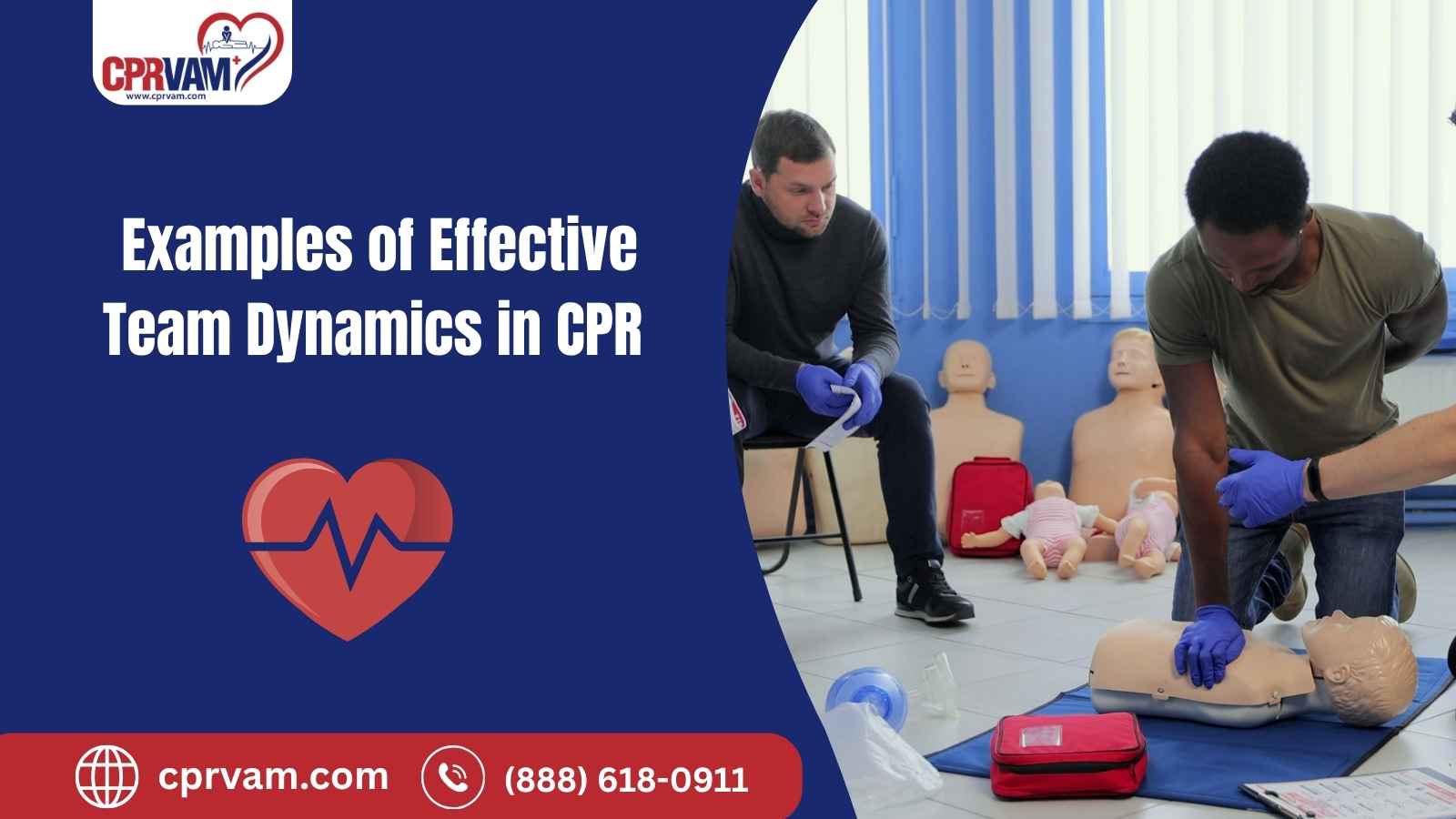
If you are not certified in CPR, Hands-Only CPR is a simple, effective way to help someone in an emergency. It allows untrained bystanders to maintain blood flow and oxygen until professional help arrives. Acting quickly can save a life even without formal training.
Key CPR Steps:
1. Call for Help
You should immediately call 911 or ask someone nearby to do it. Acting fast ensures professional medical help is on the way while you start lifesaving CPR. Quick communication can make a big difference in saving a life.
2. Check Responsiveness & Breathing
First, see if the person is unresponsive and not breathing normally. You should gently tap their shoulder and shout to check. Knowing whether they need CPR is essential, and staying calm helps you act effectively in an emergency.
3. Proper Hand Placement
Place the heel of one hand in the center of the person’s chest, with your other hand on top. You should keep your hands steady, ensuring pressure is directly over the heart to make compressions effective.
4. Use Proper Compression Technique
Keep your arms straight and shoulders directly over your hands. You should push hard and fast, letting the chest fully rise between compressions. This ensures blood continues circulating, giving the person the best chance of survival.
5. Compression Depth and Rate
According to the AHA Guidelines, you should press at least 2 inches deep into the chest, at a rhythm of 100-120 compressions per minute. Keeping a steady pace and proper depth helps maintain oxygen flow to vital organs until help arrives.
6. Use an AED If Available
If an AED is nearby, turn it on and follow its voice instructions. You should attach pads correctly and resume compressions immediately after any shock. Using an AED improves the person’s chances of recovery significantly.
7. Continue CPR Until Help Arrives
Keep performing CPR and chest compressions without stopping until emergency responders take over. You should stay focused, even if tired, because consistent CPR greatly increases the chance of survival. Your persistence can literally save a life.
Why Should You Start CPR Immediately, Even If You Are Untrained?
You should start CPR right away, even without formal training, because the first few minutes of cardiac arrest are critical. Brain damage can begin within 4-6 minutes, and death may follow shortly after. Early CPR helps maintain blood flow to vital organs, slowing deterioration and buying time until emergency professionals arrive. Acting quickly, even imperfectly, can double or triple survival chances.
According to the American Heart Association, each minute CPR is delayed reduces survival by 7-10%. After about ten minutes without intervention, survival is very unlikely. Good Samaritan laws protect bystanders who step in to help, encouraging immediate action. By performing CPR promptly, you give the person their best chance of survival, maintain oxygen to the brain and heart, and provide life-saving support until trained responders take over.
What Are the Most Common CPR Mistakes Untrained Rescuers Make?
Even people trying their best can make mistakes when performing CPR without training. Understanding these can help you avoid them:
1. Hesitating to Start
Many bystanders hesitate to begin CPR because they fear causing harm. This pause can cost precious minutes. The first moments during cardiac arrest are critical, and immediate action significantly increases survival chances. Even imperfect CPR is far better than waiting. Starting right away keeps blood flowing to vital organs until help arrives.
2. Not Pushing Hard or Consistently Enough
CPR relies on firm and steady chest compressions to circulate blood to the brain and heart. If compressions are too soft or uneven, blood flow is reduced, lowering the victim’s chance of survival. Consistency is crucial. Push hard enough, maintain rhythm, and avoid stopping unnecessarily. Effective compressions keep oxygen moving during the emergency.
3. Stopping Too Often or Too Soon
Interrupting CPR means the heart and brain are not receiving blood and oxygen. Each pause decreases survival chances. You must continue compressions until professional help arrives or the person shows clear signs of life. Minimizing interruptions is essential. Even brief gaps can reduce the effectiveness of CPR, making continuous action vital in life-threatening situations.
4. Incorrect Hand Placement
Placing your hands too high, too low, or off-center reduces the effectiveness of chest compressions. Proper positioning at the center of the chest ensures that blood is efficiently pumped to the heart and brain. Incorrect placement wastes effort and decreases survival odds. Learning and remembering correct hand placement improves outcomes and makes your CPR more impactful.
5. Failing to Allow Chest Recoil
After each compression, the chest must fully rise back up. If you do not allow proper recoil, blood cannot flow efficiently, reducing oxygen delivery to vital organs. Leaning on the chest or not letting it expand fully makes compressions less effective. Complete chest recoil is essential to maintain circulation during CPR and maximize the victim’s chance of survival.
Note: Even if your CPR isn’t perfect, taking action is far better than doing nothing. Hands-Only CPR makes it easier for anyone to help effectively and confidently.
How Do Good Samaritan Laws Protect You When Performing CPR Without Certification?
Good Samaritan laws are designed to encourage bystanders to act during emergencies without fear of legal consequences. These laws protect you when performing CPR, even if untrained, as long as you act in good faith and without intent to harm. Attempting CPR to the best of your ability generally shields you from lawsuits for accidental injury or death, promoting immediate action in life-threatening situations.
These protections apply in public places, workplaces, and private homes. Both trained and untrained rescuers are covered as long as their actions are reasonable during an emergency. While legal protection is strong, it is still vital to call 911 immediately, follow dispatcher instructions, and provide CPR carefully. Acting promptly under Good Samaritan laws can save lives while keeping you legally protected.
Note: While Good Samaritan laws provide strong legal protection, it’s always important to call emergency services immediately and follow dispatcher instructions while performing CPR.
Why Should You Get CPR Certified Even If You Can Perform It Without Training?
Even though you can perform CPR without certification, getting certified offers several important benefits.
Some of the benefits of getting CPR certified are as follows:
- Enhance Confidence
Certification teaches proper techniques and allows you to act quickly and decisively during an emergency. - Better Technique
CPR training allows you to perform CPR correctly and safely. Training covers correct compression depth, rate, hand placement, and use of an AED, which improves the effectiveness of CPR. - Prepared for All Situations
Certification programs teach CPR for infants, children, and adults, as well as rescue breathing and choking interventions, skills that hands-only CPR does not cover. - Workplace and Community Requirements
Many jobs, volunteer roles, and community programs require CPR certification, ensuring that trained responders are available in critical situations. - Higher Survival Rates
Studies show that victims are more likely to survive when CPR is performed by trained individuals, as proper technique increases the chances of restoring circulation and breathing. - Updated Guidelines
Certification in CPR ensures that the person is aware of the latest guidelines and protocols for the technique, which can change over time as new research and data become available.
Empower Yourself: Gain CPR Skills and Respond Confidently
Even without certification, performing CPR can save lives and significantly improve a victim’s chances of survival during a cardiac emergency. Hands-only CPR allows untrained bystanders to act quickly and confidently, while Good Samaritan laws provide legal protection for those who help in good faith. Although improper technique or fatigue may pose minor risks, the benefits of immediate action far outweigh them. Getting CPR certified further enhances your skills, ensures you follow the latest guidelines, and prepares you for a variety of situations, from adult cardiac arrest to pediatric emergencies and choking.
Be ready when it matters most. Get CPR certified with CPR VAM, an AHA-approved courses like BLS, ACLS, and PALS, including online learning and hands-on practice with Voice Assisted Manikins. Gain the skills and confidence to save lives at home, at work, or in your community. Don’t wait, get certified today and make a life-saving difference.
FAQs
1. Are You Allowed to Perform CPR Without Certification?
Yes. You can perform CPR even without being certified. Hands-only CPR helps keep blood and oxygen flowing to vital organs until professional help arrives. Acting fast, even without formal training, can make a life-saving difference.
2. Why Is It Important To Start CPR Immediately If untrained?
Immediate CPR is crucial because brain cells can die within 4-6 minutes of cardiac arrest. Acting right away maintains circulation, reduces organ damage, and increases survival chances, even if your technique isn’t perfect.
3. How Can Good Samaritan Laws Protect You When Performing CPR?
Good Samaritan laws protect you from legal liability when you provide CPR in good faith. Even without training, you are generally shielded from lawsuits for unintentional injury, encouraging you to act quickly during emergencies.
4. What Should You Do If You Get Exhausted While Performing CPR Alone?
Maintain a steady rhythm and use your body weight efficiently to keep compressions effective. Take brief micro-breaks if necessary, but continue until help arrives. If someone is nearby, have them take over to maintain quality CPR.
5. Do You Still Need CPR Certification If You Can Perform Hands-Only CPR?
Yes. Certification teaches proper techniques, AED use, rescue breathing, pediatric CPR, and choking interventions. It builds confidence and prepares you to handle a wider range of emergencies more effectively.