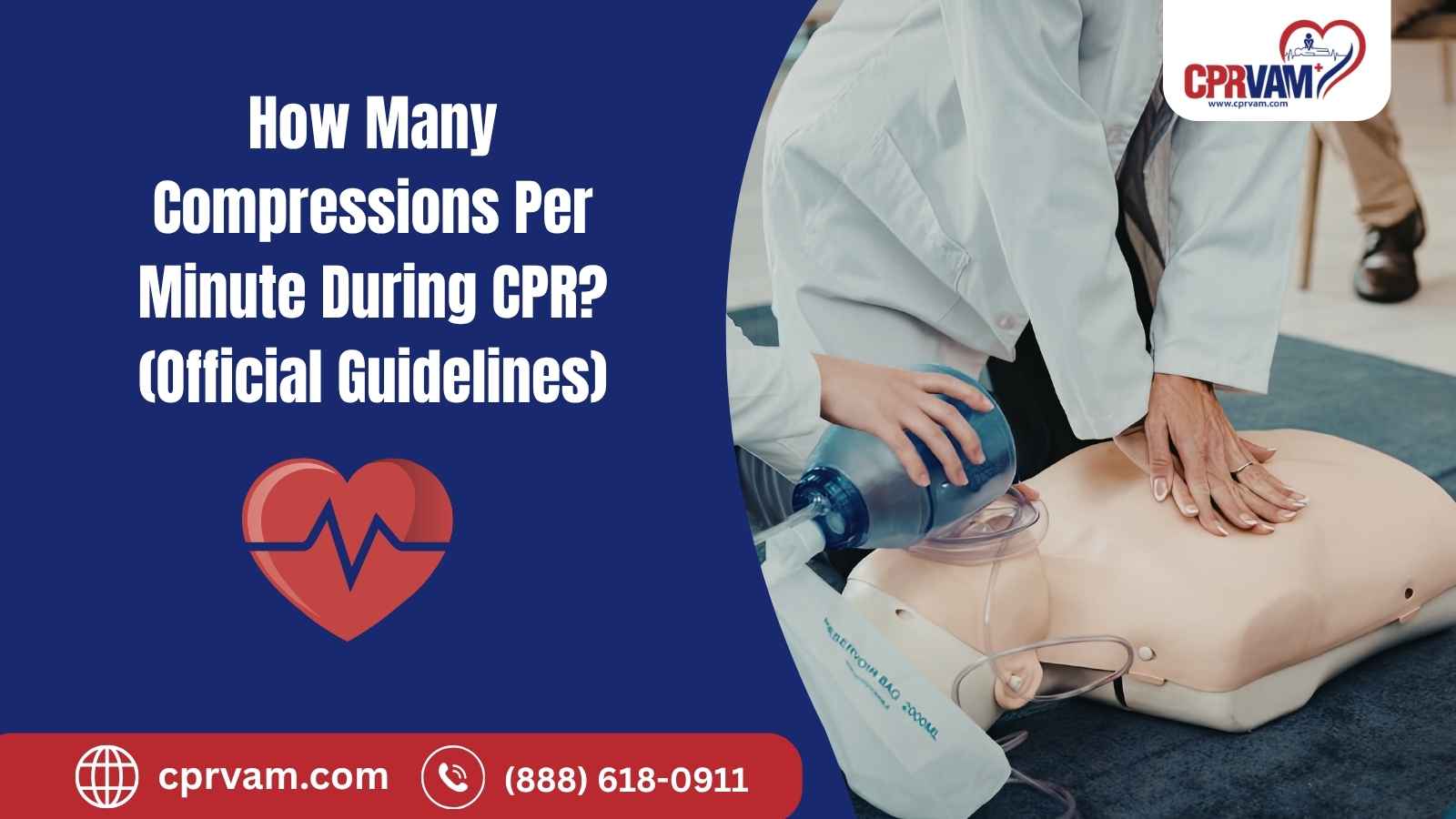



When someone’s heart stops, every second counts. CPR helps keep blood flowing until help arrives. But compressions only work if they are at the right pace of 100-120 beats per minute. Studies from the American Heart Association show that keeping this rhythm increases survival chances. Surprisingly, music can make this easier by giving your hands a natural, steady beat.
Many popular songs fall into this life-saving tempo. Practicing CPR with music trains your memory and improves performance under stress. Pick songs you know well, start compressions with the beat, and switch if your energy drops. Always follow American Heart Association guidelines, push hard and fast, allow full chest recoil, and call 911 immediately. Music can help you stay calm and confident.
This blog explains why CPR rhythm matters, how music boosts performance, offers a 100-120 BPM playlist, practice tips, and safety reminders.
Why Does Rhythm Matter in CPR?
High-quality CPR relies on consistent, well-timed chest compressions with correct hand placement. When someone’s heart stops, these compressions manually pump blood to vital organs like the brain and heart. This keeps the body alive until emergency responders arrive.
According to the American Heart Association (AHA):
- Too slow compressions do not circulate enough blood
- Too fast compressions are often shallow and ineffective
- The ideal rate is 100-120 compressions per minute
Maintaining this pace during a stressful emergency can be challenging. Music can help by providing a steady beat. It acts like a mental metronome and guides your hands to stay on rhythm without needing to count every beat.
How Can Music Improve CPR Performance?
Music can enhance CPR performance by helping rescuers keep the correct compression rhythm, stay calm under pressure, and maintain focus. Using music makes CPR easier to perform, more consistent, and less stressful during emergencies.
Music improves CPR performance in the following ways:
1. Music Supports Muscle Memory
Practicing CPR to a familiar song trains your brain to connect that rhythm with the right compression speed. During an actual emergency, this muscle memory helps your hands move naturally, keeping compressions accurate without constant counting.
2. Music Reduces Panic
Emergencies can increase stress and make coordination harder. Listening to familiar songs can calm the nervous system, reduce anxiety, and help rescuers stay composed, focused, and confident while performing CPR.
3. Music Improves Consistency
A steady beat in a song helps maintain uniform compressions from beginning to end. Consistent compressions are vital for effective blood flow, improving the chances of survival until professional help arrives.
4. Music Enhances Focus and Concentration
Music minimizes distractions, helping rescuers concentrate on compression timing and technique. It supports maintaining proper form and accuracy during CPR. Additionally, it enhances mental clarity, allowing rescuers to perform effectively during prolonged resuscitation efforts.
5. Music Increases Endurance and Motivation
Rhythmic music makes CPR feel more manageable, improving pacing and reducing fatigue. It helps rescuers maintain correct compression depth and rhythm. This support allows them to perform effectively for longer durations without decline.
What Is the Ideal BPM for CPR Songs?
The ideal tempo for CPR music is 100 to 120 beats per minute. This pace matches American Heart Association and Red Cross guidelines, helping rescuers maintain effective compressions and improve survival outcomes.
“100-120 beats per minute (BPM)”
Songs in this range help rescuers:
- Stay on pace
- Avoid fatigue-related slowdown
- Maintain proper compression rhythm
What Are the Best Songs for CPR? Ultimate CPR Playlist
Here is a list of popular, easy-to-remember songs with tempos between 100-120 BPM. These tracks help rescuers maintain correct compression rhythm, stay energized, and perform CPR more effectively.
Song Title | Artist | Genre | BPM | Why It Works for CPR |
Stayin’ Alive | Bee Gees | Disco | 104 | The classic CPR anthem with a steady, perfect beat. |
Uptown Funk | Mark Ronson ft. Bruno Mars | Funk/Pop | 115 | Strong groove and easy rhythm for compressions. |
Billie Jean | Michael Jackson | Pop | 117 | The iconic bassline keeps consistent timing. |
Can’t Stop the Feeling | Justin Timberlake | Pop | 113 | Upbeat and simple to follow. |
Eye of the Tiger | Survivor | Rock | 109 | Motivating tempo that sustains energy. |
Rolling in the Deep | Adele | Pop/Soul | 105 | Controlled pace for accurate compressions. |
Just Dance | Lady Gaga | Dance Pop | 119 | Fast but within CPR guidelines. |
Poker Face | Lady Gaga | Pop | 120 | Strong beat at the upper CPR limit. |
I Wanna Dance with Somebody | Whitney Houston | Pop | 120 | Perfect BPM with uplifting energy. |
Dancing Queen | ABBA | Disco/Pop | 100 | Smooth rhythm for steady compressions. |
How Should You Practice CPR to the Beat?
Practicing CPR with music helps you build confidence, accuracy, and consistency. Training with a steady rhythm allows you to perform compressions at the correct pace naturally, even during stressful emergencies.
Step-by-Step Practice Method:
Choose a song between 100-120 BPM to match proper CPR compression speed and help maintain a steady, consistent rhythm during practice sessions.
Place your hands firmly on a CPR manikin or pillow, positioning them correctly on the chest to simulate real-life compression technique and pressure.
Compress in time with the music beat to improve timing accuracy while developing a natural sense of rhythm and coordination during CPR practice.
Focus on maintaining both correct compression rhythm and proper depth to ensure your technique remains effective, safe, and aligned with CPR guidelines.
Repeat this routine regularly to strengthen muscle memory, boost confidence, and improve your overall CPR performance in emergency situations.
Over time, your body learns the correct pace automatically, helping you perform CPR more effectively when it matters most.
Why Should You Learn CPR with Music-Based Training?
Learning CPR with music helps you perform compressions more accurately and confidently. Rhythm-based training reduces anxiety, strengthens muscle memory, and makes practice engaging, so you are ready to act quickly during real emergencies.
Here are the reasions to learn CPR with music based training:
Listening to music improves rhythm accuracy, helping rescuers maintain a consistent pace during compressions.
It reduces performance anxiety, allowing individuals to stay calmer and more focused during practice and real emergencies.
Music helps build muscle memory faster by reinforcing proper compression techniques through repetition and rhythm.
It makes training sessions more engaging, keeping participants motivated and attentive throughout practice.
Using music increases confidence during emergencies, enabling rescuers to perform CPR more effectively under pressure.
Confidence enables you to respond quickly and decisively in critical situations. Acting fast during an emergency can significantly increase the chances of saving a life. Being prepared and self-assured can make all the difference in outcomes
How Can the Right Song Help Save a Life?
Music can make a real difference in CPR performance. Practicing with songs between 100-120 BPM helps you keep the right rhythm, build muscle memory, and stay calm under pressure. It improves accuracy, consistency, and confidence, so you can act quickly during emergencies. Choosing familiar tracks and training regularly prepares you to respond effectively. Incorporate music into your CPR practice and get ready to save lives when it matters most.
Build real confidence and master proper CPR techniques with CPR VAM. AHA-authorized courses like ACLS, BLS, and PALS prepare you to act quickly and confidently when every second counts.
FAQs About CPR Songs Playlist
1. Why is Rhythm Important During CPR?
Maintaining the correct rhythm ensures blood flows effectively to vital organs like the brain and heart. Compressions that are too fast or too slow reduce the chances of survival.
2. Can Music Really Improve CPR Performance?
Yes. Music helps you keep a steady pace, reduces panic, and improves consistency. Practicing with familiar songs also builds muscle memory for real emergencies.
3. What Is the Ideal BPM for CPR Songs?
The recommended tempo is 100-120 beats per minute. This matches the American Heart Association guidelines for effective compressions.
4. Which Songs Work Best for CPR Practice?
Songs like “Stayin’ Alive”, “Uptown Funk”, and “Billie Jean” fall in the 100-120 BPM range. They provide a steady, easy-to-follow rhythm for chest compressions.
5. How Can I Practice CPR Using Music?
Choose a song in the correct BPM range and compress on a manikin or pillow in time with the beat. Repeat regularly to improve accuracy, rhythm, and confidence during emergencies.