



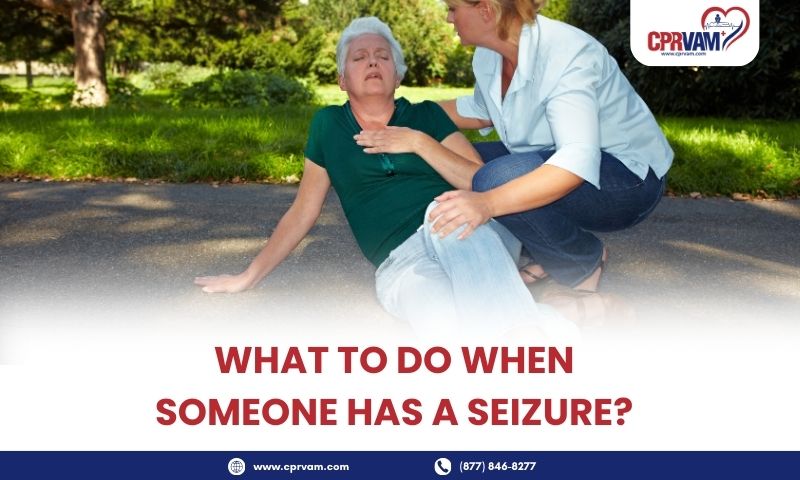
Seeing someone suddenly collapse and shake can be frightening. Knowing what to do when someone has a seizure helps you respond calmly and safely. First, you have to move any sharp objects away and gently turn the person onto their side. Note how long the seizure lasts. Do not restrain them or put anything in their mouth. Call 911 if it lasts more than five minutes or if it is their first seizure. Stay nearby afterward and speak calmly, as they may feel confused or tired.
This blog teaches how to help someone during a seizure and how to recognize the warning signs. It covers simple first aid steps, such as keeping them safe, timing the seizure, and knowing what to avoid. You will also learn when to call 911 and how to support them afterward.
Seizures: Causes, Types & How to Recognize Symptoms
Sometimes the brain sends out sudden bursts of electrical signals that it should not. When this happens, it is called a seizure or an epileptic fit. During a seizure, a person might lose awareness for a short time, their body might jerk or stiffen, or they might just stare off and seem confused.
Seizures are neurological events that can happen to anyone, whether kids, teens, or adults. They can be caused by many things, like an illness, a head injury, or certain medical conditions. Even though they can look scary, the good news is that there are treatments that help control them. With the right care and support, people who have seizures can still live healthy and active lives.
Up to 10% of people worldwide will have at least one seizure in their lifetime.
Common Causes of Seizures
Seizures happen when there is a sudden disruption in the brain’s normal electrical activity. This disruption can be triggered by medical conditions, metabolic imbalances, head trauma, or environmental factors. Identifying the underlying cause is important because treatment and long-term seizure management often depend on what is triggering the episodes.
Below are the most common causes of seizures:
Epilepsy
A chronic neurological disorder that causes recurrent, unprovoked seizures. It is one of the most common long-term causes of seizure activity.High Fever (Febrile Seizures)
Rapid increases in body temperature, especially in young children, can trigger febrile seizures.Head Injuries, Concussions, or Stroke
Trauma to the brain or reduced blood flow can interfere with normal brain signaling and provoke seizures.Low Blood Sugar or Electrolyte Imbalance
The brain depends on stable glucose and electrolyte levels. Sudden drops can disrupt brain function and lead to seizures.Brain Infections
Infections such as meningitis or encephalitis cause inflammation in brain tissue, which may trigger seizure episodes.Alcohol or Drug Withdrawal
Sudden withdrawal from alcohol, benzodiazepines, or certain drugs can increase seizure risk.Sleep Deprivation or Extreme Stress
Lack of sleep and prolonged stress can lower the seizure threshold in susceptible individuals.Flashing Lights or Visual Stimuli
In people with photosensitive epilepsy, bright or flickering lights can trigger seizures.Certain Medications or Toxic Exposure
Some medications, recreational drugs, or toxins can affect brain chemistry and increase the likelihood of seizures.
Types of Seizures
There are basically two types of seizures. They are as follows:
Generalized Seizures (Generalized Onset Seizures)
They happen when electrical activity in your brain starts on both sides at the same time. This can make your body shake all over, shake on just one side, or sometimes just cause you to stare blankly and stop moving.While these seizures are more common in kids and young adults, they can happen at any age. It includes the following seizures: Absence seizures, Atonic seizures (Drop seizures), Clonic seizures, Myoclonic seizures, Tonic-clonic seizures, Tonic seizures, etc.
Focal Seizures (Focal Onset Seizures/Partial Seizures)
Focal seizures, also called focal onset seizures, happen when electrical activity starts in just one part of the brain. Because of this, symptoms usually affect only one side of the body. During a seizure, you might stay fully aware or lose awareness, sometimes not remembering it afterward.These seizures can stay in one area or spread to involve both sides of the brain. It includes Focal Onset Aware Seizures (Simple Partial Seizures) and Focal Onset Impaired Awareness Seizures (Complex Partial Seizures).
Common Signs and Symptoms
Seizure symptoms vary depending on the type and severity, but may include:
Sudden collapse or loss of consciousness
Uncontrolled jerking or stiffening of muscles
Temporary confusion or unresponsiveness
Staring spells or loss of awareness
Loss of bladder or bowel control
Sudden emotional changes (Fear, joy, anxiety)
Abnormal eye movements or drooling
Most seizures last 30 seconds to 2 minutes. If a seizure lasts more than 5 minutes, it’s a medical emergency.
Phases of Seizures
Seizures usually happen in phases. Some of the phases are:
Prodrome Phase
Hours or days before a seizure, you might notice changes in your mood, have trouble sleeping, or find it hard to concentrate. These are early signs your body is giving you.Aura Phase
Right before a seizure, you might feel dizzy, see things differently, feel nauseous, or notice strange smells. These sensations act as a warning.Ictal Phase
This is when the seizure actually happens. You might have jerking movements or even lose consciousness.Postictal Phase
After the seizure, you may feel confused, very tired, or emotional. Your body needs time to recover.
How to Identify the Warning Signs of a Seizure
Seizures are often preceded by warning signs that can help you identify them early. Recognizing these signs is important for timely response and support, and they may include a variety of physical, emotional, or sensory symptoms.
Sensory Symptoms
Seeing bright lights, strange shapes, hearing unexpected sounds, tasting odd flavors, or feeling tingling or numbness in your skin.Emotional Changes
Sudden strong emotions, déjà vu (new things feel familiar), or jamais vu (familiar things feel new).Autonomic Symptoms
Automatic body reactions like sweating, drooling, upset stomach, or pale skin.
Seizure First Aid: What to Do and What to Avoid
Knowing how to respond during a seizure helps prevent injuries and keeps the person safe until the episode ends. Most seizures resolve on their own, so calm, supportive action is key.
What to Do During a Seizure
Clear the area of sharp or hard objects to reduce the risk of injury during uncontrolled movements.
Turn the person onto their side once the jerking stops to help keep the airway clear and lower the risk of choking.
Protect the person’s head with something soft, such as a jacket or folded clothing, to prevent head trauma.
Loosen tight clothing around the neck to support easier breathing.
Time the seizure carefully, and call emergency services if it lasts longer than five minutes.
Stay with the person until they are fully alert, offering calm reassurance as confusion or fatigue is common afterward.
What Not to Do During a Seizure
Do not restrain or hold the person down, as this can cause injuries and does not stop the seizure.
Never put anything in the person’s mouth, since this can lead to choking or broken teeth.
Do not give food, water, or medication during the seizure, and wait until they are fully awake before offering anything by mouth.
Do not perform CPR during active convulsions, and only begin CPR if breathing does not resume after the seizure ends.
How to Support Someone During and After a Seizure
Once the seizure stops, you have to stay calm and stay close. Help them rest safely, speak gently to reassure them, and watch until they’re fully alert. Check for any injuries and offer a little support as they recover.
The following things you have to do:
During Seizure
Check if the person is responsive and breathing, but only if it is safe to do so.
Let the seizure happen on its own. Do not try to hold the person down.
Keep the person safe by moving anything nearby that could hurt them.
Watch the person closely during the seizure.
If it is safe, gently turn the person onto their side. This is called the recovery position.
After Seizures
If the person is unresponsive and not breathing, start CPR immediately and use an AED if available.
If they are unresponsive but breathing, place them in the recovery position.
Keep checking their breathing and responsiveness to see if more help is needed.
Keep them comfortable and protect them from getting too cold or too hot.
Give care for shock if it is necessary.
Assist with or give medicine only if you are trained and it is needed.
Stay with them until they are fully awake, reassure them, and continue watching for any changes in their condition.
Recognizing When Emergency Care Is Needed for Seizures
Most seizures stop on their own within a few minutes and do not require emergency medical care. However, certain situations can be life-threatening and require immediate help.
You should call 911 or your local emergency number in the following situations:
If the seizure lasts longer than five minutes, as prolonged seizures can lead to serious complications and require urgent medical treatment.
If the person has repeated seizures without regaining consciousness, which may indicate a medical emergency known as status epilepticus.
If it is the person’s first seizure, since a medical evaluation is necessary to determine the underlying cause.
If the person is injured, pregnant, or has a medical condition such as diabetes, as these factors increase the risk of complications.
If the seizure occurs in water, because there is a high risk of drowning or breathing problems.
If the person does not regain consciousness or normal breathing after the seizure ends, as this may require immediate CPR and advanced medical care.
Possible Complications and Risks Associated with Seizures
Seizures may lead to complications that affect the patient’s health. You have to learn about the potential risks, from injuries and prolonged seizures to long-term effects, and understand when to seek medical help.
Some of the complications are:
Seizures can cause you to lose consciousness or pass out.
Falling or stopping suddenly during a seizure (for example, while driving, using machines, or climbing) can lead to injuries.
Convulsions may make you hit your arms or legs on hard surfaces, which can cause cuts, bruises, or broken bones.
Status epilepticus happens when a seizure lasts more than five minutes, or if multiple seizures occur without enough time to recover.
Status epilepticus is a medical emergency because it can cause brain damage or even be life-threatening.
How Seizures Are Treated and Managed Effectively
Seizure treatment usually depends on the type of seizure, its underlying cause, and how often it occurs. A neurologist will consider all these factors and may recommend different approaches, including lifestyle changes, medications, or other treatments tailored to the person’s needs.
Seizure treatment depends on the type, cause, and frequency. A neurologist may recommend:
1. Treating Underlying Causes
Doctors will first look for any conditions that might be triggering seizures, like a stroke or low blood sugar. Treating these problems can help prevent future seizures.
2. Medications
Antiseizure medications can help reduce how often seizures happen or stop them altogether. Taking the right medicine as prescribed is important for keeping seizures under control.
3. Surgery
In some cases, surgery can help. By targeting the specific area of the brain where seizures start, surgery may lower both the number and severity of seizures.
4. Brain Stimulation
A special device can be implanted in the brain to send a gentle electrical current. This current helps stop abnormal brain activity that causes seizures. There are several types of brain stimulation, including vagus nerve stimulation.
5. Dietary Changes
If other treatments aren’t fully effective, doctors may suggest adjusting your diet. A low-carb or ketogenic diet has been shown to help reduce seizures in some people. Research is still ongoing to understand exactly how diet affects seizure control.
Impact of Seizures on Mental Health
Seizures can affect your mental health, and it’s common to feel anxious or depressed if you experience them. Seizures can interrupt your daily life and keep you from enjoying activities you like. You might worry about having another seizure, lose sleep thinking about it, or even avoid going out and spending time with friends or family because you feel embarrassed.
It’s important to remember that seizures are not your fault, and these feelings are completely normal. A mental health professional can help you manage the stress and emotions that come with seizures, making it easier to take care of both your body and your well-being.
Stay Calm and Act Quickly to Help Someone Having a Seizure
Knowing what to do when someone has a seizure can make all the difference. Stay calm, clear the area, and gently turn them on their side while timing the seizure. Avoid restraining them or putting anything in their mouth, and call 911 if needed. Staying by their side afterward, offering reassurance, and knowing the warning signs can keep them safe and help them recover with confidence.
Be ready to save a life! Join CPR VAM, an AHA-certified training center, where expert instructors teach CPR, First Aid, and how to respond to and manage seizures safely. Gain life-saving skills today and make a difference when it matters most!
FAQs
1. What Should I Do First When Someone is Having a Seizure?
You should stay calm and move any sharp or dangerous objects away from the person. You should gently turn them onto their side to keep their airway clear. You should protect their head with something soft, but you should not try to hold them down or put anything in their mouth.
2. Which Side Do I Turn Someone to When They Are Having a Seizure?
Once the shaking stops, you should carefully turn them onto their left side. This position helps keep their airway open and makes it less likely they will choke if they throw up.
3. When is It Important to Call 911 For a Seizure?
You should call 911 if the seizure lasts more than 5 minutes. Call if it’s their first seizure. Call if they have repeated seizures without a break. Also, call if they are injured, pregnant, or having trouble breathing afterward.
4. Can I Give Food, Water, or Medicine During a Seizure?
No. You should never give anything by mouth during a seizure because they could choke. Wait until the person is fully awake and alert before offering any food or drink.
5. How Long Do Seizures Usually Last?
Most seizures only last between 30 seconds and 2 minutes. But if a seizure lasts longer than 5 minutes, it’s an emergency, and you should call medical help immediately.