

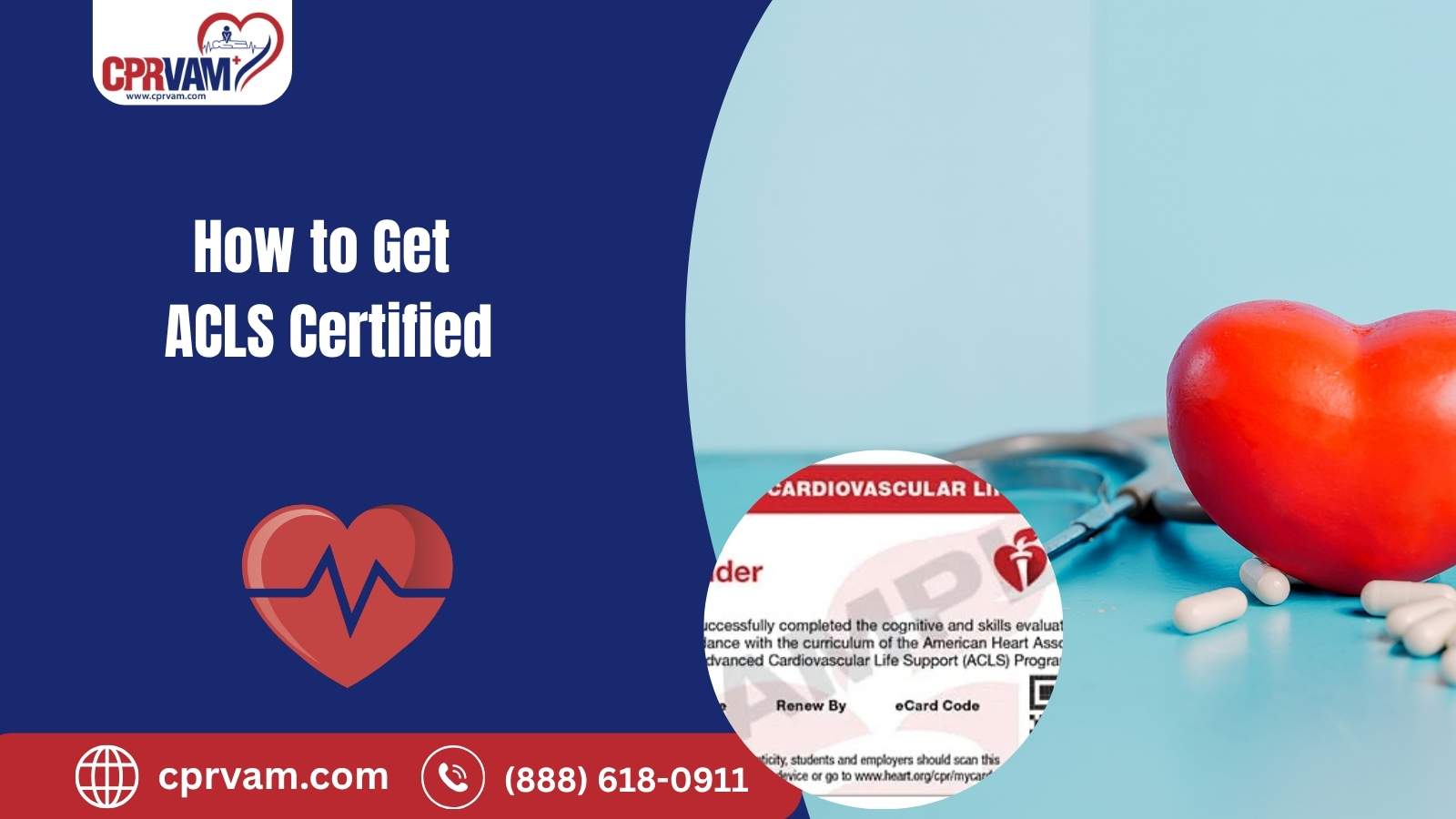
Advanced Cardiovascular Life Support (ACLS) certification is a crucial credential for healthcare professionals who want to enhance their ability to respond effectively during cardiac emergencies. Unlike basic CPR, ACLS training equips medical personnel with advanced skills, including managing life-threatening arrhythmias, performing airway management, administering emergency medications, and leading resuscitation teams. Having this certification not only boosts your professional credibility but also plays a vital role in improving patient survival rates during critical situations.
Healthcare providers across hospitals, emergency medical services, and critical care units often require ACLS certification to ensure they are prepared for high-stakes scenarios. Doctors, nurses, paramedics, and other medical professionals benefit from ACLS training as it strengthens their knowledge of advanced resuscitation protocols and builds confidence in making quick, lifesaving decisions. In addition, many healthcare employers consider ACLS certification a mandatory requirement for clinical roles, making it an essential step for career advancement.
This blog will guide you through the process of getting ACLS certified, including eligibility, step-by-step instructions, course selection tips, and common misconceptions to help you confidently achieve certification and enhance your life-saving skills.
What Is ACLS Certification?
ACLS (Advanced Cardiovascular Life Support) Certification is an official credential that verifies a healthcare professional’s ability to respond to life-threatening cardiovascular emergencies. It goes beyond basic CPR skills, covering advanced techniques such as recognizing and managing abnormal heart rhythms, performing advanced airway management, administering emergency medications, and leading or participating effectively in a resuscitation team. ACLS training is designed for healthcare providers like doctors, nurses, paramedics, and other professionals who work in emergency, critical care, or hospital settings.
The certification is typically issued by the American Heart Association (AHA) or other recognized institutions and is valid for two years, after which recertification is required. ACLS certification is considered essential because it significantly improves patient survival during cardiac emergencies and demonstrates a healthcare professional’s competence in advanced life-saving interventions. It also equips professionals with the skills and confidence to make rapid, critical decisions in high-pressure situations, ensuring patients receive timely and effective care.
Who Needs ACLS Certification?
Healthcare providers who work in hospitals, emergency departments, or critical care settings often require ACLS certification. Common professionals who need ACLS include:
Registered Nurses (RNs)
Physicians and Physician Assistants (PAs)
Emergency Medical Technicians (EMTs) and Paramedics
Respiratory Therapists
Medical Students and Residents
Even if ACLS isn’t required for your current role, it’s highly recommended for anyone involved in patient care, as it equips you to handle life-threatening cardiac emergencies confidently.
What Are the Steps to Get ACLS Certified?
Getting ACLS certified involves a structured process that equips healthcare professionals with the skills and confidence to respond effectively to life-threatening cardiac emergencies. By following a clear, step-by-step approach, the certification journey becomes straightforward, manageable, and fully achievable.
Below are the essential steps to get ACLS certified:
Step 1: Confirm Eligibility Requirements
Before enrolling in an ACLS certification course, it is important to confirm that you meet the basic eligibility requirements. Most ACLS programs require a valid Basic Life Support (BLS) certification, as ACLS builds on foundational CPR and emergency response skills. While some providers may allow enrollment without current BLS credentials, proof of BLS is often required before the final certification is issued.
In addition, ACLS certification is designed for healthcare professionals who are involved in managing cardiac or respiratory emergencies, such as doctors, nurses, paramedics, and critical care staff. A basic understanding of ECG rhythms, pharmacology, and clinical emergency protocols will help you complete the course and perform effectively during assessments.
Step 2: Choose an Accredited ACLS Training Provider
Choosing an accredited ACLS training provider like CPR VAM is essential to ensure your certification is legitimate and accepted by hospitals, clinics, and healthcare employers. A reputable provider follows current clinical guidelines and delivers structured, up-to-date course content.
When selecting a provider, consider their accreditation status, course delivery options (online, in-person, or blended), and the quality of study materials provided. Experienced instructors, practice exams, and clear assessment methods can significantly improve learning outcomes. Selecting the right ACLS provider ensures both professional recognition and effective emergency preparedness.
Step 3: Decide Between Online or In-Person ACLS Training
ACLS training is available in online, in-person, and blended formats, and the right choice depends on your experience and workplace requirements. Online ACLS courses offer self-paced learning and flexibility, making them suitable for healthcare professionals who already have strong clinical knowledge.
In-person ACLS training focuses on hands-on practice, real-time instructor feedback, and scenario-based assessments, which many hospitals prefer. Blended programs combine online coursework with in-person skills evaluation. Before enrolling, confirm which format is accepted by your employer or licensing body.
Step 4: Study the ACLS Course Material
After enrolling in an ACLS course, focus on thoroughly studying the required course material. The curriculum typically includes advanced CPR techniques, cardiac rhythm and ECG interpretation, airway management, ACLS medications, and standardized treatment algorithms for cardiac emergencies.
Use the provided manuals, videos, and practice exams to reinforce key concepts and improve retention. Regularly reviewing ACLS algorithms and medication protocols is especially important, as these are heavily tested and essential for effective clinical decision-making during emergencies
Step 5: Pass the ACLS Exam and Skills Assessment
To earn ACLS certification, you must complete both a written exam and a practical ACLS skills assessment. The written exam tests your knowledge of cardiac emergencies, ACLS algorithms, medication protocols, and ECG interpretation.
The skills assessment evaluates your ability to perform hands-on procedures, such as high-quality CPR, airway management, defibrillation, and team-based resuscitation in simulated emergency scenarios. Passing both components confirms that you can apply ACLS protocols effectively in real-life situations and is required to receive your certification.
Step 6: Receive Your ACLS Certification
After successfully passing the written exam and skills assessment, you will receive your ACLS certification. This certification is typically valid for two years, after which renewal is required to stay current with updated guidelines and maintain professional compliance.
Your certification may be issued as a physical card, a digital certificate, or both, depending on the training provider. Keep a copy for your records and provide it to your employer or licensing body as proof of your advanced cardiovascular life support qualifications.
What Are the Tips for Choosing the Best ACLS Course?
Selecting the right ACLS course is essential to ensure you receive comprehensive training and gain the skills needed to handle critical cardiovascular emergencies. Here are key tips to help you choose the best course:
1. Accreditation and Certification
Always choose an ACLS course accredited by recognized organizations, such as the American Heart Association (AHA). Accredited courses ensure that the curriculum meets standardized guidelines and that your certification will be widely accepted by employers and healthcare institutions.
2. Experienced Instructors
Look for courses led by certified and experienced instructors who can provide hands-on guidance and real-world scenarios. Skilled instructors help clarify complex concepts, demonstrate proper techniques, and provide immediate feedback during simulations.
3. Hands-On Practice
The best ACLS courses include interactive, practical sessions, such as simulated cardiac arrest scenarios, team-based resuscitation drills, and the use of defibrillators. Hands-on practice is crucial for retaining skills and building confidence in real emergencies.
4. Flexible Learning Options
Consider courses that offer blended learning options, such as online pre-learning combined with in-person skills testing. Flexible courses save time and allow you to study at your own pace while still meeting the hands-on training requirements.
5. Course Reviews and Recommendations
Look for courses led by certified and experienced instructors who can provide hands-on guidance and real-world scenarios. Skilled instructors help clarify complex concepts, demonstrate proper techniques, and provide immediate feedback during simulations.
6. Recertification and Support
Ensure the course provides clear guidance on recertification timelines, access to learning materials, and ongoing support. ACLS skills need periodic renewal to remain current, and quality courses make this process seamless.
By following these tips, you can confidently select an ACLS course that delivers practical knowledge, real-world skills, and recognized certification to enhance your career in healthcare.
What Are Common Myths About ACLS Certification?
ACLS certification is surrounded by several common misconceptions that can create confusion for healthcare professionals. Knowing the truth behind these myths ensures proper preparation, sets realistic expectations, and helps you approach the certification process with confidence.
Here are some of the most common myths about ACLS certification, and the facts that clarify them:
Myth: Only doctors need ACLS certification
Truth: ACLS is essential for a wide range of healthcare providers, including nurses, paramedics, respiratory therapists, and other clinical staff who respond to cardiac emergenciesMyth: ACLS certification is too difficult to pass
Truth: With proper preparation, study of course materials, and practice of hands-on skills, most participants can complete the certification processMyth: ACLS certification lasts a lifetime
Truth: ACLS certification is typically valid for two years. Renewal is required to stay updated with the latest resuscitation guidelines and clinical practices.Myth: ACLS is only about performing CPR
Truth: While CPR is a key component, ACLS also covers ECG interpretation, medication administration, airway management, and team-based resuscitation strategies.
These clarifications can help healthcare professionals approach ACLS training with confidence and avoid unnecessary concerns.
Become ACLS Certified and Save Lives with CPR VAM
In conclusion, ACLS certification is a vital credential for healthcare professionals, equipping them with advanced skills to respond effectively during cardiac emergencies. By understanding eligibility requirements, selecting an accredited training provider, choosing the right course format, studying the material thoroughly, and completing the exam and skills assessment, you can confidently earn your certification. Beyond boosting professional credibility, ACLS training enhances patient outcomes, strengthens emergency response capabilities, and ensures healthcare providers are prepared to make critical, life-saving decisions in high-pressure situations.
For those ready to take the next step, join CPR VAM’s nationally recognized training programs. CPR VAM offers comprehensive BLS, PALS, and ACLS courses designed to equip healthcare professionals with the knowledge, hands-on skills, and confidence needed to excel in real-world emergencies. Trusted by hospitals and clinics across the country, CPR VAM combines expert instructors, interactive training, and accredited certifications, ensuring you are fully prepared to meet professional standards and advance your career in life-saving care.
FAQs
1. Can ACLS Certification Be Completed Entirely Online?
While some ACLS courses offer online components for theory and pre-learning, the hands-on skills assessment and practical scenarios must be completed in person. This ensures participants demonstrate proper CPR, airway management, and team-based resuscitation skills under instructor supervision.
2. How Long Does It Typically Take to Complete ACLS Certification?
The total duration of ACLS certification varies by course format. In-person or blended courses generally take 1–2 days, while online pre-learning may add additional hours. Completion time depends on prior knowledge, pace of learning, and the scheduling of practical skills assessments.
3. Is There a Recertification Exam for ACLS, and How Often Is It Required?
Yes. ACLS certification is valid for two years, after which recertification is required. The process usually involves reviewing updated guidelines, completing a refresher course, and passing a skills evaluation and/or written exam to maintain current credentials.
4. Can Healthcare Students Get ACLS Certified Before Working in a Hospital?
Yes. Medical, nursing, and paramedic students can enroll in ACLS courses, provided they meet prerequisites such as BLS certification. Early ACLS training prepares students for clinical rotations, emergencies, and future employment in hospitals or critical care settings.
5. Does ACLS Certification Cover Pediatric Cardiac Emergencies?
Standard ACLS certification primarily focuses on adult cardiovascular emergencies. Pediatric cardiac emergencies are addressed in PALS (Pediatric Advanced Life Support) courses, which cover age-specific assessment, resuscitation algorithms, and medication dosing for children.