

You see someone collapse. Your heart races. You start performing CPR, pushing hard and fast on their chest. This is a heroic act. But a critical question soon follows: when is it okay to stop? Knowing the exact moment to stop CPR is vital, as starting it and stopping too soon can cost a life. Stopping for the wrong reason can put you or others in danger.
So, when should you stop CPR? The direct answer is you stop only when one of five specific things happens: the victim shows clear signs of life, a professional helper takes over, the scene becomes unsafe, you are physically too exhausted to continue effectively, or a valid Do-Not-Resuscitate order is present. This isn’t a guess or a feeling; it’s a clear set of rules that guides every rescuer.
This blog cuts through the confusion with these fact-based rules trusted by medical professionals. You will learn these 5 definitive reasons in detail, understanding why each one matters. This knowledge turns panic into purpose and empowers you to act with confidence until professional help takes over. Your actions in those crucial minutes are the bridge between life and death. Let’s build that bridge with strength and clarity.
Why Is It Important To Know When to Stop CPR?
High-quality CPR is the ultimate lifeline for someone in cardiac arrest. The American Heart Association (AHA) also states that immediate CPR can double or even triple a victim’s chance of survival. However, CPR is not meant to restart the heart by itself. Its role is to serve as a manual pump, circulating oxygen-rich blood to the brain and heart to keep those organs alive until an automated external defibrillator (AED) or emergency responders can deliver a shock that restores a normal heart rhythm.
This is why knowing when to stop CPR is so important. Think of it like this: you are keeping someone alive with your own hands, and you stop pumping too early, that lifeline is severed, and the chance of survival plummets. Conversely, understanding the valid reasons to stop protects you and the rescuer from unnecessary physical and emotional harm and ensures you follow legal and ethical guidelines.
Every second of effective chest compressions counts. A pause of even 10 seconds can significantly reduce the odds of survival. Therefore, your commitment must be unwavering, but it must also be informed. This guide provides that essential framework
What Are the 5 Main Reasons to Stop Performing CPR?
Knowing when to stop CPR is just as important as knowing how to start it. CPR is physically demanding and time-critical, and stopping at the wrong moment can reduce a victim’s chance of survival. Follow these five clear guidelines, which are the standard taught in all certified CPR courses, including AHA BLS (Basic Life Support) and Heartsaver classes.
1. When the Victim Shows the Sign of Life
This is the common reason to stop CPR. Your goal is to restore spontaneous circulation, and if it happens, your work is done. The signs of life include:
- Consciousness: The victim moves, moans, opens their eyes, or speaks.
- Normal Breathing: You see the chest rise and fall normally. Do not confuse agonal breathing (infrequent, gasping sounds) with normal breathing. Agonal breathing is a sign of cardiac arrest and means you must continue CPR.
- A Pulse: You feel a definite pulse for at least 10 seconds. Check the carotid artery in the neck. Be cautious, as it’s easy to feel your own pulse in your fingers during the adrenaline rush of an emergency.
If you see any clear sign of life, stop compressions immediately. Roll the person onto their side into the recovery position if safe to do so, monitor them closely, and wait until the emergency medical team arrives, EMS.
2. When Emergency Medical Services (EMS) and AED Arrive
When you hand over the victim to EMS or AED, it is noticed as a transfer of care, not an abandonment. It means your vital job is done, and more advanced help is in charge now.
- AED Arrives: An AED (Automated External Defibrillator) is a portable device that can analyze the heart’s rhythm and, if needed, deliver an electric shock to try to restore a normal heartbeat. If the moment of an AED is delivered to the victim’s side, you should pause CPR to allow the device to analyze. It will give clear voice commands like, “Analyzing rhythm, do not touch the patient,” and then, “Shock advised, stand clear,” or “No shock advised, continue CPR.” You should continue CPR only when the device specifically instructs you to. Using the AED in the proper steps and following its prompts is a top priority.
- EMS Takes Over: EMS (Emergency Medical Services) refers to the professional responders, like paramedics and emergency medical technicians, who arrive in an ambulance or rescue vehicle. When they are on scene, have assessed the situation, and are ready to take over care, you should stop. They have advanced training, medications, and equipment for Advanced Cardiac Life Support (ACLS).
Briefly tell them the key information: what happened, when it happened, and how long you’ve been doing CPR. This handoff is a seamless transition that gives the victim the best chance.
3. When Rescuer Gets Exhausted
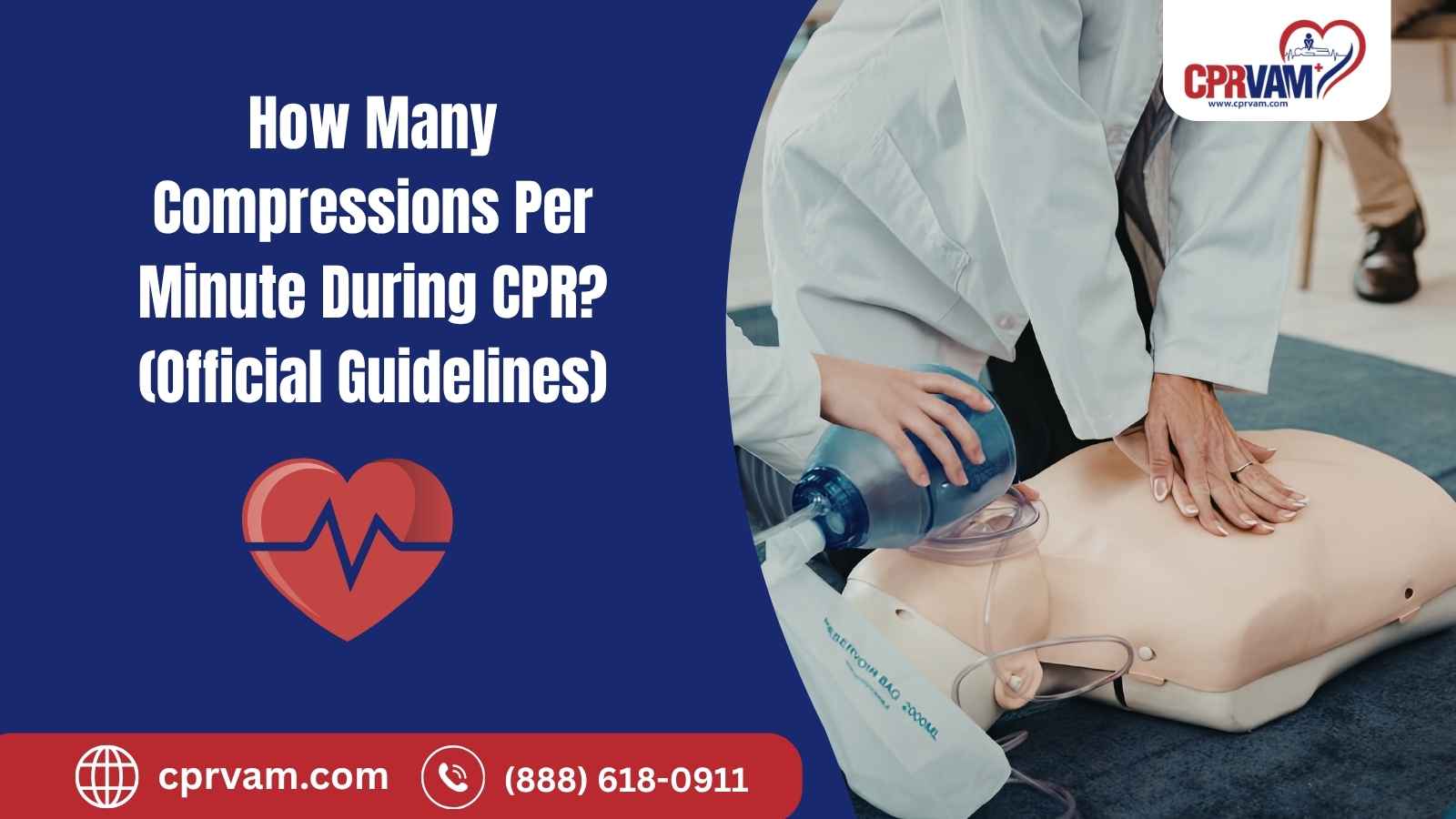
High-quality CPR is physically demanding. The AHA emphasizes that effective compressions require a depth of at least 2 inches for adults, at a rate of 100-120 per minute. If you are alone and become so exhausted that your compressions become weak, slow, or inconsistent, the CPR becomes ineffective. In a public setting, if others are available, you should switch rescuers every 2 minutes to prevent fatigue and maintain quality. If you are alone and truly cannot continue, you may have to stop. This is a last resort.
4. When The Victim Has a DNR
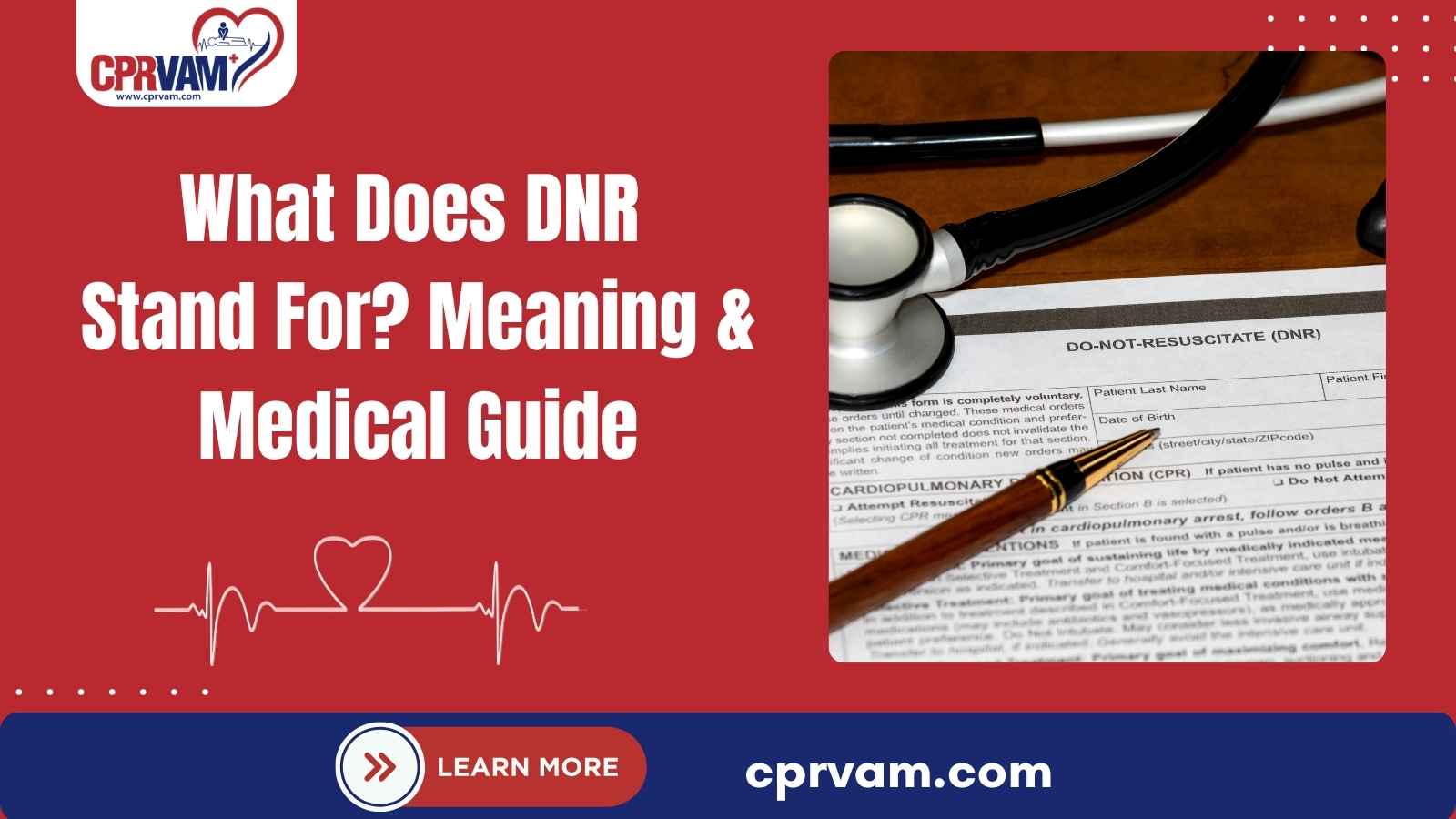
A DNR (Do Not Resuscitate) is a medical order that tells rescuers not to perform CPR if a person’s heart stops or they stop breathing. Usually, people with serious or terminal illness, elderly individuals who do not want aggressive life-saving measures, patients whose quality of life would not improve with CPR, and anyone who, after being informed, chooses not to receive CPR.
You can check the authenticity of DNR by medical records, physical DNR documents, Medical ID jewelry (bracelet or necklace, or ID card in the wallet).
CPR and DNR: What the Rules Usually Say
- If you confirm the DNR, stop CPR on the spot.
- If you cannot verify a DNR document, or if you’re unsure whether it is real or valid, the default rule (especially in emergencies) is to treat the person as if there is no DNR until proven otherwise.
- If a family or friend of the victim yells ‘DNR’ with no proof, then keep going until it is verified. Words don’t cut it, so keep everyone legally safe.
CPR is rough on the body, so respect real DNRs. But faking it without docs is actually a liability nightmare. Signed DNRs are held in all 50 states, per NIH CPR. Learn to spot them in First Aid Courses.
5. When The Scene Becomes Unsafe
Your safety is the absolute priority. You cannot help anyone if you become a victim. If a scene becomes immediately dangerous, you must stop and move to a safe place. Threats include:
- Fire, smoke, or risk of explosion.
- Traffic hazard where you and the victim are in the path of vehicles.
- Violence or the threat of violence.
- Structural collapse or hazardous materials.
If the threat can be removed quickly (e.g., moving a victim from a puddle), do it. If not, retreat to a safe location and call 911 to inform them about the danger.
How Long to Perform CPR Before Stopping? The 30-Minute Guideline
A common question is: how long should you continue CPR if no help arrives? Well, 2025 AHA Algorithms often state that you should do 30 minutes of continuous advanced life support without ROSC.
ROSC (Return of Spontaneous Circulation) means the heart starts beating on its own, leading to signs of life like breathing or a pulse. Achieving ROSC is the main goal of CPR.
For you, the lay rescuer, the 30-minute mark is rarely a practical concern. Focus on the five primary reasons to stop. However, in most cases, EMS will arrive long before 30 minutes pass.
A crucial exception is hypothermia (e.g., icy water drowning). Cold can protect the brain, so CPR may need to continue longer in these rare cases. Your rule remains the same: continue CPR until one of the five definitive conditions is met. EMS will make advanced time-based decisions upon their arrival. Your job is to sustain life until they take over the situation.
What Happens If You Stop CPR Too Early?
Stopping a CPR before 20 minutes is considered too early. When you stop CPR too early, the human brain dies in 4-6 minutes of stopping without oxygen, and the human heart stops pumping blood to the vital organs, which causes organ failure.
A half-hearted CPR technique can cause a legal battle for you due to negligence and cause the victim lifelong health effects, like:
- Memory loss
- Speech issue
- Permanent impairment
Even if a shock from an AED could restart the heart, a brain deprived of blood for too long may not recover. Persistence is key. You should continue CPR until one of the five conditions discussed above is met; this is the core principle that saves lives.
Are You Legally Safe After Stopping CPR?
Yes, only if you are following the standard guidelines. In the United States, Good Samaritan laws are designed to protect lay rescuers who act in good faith during an emergency without expecting compensation. These laws generally protect you from legal liability as long as your actions are reasonable and you do not act with gross negligence or intentional harm. Stopping CPR for the valid reasons outlined here is considered a reasonable and standard practice. Starting CPR when you are unsure is almost always the legally safer choice than not starting at all.
Stop CPR Only When It’s Truly Safe
Stopping CPR is a conscious decision, not a matter of chance. You now know the five clear indicators that justify this choice: signs of life, professional assistance, an unsafe environment, total exhaustion, or a valid DNR. This knowledge not only protects the victim’s chances of survival but also ensures your own well-being.
Every compression is a potential lifeline, and true confidence in an emergency comes from training. It’s about more than just reading.
Be prepared. Get certified CPR courses with CPR VAM. Our hands-on, expert-led courses equip you with the skills and confidence needed to take decisive action when every second counts. Sign up now, you could save a life.
FAQs
1. Can You Stop CPR If You Think the Person Has Been Down Too Long?
No. Unless the scene is unsafe or a valid DNR is present, you should not stop CPR based on a guess about time. The only person who can make the official determination of death is a medical professional. Your role is to provide the best possible chance until they arrive.
2. Should You Stop CPR to Move the Victim?
No, you shouldn’t. You should only move a victim before or during CPR if they are in immediate danger (e.g., a burning car). Interruptions in chest compressions reduce survival odds. It is almost always better to perform CPR where the victim is found.
3. Should You Stop When You Hear Ribs Crack During CPR?
It is common for ribs to fracture during effective, deep chest compressions. While it sounds alarming, a broken rib is treatable, but death from lack of CPR is not. Do not stop CPR if you hear or feel a crack. Adjust your hand position during CPR if the situation demands, and continue.
4. When Should You Stop CPR on A Child vs. An Adult?
The same five reasons discussed above apply to all age groups. The key difference is in technique (using one or two hands for a child, two fingers for an infant). For children and infants, cardiac arrest is more likely caused by a breathing problem, so if you are alone, give 2 minutes of CPR before calling 911, unless you suspect a primary heart issue.
5. Who Can Tell You to Stop CPR at the Scene?
In a public setting, only arriving EMS personnel or someone presenting a valid DNR order has the authority to tell you to stop. Bystanders or family members who are upset may ask you to stop, but without a DNR, you should generally continue CPR based on your assessment of the victim’s condition (unresponsive, not breathing).