
What happens when a heartbeat returns after sudden cardiac arrest (SCA)? This is called return of spontaneous circulation (ROSC). It means the heart starts beating on its own again and pumps oxygenated blood through the body. This is a major sign that resuscitation efforts, like CPR, are working. But getting the heartbeat back is just the first step. After ROSC, patients need close medical care to prevent brain injury and organ damage. Quick treatment and support can help stabilize vital signs, maintain coronary perfusion pressure, and improve survival chances. That’s why recognizing and responding fast can truly save lives.
In this guide, you’ll learn what return of spontaneous circulation (ROSC) is, why it matters, and how quick action can save lives. We’ll explore its role, causes, key signs, and the challenges involved in achieving it.
What is Return of Spontaneous Circulation (ROSC)?
ROSC stands for Return of Spontaneous Circulation. It refers to the restoration of a sustained cardiac output and effective blood circulation in a patient who has experienced cardiac arrest. In simple terms, ROSC occurs when the heart starts beating effectively again after cardiac arrest, restoring blood flow and breathing. It’s typically recognized by signs such as movement, coughing, breathing, a pulse, or measurable blood pressure. High-quality CPR and defibrillation greatly increase the chances of ROSC, but it doesn’t always guarantee long-term survival. In rare cases, known as the Lazarus phenomenon, ROSC can occur after resuscitation has stopped, which is why passive monitoring for 10 minutes is recommended.
Why Is Post-Cardiac Arrest Care Crucial After Achieving ROSC?
After the patient’s heartbeat returns or ROSC is achieved, post-cardiac arrest care begins according to the Immediate Post-Cardiac Arrest Care Algorithm. This step is very important for their recovery, as it helps keep the body stable and supports breathing and blood flow. This care also works to support neurologic recovery, protect the brain from damage, and prevent other complications. At the same time, doctors use the algorithm to guide them in identifying and treating the main cause of the cardiac arrest. The quality of care during this stage can make a big difference in how well and how quickly the patient recovers.
Key roles of post-cardiac arrest care include:
- Stabilizing the patient and closely watching vital signs.
- Preventing complications like irregular heartbeats or organ failure.
- Finding and treating the main cause of the cardiac arrest.
- Implementing Targeted Temperature Management (TTM) to protect the brain and improve neurological outcomes.
- Supporting the heart to keep normal blood pressure.
- Monitoring the function of organs like the kidneys, liver, and lungs.
- Protecting the brain and checking the patient’s neurological status carefully.
Why Is Treating Underlying Causes Crucial for Return of Spontaneous Circulation?
When a cardiac arrest occurs, it is usually not just by chance. In many situations, there is an underlying cause at play, and sometimes that cause can be treated or even reversed. Quickly identifying and treating the cause can make all the difference in achieving return of spontaneous circulation (ROSC), which is the point when the heart starts beating effectively on its own again.
This step is especially important in rhythms like pulseless electrical activity (PEA) or asystole, where defibrillation alone may not work. Instead, the focus shifts to uncovering and correcting the root problem. Under Advanced Cardiovascular Life Support (ACLS) guidelines, trained providers systematically evaluate for and treat the reversible causes of cardiac arrest.
ACLS providers generally perform the following steps:
- Check for H’s and T’s: These are common reversible causes such as hypoxia, hypovolemia, or toxins.
- Review the ECG: Certain patterns can offer valuable clues about the underlying issue.
- Look for Signs of Hypovolemia: Low blood volume is a frequent contributor to cardiac arrest.
- Identify Any Drug Overdose or Poisoning: Prompt treatment can sometimes quickly reverse the condition.
Once ROSC is achieved, diagnosing and treating the underlying cause becomes just as critical as the resuscitation itself. Addressing the root problem not only helps stabilize the patient but also reduces the risk of another cardiac arrest. These causes can include an acute myocardial infarction (heart attack), abnormal heart rhythms, or drug toxicity.
How Can You Increase the Chances of Achieving ROSC?
The chances of achieving Return of Spontaneous Circulation (ROSC) depend greatly on fast and effective medical care. Early resuscitation and treatment after cardiac arrest play a major role in improving survival. In the emergency department, quick action and advanced treatments such as mechanical CPR, defibrillation, airway support, and early use of epinephrine can make a big difference in ROSC rates and overall outcomes.
Key Steps:
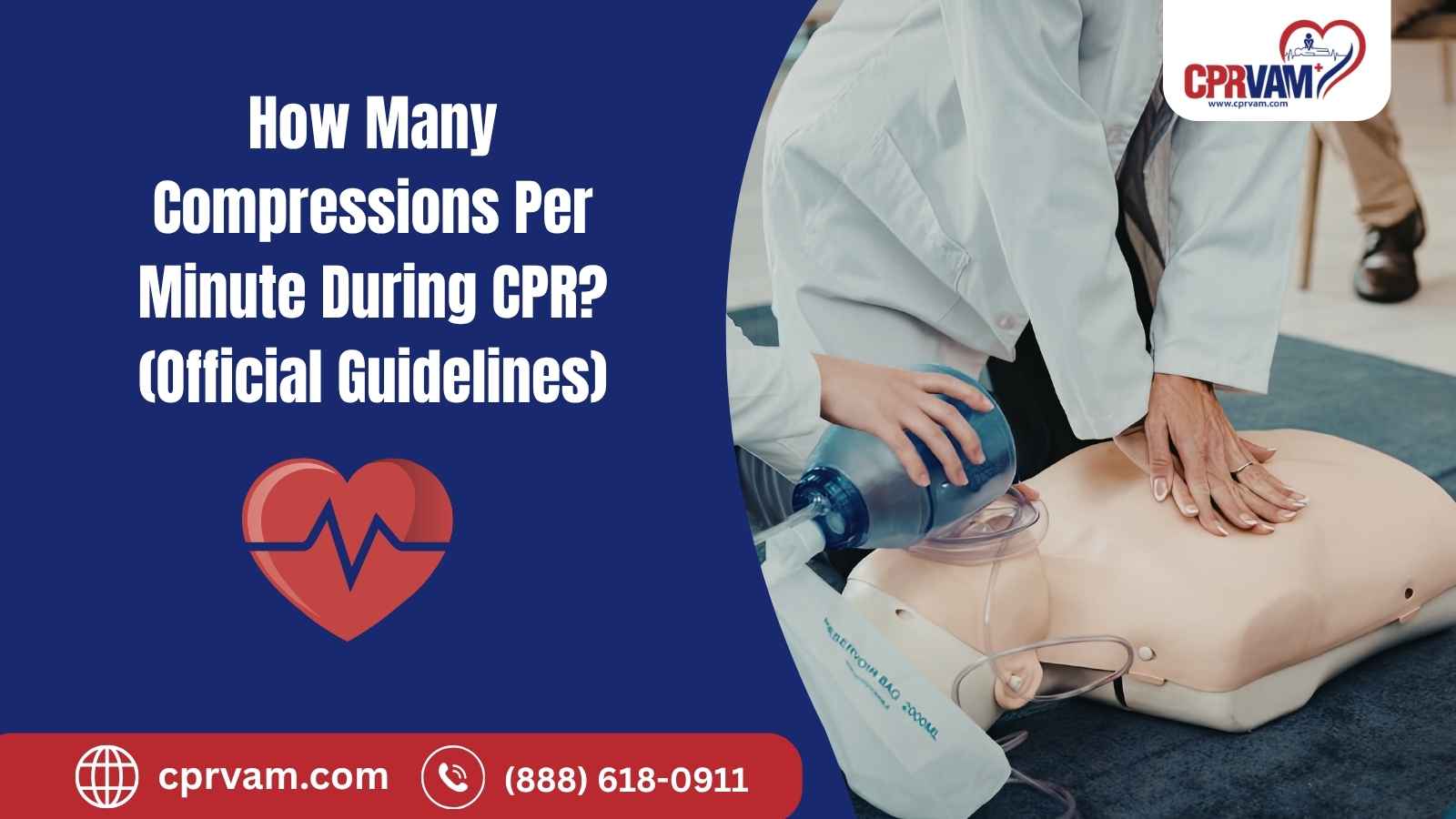
- Recognize cardiac arrest quickly and start CPR right away, using proper CPR techniques for effective compressions and ventilation.
- Give strong, steady chest compressions to keep blood flowing to vital organs and avoid common CPR mistakes that can reduce the chances of ROSC.
- Use an AED or manual defibrillator as soon as possible.
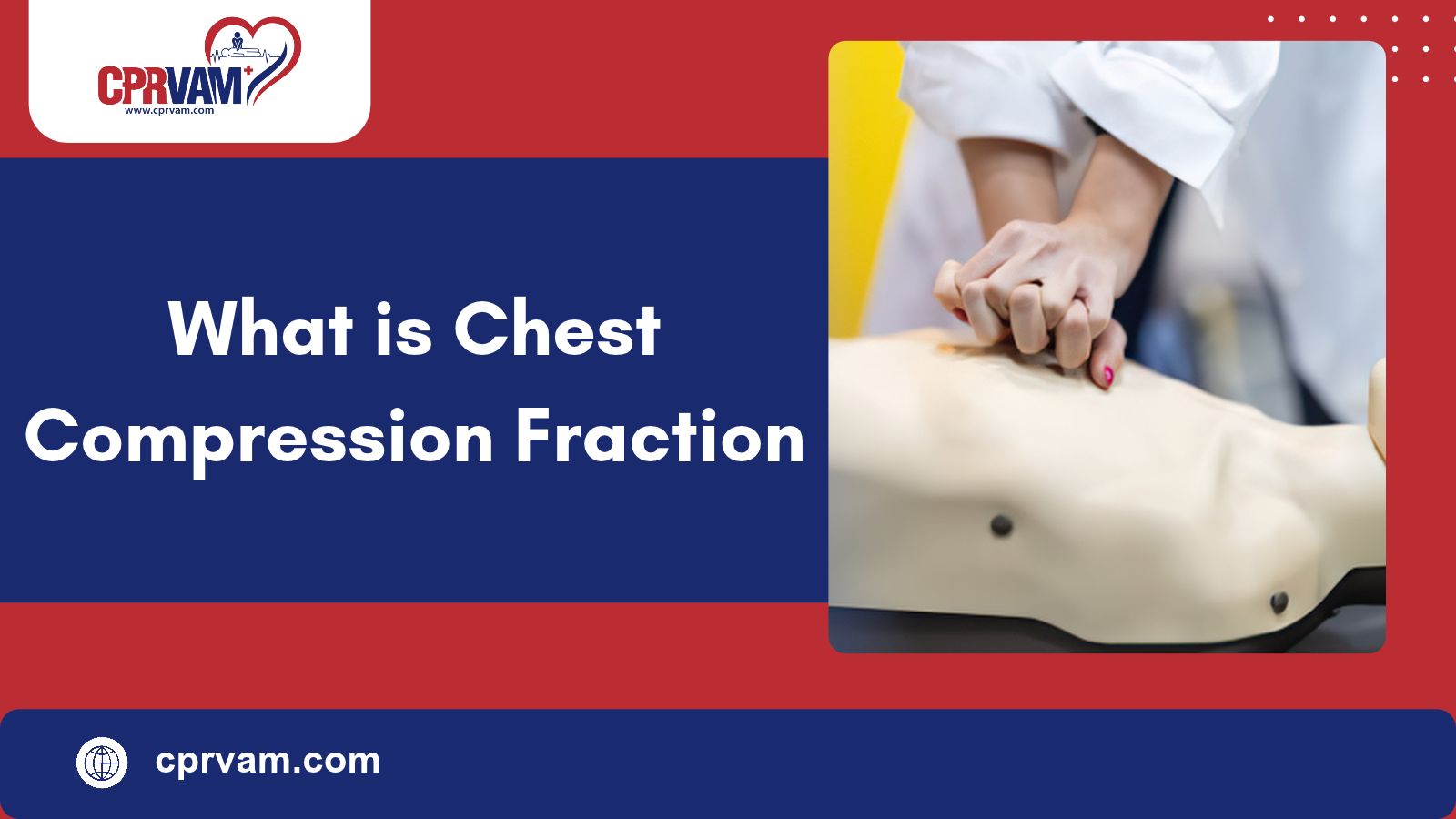
- Keep breaks during CPR very short to maintain a high chest compression fraction and good circulation.
- Provide proper breathing support with advanced airway management.
- Find and treat the root cause of cardiac arrest quickly.
- After ROSC, carefully monitor and stabilize the patient to prevent further emergencies.
These steps play a vital role in increasing the chances of survival. Quick CPR, timely use of a defibrillator, and proper medical support help improve the chances of successful resuscitation and a better recovery.
What Are the Signs of Successful ROSC?
Signs of successful Return of Spontaneous Circulation (ROSC) appear when the patient begins to regain important vital functions. Common signs include spontaneous breathing, purposeful movement or coughing, a detectable carotid or femoral pulse, measurable blood pressure, and an organized heart rhythm on the monitor. Another important indicator is a sudden and sustained rise in end-tidal CO₂ (ETCO₂) to 35-40 mmHg or higher, which often suggests that effective blood circulation has returned. Together, these signs confirm that blood is flowing to vital organs and signal the need for immediate pulse checks and post-ROSC care.
Here are the Key Signs of ROSC:
- Pulse and Heartbeat Return: A steady pulse and regular rhythm.
- Improved Blood Pressure: Circulation begins to stabilize.
- Spontaneous Breathing: The patient starts breathing on their own.
- Responsiveness: Signs of awareness or purposeful movement.
- Stable Vital Signs: Heart rate, blood pressure, and temperature improve.
- Neurological Activity: Eye opening or movement indicating brain function.
- Balanced Oxygen and Carbon Dioxide Levels: Normal blood gas readings.
What Priority Actions Should You Take When an Adult Patient Shows Signs of ROSC?
Achieving return of spontaneous circulation (ROSC) after a cardiac arrest is an important milestone, but it is only the beginning of the recovery journey. The moments and care provided immediately after resuscitation are critical. Medical teams must carefully monitor the patient, support vital functions like breathing and circulation, and quickly address any complications. These early steps can have a major impact on the patient’s chances of a full recovery and long-term health.
Some of the priority actions that you should take when an adult patient shows signs of ROSC:
- Keep the Airway Open: When an adult patient shows signs of ROSC, you have to keep the airway open, make sure they can breathe easily, and give just the right amount of oxygen to help them.
- Check Pulse and Blood Pressure: Regularly monitor their heart rate and blood pressure to make sure they stay stable and respond well to treatment.
- Get a 12-Lead ECG Quickly: A 12-lead ECG should be performed quickly to detect heart attacks or abnormal heart rhythms and guide prompt treatment.
- Start Cooling if Needed: Start cooling the patient carefully, as controlled body temperature helps protect the brain and supports better recovery after cardiac arrest.
- Treat the Underlying Cause: Treat the underlying cause and address the “Hs and Ts,” such as low oxygen or blood clots, to prevent the problem from returning.
- Transfer to Advanced Care: Transferring to advanced care is important so the ICU team can provide continuous monitoring and support.
What Are the Challenges and Complications in Achieving ROSC?
During cardiac arrest, restoring spontaneous circulation isn’t always easy and can pose a serious challenge. Sometimes, the heart doesn’t restart immediately, even after performing CPR, providing advanced medical care, or delivering an electric shock. This can occur for several reasons, particularly when the person experiences dangerous heart rhythms such as pulseless ventricular tachycardia (VT), ventricular fibrillation (VF), pulseless electrical activity (PEA), or asystole. These conditions make it harder for the heart to respond, and rescuers may need to continue life-saving efforts for a longer time to give the person the best chance of survival.
Even when Return of Spontaneous Circulation (ROSC) occurs, the patient may face critical health problems. This is known as post-cardiac arrest syndrome, which happens because the body goes through many changes after the heart restarts.
Some of the complications you need to know are as follows:
- A post-arrest brain injury occurs when the brain is deprived of oxygen during cardiac arrest, leading to potential damage.
- Post-arrest myocardial dysfunction occurs when the heart doesn’t pump effectively after it starts beating again.
- Systemic ischemia is a condition where the body’s tissues get an insufficient blood supply.
- Reperfusion response is the body’s reaction when blood flow returns to areas that were previously blocked.
- Existing health conditions can make a cardiac arrest more severe.
Immediate and comprehensive intensive care is essential to address these complications, closely monitor the patient, and provide the support needed for the best possible recovery.
Improving Survival After Cardiac Arrest Through ROSC
ROSC is a vital step in saving lives after cardiac arrest, but it marks only the beginning. Fast and effective resuscitation is crucial to restarting the heart and supporting circulation. Careful post-cardiac arrest care and management of post-cardiac arrest syndrome protect the brain and prevent complications. Treating the underlying cause helps reduce the risk of another cardiac arrest. Together, these steps improve survival rates and give patients the best chance for a full recovery.
Take Action, Save Lives! We are CPR VAM, an AHA Certified Training Center, with expert instructors teaching hands-on skills to respond to cardiac arrest confidently. Enroll in ACLS, BLS, PALS, CPR, and First Aid courses to master life-saving techniques, and learn how long your CPR certification remains valid so you can keep your skills current. Don’t wait. Equip yourself to save lives, improve outcomes after ROSC, and make a real difference. Sign up now and become a certified lifesaver!
FAQs About Return of Spontaneous Circulation (ROSC)
1. How Long Does ROSC Typically Last Before a Patient Stabilizes?
The stabilization period following ROSC varies significantly depending on the duration of cardiac arrest, the underlying cause, and the speed of post-arrest intervention. Most patients require 24 to 72 hours of intensive monitoring before clinicians can assess hemodynamic stability with reasonable confidence.
2. Can ROSC Occur Without CPR Being Performed?
In extremely rare cases, spontaneous cardiac activity may resume without any external intervention, a phenomenon closely related to Lazarus syndrome. However, this occurrence is highly uncommon and should never be relied upon, as immediate CPR remains the most critical determinant of survival.
3. Can a Patient Experience Multiple Episodes of ROSC During a Single Resuscitation?
Yes, a patient may experience repeated cycles of cardiac arrest and ROSC during a single resuscitation event, a condition sometimes referred to as recurrent cardiac arrest. Each episode increases the risk of cumulative organ damage, making rapid identification and treatment of the underlying cause critically important.
4. Can ROSC Happen Without Defibrillation?
Yes, ROSC can sometimes occur without defibrillation, especially in cases caused by respiratory failure, drug overdose, or reversible medical conditions. However, for shockable rhythms like ventricular fibrillation, early defibrillation significantly improves the chances of survival.
5. What Happens If ROSC Is Lost After It Is Achieved?
Sometimes patients can lose circulation again after initially achieving ROSC, which is called re-arrest. In these situations, immediate CPR and advanced cardiac life support interventions must begin as quickly as possible.