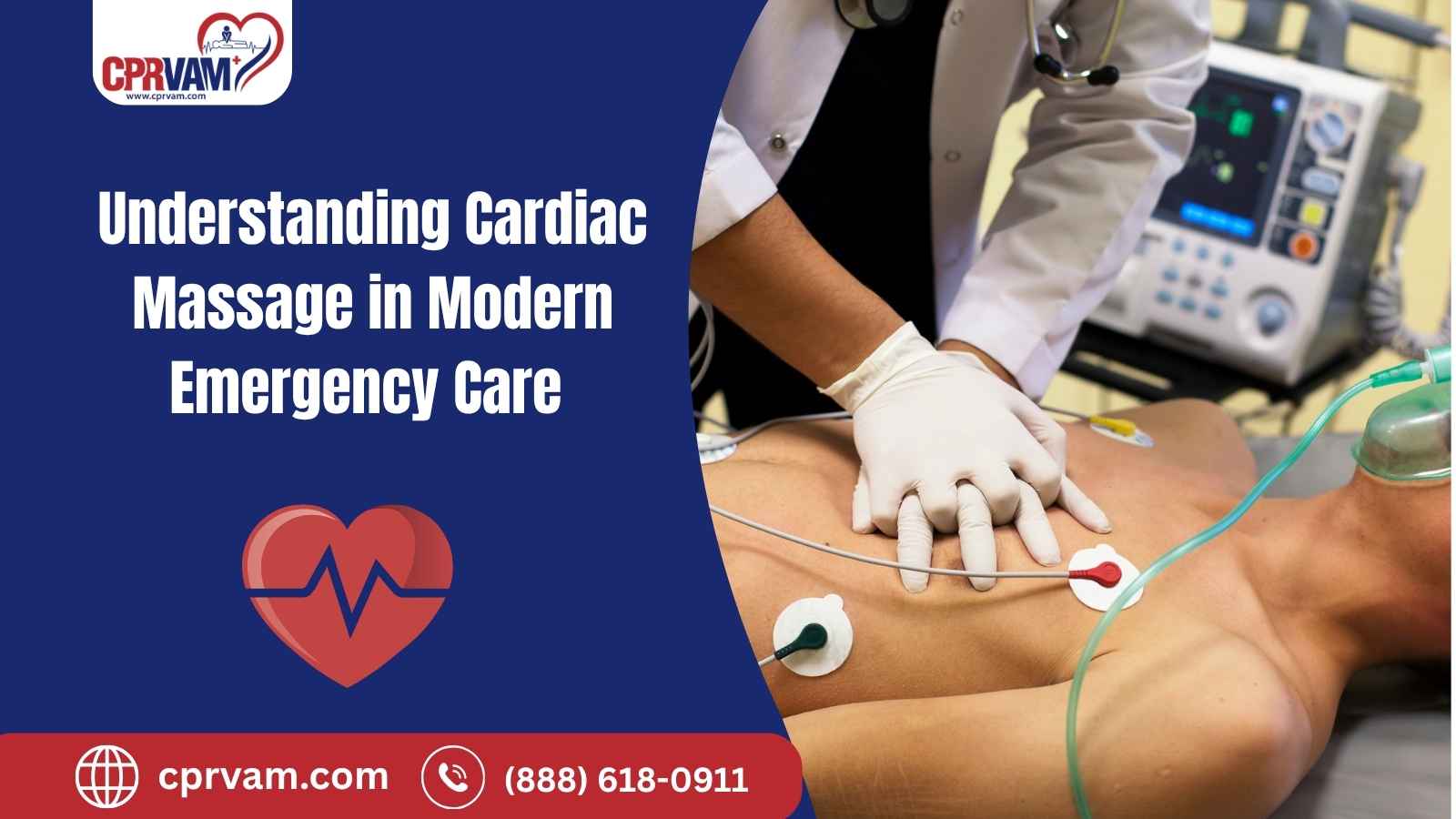





During CPR, rescuers performing chest compressions should alternate every 2 minutes or after 5 cycles of CPR to prevent fatigue and maintain high-quality compressions. Rescuers should switch sooner if the person performing compressions becomes tired before reaching the recommended interval. Regular rotation helps maintain high-quality chest compressions, which are essential for effective blood circulation during cardiac arrest.
Chest compressions are physically demanding, and fatigue can quickly reduce compression depth and consistency. By alternating roles regularly, CPR teams can maintain the proper compression rate and minimize interruptions during resuscitation. Smooth and timely role changes improve team coordination, support continuous oxygen delivery to vital organs, and increase the chances of a positive patient outcome during emergency situations.
In this article, you will learn why alternating compressions is important, how CPR teams rotate roles effectively, signs of rescuer fatigue, and how proper compression switching improves patient outcomes.
Why Alternating CPR Compressions Is Important
Alternating chest compression roles during CPR is essential to maintain consistent, high-quality compressions, which directly impact blood flow to the brain and heart. Because compressions require continuous force and precision, even trained rescuers begin to lose effectiveness within a short period due to fatigue.
As fatigue sets in, several critical aspects of CPR begin to decline:
- Compression depth decreases, reducing blood circulation
- The compression rate becomes inconsistent, affecting perfusion
- Chest recoil is incomplete, limiting heart refill between compressions
- Interruptions increase, disrupting oxygen delivery
Regularly alternating compressors helps prevent this decline by ensuring that each rescuer performs while still physically capable. This maintains the recommended compression depth and rate throughout the resuscitation effort.
In a team setting, timely rotation also improves coordination and reduces the likelihood of prolonged pauses. By switching roles proactively, before fatigue impacts performance, CPR teams can sustain effective circulation and significantly improve the chances of survival during cardiac arrest.
Why Switching Every Two Minutes or 5 Cycles of CPR Works?
Switching compressors every 2 minutes (or approximately 5 cycles of 30:2 CPR) is based on evidence showing that rescuer performance declines quickly under physical strain. Even trained providers begin to lose compression quality within 1.5 to 2 minutes, making this interval the most effective balance between performance and continuity.
This timing works for several key reasons:
Prevents performance decline before it becomes critical
Fatigue starts subtly, but by the 2-minute mark, compression depth and consistency often decrease. Early rotation maintains optimal quality.
Aligns with natural CPR checkpoints
Two minutes typically coincides with rhythm analysis or pulse checks, allowing teams to switch compressors without adding extra interruptions.
Maintains consistent compression depth and rate
Fresh rescuers are more likely to deliver compressions within the recommended range, ensuring effective blood circulation.
Supports team coordination and timing
A fixed interval makes it easier for the team leader or timer to track cycles and prompt smooth transitions.
Applies across CPR settings
While “5 cycles” is specific to 30:2 CPR, the 2-minute rule is universally used, including in advanced life support scenarios with continuous compressions.
By following this structured rotation interval, CPR teams can maintain high-quality compressions throughout the resuscitation effort while minimizing fatigue-related errors.
Team Roles Involved in Compression Rotation
Effective compression rotation during CPR depends on a well-coordinated team, where each member has a clearly defined role. These roles help ensure that chest compressions remain consistent, interruptions are minimized, and transitions occur smoothly during cardiac arrest emergencies.
Below are some of the roles that are involved in compression rotation:
Compressor
The compressor performs chest compressions at the correct rate and depth. Because this role is physically demanding, fatigue can quickly reduce compression quality. The compressor continues until the 2-minute mark or earlier if fatigue appears, then quickly hands over to the next rescuer to maintain uninterrupted CPR.
Airway Manager
The airway manager provides ventilation and manages the patient’s airway during CPR. They ensure oxygen delivery continues smoothly while compressions are being performed and during compressor switches. Their role helps prevent delays in breathing support during rotation.
Timer/Recorder
The timer or recorder tracks CPR timing and ensures compressors are switched at the correct intervals. They count 2-minute cycles or 5 CPR cycles and alert the team when it is time to rotate. This role helps maintain consistent timing and prevents fatigue-related performance drops.
Team Leader
The team leader coordinates the entire CPR process and directs when compression switches should occur. They ensure the next compressor is ready before the change, monitor CPR quality, and maintain clear communication. Their main goal is to keep transitions smooth and minimize interruptions in compressions.
How Team Roles Alternate During CPR
Team role alternation during CPR is a structured process designed to maintain continuous, high-quality chest compressions while minimizing fatigue-related decline. Effective rotation requires clear communication, timing discipline, and coordinated movement between team members.
1. Preparation Before the Switch
The next designated compressor positions themselves close to the patient before the rotation occurs. This ensures they are ready to take over immediately without delay.
The team leader or timer/recorder typically signals that the switch is approaching, often around the 2-minute mark or 5 CPR cycles.
2. Timing the Transition
Role changes are ideally performed during a natural pause in CPR, such as:
- Rhythm analysis
- Pulse check
- AED “no shock advised” pause
This helps ensure the interruption in compressions remains under 10 seconds.
3. Clear Communication
The switch is coordinated using concise verbal cues, such as:
- “Switch in 3, 2, 1”
- “Rotate compressors now”
This prevents confusion and ensures all team members act simultaneously.
4. Immediate Resumption of Compressions
The incoming compressor begins chest compressions immediately upon takeover, ensuring:
- Correct hand placement
- Proper depth and rate
- Full chest recoil
There should be no delay in restoring effective compressions.
5. Continuous Role Cycling
Once the switch is completed, the previous compressor transitions to another role (such as airway support or rest) and later re-enters rotation when needed. This cycle continues throughout resuscitation efforts.
Best Practices for Smooth Compression Switching
Smooth compression switching during CPR is essential to maintain uninterrupted, high-quality chest compressions and reduce the impact of rescuer fatigue. Effective transitions depend on preparation, communication, and strict timing discipline.
1. Prepare the Next Compressor Early
The incoming compressor should position itself close to the patient before the switch point. This ensures they are ready to take over immediately without hesitation, reducing delays during the handover.
- Absent or poorly defined P waves
- Irregularly irregular rhythm
- Variable R-R intervals
2. Follow the 2-Minute or 5-Cycle Rule
Compression switches should generally occur every 2 minutes or after 5 cycles of CPR. Following this timing helps prevent fatigue-related decline in compression depth, rate, and overall effectiveness.
3. Use Clear and Simple Communication
Team members should use short, direct verbal commands such as “switch now” or “rotate in 3, 2, 1.” Clear communication ensures all responders act together and reduces confusion during high-stress situations.
4. Minimize Interruptions in Chest Compressions
The goal during any switch is to keep pauses in compressions under 10 seconds. Transitions should ideally occur during rhythm checks or AED analysis to avoid unnecessary interruptions.
5. Maintain Proper Technique During Handover
The incoming compressor should immediately begin compressions with correct hand placement, depth, rate, and full chest recoil. There should be no delay in restoring effective circulation.
6. Assign Roles in Advance
Team roles should be clearly assigned before or early in the resuscitation effort. When everyone knows their responsibilities, transitions happen faster and with fewer errors.
7. Monitor Rescuer Fatigue Actively
The team leader should observe compression quality continuously. If fatigue is noticed before the scheduled switch, rotation should happen immediately to maintain CPR effectiveness.
Signs of CPR Fatigue That Rescuers Should Know
Recognizing fatigue during CPR is critical because even small declines in performance can reduce the effectiveness of chest compressions. Since rescuers often focus on the patient, early signs of fatigue can be subtle and easily missed without awareness.
1. Decreasing Compression Depth
One of the earliest and most important signs is a gradual reduction in compression depth. Shallow compressions fail to generate adequate blood flow to vital organs.
2. Inconsistent Compression Rate
A fatigued rescuer may struggle to maintain the recommended rate of 100–120 compressions per minute, leading to slower or uneven compressions.
3. Loss of Full Chest Recoil
Incomplete recoil becomes more common as fatigue sets in. This reduces the heart’s ability to refill between compressions and decreases circulation efficiency.
4. Visible Physical Strain
Physical signs often appear quickly, including:
- Heavy breathing
- Arm or shoulder shaking
- Slowed body movement
- Poor posture over the patient
These indicators suggest the rescuer is nearing exhaustion.
5. Increased Hesitation or Irregular Rhythm
Fatigue can affect coordination, leading to pauses, irregular timing, or loss of rhythm during compressions.
6. Verbal Request for Switch
In some cases, the rescuer may directly indicate fatigue and request replacement. This should be acted on immediately.
7. Monitor Rescuer Fatigue Actively
As exhaustion increases, attention to technique may drop, resulting in less precise hand placement or inconsistent compressions.
Key Takeaway
CPR teams should not wait for severe fatigue to occur. If any early signs appear, the compressor should be rotated immediately—ideally before performance deteriorates. Proactive switching every 2 minutes (or 5 cycles) helps prevent these issues and maintains high-quality CPR throughout resuscitation.
Impact of compression alteration on Patient Outcomes
High-quality chest compressions are the most critical factor in CPR effectiveness, and consistent compression quality directly influences patient survival during cardiac arrest. When compression performance declines due to fatigue, blood flow to the brain and heart is reduced, which can negatively affect outcomes.
Compression rotation helps maintain consistent CPR quality by preventing rescuer fatigue and ensuring continuous circulation throughout resuscitation.
1. Improved Blood Circulation
Regular rotation of compressors helps maintain adequate compression depth and rate. This ensures continuous blood flow to vital organs, especially the brain and heart, which is essential for increasing survival chances.
2. Better Oxygen Delivery to Organs
Consistent, high-quality compressions support oxygen transport throughout the body. When rotations are performed correctly, oxygen delivery remains more stable, reducing the risk of organ damage.
3. Increased Survival Rates
Studies and CPR guidelines show that high-quality CPR is strongly associated with improved survival outcomes. Compression rotation helps maintain that quality over time, especially during prolonged resuscitation efforts.
4. Reduced Risk of Neurological Damage
Continuous blood flow to the brain reduces the likelihood of hypoxic brain injury. By minimizing fatigue-related decline in compressions, rotation helps preserve neurological function.
5. Fewer Interruptions in CPR
Well-coordinated compression switching reduces unnecessary pauses in chest compressions. Shorter interruptions improve coronary and cerebral perfusion, which is critical during cardiac arrest.
6. More Effective Team Performance
Compression rotation improves overall team efficiency, allowing rescuers to maintain focus and perform their roles effectively without exhaustion. This leads to more controlled and organized resuscitation efforts.
Training for Effective CPR Role Rotation
Effective CPR depends not only on performing high-quality chest compressions but also on timely and well-coordinated team role rotation to prevent rescuer fatigue. Switching compressors every 2 minutes or after 5 cycles of CPR ensures that compression depth, rate, and consistency are maintained throughout resuscitation, directly improving blood flow to vital organs and patient outcomes. When teams follow structured role assignments, clear communication, and proper switching techniques, they can minimize interruptions and avoid common errors that reduce CPR effectiveness. Continuous training and practice in role rotation further strengthen teamwork and readiness, ultimately increasing the chances of survival during cardiac arrest emergencies.
If you want to strengthen your understanding of CPR team dynamics and develop confidence in real-world resuscitation scenarios, consider enrolling in structured certification programs such as Heartsaver CPR, BLS, ACLS, and PALS courses offered by CPR VAM. These programs focus on practical skill development, high-performance team coordination, and effective compression rotation techniques. With thousands of healthcare providers trained since 2003 and same-day certification available upon completion, CPR VAM helps learners build the skills needed to respond effectively in critical emergencies.