



Water fun can turn dangerous in ways you might not expect. Not all drowning happens in the moment. Sometimes, the real risk comes hours after leaving the pool, lake, or beach. Dry drowning and secondary drowning are rare but serious conditions that can appear after water exposure. Knowing the differences, spotting warning signs early, and acting quickly can save lives and prevent tragedy.
These post-water emergencies can be sneaky, affecting both kids and adults. Dry drowning happens when the airway spasms, while secondary drowning occurs when water reaches the lungs, causing inflammation. Both can be life-threatening if ignored.
This blog breaks down the symptoms, treatments, and prevention steps using trusted American health guidelines, helping you stay safe and ready in any water situation.
What Are Dry and Secondary Drowning, and Why Do They Matter?
Dry drowning and secondary drowning are rare but serious conditions that can appear after water exposure. Understanding their differences, causes, and warning signs is essential to prevent life-threatening complications.
Dry Drowning
Dry drowning happens when water irritates the airway, causing the vocal cords to suddenly spasm. This blocks airflow without water entering the lungs. Symptoms can appear within minutes to an hour, making quick recognition and action critical to prevent severe breathing problems or loss of consciousness.
Secondary Drowning
Secondary drowning occurs when water enters the lungs, leading to inflammation and fluid buildup. This makes it harder for oxygen to reach the bloodstream. Symptoms may develop hours after the water incident. Even if the person initially seems fine, a medical evaluation is crucial to avoid life-threatening complications.
These conditions are uncommon but can become life-threatening if not identified and treated promptly. Early recognition and immediate medical care are essential to prevent serious complications or death.
How Does Dry Drowning Happen, and Who Is at Risk?
Dry drowning occurs when even a small amount of water triggers the airway, causing the vocal cords to tighten. This can block airflow and make breathing difficult. Symptoms may appear within minutes to an hour, so early recognition and action are vital to prevent serious complications.
High-Risk Groups
Young Children: Most vulnerable due to smaller airways.
Adults: Anyone who accidentally inhales water while swimming, bathing, or diving.
Common Symptoms
Persistent Dry Cough: A dry cough that doesn’t go away and continues over time.
Shortness of Breath or Gasping: Difficulty breathing or sudden gasping for air.
Chest Tightness or Discomfort: Feeling of pressure, tightness, or pain in the chest.
Fatigue, Nausea, or Vomiting: Unusual tiredness, queasiness, or vomiting after swimming.
Confusion or Unusual Behavior: Acting disoriented, confused, or strangely after water exposure.
Pale or Bluish Skin: Skin appearing unusually pale or turning bluish.
Recognizing symptoms quickly is vital. Airway blockage can worsen in minutes. If untreated, it may lead to severe breathing problems or even loss of consciousness.
What Triggers Secondary Drowning, and How Is It Different?
Secondary drowning, also called delayed drowning, occurs when water enters the lungs, causing inflammation and fluid buildup. This limits oxygen delivery to the body. Symptoms may take hours to appear after leaving the water, making careful post-swim monitoring, early recognition, and prompt medical attention essential to prevent life-threatening complications.
Who Is at Risk
Children
Swimmers who inhale water
Anyone involved in water-related accidents
Key Symptoms
Persistent Coughing or Wheezing: Experiencing coughing or wheezing that doesn’t go away.
Difficulty Breathing: Struggling to breathe normally or feeling short of breath.
Chest Tightness or Pain: Feeling pressure, tightness, or pain in the chest area.
Fatigue or Lethargy: Feeling unusually tired, weak, or lacking energy.
Vomiting or Fever: Experiencing vomiting or a rise in body temperature.
- Skin Turning Pale or Blue: Noticing the skin becoming unusually pale or bluish.
A person may appear fine initially. However, hidden complications can develop later. Getting a medical evaluation is essential to ensure safety and prevent serious health risks.
What Are the Key Differences Between Dry and Secondary Drowning?
Dry drowning and secondary drowning are two distinct post-water emergencies. Understanding how they differ in cause, symptom timing, and risk factors can help caregivers and medical professionals act quickly. Recognizing these differences is vital to prevent serious complications or life-threatening situations, especially in children and swimmers.
Key Differences Between Dry Drowning and Secondary Drowning
Features | Dry Drowning | Secondary Drowning |
Water in Lungs | The airway spasms and blocks breathing without water entering the lungs, causing immediate difficulty in oxygen intake and requiring urgent recognition. | Water enters the lungs, leading to fluid buildup and inflammation, reducing oxygen delivery, often worsening over several hours if untreated. |
Symptoms Onset | Symptoms appear quickly, usually within minutes to one hour after leaving the water, including coughing, gasping, or breathing difficulties. | Symptoms develop slowly, sometimes up to eight hours after exposure, so monitoring is critical even if the person initially seems fine. |
Cause | Triggered by vocal cord spasm, which blocks airflow after minor water exposure, preventing oxygen from reaching the lungs. | Caused by water in the lungs, which inflames tissue and accumulates fluid, making oxygen transfer to the bloodstream difficult. |
Infection Risk | Low, because the lungs remain mostly dry, with minimal risk of secondary infections like pneumonia. | Higher, especially if the water was dirty or contaminated, increasing the risk of infection and pulmonary complications. |
Medical Urgency | Immediate recognition and action are critical to prevent severe breathing problems or loss of consciousness. | Medical evaluation is essential even if symptoms are delayed, to prevent serious complications and ensure oxygen levels remain safe. |
Who is Most at Risk | Young children with smaller airways and adults who accidentally inhale water are most vulnerable to sudden airway spasms. | Children, swimmers who inhale water, and anyone involved in water accidents are at risk for delayed lung complications. |
Prevention Strategies | Supervise children closely, teach swimming skills, use life jackets, and watch for signs of immediate distress. | Monitor anyone after water exposure for several hours, use proper flotation devices, and seek medical evaluation for any concerning symptoms. |
How Should Dry and Secondary Drowning Be Managed?
Dry drowning and secondary drowning are medical emergencies that require quick, organized action. Early recognition, rapid response, and proper intervention can save lives. Following step-by-step safety, removal, CPR, and medical care guidelines is critical for survival and recovery.
Here are the steps to manage the Dry and Secondary Drowning:
Step 1: Ensure Safety
Before approaching the person, survey the environment carefully. Look for hazards like slippery surfaces, strong currents, or floating debris. Ensuring the area is safe protects you and prevents additional accidents, making your rescue attempt effective and secure for both you and the victim.
If you are unsure about entering the water, use flotation devices, reach poles, or rescue tools. Always protect yourself and stay alert. Being cautious allows you to assist safely without putting yourself at risk, while preparing to act quickly for the victim’s well-being.
Step 2: Remove the Person Safely
Support the head, neck, and spine while removing the person from the water. Proper alignment is critical, especially if spinal or head injuries are possible. Moving slowly and deliberately prevents further harm and allows you to check for immediate medical needs.
Place the victim on a flat, dry surface. Avoid sudden or rough movements that could worsen injury or compromise breathing. Gentle handling protects the airway, reduces pain, and positions the person for assessment and prompt emergency intervention.
Step 3: Call Emergency Medical Services (EMS)
Even if the person seems stable, call 911 immediately. Water-related incidents can lead to delayed complications like breathing difficulties or heart issues. Early EMS involvement ensures professional care is available as soon as possible, improving survival and recovery chances.
Provide clear information about the incident to EMS, including water type, observed symptoms, timing, and details of the accident. Accurate communication helps responders prepare and act effectively upon arrival, ensuring the person receives the right medical care quickly.
Step 4: Administer CPR When Needed
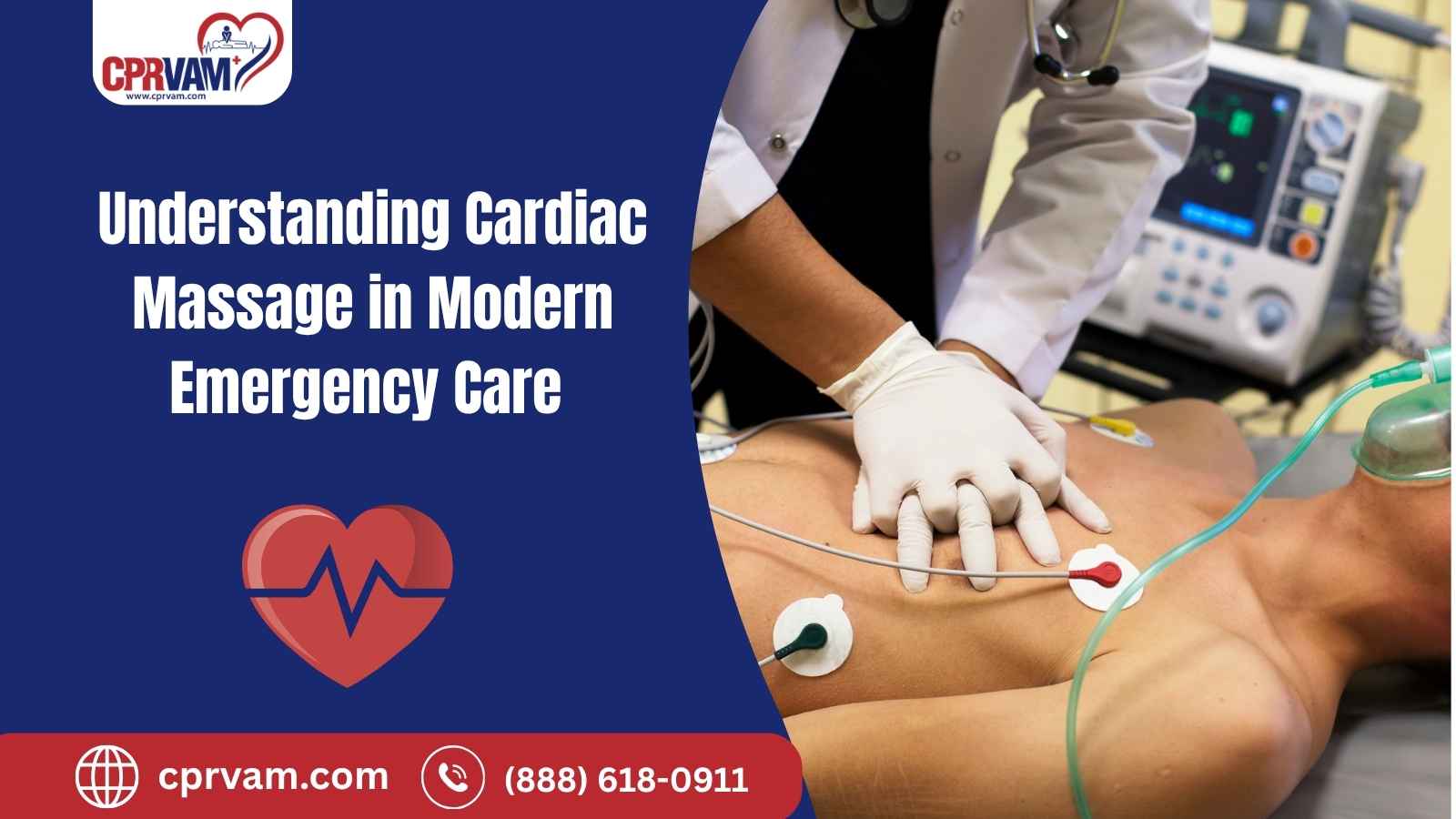
If the person is not breathing, begin CPR immediately. Follow American Heart Association guidelines with 30 chest compressions followed by 2 rescue breaths. Compression depth should be 2 inches for adults and 1.5 inches for children to ensure proper blood flow.
Use an AED if available, following the device’s instructions. Continuous, correct compressions and rescue breaths help maintain oxygen delivery to the brain and vital organs. Prompt CPR increases the chances of survival until professional help arrives.
Step 5: Monitor and Seek Medical Care
After rescue, continue monitoring for delayed symptoms like coughing, shortness of breath, fatigue, or confusion. Water-related injuries can appear hours later, so careful observation is necessary to detect complications early and provide timely medical care.
Hospital care may involve oxygen monitoring, lung evaluation, and treatment to prevent complications such as pulmonary edema or infection. Continuous professional care ensures recovery, identifies hidden problems, and reduces the risk of long-term health issues following a drowning incident.
How Can Dry and Secondary Drowning Be Prevented?
Prevention is the most effective way to avoid dry or secondary drowning. Close supervision, proper safety measures, and prompt monitoring after water activities can drastically reduce risks. Following precautions helps protect children and adults from life-threatening post-water emergencies.
Key Prevention Steps:
Always supervise children closely whenever they are near pools, lakes, or any body of water and never leave them unattended.
Ensure that all caregivers and adults around children are trained in CPR and basic water rescue techniques in case of an emergency.
Provide properly fitting life jackets or approved flotation devices to anyone in or near water, especially young children and non-swimmers.
Encourage swimming only in areas where trained lifeguards are present so they can respond immediately to any accidents.
Avoid risky or rough play in the water, such as pushing, dunking, or horseplay, which can increase the chance of injury.
Teach children and beginners essential swimming and water safety skills to reduce the risk of drowning.
After any water-related incident, monitor the person carefully for several hours for delayed symptoms like coughing, fatigue, or difficulty breathing.
According to the World Health Organization, up to 90% of drowning incidents are preventable with proper supervision, safety equipment, and awareness. Prevention saves lives and ensures safe, enjoyable water experiences for everyone.
Why Is CPR Critical After a Water Incident?
CPR is essential after a water-related emergency because it helps maintain oxygen flow to the brain and vital organs until professional help arrives. Prompt CPR prevents brain damage, cardiac arrest, or death, significantly improving survival chances. Checking responsiveness is the first step.
What You Should Remember:
Check the victim’s responsiveness before starting CPR by tapping their shoulder and asking loudly if they are okay.
Start CPR immediately if the victim is not breathing or only gasping.
CPR without rescue breaths is acceptable if you are unsure about giving rescue breaths.
Always call EMS (911) while performing CPR to ensure professional care is on the way.
Continue CPR until the person starts breathing or help arrives.
Monitor the victim’s pulse, breathing, and responsiveness continuously during the rescue.
Recognize, Respond, and Prevent Dry & Secondary Drowning Today
Dry and secondary drowning are uncommon but can be life-threatening. Breathing difficulties may appear hours after leaving the water, even if the person initially seems fine. Vigilance, early recognition, prompt CPR, and professional evaluation are crucial to prevent serious outcomes.
Awareness, prevention, and preparedness are the best ways to protect yourself and your loved ones around water. Always supervise children, use flotation devices, and be trained in life-saving skills. At CPR VAM Training Center, you can learn CPR for all fields, from home emergencies to professional settings. Take action today, your knowledge could save a life.
FAQs: What You Need to Know About Dry & Secondary Drowning
1. Can Adults Also Experience Dry or Secondary Drowning?
Yes. Adults who accidentally inhale water while swimming, bathing, or diving are at risk. Even healthy adults can develop life-threatening post-water complications if symptoms are ignored.
2. How Is Dry Drowning Treated Differently From Secondary Drowning?
Dry drowning requires immediate airway support and monitoring due to sudden vocal cord spasm. Secondary drowning treatment focuses on oxygen therapy, lung evaluation, and managing fluid buildup in the lungs.
3. How Long Should Someone Be Monitored After a Water Incident?
Monitoring should continue for at least 8 hours after leaving the water. Early detection of delayed symptoms can prevent severe complications and ensure timely medical care.
4. Are These Conditions Common in Swimming Pools or Natural Water Bodies?
Both dry and secondary drowning can occur in any water setting, including pools, lakes, rivers, or bathtubs. Contaminated water increases secondary drowning risks due to potential infection.
5. Can Someone Recover Fully From Dry or Secondary Drowning?
Yes. With prompt medical attention, proper monitoring, and treatment, most individuals recover fully. Awareness, early intervention, and preventive measures significantly improve outcomes.