
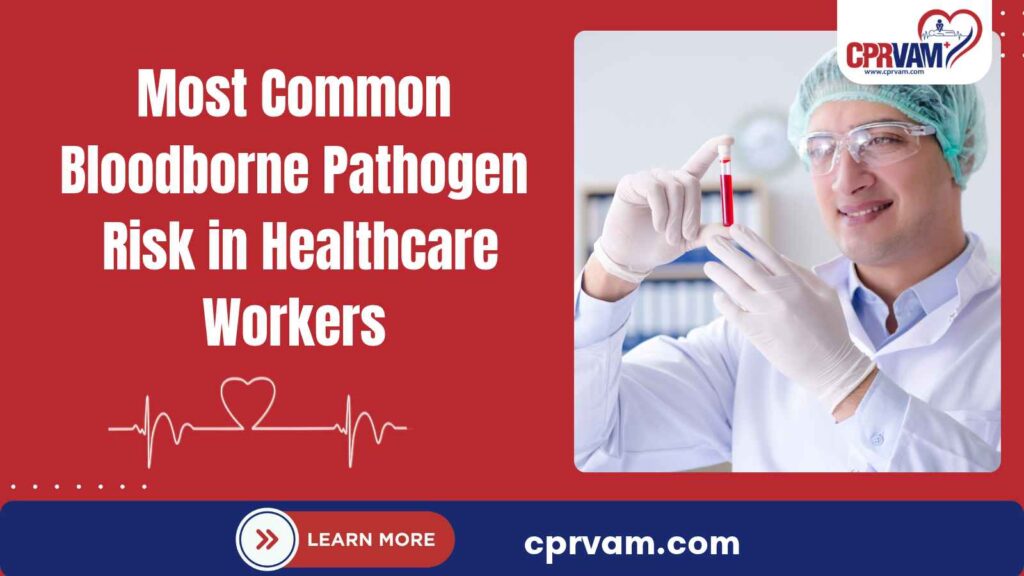
Needlestick and other sharps injuries are among the most common occupational risks of bloodborne pathogen exposure in healthcare settings. Healthcare workers regularly use needles, scalpels, lancets, and other sharp instruments when caring for patients. If a contaminated instrument accidentally cuts or punctures the skin, infected blood may enter the body and cause an infection.
These injuries can happen during everyday tasks such as giving injections, collecting blood, inserting IV lines, and performing surgery. They can also affect cleaning staff and other workers who handle medical waste.
The Centers for Disease Control and Prevention (CDC) has reported an estimate of approximately 385,000 needle stick and other sharp injuries each year among hospital-based healthcare personnel in the United States. This is an older estimate, but it shows how common these injuries can be in healthcare settings.
This blog explains what bloodborne pathogens are, how they spread, how to prevent exposure, and what to do after an injury to help protect healthcare workers and patients.
What Are Bloodborne Pathogens?
Bloodborne pathogens are viruses and other infectious microorganisms that can spread through human blood and certain other potentially infectious materials. They can enter the body through a puncture wound, broken skin, or the eyes, nose, or mouth.
Three important bloodborne viruses that healthcare workers should know about are:
1. Hepatitis B Virus (HBV)
This virus affects the liver. It can cause short-term illness or long-term infection, which may lead to serious liver damage. HBV can be highly infectious, especially in workers who have not been vaccinated or developed immunity.
2. Hepatitis C Virus (HCV)
This virus also affects the liver. Long-term infection can cause liver scarring, cirrhosis, and liver cancer. There is no vaccine for hepatitis C, but effective treatments are available.
3. Human Immunodeficiency Virus (HIV)
HIV attacks the immune system and makes it harder for the body to fight infections. Although there is no cure, treatment can control the virus and help people live healthy lives.
Exposure does not always lead to infection. The risk depends on the type of pathogen, the amount of infected blood involved, the nature of the exposure, and the healthcare worker’s immunity.
How Do Bloodborne Pathogens Spread?
Bloodborne pathogens can spread when infected blood or certain other potentially infectious materials enter the body. Healthcare workers may be exposed in three main ways.
1. Needlestick and Sharps Injuries
A needlestick injury occurs when a contaminated needle accidentally punctures the skin. This can happen during injections, blood collection, or IV procedures, allowing infected blood to enter the body.
2. Cuts From Contaminated Sharps
Used scalpels, lancets, broken glass, and other sharp objects can cause cuts or punctures. Healthcare workers may get injured while performing procedures, handling medical equipment, or disposing of used sharps.
3. Contact With Broken Skin
Infected blood can enter the body through cuts, scratches, or open wounds. Skin conditions such as dermatitis can also increase exposure risk when damaged skin comes into contact with infected blood.
4. Splashes Into the Eyes, Nose, or Mouth
Blood or other potentially infectious materials can enter through the eyes, nose, or mouth. This may happen during surgery, wound care, or suctioning, making proper protective equipment essential.
5. Contact With Contaminated Materials
Healthcare workers may be exposed when handling contaminated medical equipment, surfaces, or waste. If infected blood reaches broken skin or the eyes, nose, or mouth, it can create a risk of infection.
6. Improper Handling of Used Needles
Recapping, passing, or disposing of used needles incorrectly can lead to accidental injuries. Placing used needles directly into approved sharps containers helps reduce exposure risks for healthcare workers and cleaning staff.
Remember: Blood contacting healthy, unbroken skin does not generally spread bloodborne infections. However, workers should wash the area promptly and report any exposure involving broken skin or another possible route of entry.
Why Do Needlestick Injuries Happen?
Healthcare workers handle needles and sharp instruments throughout their shifts. Busy schedules, frequent procedures, and unsafe handling practices can increase the chance of accidental injuries.
Some common causes include:
Frequent Procedures: Blood collection, injections, and IV placement require regular handling of needles.
Busy Work Environments: Emergencies, heavy workloads, and time pressure can make safe handling more difficult.
Fatigue and Distraction: Long shifts and interruptions may reduce concentration.
Unsafe Handling: Recapping used needles by hand or passing sharp instruments carelessly can cause injuries.
Improper Disposal: Used needles left on work surfaces or placed in regular trash can injure other workers.
Overfilled Sharps Containers: Containers that have reached their fill line may expose workers to used needles and other sharp objects.
These injuries do not always happen because of individual mistakes. Workplace conditions, equipment, and safety procedures also play an important role.
Common Healthcare Activities That Carry Exposure Risks
Needlestick and sharp injuries can happen in almost any healthcare department. Some activities involve more frequent contact with needles, sharp instruments, or blood.
Blood Collection
Phlebotomists and other healthcare workers use needles to collect blood samples. Injuries may occur during needle removal, handling, or disposal.Giving Injections
Needles used to administer vaccines and medicines can cause accidental punctures, especially if a patient moves unexpectedly or the needle is handled incorrectly.IV Catheter Procedures
Inserting and removing IV catheters involves sharp devices. Workers may be injured if the needle or safety mechanism is not handled correctly.Surgical Procedures
Surgeons, nurses, and operating room staff use scalpels, suture needles, and other sharp instruments. Accidental cuts and punctures can happen while using or passing these instruments.Blood Glucose Testing
Used lancets can cause injuries if they are left on bedside tables, placed in regular waste, or handled carelessly.Medical Waste Handling
Cleaning staff and waste handlers may be injured when used needles are placed in regular trash instead of approved sharps containers.
Who Is at Risk of Bloodborne Pathogen Exposure?
Any worker whose job involves expected contact with blood or other potentially infectious materials may face exposure risks.
This includes:
- Nurses and nursing assistants
- Doctors, surgeons, and medical residents
- Phlebotomists and laboratory technicians
- Dentists and dental assistants
- Emergency medical technicians (EMTs) and paramedics
- Operating room staff
- Housekeeping and cleaning personnel
- Laundry and medical waste handlers
The level of risk depends on each person’s duties, the procedures they perform, and the safety measures available at work.
How Can Healthcare Workers Prevent Bloodborne Pathogen Exposure?
Preventing exposure requires safe equipment, proper training, and consistent infection prevention practices. Healthcare workers should follow safety procedures, while employers must provide the equipment and resources needed to protect their staff.
1. Use Safety-Engineered Medical Devices
Safety-engineered devices are designed to reduce accidental needle injuries. Examples include retractable needles, needles with protective shields, and needleless IV systems.
Use the appropriate device for each procedure and activate its safety feature according to the manufacturer’s instructions. Healthcare facilities should also involve frontline workers when selecting safer equipment.
2. Avoid Recapping Used Needles
Recapping a used needle by hand can cause an accidental puncture. Whenever possible, place used needles directly into an approved sharps container without recapping them.
If a procedure requires recapping, follow an approved one-handed technique or use a mechanical device. Always follow your facility’s safety guidelines.
3. Dispose of Sharps Properly
Correct disposal protects healthcare workers, cleaning staff, and waste handlers.
Follow these practices:
- Place used needles and lancets directly into approved sharps containers.
- Keep containers close to the area where procedures are performed.
- Never put used sharps in regular trash.
- Never reach inside a sharps container.
- Do not push sharps down to create more space.
- Replace containers when they reach the manufacturer’s marked fill line or the facility’s approved replacement level.
4. Wear Appropriate Personal Protective Equipment
Personal protective equipment (PPE) helps prevent direct contact with blood and other potentially infectious materials.
Depending on the procedure, PPE may include:
- Medical gloves
- Protective gowns or aprons
- Safety goggles
- Face shields
- Masks
Gloves help reduce contact with blood, but they cannot completely prevent a needle from puncturing the skin. Eye and face protection are also important when splashes are possible.
5. Follow Standard Precautions
Standard Precautions are basic infection prevention practices used during patient care. They involve treating blood and certain other body fluids as potentially infectious, even when a patient is not known to have an infection.
Healthcare workers should:
- Perform hand hygiene at the appropriate times.
- Wear PPE suitable for each task.
- Handle needles and sharp instruments carefully.
- Follow safe injection practices.
- Clean and disinfect medical equipment and surfaces correctly.
- Dispose of contaminated materials safely.
Following these practices helps protect both healthcare workers and patients.
6. Get Vaccinated Against Hepatitis B
The hepatitis B vaccine protects against HBV infection and is an important part of workplace safety.
Healthcare workers with occupational exposure risks should receive the vaccine according to current recommendations and workplace requirements.
Under the US OSHA Bloodborne Pathogens Standard, covered employers must offer hepatitis B vaccination at no cost to eligible employees within 10 working days of initial assignment to work involving occupational exposure, subject to the standard’s conditions.
The vaccine does not protect against hepatitis C or HIV, so other safety measures are still necessary.
7. Complete Regular Safety Training
Training helps healthcare workers understand exposure risks and follow safe work practices.
Bloodborne pathogen training should cover:
- Common bloodborne infections and how they spread
- Safe needle and sharps handling
- Proper use of PPE
- Medical waste disposal
- Exposure reporting procedures
- Immediate first aid after exposure
- Post-exposure medical care and follow-up
Under OSHA requirements in the United States, employees with occupational exposure must receive training when assigned to relevant tasks and at least once a year afterward.
What Should You Do After a Needlestick or Blood Exposure?
Even with proper safety measures, accidental exposure can happen. If it does, act quickly. Prompt first aid, reporting, and medical evaluation can help reduce the risk of infection and ensure you receive appropriate care.
Step 1: Clean the Exposed Area
If a needle or sharp object punctures your skin, wash the area with soap and water.
If blood or potentially infectious material enters your nose or mouth, rinse the area with water. For eye exposure, flush the eyes with clean water, saline, or a sterile irrigant.
Do not squeeze or scrub the wound. Avoid applying bleach or other harsh chemicals.
Step 2: Report the Incident
Inform your supervisor, occupational health department, or designated safety officer as soon as possible.
Report the incident even if the injury looks minor or the source patient’s infection status is unknown. Early reporting helps arrange medical care and follow-up.
Step 3: Get Medical Attention
Seek medical evaluation immediately. A healthcare professional will assess:
- The type of injury or exposure
- The body fluid involved
- Whether the skin was broken
- The possible infection status of the source patient
- Your hepatitis B vaccination and immunity status
This assessment helps determine whether testing or preventive treatment is needed.
Step 4: Ask About Post-Exposure Prophylaxis
Post-exposure prophylaxis (PEP) is preventive treatment given after a possible exposure to reduce the chance of infection.
The recommended response depends on the type of pathogen and the circumstances of the exposure.
HIV: If HIV PEP is recommended, it should be started as soon as possible and no later than 72 hours after exposure.
Hepatitis B: Depending on your vaccination and immunity status, a healthcare professional may recommend hepatitis B vaccine, hepatitis B immune globulin (HBIG), or both.
Hepatitis C: There is currently no recommended medication to prevent HCV infection immediately after exposure. Instead, follow-up testing helps identify infection early so treatment can begin if needed.
Do not wait for symptoms before seeking medical care. A qualified healthcare professional should decide which treatment or testing is appropriate.
Step 5: Complete Follow-Up Testing
Your healthcare provider may recommend blood tests immediately after exposure and at later appointments.
The testing schedule depends on the pathogen, the source patient’s results, and your medical history. For hepatitis C, CDC guidance recommends follow-up testing at approximately 3–6 weeks in certain exposure situations, followed by another test at 4–6 months when indicated.
Attend all scheduled appointments and follow your occupational health team’s advice.
OSHA Requirements for Bloodborne Pathogen Safety
Preventing bloodborne pathogen exposure is a shared responsibility. Healthcare workers must follow safety procedures, while employers must provide a safe working environment, appropriate equipment, and proper training.
In the United States, the Occupational Safety and Health Administration (OSHA) Bloodborne Pathogens Standard (29 CFR 1910.1030) sets requirements for covered workplaces.
Employer responsibilities include:
- Maintaining a written Exposure Control Plan and reviewing it at least annually.
- Identifying jobs and tasks that may involve occupational exposure.
- Considering safer medical devices and involving frontline employees in their selection.
- Providing appropriate PPE at no cost to employees.
- Offering hepatitis B vaccination at no cost to eligible employees within the required time.
- Providing bloodborne pathogen training at initial assignment and at least annually.
- Arranging confidential post-exposure medical evaluation and follow-up at no cost to employees.
- Maintaining a sharps injury log when required by OSHA recordkeeping rules.
These measures help reduce preventable injuries and ensure that workers can report exposure incidents and receive appropriate care.
Note: OSHA requirements apply to covered workplaces in the United States. Healthcare facilities in other countries should follow their national workplace safety laws and local clinical guidelines.
How to Prevent Bloodborne Pathogen Exposure in Healthcare Settings
Needlestick and other sharps injuries are common occupational risks for healthcare workers, but many can be prevented through safe handling practices, appropriate PPE, safety-engineered devices, and proper sharps disposal. Regular training and employer support also help create a safer healthcare environment.
If exposure occurs, immediate first aid, prompt reporting, and medical evaluation are essential. Healthcare workers can strengthen their safety knowledge and clinical skills through professional training at CPR VAM Training Center, which offers Bloodborne Pathogens, CPR, BLS, ACLS, and PALS courses. Explore the courses and enroll today!
Frequently Asked Questions
1. Can I Get a Bloodborne Infection From a Needlestick if the Needle Looks Clean?
Yes. A needle can carry infectious blood even if it looks clean. You cannot determine whether a used needle is contaminated by its appearance. Report the injury and seek medical evaluation promptly.
2. What Should I Do if I Get Injured by a Discarded Needle?
Wash the injured area immediately with soap and water. Do not handle, recap, or attempt to remove the discarded needle yourself. Report the incident and seek medical assessment to determine whether testing or follow-up care is needed.
3. Can I Continue Working After a Needlestick Injury?
Whether you can continue working depends on the injury and your medical assessment. A healthcare professional can advise whether you need temporary work restrictions or other precautions. Always report the exposure, even if you feel completely well.
4. Does Completing Hepatitis B Vaccination Mean I Am Fully Protected?
Not necessarily, because some people do not develop enough protective antibodies after vaccination. Healthcare workers with occupational exposure should follow recommended post-vaccination antibody testing. If the results show inadequate protection, a healthcare professional can recommend additional vaccination or follow-up.
5. Can Bloodborne Pathogens Spread Through Sweat, Tears, or Saliva?
Generally, sweat, tears, and saliva are not considered infectious materials under OSHA’s Bloodborne Pathogens Standard unless they contain visible blood. The risk
References
Medical Disclaimer: This article is for general educational and workplace safety purposes. It does not replace professional medical advice, current clinical guidelines, or facility-specific exposure procedures. If you experience a needlestick injury or possible bloodborne pathogen exposure, seek immediate medical evaluation.