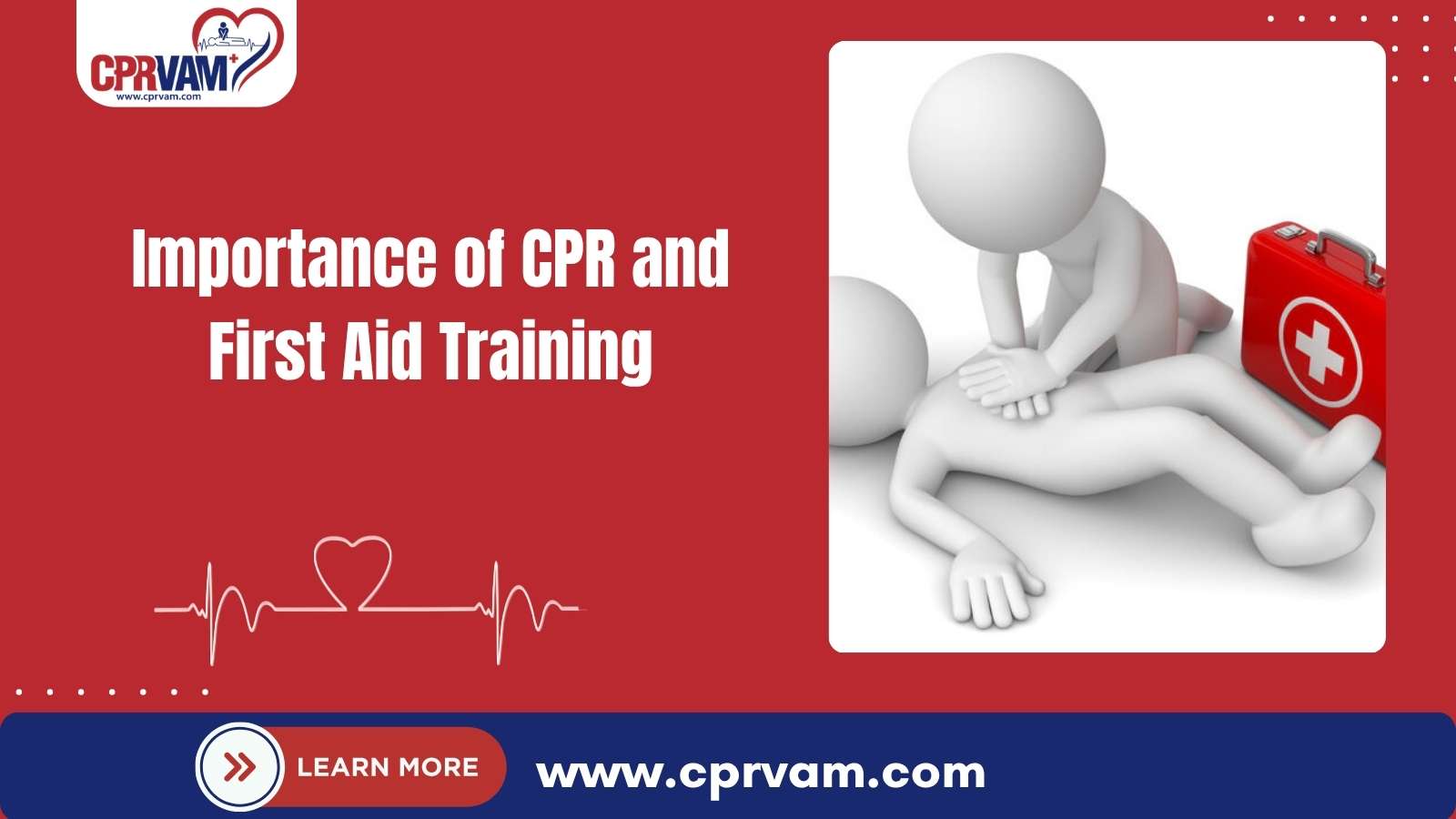
CPR and First Aid training play a vital role in emergency preparedness, empowering individuals with life-saving skills that can make a critical difference before professional medical help arrives. In situations such as cardiac arrest, choking, severe bleeding, or sudden injuries, immediate action can significantly improve survival rates and reduce complications. Understanding the importance of CPR and First Aid training helps build safer homes, workplaces, and communities.
Learning Cardiopulmonary Resuscitation (CPR) and First Aid is not just for healthcare professionals; it is an essential skill set for everyday people. These trainings equip individuals with the confidence to respond quickly and effectively during medical emergencies, protect the brain from oxygen deprivation, and prevent minor injuries from becoming severe. From schools and offices to public spaces and homes, trained responders are often the first line of defense in saving lives.
This blog highlights the importance of CPR and First Aid training, explains who should get certified, and outlines how these essential skills can help you respond confidently in emergencies.
What is CPR Training?
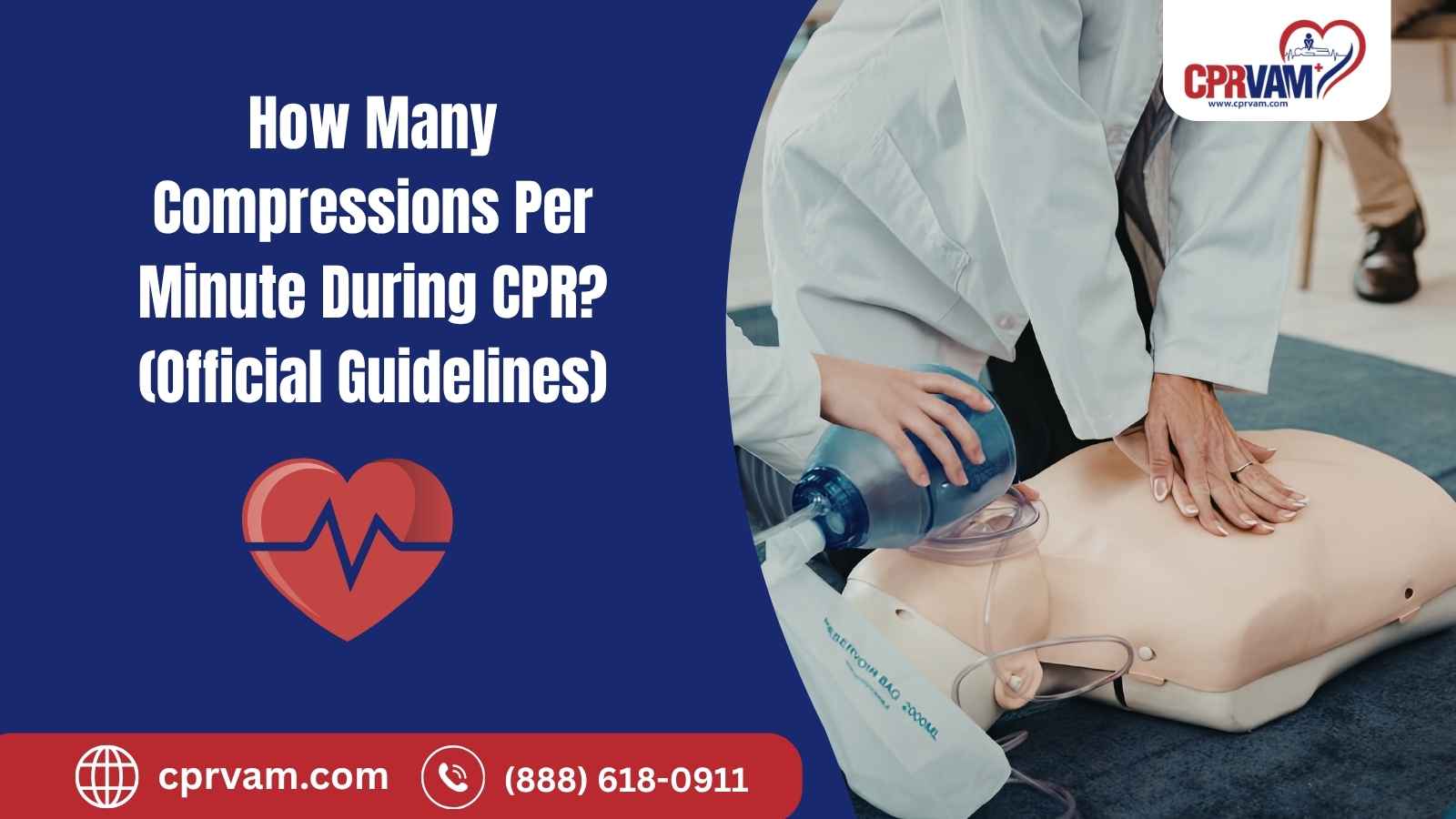
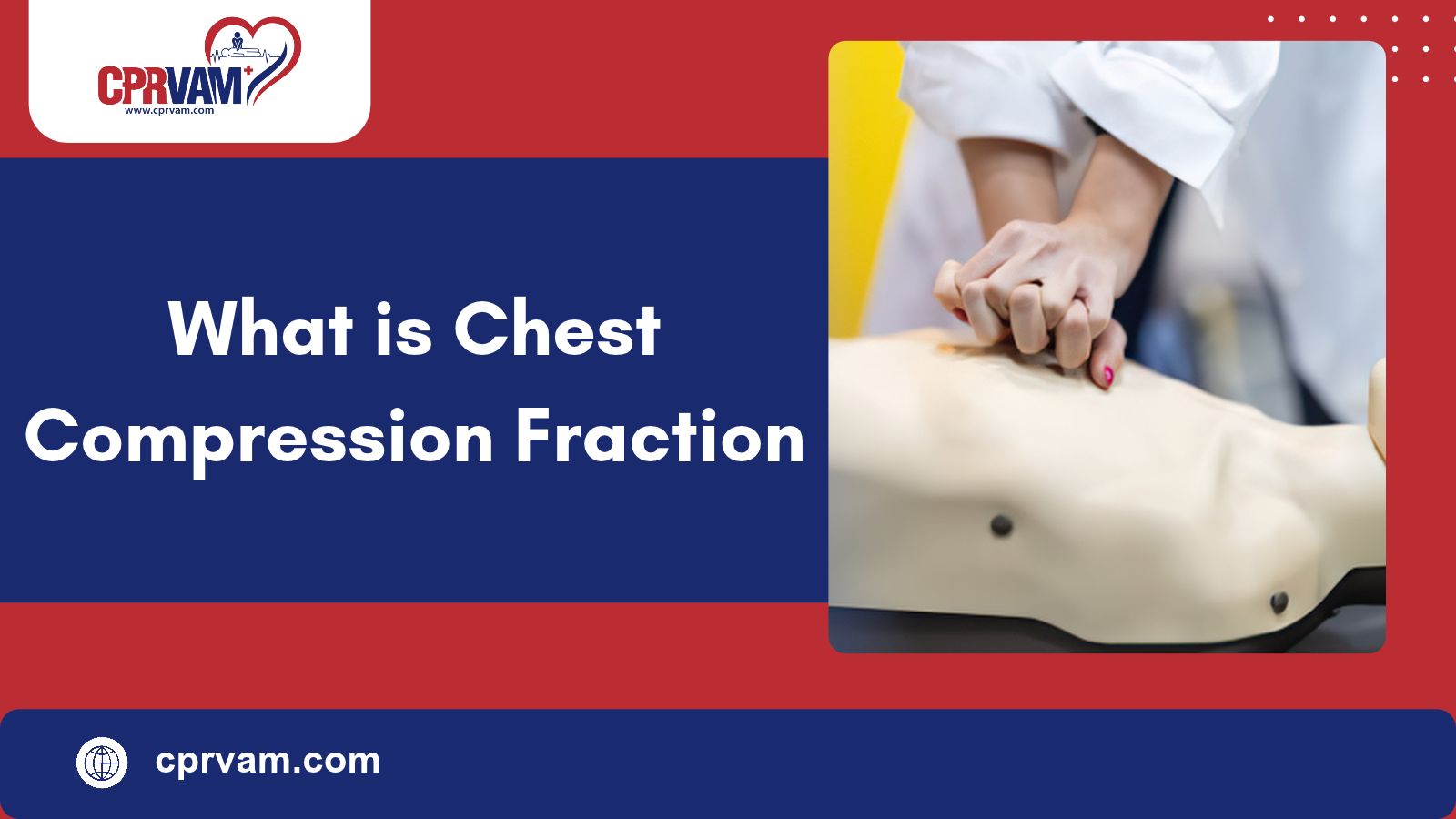
Cardiopulmonary Resuscitation (CPR) training is a life-saving program that teaches individuals how to respond during cardiac arrest or respiratory emergencies. The training focuses on performing high-quality chest compressions and rescue breaths to maintain blood flow and oxygen delivery to vital organs until professional medical help arrives.
CPR training also includes the use of an Automated External Defibrillator (AED), which can restore a normal heart rhythm in cases of sudden cardiac arrest. Programs often cover techniques for adults, children, and infants, ensuring that participants can respond appropriately in different emergency scenarios.
Beyond the practical skills, CPR training equips participants with the confidence, knowledge, and decision-making ability needed to act quickly and effectively in critical situations, bridging the vital minutes before advanced care is available.
Why Is CPR Training Important?
CPR training is a vital skill that can make the difference between life and death during cardiac or respiratory emergencies. Understanding why CPR is important helps highlight the value of learning these life-saving techniques, not just for healthcare professionals, but for anyone who may encounter an emergency.
Below are some of the important aspects of CPR training:
1. Saves Lives
CPR training is crucial because it directly saves lives. Sudden cardiac arrest can happen to anyone, anywhere, at any time. When a person’s heart stops beating, blood flow to the brain and vital organs ceases, and death can occur within minutes. Immediate CPR can double or even triple the victim’s chance of survival by maintaining blood circulation until professional medical help arrives.
Performing CPR quickly can mean the difference between life and death, making this skill invaluable not just for healthcare professionals but for anyone who may witness a cardiac emergency.
2. Reduces Panic During Emergencies
CPR training helps reduce panic during emergencies by providing individuals with clear, step-by-step knowledge of what to do when someone collapses or stops breathing. In high-stress situations, untrained bystanders often freeze due to fear of making mistakes.
CPR training replaces uncertainty with confidence, enabling faster decision-making and calm, controlled action.
This ability to remain composed ensures that life-saving measures are started immediately, improving the victim’s chances of survival until professional medical help arrives.
3. Increases Community Safety
CPR training increases community safety by creating a network of individuals who are capable of responding to cardiac and respiratory emergencies. When more people are trained, the likelihood of someone receiving immediate assistance in public places such as homes, schools, workplaces, and recreational areas rises significantly.
This shared preparedness reduces preventable deaths, strengthens emergency response at the community level, and fosters a culture of responsibility where individuals are ready to help before professional medical services arrive.
4. Supports Workplace and Legal Compliance
Many workplaces, especially in healthcare, education, construction, and public service, require employees to be CPR-certified as part of safety regulations and legal standards. Being trained ensures that organizations meet occupational health and safety requirements, reducing liability in case of workplace emergencies.
CPR-trained employees can respond immediately to cardiac arrests or medical incidents, minimizing risks and protecting coworkers or visitors. This not only keeps the workplace safer but also demonstrates a company’s commitment to employee well-being and legal responsibility.
In addition, having CPR-certified staff can enhance workplace reputation, as it shows preparedness for emergencies and a proactive approach to safety.
5. Builds Valuable Life Skills
CPR training builds valuable life skills by strengthening problem-solving abilities, responsibility, and confidence under pressure. It teaches individuals how to assess emergencies, make quick decisions, and take decisive action in critical situations.
These skills extend beyond medical emergencies, contributing to personal development, leadership, and a greater sense of preparedness in everyday life.
What is First Aid Training?
First aid training is the process of learning how to provide immediate, initial care for injuries or sudden illnesses before professional medical help arrives. It equips individuals with the knowledge and skills to stabilize a patient, prevent complications, and potentially save lives in emergencies such as cuts, burns, fractures, choking, allergic reactions, or sudden illness.
First aid training covers a wide range of essential skills, including:
- Managing bleeding and wounds
- Treating burns and fractures
- Responding to choking or airway obstruction
- Recognizing and handling medical emergencies like heart attacks or strokes
- Monitoring vital signs and providing reassurance to the patient
The goal of first aid training is not only to provide practical skills but also to build confidence and quick decision-making ability, enabling trained individuals to act calmly and effectively in high-pressure situations.
What Are the Benefits of First Aid Training?
First aid training equips individuals with the knowledge and skills to provide immediate care during injuries or medical emergencies. Just like CPR, first aid can save lives, reduce recovery time, and prevent complications.
Here are some of the importance of first aid training:
1. Increases Survival Chances
First Aid training increases the survival chances by enabling immediate and appropriate intervention during medical emergencies and traumatic injuries. Quick actions such as controlling severe bleeding, opening an obstructed airway, or placing an unconscious person in a safe position can prevent fatal outcomes.
Early first aid care bridges the critical gap before professional medical help arrives, significantly increasing survival chances.
2. Reduces Recovery Time
Providing immediate first aid can significantly speed up a victim’s recovery. Properly treating injuries such as cuts, burns, sprains, or fractures in the first few minutes helps prevent complications like infections, swelling, or further damage.
For example, cleaning and dressing a wound correctly can stop bacteria from entering, while stabilizing a broken bone can prevent worsening the injury. By acting quickly and effectively, first aid reduces the severity of the injury and can shorten the overall healing process.
3. Prevents Conditions from Worsening
First Aid training prevents conditions from worsening by enabling timely and correct intervention during emergencies. Early actions such as controlling bleeding, managing shock, or stabilizing injuries help stop minor issues from developing into serious or life-threatening conditions.
Proper first aid care limits further harm and maintains the victim’s condition until professional medical treatment is available.
4. Builds Confidence in Emergency Situations
In emergencies, panic and uncertainty can prevent people from taking action. First aid training helps build confidence and mental readiness, allowing individuals to stay calm and respond effectively when accidents or sudden illnesses occur.
Through hands-on practice and real-life scenarios, first aid training teaches you what to do, when to do it, and how to do it safely. This preparation reduces fear of making mistakes and empowers you to take control of the situation until professional help arrives.
5. Promotes Workplace and Community Safety
First aid training plays a vital role in creating safer workplaces and communities. When employees and community members are trained in first aid, they are better prepared to respond quickly and effectively to accidents and medical emergencies. This immediate response can prevent injuries from becoming more severe and reduce the overall impact of incidents.
In workplaces, first aid–trained staff help ensure compliance with health and safety regulations while minimizing risks to colleagues, customers, and visitors. In communities, trained individuals act as first responders during emergencies at schools, public spaces, or events, strengthening overall public safety.
6. Enhances Health Awareness
First aid training goes beyond emergency response; it also improves overall health awareness. By learning first aid, individuals become more informed about common injuries, illnesses, and potential risks, enabling them to recognize warning signs early and take preventive measures.
Training helps people understand how accidents happen, how to reduce risks, and when to seek medical attention. This awareness encourages safer behavior at home, work, and in public spaces, helping to prevent emergencies before they occur.
When Should You Perform CPR or First Aid?
CPR and First Aid are required whenever a person is injured, suddenly ill, or experiencing a life-threatening emergency and immediate medical help is not yet available. These skills are most critical in situations where quick action can prevent death or serious complications.
Here are the most common situations when CPR and First Aid are required:
Situations Requiring CPR
CPR is needed when a person is unresponsive and not breathing normally, such as in cases of:
- Sudden cardiac arrest
- Heart attack followed by collapse
- Drowning or near-drowning incidents
- Electric shock
- Severe choking leading to unconsciousness
- Drug overdose or poisoning
- Respiratory failure
When First Aid Is Needed
First aid is required for a wide range of injuries and medical emergencies, including:
- Severe bleeding or deep wounds
- Burns (Fire, chemical, electrical, or scalds)
- Fractures, sprains, and dislocations
- Choking incidents
- Allergic reactions or anaphylaxis
- Shock or fainting
- Heat exhaustion or heat stroke
- Seizures
- Minor cuts, bruises, and injuries
Who Should Get CPR and First Aid Training?
CPR and First Aid training are valuable for everyone, not just medical professionals. Emergencies can happen anytime and anywhere, and having trained individuals nearby can save lives.
Below are the key groups who should strongly consider getting trained:
Parents and Caregivers
Learn CPR and First Aid to quickly respond to injuries or emergencies and protect the health and safety of children and family members at home.Teachers and School Staff
Be prepared to handle student injuries, sudden illnesses, or emergencies effectively while waiting for professional medical help.Healthcare Professionals
Maintain emergency readiness to provide immediate care during critical situations and support patient survival until advanced treatment arrives.Fitness Trainers and Coaches
Respond to exercise-related injuries or medical emergencies among clients, ensuring safety during physical activities.Workplace Employees and Managers
Ensure safety and compliance in offices, high-risk industries, or public service roles by acting quickly during workplace emergencies.Security Personnel and First Responders
Deliver immediate care during accidents, injuries, or crises to protect lives in public or workplace settings.Community Members and Students
Provide timely assistance to strangers or neighbors in public spaces during unexpected medical emergencies.
How Do You Get CPR and First Aid Training?
Getting CPR and First Aid training is simple and accessible through certified organizations.
Here’s how you can get started:
1. Find a Certified Training Provider
Look for recognized institutions that follow international safety guidelines, such as the American Heart Association (AHA) or other accredited local providers. If you want a trusted local option, CPR VAM is an AHA-accredited CPR training provider, offering professional CPR and First Aid courses that meet global standards and ensure high-quality, reliable training.
2. Choose the Right Course
Select a course that fits your needs and level of expertise. At CPR VAM, we offer a variety of training programs:
- Basic CPR & First Aid – for the general public, workplaces, and community members
- BLS (Basic Life Support) – for healthcare providers and professionals who need foundational CPR skills
- ACLS (Advanced Cardiovascular Life Support) – for medical professionals managing critical cardiac emergencies
- PALS (Pediatric Advanced Life Support) – specialized training for handling pediatric emergencies
Choosing the right course ensures you gain the skills necessary for the situations you are most likely to encounter.
3. Select a Training Format
CPR and First Aid courses are available in several formats to suit different learning preferences:
- In-Person Classes -Provides hands-on practice with guidance from certified instructors.
- Blended Courses – Combines online theory with in-person skills practice for convenience.
- Online Courses – Offers theoretical knowledge remotely, usually with practical skills verification required separately.
Choosing the right format ensures that learners not only understand the techniques but also gain practical experience to respond effectively in emergencies.
4. Attend the Training and Practice
Once you’ve chosen your course and format, the next step is to attend the training and practice the skills. CPR and First Aid are hands-on skills, and practicing them is essential to gain confidence and perform effectively in real emergencies.
During training, you will:
- Learn chest compressions, rescue breathing, and the proper use of an AED
- Practice first aid techniques such as wound care, bandaging, and stabilizing injuries
- Participate in realistic scenarios to simulate emergencies
Hands-on practice helps build muscle memory and decision-making skills, so when an actual emergency occurs, you can respond calmly and effectively.
5. Complete Evaluation and Certification
After attending the training and practicing essential skills, the next step is to complete the evaluation process. Most CPR and First Aid courses include:
- Skills Assessments – Demonstrating proper chest compressions, rescue breathing, AED utilization, and first aid techniques.
- Written or Online Tests – Testing your understanding of emergency procedures, safety guidelines, and best practices.
Successful completion of these assessments leads to official certification, which serves as proof that you are competent to provide CPR and First Aid in emergencies. Certifications are typically valid for one to two years, depending on the program and guidelines, and may need renewal through a refresher course.
6. Refresh Skills Regularly
CPR and First Aid guidelines are updated periodically, and skills can fade over time if not practiced. To stay prepared and confident, it’s important to refresh your training regularly.
- Refresher courses help you review techniques, learn updated protocols, and correct any mistakes.
- Practical drills keep your muscle memory sharp, ensuring you can perform CPR and first aid effectively under pressure.
- Most certifications expire every two years, making renewal essential for maintaining both competence and compliance with workplace or legal requirements.
Regularly refreshing your CPR and first aid skills ensures that you are always ready to respond quickly and effectively in real-life emergencies, increasing the chances of saving lives.
Take Action: Become CPR and First Aid Certified Today
CPR and First Aid training are essential life skills that empower individuals to respond effectively during emergencies, whether at home, in the workplace, or in public spaces. By learning how to perform CPR, use an AED, and provide immediate first aid, trained individuals can save lives, reduce injury severity, prevent complications, and improve recovery outcomes. Beyond the practical skills, this training builds confidence, decision-making ability, and preparedness, creating safer communities and workplaces. Investing in CPR and First Aid training ensures that you are ready to act quickly and decisively when every second counts, making a meaningful difference in the lives of those around you.
Take the next step in becoming a lifesaver by enrolling in professional CPR and First Aid training courses with CPR VAM. Whether you want to learn Basic CPR & First Aid, BLS, ACLS, or PALS, CPR VAM offers certified, high-quality courses designed for both healthcare professionals and the general public. Don’t wait for an emergency to happen; gain the skills, confidence, and certification you need to save lives today.