

Workplace emergencies strike without warning. When a coworker suddenly collapses, seconds feel like hours, and without CPR, those moments can be fatal. According to the American Heart Association AHA nearly 10000 cardiac arrests occur in U.S. workplaces each year, and every minute without CPR reduces survival chances by 7-10%. Online CPR certification prepares employees to respond immediately, take confident action, and potentially save a life when it matters most.
Online CPR courses are flexible and easy to fit into your schedule. You can learn at your own pace and even get same-day certification that follows the latest AHA guidelines for adult, child, and infant CPR. The training teaches you how to perform chest compressions, use an Automated External Defibrillator (AED), and act confidently in emergencies. Research shows workplaces with CPR-trained staff respond faster, reduce liability, and foster a safer work culture (CDC Workplace Safety Report, 2023).
This blog shows you how an online CPR course can turn you into a workplace lifesaver, boost team morale, and make your office safer for everyone.
How Does CPR Make A Difference in the Workplace?
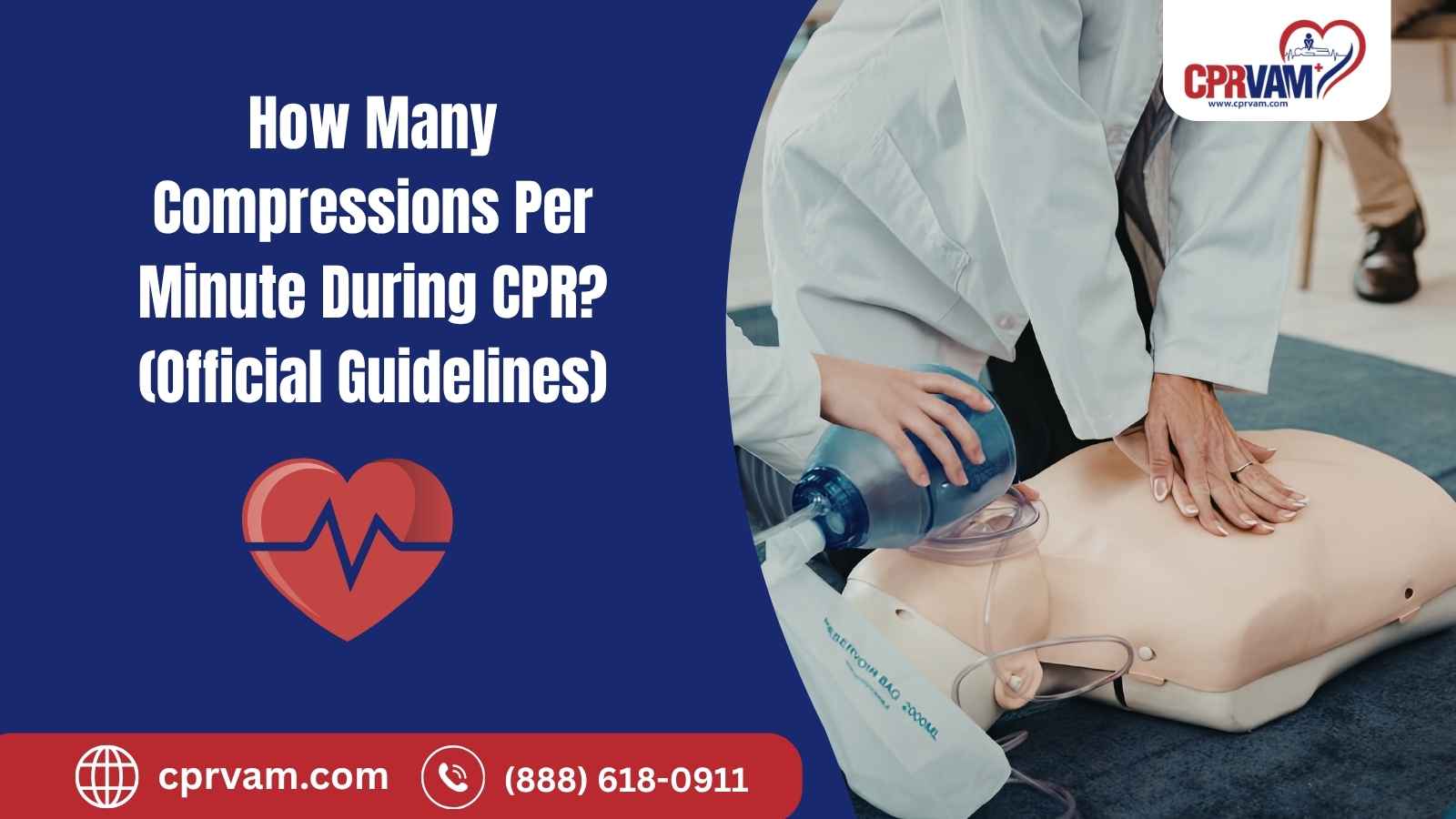
Emergencies in the workplace can happen in an instant. Cardiopulmonary Resuscitation (CPR) is a life-saving technique that combines chest compressions and rescue breaths to keep blood and oxygen flowing during cardiac arrest. Employees trained in CPR can bridge the gap until professional help arrives, potentially doubling or tripling a victim’s chance of survival when every second counts.
Learning CPR steps transforms you from a bystander into a potential lifesaver. Medical experience is not required to make a difference. With proper training, employees can act quickly, use an AED if available, and provide critical support until emergency responders arrive. Being prepared not only saves lives but also helps create a safer, more confident workplace for everyone.
How Can Online CPR Certification Be Convenient for Employees?
Online CPR certification makes training flexible and accessible, letting you learn at your own pace, anytime and anywhere. It fits around busy work schedules, reduces travel and waiting time, and allows employees to get certified quickly. This convenience ensures more staff can gain life-saving skills without disrupting workflow, improving safety and confidence in the workplace.
Online CPR certification offers the following conveniences for employees:
Self-Paced Learning: Complete CPR training at your own pace, fully compliant with American Heart Association (AHA) guidelines.
Flexible Schedule: Choose morning, midday, evening, weekend, or group sessions that fit your lifestyle.
Train Nearby: Access local, hands-on CPR classes for practical experience.
Same-Day Certification: Get certified quickly, reducing delays and waiting times.
Group Discounts: Affordable pricing for teams and corporate groups.
State-Approved & Trusted Credentials: Certification is recognized across states and meets AHA standards.
This ensures that your training does not disrupt workflow and allows you and your team to implement life-saving programs efficiently.
Why Is CPR Training a Must-Have in Every Workplace?
CPR training is a critical workplace skill that can save lives when seconds matter. Cardiac emergencies can happen anytime, anywhere, and employees trained in CPR can respond confidently, bridge the gap until professional help arrives, and dramatically improve survival rates. By ensuring your team is trained, you create a safer workplace and show that you value employee well-being.
Here are the reasons why CPR training is a must in workplaces:
1. Cardiac Emergencies Can Happen Anywhere
Cardiac arrests can occur in offices, warehouses, factories, retail spaces, or gyms. With ambulance response times often averaging 6-10 minutes, having employees who know CPR ensures immediate action. You can make a real difference by knowing how to respond quickly, potentially doubling or tripling a victim’s chance of survival in your workplace.
2. CPR Certification Boosts Employee Confidence and Morale
Employees trained in CPR feel empowered to act during emergencies and report higher confidence with lower workplace anxiety. Training also fosters teamwork and a culture of care. When you invest in CPR programs, your staff feels valued and supported, which improves loyalty, motivation, and overall workplace productivity.
3. CPR Training Reduces Workplace Liability
Businesses have a legal and ethical responsibility to prepare for emergencies. Implementing CPR training helps your company comply with OSHA and industry safety standards, properly document emergency procedures, and reduce potential liability claims. By making sure you and your team are certified, you protect both employees and the organization.
What Are the Broader Benefits of CPR Certification at Work?
CPR certification at work provides far more than safety. It empowers you and your colleagues to save lives, respond confidently in emergencies, and foster a supportive, proactive workplace. Beyond immediate emergencies, it builds a culture of care, teamwork, and preparedness that benefits both employees and the organization.
The benefits of CPR certification at work are as follows:
1. Life-Saving Potential
Knowing CPR allows you to act immediately during a cardiac emergency, maintaining blood flow until professional help arrives. Trained employees can double or even triple a victim’s chances of survival. Having you and your team ready, workplaces can prevent tragedies and ensure quick, effective life-saving intervention when seconds count.
2. Team-Building
CPR training sessions encourage collaboration, communication, and trust among colleagues. When you participate, you learn not only lifesaving skills but also how to coordinate with others under pressure. This strengthens team dynamics, improves morale, and fosters a culture where everyone feels responsible for each other’s safety and well-being.
3. Enhanced Preparedness
With CPR certification, you can confidently respond to emergencies anywhere, whether at work, home, or public spaces. Employees trained in CPR are always ready, reducing panic and improving outcomes. Having you prepared ensures the workplace remains a safe environment while empowering employees to act decisively when incidents occur.
4. Positive Work Culture
Implementing CPR training signals that employee safety is a priority. When you and your colleagues feel supported, it fosters trust, accountability, and a caring environment. Workplaces with a safety-focused culture see higher engagement, satisfaction, and mutual respect, creating a more positive atmosphere for everyone.
5. Financial Advantages
CPR-certified employees help reduce workplace risks, leading to lower insurance costs, fewer lawsuits, and faster incident recovery. By ensuring you and your team complete workplace CPR training online, businesses save money and resources while maintaining compliance with safety standards. CPR certification becomes a smart financial and ethical investment.
How Can You Implement an Effective Workplace CPR Program?
Implementing a workplace CPR program ensures you and your team are prepared for cardiac emergencies. By choosing the right training, scheduling effectively, maintaining skills, and building a safety-focused culture, you can protect employees, boost confidence, and create a safer work environment for everyone.
Here are the following ways to implement an effective workplace CPR program:
1. Choose a Reliable Training Provider
You should select a training provider with certifications from trusted organizations like the AHA or the Red Cross. Make sure trainers have corporate experience, and that study materials and AED training are up-to-date. This ensures you and your employees receive credible, practical, and effective CPR education.
2. Schedule Training Sessions Strategically
You have to plan for CPR sessions around your work schedule. You can hold training during work hours or encourage after-hours participation with simple incentives. Adding CPR training to new-hire onboarding keeps your team prepared. With smart scheduling, you and your employees can learn lifesaving skills without interrupting daily work.
3. Maintain Certification and Skills
Your CPR certification lasts 2 years, so you need to renew it regularly. Conduct drills, refresher courses, and use interactive modules or simulation apps for practice. Staying current ensures you and your team remain confident and ready to respond effectively during real emergencies.
4. Build a Culture of Safety
Celebrate employees who are CPR certified, provide accessible AEDs with clear instructions, and encourage responsibility. When you foster a safety-first environment, employees feel empowered to act, which strengthens teamwork and creates a culture where everyone’s well-being is a shared priority.
How Does CPR Training Make a Difference in Real Life?
CPR training has real-world impacts that go beyond theory. By learning these life-saving skills, you gain the confidence to act immediately during emergencies. Real-life examples show how trained employees and individuals can make a difference, protecting lives both at work and in public spaces.
1. Manufacturing Site
At a manufacturing plant, a trained worker noticed a colleague collapse from sudden cardiac arrest. Because you know CPR, immediate action was taken, maintaining blood flow until EMS arrived. This quick response directly saved a life and demonstrated the value of workplace training.
2. Office Setting
In an office, an employee saw a customer suddenly collapse. Thanks to CPR training, you can act without hesitation, providing chest compressions and rescue breathing until professionals arrive. Such interventions can turn a potentially fatal event into a survivable situation.
3. Public Spaces
Trained staff have also used CPR outside work, saving strangers or family members during emergencies. By applying your skills in public settings, you extend the benefits of CPR training beyond the workplace, creating a ripple effect that helps protect lives everywhere.
Empower Your Workplace: Secure Your Online CPR Certification Now
Empowering your workplace with CPR-certified employees transforms safety into a shared responsibility. Obtaining online CPR certification ensures your team can act confidently during emergencies and potentially save lives. It is convenient, cost-effective, and strengthens morale while protecting your business legally and ethically. Take action today to create a safer, more prepared, and resilient workplace for you and everyone around you.
Ready to strengthen workplace safety and preparedness? CPR VAM is an AHA-certified training center offering CPR, BLS, ACLS, and PALS. Learn online, in person, or in a blended format with hands-on training from expert instructors. Enroll today at a CPR VAM location near you.
FAQs
1. Is Online CPR Certification Accepted for Workplace Safety Requirements?
Yes. Online CPR certification that follows American Heart Association guidelines is widely accepted for workplace training. When you choose a blended or approved online program, you meet safety and compliance expectations.
2. Does Online CPR Training Include Hands-On Practice?
Many programs offer blended learning, where you complete theory online and hands-on skills in person. This ensures you gain practical experience using CPR techniques and AEDs confidently.
3. How Long Does Online CPR Certification Take to Complete?
Most online CPR courses can be completed in a few hours at your own pace. You can often receive same-day certification once you finish the required modules and assessments.
4. How Often Do You Need to Renew CPR Certification?
CPR certification typically lasts two years under AHA guidelines. You should renew on time so you remain confident, compliant, and ready to respond in emergencies.
5. Do Non-Medical Employees Need CPR Certification?
Absolutely, you do not need medical experience to perform CPR effectively. With proper training, you can act quickly and make a real difference before EMS arrives.