
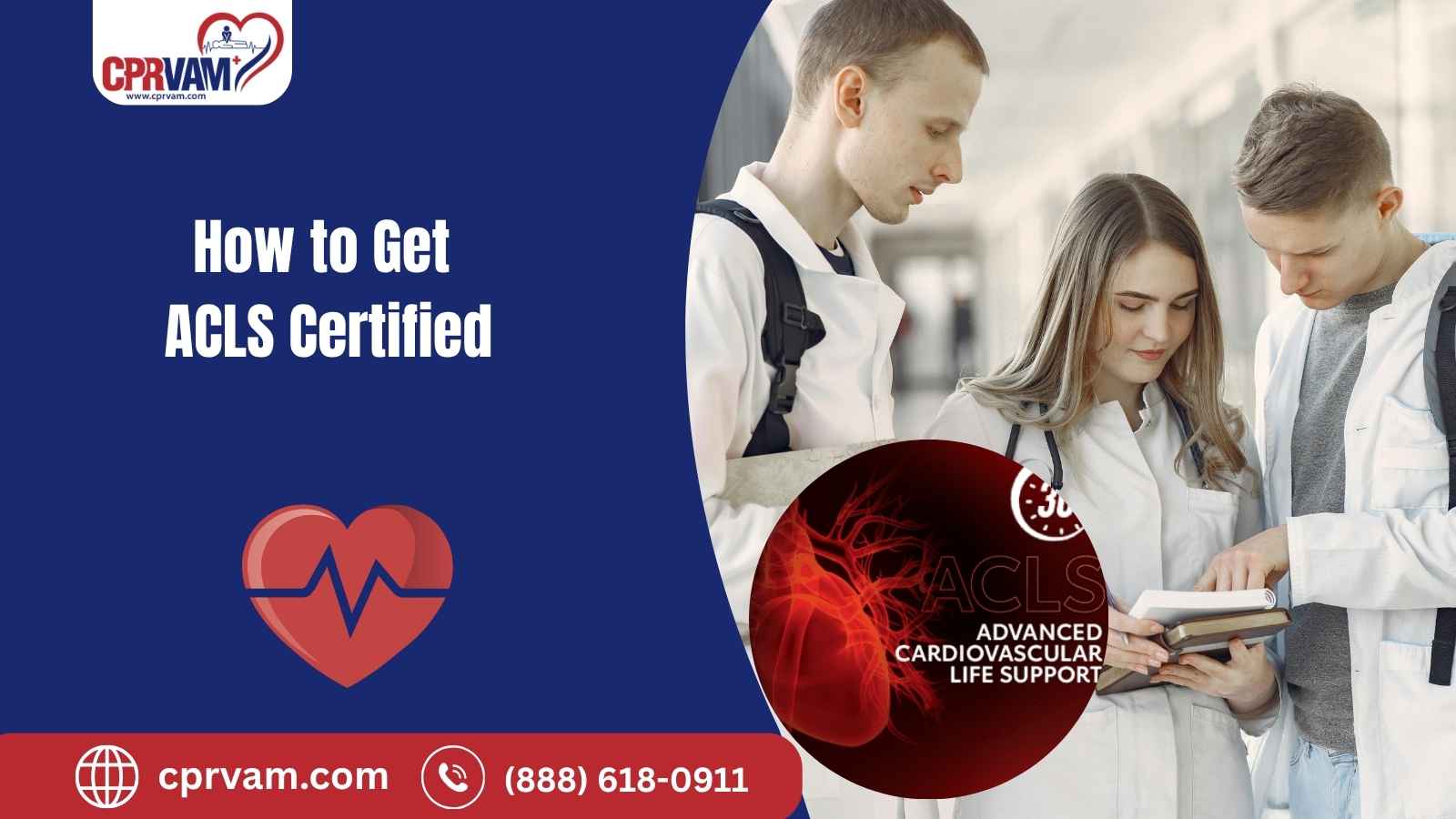
Advanced Cardiovascular Life Support (ACLS) Certification is essential for healthcare professionals in emergency and critical care. From cardiac arrest to severe arrhythmias, it equips doctors, nurses, and paramedics with the skills to respond effectively. Following American Heart Association guidelines, ACLS training builds confidence, ensures proper care, and improves patient survival.
Understanding the requirements, training process, and renewal procedures for ACLS is essential for anyone aiming to maintain current lifesaving skills. Breaking down complex procedures into clear, actionable steps helps healthcare providers prepare effectively, stay compliant with professional standards, and deliver the highest-quality care.
This blog covers eligibility, course content, practical training, and assessments, providing a clear roadmap to ACLS certification and recertification. Following it ensures confidence, competence, and improved outcomes in critical cardiac emergencies.
Why Does ACLS Certification Matter?
ACLS certification is essential for healthcare professionals responding to cardiac emergencies. It provides advanced knowledge, practical skills, and confidence needed to manage life-threatening events such as cardiac arrest, stroke, and arrhythmias. Certified providers deliver timely, evidence-based care that improves patient survival and outcomes in critical cardiovascular situations.
Healthcare providers who are ACLS-certified can:
Perform high-quality CPR and use an AED confidently during emergencies
Recognize and interpret abnormal heart rhythms accurately
Administer emergency medications safely, following established guidelines
Coordinate effectively with other team members during resuscitation
Respond quickly to cardiac arrests, strokes, and life-threatening arrhythmias
Apply evidence-based practices to improve patient survival and outcomes
According to the American Heart Association (AHA), ACLS-trained providers significantly improve patient outcomes in emergency cardiovascular situations
Who Is Eligible for ACLS Certification?
ACLS certification is designed for healthcare professionals involved in emergency or critical care. To enroll, candidates must meet specific eligibility criteria, including prior certification, clinical experience, and foundational lifesaving knowledge, ensuring they can effectively learn and apply advanced cardiovascular life support skills in real-world emergencies.
Eligible criteria for ACLS certification:
1. Professional Background
Eligible candidates include:
Doctors, nurses, paramedics, and other licensed patient care providers
Individuals with a solid medical foundation to understand ACLS procedures
Providers who can make quick, critical decisions during emergencies
Professionals capable of delivering safe, effective care under high-pressure cardiovascular situations
2. Prerequisite Certification
Candidates must have:
A current Basic Life Support (BLS) certification
Essential skills in CPR and AED use
A foundation to complete ACLS training
The ability to build on BLS knowledge for advanced cardiovascular life support
3. Clinical Experience (Optional but Recommended)
Recommended clinical experience includes:
Hands-on work in emergency or critical care settings
Exposure to real-life cardiac emergencies
Opportunities to apply ACLS protocols in practice
Improved decision-making and confidence during high-stress situations
Enhanced patient safety and treatment outcomes
4. Prerequisite Knowledge and Skills
Candidates should have:
High-quality CPR and AED skills
Basic ECG rhythm interpretation
Knowledge of emergency cardiovascular medications
Airway management skills, including manual resuscitator bag ventilation
Ability to perform advanced airway techniques effectively during emergencies
What Documentation Is Required to Enroll in ACLS Training?
Before enrolling in ACLS training, candidates must provide specific documents to verify their professional status, prior certifications, and identity. These requirements ensure that participants are eligible, prepared, and able to complete the course successfully while adhering to American Heart Association standards.
Required Documentation:
Proof of professional qualification (e.g., Medical license or ID)
Valid Basic Life Support (BLS) certification
Government-issued identification (e.g., Driver’s license or Passport)
Completed course registration forms provided by the training organization
What Does ACLS Training Include?
ACLS training combines both classroom learning and hands-on practice, giving healthcare professionals the knowledge, skills, and confidence to manage cardiovascular emergencies. It ensures participants can apply American Heart Association guidelines effectively in real-life, high-stress situations.
1. BLS Review
This section refreshes essential CPR and AED skills, ensuring providers can deliver high-quality compressions and defibrillation. Mastery of these basics forms the foundation for all advanced life support interventions in emergencies.
2. Cardiac Arrest Management
Participants learn how to quickly recognize cardiac arrest and respond with timely interventions. Proper management during these critical moments significantly increases patient survival chances.
3. Airway Management
Training covers advanced techniques to secure and maintain the airway, including bag-valve-mask and advanced devices. Effective ventilation is crucial for oxygen delivery and patient stabilization during cardiac events.
4. Rhythm Recognition
Providers practice interpreting ECGs and identifying arrhythmias accurately. Correct rhythm recognition allows timely and appropriate interventions, which can be life-saving in emergencies.
5. Pharmacology
This module explains the medications used in ACLS, including dosages and indications. Safe administration of these drugs ensures proper treatment during cardiac crises.
6. Team Dynamics
Training emphasizes communication, leadership, and coordination during resuscitation. Effective teamwork reduces errors and improves patient outcomes in high-stress situations.
7. Case Scenarios
Hands-on simulations allow participants to practice real-life cardiovascular emergencies. These scenarios improve decision-making, critical thinking, and readiness for actual patient care.
8. ACLS Algorithms
Participants follow step-by-step flowcharts for Pulseless Ventricular Tachycardia (pVT)/Ventricular Fibrillation (VF), Asystole, Pulseless Electrical Activity (PEA), Bradycardia, and Tachycardia management. Algorithms ensure standardized, evidence-based responses during complex cardiac events.
What Are the Training Methods and How Long Does ACLS Training Take?
ACLS training is offered in two main formats to meet different learning styles and schedules. The total duration varies depending on the student’s experience, course type, and whether it is a full or updated course, including hands-on skills practice.
1. Blended Learning (HeartCode® ACLS)
Participants complete online theoretical modules at their own pace. The in-person hands-on skills session typically takes 6.75-7.75 hours, including practice, feedback, breaks, and team exercises to reinforce learning.
2. Instructor-Led (In-Person) ACLS Course
Combines pre-course video lessons with live classroom instruction. Full courses take 13.25–16.5 hours, while update courses take 8-9.5 hours, all including hands-on practice and breaks for skill mastery.
Both training options follow American Heart Association guidelines and provide the same ACLS Provider Course Completion Card, which is valid for two years and recognized across healthcare settings.
How Are ACLS Skills Session Assessed?
ACLS certification ensures healthcare providers can apply knowledge and skills effectively during real emergencies. Assessment includes written and practical exams, with candidates often using study materials and practice tools to prepare and build confidence. Passing typically requires a score of 84% or above, demonstrating mastery of both knowledge and hands-on skills.
1. Written Exam
This exam tests understanding of ACLS guidelines, emergency pharmacology, and treatment algorithms. Candidates often use ACLS study guides to review core concepts, understand algorithms, and prepare thoroughly for the written portion.
2. Practical Exam
The practical exam evaluates hands-on skills, including high-quality CPR, AED use, airway management, and medication administration. Candidates can use ACLS practice tests and simulated scenarios to rehearse procedures and demonstrate safe, effective care in realistic emergencies.
How Long Does ACLS Certification Last?
ACLS certification remains valid for two years from the date of completion. Healthcare providers must stay current with guidelines to ensure they can respond effectively to cardiovascular emergencies and maintain professional competency.
The American Heart Association no longer offers grace periods for renewal. Once a certification expires, providers must complete full recertification. Staying proactive ensures uninterrupted credentials and readiness to deliver high-quality, evidence-based care in critical situations.
How Do You Renew ACLS Certification?
Renewing ACLS certification ensures healthcare providers maintain up-to-date knowledge, skills, and adherence to the latest American Heart Association guidelines. Timely renewal supports patient safety and reinforces confidence in managing cardiovascular emergencies effectively.
1. Renewal Eligibility
Candidates must have a current, unexpired ACLS certification
Completion of an accredited ACLS renewal course is required to maintain valid credentials
Ensures compliance with professional standards and institutional requirements for clinical practice
2. Renewal Course Content
Reviews core ACLS concepts, including high-quality CPR, airway management, and rhythm recognition
Covers updates on new AHA guidelines and protocols
Provides hands-on practice with advanced case scenarios to reinforce skills and decision-making
3. Renewal Assessment
Written exams test understanding of updated protocols, pharmacology, and Advanced Cardiovascular Life Support Algorithms.
Practical exams evaluate hands-on skills, teamwork, and proficiency in simulated emergencies
Ensures candidates demonstrate confidence and competence in real-life cardiovascular situations
4. Renewal Timeline
ACLS certification must be renewed every two years to remain valid
Begin the process several months before expiration to avoid lapses in certification
Maintains continuous readiness to respond effectively in emergency care settings
Get ACLS-Certified and Stay Prepared
ACLS certification is more than a professional requirement. It is a critical skill set that helps healthcare providers act quickly and confidently when every second counts. Understanding eligibility, training, and renewal steps strengthens patient safety and career growth. If you work in emergency or critical care, now is the time to get certified, stay prepared, and deliver high-quality, lifesaving care when patients need it most.
Enroll with CPR VAM, an AHA Training Center, and make ACLS certification or renewal fast and stress-free. We offer BLS, ACLS, and PALS classes through expert-led online, in-person, or blended formats. Sign up today and renew your ACLS card with confidence while staying ready to save lives.
FAQs About the Renewal Process of ACLS
1. Who Should Get ACLS Certified and Why?
ACLS is designed for doctors, nurses, paramedics, and other healthcare professionals handling emergencies. It ensures they have advanced CPR, AED, and rhythm recognition skills to save lives.
2. What Documents Do I Need Before Starting ACLS Training?
You need proof of professional qualification, a valid BLS certificate, and a government-issued ID. Registration forms from the training center must also be completed to confirm eligibility.
3. When Does ACLS Certification Expire and What Happens Then?
ACLS certification lasts two years from the completion date. Once expired, you must complete full recertification, as no grace periods are offered.
4. What’s the Easiest Way to Renew My ACLS Card?
Complete an AHA-approved ACLS renewal course before your certificate expires. You’ll review updated guidelines, practice hands-on skills, and pass written and practical exams to stay certified.
5. Can I Learn ACLS Online Without Losing Hands-On Experience?
Yes. Blended ACLS courses let you complete theory online at your own pace, then practice hands-on skills in person. This approach combines flexibility with real-world readiness.