
The ACLS Megacode is a structured simulation used in Advanced Cardiovascular Life Support certification. It helps healthcare providers learn how to respond to real cardiac emergencies using step-by-step ACLS algorithms. The focus is on rapid decision-making, rhythm recognition, and safe clinical actions in high-pressure situations such as cardiac arrest.
This training scenario is widely used in ACLS exams to test leadership, teamwork, and clinical judgment in real time. It is based on American Heart Association guidelines and reflects real emergency care situations. The Megacode is designed to build confidence, improve accuracy, and prepare providers for life-threatening cardiac events in clinical practice.
This blog explains the ACLS Megacode, including step-by-step emergency response, ACLS algorithms, leadership skills, and exam strategies to help healthcare providers perform confidently in simulations.
What Is the ACLS Megacode?
The ACLS Megacode is a clinical simulation used during ACLS training to evaluate how healthcare providers manage time-sensitive cardiac emergencies. In this setting, you assume the role of a team leader and guide the response to a deteriorating patient using standardized emergency protocols. The exercise is conducted in a controlled environment with a manikin to mirror real clinical conditions.
During the scenario, you may encounter a range of critical situations, including:
- Cardiac arrest
- Ventricular fibrillation (VF)
- Pulseless ventricular tachycardia (VT)
- Pulseless electrical activity (PEA)
- Asystole
- Bradycardia or tachycardia
- Acute coronary events, such as STEMI or stroke presentations
The goal is to assess how effectively you can apply ACLS algorithms in a fast-moving clinical situation. It also evaluates your ability to interpret clinical findings and follow evidence-based resuscitation steps. In addition, it measures how well you coordinate a team response in real time in accordance with the American Heart Association (AHA) ACLS standards.
Why Does The ACLS Megacode Matter?
The ACLS Megacode is more than a certification requirement. It is designed to prepare healthcare providers for the challenges of real-world cardiac emergencies. Simulating high-pressure situations, it helps develop the practical skills needed to deliver timely, effective, and coordinated patient care.
Key skills strengthened through Megacode training include:
- Rapid Decision-Making – Learn how to assess situations quickly and choose the appropriate intervention without delay.
- Clinical Leadership – Develop the ability to lead a resuscitation team with confidence and clear direction.
- Team Coordination – Improve communication and role management to ensure efficient teamwork during emergencies.
- Algorithm-Based Thinking – Apply ACLS protocols systematically to guide treatment decisions.
- Emergency Confidence – Build the confidence needed to remain calm and focused in critical situations.
Ultimately, the ACLS Megacode helps bridge the gap between classroom learning and real patient care, ensuring healthcare providers are better prepared to respond when every second counts.
What Do Examiners Evaluate During The Megacode?
Examiners are not expecting perfection. Instead, they focus on whether you can lead a resuscitation safely, clearly, and in a structured way under pressure. The emphasis is on real-world performance and adherence to American Heart Association (AHA) ACLS standards.
During the Megacode, they assess how well you can:
- Recognize cardiac arrest quickly and take immediate action
- Start high-quality CPR without delay
- Identify ECG rhythms accurately
- Follow ACLS algorithms step by step
- Administer medications at the correct time and dose
- Communicate clearly and effectively with the team
- Identify and address reversible causes (H’s and T’s)
- Maintain control and make decisions under stress
Overall, the most important factor is your ability to lead a coordinated, efficient, and safe resuscitation effort while keeping patient care priorities clear.
What Common ACLS Megacode Scenarios Should Healthcare Providers Know?
The ACLS Megacode is built around a few predictable life-threatening cardiac emergencies. These scenarios are designed to test how quickly and correctly you recognize abnormal rhythms and apply ACLS algorithms. The focus is on safe, structured decision-making based on American Heart Association (AHA) guidelines in real-time clinical situations.
1. Ventricular Fibrillation (VF)
VF is a cardiac arrest rhythm caused by disorganized ventricular activity, which eliminates coordinated contraction and immediately stops effective circulation.
- Ventricles show chaotic electrical activity
- No coordinated pumping action occurs
- No pulse or perfusion is present
- Immediate defibrillation is required
- CPR is continued without interruption
2. Pulseless Ventricular Tachycardia (VT)
Pulseless VT is a very rapid ventricular rhythm that prevents the heart from generating a measurable pulse or sustaining blood flow.
- An extremely fast ventricular rhythm is present
- No palpable pulse on assessment
- Circulatory failure occurs immediately
- Managed as a shockable arrest rhythm
- Defibrillation with ongoing CPR support
3. Asystole
Asystole is the complete absence of cardiac electrical activity, resulting in no mechanical heart function or detectable circulation.
- No electrical activity on ECG
- Flatline appearance on monitoring
- No pulse or cardiac output
- Not a shockable rhythm
- CPR with epinephrine administration
4. Pulseless Electrical Activity (PEA)
PEA occurs when electrical impulses are present on the monitor, but the heart fails to produce any effective mechanical contraction.
- Electrical rhythm visible on ECG
- No mechanical heart movement occurs
- No pulse is detected clinically
- Defibrillation is not indicated
- Focus on reversible causes
5. Bradycardia
Bradycardia refers to a slower-than-normal heart rate that may reduce organ perfusion and requires treatment based on patient stability and symptoms.
- Heart rate below normal limits
- May compromise organ perfusion
- Clinical impact varies by severity
- Atropine is first-line therapy
- Pacing or infusion may be needed
6. Supraventricular Tachycardia (SVT)
SVT is a rapid rhythm originating above the ventricles that can cause symptoms and requires prompt rate or rhythm control depending on stability.
- Rapid rhythm above the ventricles
- May present with palpitations or dizziness
- Stable patients use vagal maneuvers or adenosine
- Unstable patients need cardioversion
- Focus is on returning to normal rhythm
What Are the Step-By-Step Approaches for Managing ACLS Megacodes?
The ACLS Megacode follows a structured, AHA-based sequence designed to test how well you manage cardiac emergencies in real time. It focuses on rapid assessment, correct rhythm-based decisions, high-quality CPR, and effective team leadership during high-pressure resuscitation scenarios.
Step 1: Immediate Response
In this first step, the focus is on acting fast and staying organized, just like in a real emergency. According to AHA ACLS guidelines, early recognition of cardiac arrest and quick team coordination can make a major difference in outcomes.
- Check responsiveness, assess the patient quickly, and confirm there is no pulse
- Activate Code Blue and call for immediate emergency support
- Assign Clear Roles Right Away: Chest compressor, airway manager, medication provider, and monitor/defibrillator operator
- Speak clearly, take charge early, and keep everyone working together as a team from the start
Step 2: Start High-Quality CPR
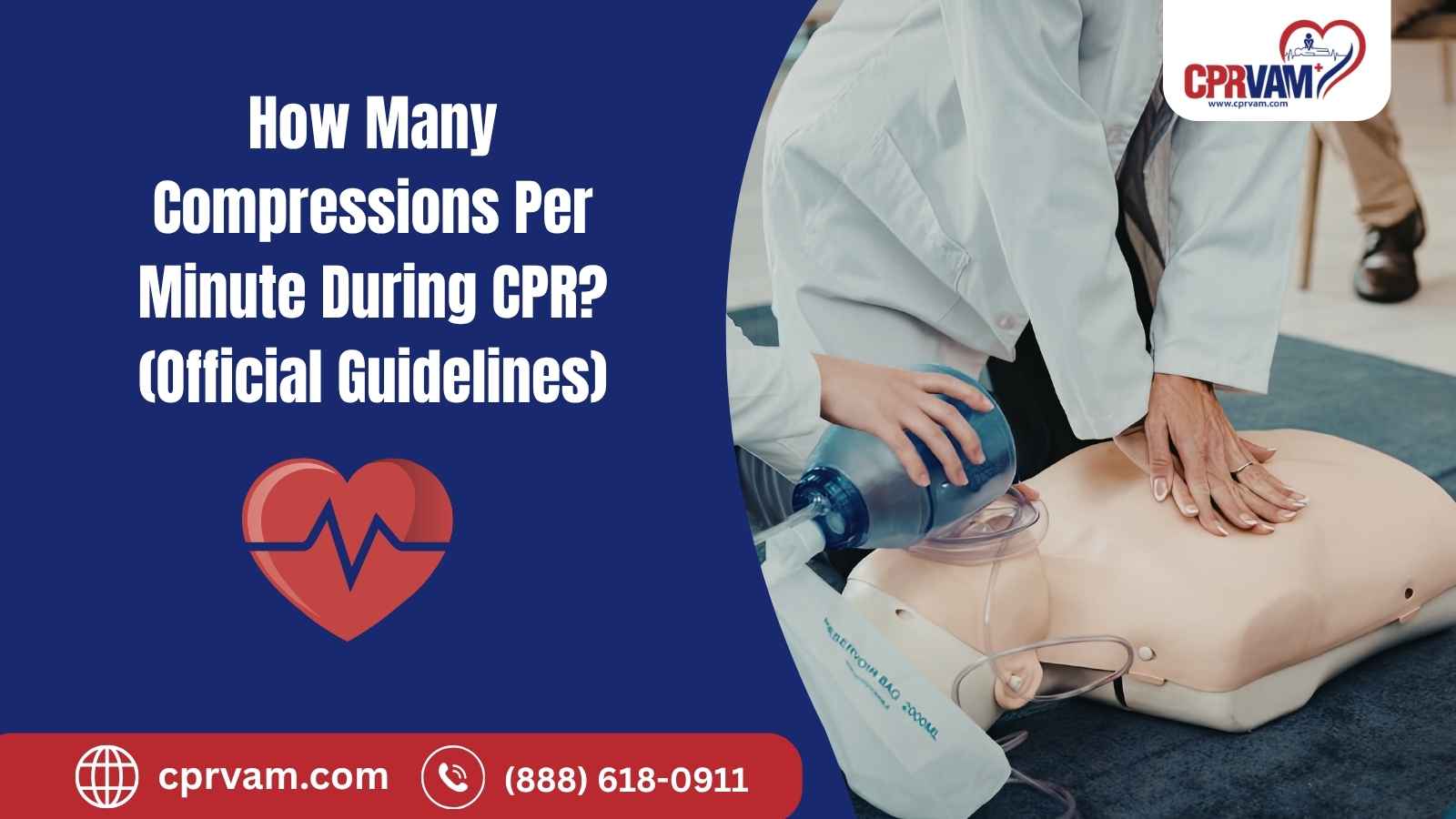
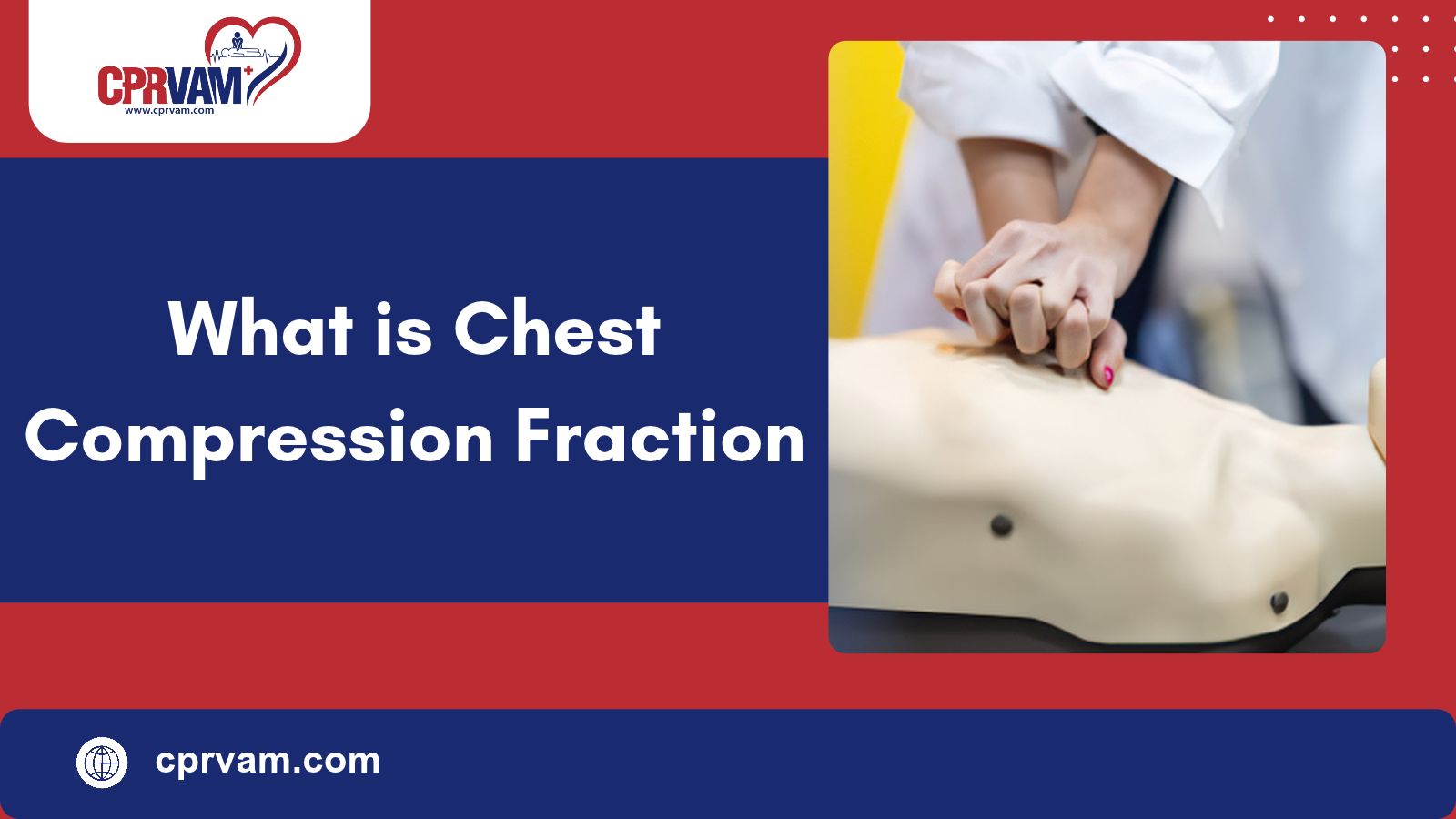
As soon as cardiac arrest is confirmed, start chest compressions right away. Don’t pause or delay. In ACLS Megacode scenarios, correct CPR is one of the most important actions because it keeps blood flowing to vital organs.
- Start compressions immediately at 100-120 per minute
- Push down at least 2 inches with each compression
- Let the chest fully come back up after each push
- Switch the person doing compressions every 2 minutes
- Keep breaks as short as possible to maintain steady circulation
Step 3: Rhythm Identification
Once the monitor is connected, quickly interpret the cardiac rhythm and decide the next action. In ACLS Megacode scenarios, this step guides whether you proceed with defibrillation or continue CPR with medications.
- Shockable Rhythms: Ventricular fibrillation (VF) and Pulseless ventricular tachycardia (VT). These require immediate defibrillation along with CPR.
- Non-Shockable Rhythms: Pulseless electrical activity (PEA) and Asystole. These are treated with high-quality CPR and epinephrine, not shock.
- Clearly state the identified rhythm to ensure the entire team understands the patient’s condition and can proceed with the appropriate treatment plan.
Step 4: Treatment Pathways
After identifying the rhythm, follow the appropriate ACLS treatment pathway. The next steps depend on whether the rhythm is shockable or non-shockable. Making the correct decision at this stage is critical for effective resuscitation and patient survival.
If the Rhythm Is Shockable (Ventricular Fibrillation or Pulseless Ventricular Tachycardia):
- Deliver a defibrillation shock as soon as possible
- Resume high-quality CPR immediately after the shock
- Administer epinephrine every 3–5 minutes during resuscitation
- Consider amiodarone if the rhythm persists after the second shock
- Continue alternating between rhythm checks, shocks, CPR, and medications according to the ACLS algorithm
If the Rhythm Is Non-Shockable (Pulseless Electrical Activity or Asystole):
- Continue high-quality CPR without interruption
- Administer epinephrine as soon as possible and repeat every 3–5 minutes
- Do not attempt defibrillation, as shock is not indicated for these rhythms
- Assess and treat potential reversible causes (H’s and T’s)
- Continue CPR, medication administration, and rhythm reassessment every 2 minutes
Following the correct treatment pathway ensures that interventions are aligned with AHA ACLS guidelines and helps the team provide the most effective care possible.
Step 5: Airway and Ventilation
Effective airway management and ventilation are essential during resuscitation. The approach depends on whether an advanced airway has been placed. Throughout the process, the goal is to provide adequate oxygenation while minimizing interruptions to chest compressions.
If an Advanced Airway Has Not Been Placed:
- Use a bag-mask device to provide ventilations
- Deliver oxygen at the highest available concentration (100% oxygen when available)
- Coordinate ventilations with CPR according to ACLS guidelines
- Ensure the chest visibly rises with each breath
If an Advanced Airway Has Been Placed
- Confirm proper tube placement using waveform capnography
- Continue chest compressions without pausing for breaths
- Deliver 1 breath every 6 seconds (10 breaths per minute)
- Monitor ventilation quality and oxygenation throughout the resuscitation effort
Important Consideration
Avoid over-ventilation, as excessive breathing can reduce blood flow during CPR and decrease the effectiveness of resuscitation efforts.
Step 6: Identify Reversible Causes (H's and T's)
When a patient does not respond as expected during resuscitation, it is important to look for underlying conditions that may be causing or contributing to the cardiac arrest. In ACLS, these potentially reversible causes are known as the H’s and T’s. Identifying and treating them can significantly improve the chances of successful resuscitation.
H's
- Hypoxia – Inadequate oxygen levels in the body can prevent vital organs and tissues from functioning properly.
- Hypovolemia – Severe blood or fluid loss can reduce circulation and lead to cardiac arrest.
- Hydrogen Ion (Acidosis) – Excess acid in the bloodstream can impair heart function and circulation.
- Hypokalemia or Hyperkalemia – Low or high potassium levels can cause dangerous cardiac rhythm disturbances.
- Hypothermia – A significantly low body temperature can slow cardiac activity and affect resuscitation efforts.
T's
- Tension Pneumothorax – Air trapped in the chest cavity can compress the lungs and heart, restricting circulation.
- Cardiac Tamponade – Fluid around the heart can prevent it from filling and pumping effectively.
- Toxins – Drug overdoses, poisonings, or harmful substances can trigger cardiac arrest.
- Thrombosis (Coronary or Pulmonary) – A blood clot in the heart or lungs can severely limit blood flow and oxygen delivery.
Actively considering the H’s and T’s during a Megacode demonstrates strong clinical judgment and helps ensure that treatable causes are not overlooked.
Step 7: Medication Use and Timing
Correct medication administration is an important part of ACLS resuscitation. In addition to knowing which medications to use, you must also understand when to give them. Following the recommended timing helps ensure that treatment remains aligned with ACLS guidelines and supports effective patient care.
- Epinephrine: Administer 1 mg IV/IO every 3–5 minutes during cardiac arrest.
- Amiodarone: Administer 300 mg IV/IO for persistent ventricular fibrillation (VF) or pulseless ventricular tachycardia (VT) after the second shock.
- Stay on Schedule: Coordinate medication administration with CPR cycles and rhythm checks to avoid delays or missed doses.
- Track administration Times: Clearly communicate and document when medications are given so the team remains organized and on track.
Proper medication timing demonstrates strong ACLS knowledge, supports coordinated team performance, and helps ensure that critical interventions are delivered at the right moment.
Step 8: Ongoing Cycles
Once resuscitation is underway, continue following the ACLS algorithm in organized 2-minute cycles. Each cycle provides an opportunity to reassess the patient, adjust treatment if needed, and ensure that critical interventions are delivered at the appropriate time.
- Briefly pause every 2 minutes to assess the cardiac rhythm
- Deliver a shock if a shockable rhythm is present
- Resume high-quality CPR immediately after any rhythm check or shock
- Administer medications according to the recommended ACLS schedule
- Reassess the patient’s condition and continue following the appropriate treatment pathway
These cycles continue until return of spontaneous circulation (ROSC) is achieved or resuscitation efforts are stopped based on clinical judgment and established protocols. Consistently following this structured approach helps maintain effective resuscitation and keeps the entire team focused on the next critical action.
Step 9: Post-ROSC Care
If the patient achieves Return of Spontaneous Circulation (ROSC), the focus shifts from resuscitation to stabilization and ongoing critical care. The goal is to support vital organ function, prevent secondary injury, and address the underlying cause of the cardiac arrest.
- Secure and maintain a patent airway to ensure adequate breathing
- Optimize oxygenation and ventilation while avoiding hypoxia and hyperoxia
- Continuously monitor vital signs, cardiac rhythm, and hemodynamic status
- Identify and treat the underlying cause of the cardiac arrest
- Prepare the patient for transfer to the ICU or another appropriate critical care setting for advanced monitoring and management
Post-ROSC care is a critical phase of treatment. Providing comprehensive care after circulation returns can significantly improve survival rates and neurological outcomes while reducing the risk of further complications.
What Are the Common Errors to Avoid During an ACLS Megacode?
In ACLS Megacode scenarios, most mistakes are not due to a lack of knowledge but small delays or missed steps under pressure. Being aware of these common errors can help you stay organized, follow the algorithm correctly, and perform with more confidence.
- Delaying CPR instead of starting chest compressions immediately
- Misreading or misidentifying the cardiac rhythm
- Shocking rhythms that are non-shockable (like PEA or Asystole)
- Missing the correct timing for epinephrine administration
- Communicating unclearly or failing to direct the team effectively
- Forgetting to assess and treat reversible causes (H’s and T’s)
Staying calm, following the steps in order, and keeping communication clear can help you avoid these mistakes and manage the Megacode more effectively.
Master the ACLS Megacode with Confidence and Clarity
Mastering the ACLS Megacode is about staying calm, thinking clearly, and following a structured approach in every emergency. When you apply ACLS algorithms correctly, communicate with your team, and act without delay, your performance improves. With consistent practice, you build confidence, make safer decisions, and respond more effectively in real cardiac arrest situations.
To take your skills further, consider enrolling in the CPR VAM Training Center for CPR, BLS, PALS, and ACLS certification courses. Hands-on Megacode practice in a guided learning environment helps you improve speed, teamwork, and clinical decision-making, preparing you for real-world cardiac emergencies with confidence.
FAQs About the ACLS Megacode
1. What Is The Main Purpose Of The ACLS Megacode?
The ACLS Megacode is designed to evaluate how well healthcare providers respond to real-life cardiac emergencies. It tests their ability to follow ACLS algorithms, make quick decisions, and provide effective patient care. It also focuses on teamwork, communication, and leadership during high-pressure situations.
2. How Can I Improve My Performance In An ACLS Megacode Scenario?
Improving ACLS Megacode performance requires regular practice and a strong understanding of ACLS algorithms. Hands-on simulation training helps build confidence, improve rhythm recognition, and develop faster decision-making skills. Practicing different scenarios allows providers to stay calm and respond effectively during emergencies.
3. What Skills Are Most Important During A Megacode Exam?
Important skills during a Megacode exam include high-quality CPR, rhythm recognition, medication management, leadership, and clear communication. Examiners assess how well you apply ACLS steps while coordinating with your team. Staying organized and confident helps improve performance during the scenario.
4. How Do I Know Which ACLS Rhythm Requires Shock Or No Shock?
Shockable rhythms in ACLS include ventricular fibrillation (VF) and pulseless ventricular tachycardia (VT). Non-shockable rhythms include pulseless electrical activity (PEA) and asystole. Quickly identifying these rhythms is essential for providing the correct treatment and improving patient outcomes.
5. Is ACLS Megacode Training Similar To Real-Life Emergencies?
Yes. ACLS Megacode training closely reflects real clinical emergencies. It follows American Heart Association guidelines and prepares healthcare providers for cardiac arrest events. The training helps develop the skills needed to respond quickly, work as a team, and provide structured care under pressure.